
 Peržiūrėti realaus dydžio版
 Pasidalinti
 Dalintis
 Išsamiau
 Vadovas

 Atsisiųsti
 Panašūs eksponatai
 Rentgeno spindulių nuotrauka
 Automatinė diorama
 Q&A
Q&A Statistika
River scene

- 40.0 x 56.0 cm


 Skaityti daugiau
Giclée / Meno spausdinimas
Muziejų lygio „giclée“ arba drobos spausdinimas: greita gamyba ir lankstios apdailos parinktys. ( Pirkti rankų darbo tapybą Perejti prie skaitmeninių vaizdų)




P118B €10

P118H €10

P118W €10

P438Z €10

P508JH €12

P508YH €12

P805H €10

P805Z €10

P919BZ €10

P919G €10

P919XJ €10

P959ZH €10

P968JZ €12

W106C €8

W218G €10

W218JH €8

W218Y €10

W307PJ €10

W316G €10

W316PJ €8

W316Y €10

W398PJ €8

W4111J €10

W500HY €15

W500JH €15

W692G €12

W849H €8

W940BG €15

W953PJ €8




Pasirinkite iš mūsų nustatytų dydžių, atitinkančių originalaus meno kūrinio proporcijas.

Įveskite jums reikiamą plotį ir aukštį, kad atvaizdas derėtų prie jūsų rėmo ar sienos. Spausdiną galima tik sumažinti, bet nepadidinti virš originalaus paveikslėlio dydžio, todėl keičiant proporcijas, dalis vaizdo prarandama. Prieš spausdinimą atsiųsime jums skaitmeninį maketą patvirtinimui. Šioje puslapio nuotraukoje matomas pjūvis nėra tikslus – jį rodo tik maketas.
Pristatymas visame pasaulyje () per 2 weeks, o ne įprastas 4/5 savaičių laikotarpis. (1 lapkritis)

Nemokamas greitasis pristatymas visame pasaulyje

Aukštos kokybės lininis drobė

Pilnas siuntimo draudimas

Muitinės mokesčių grąžinimo garantija

Tikro spalvų atitikimo garantija

100 dienų grąžinimo politika (tik esant įtaigoms)

100% pinigų grąžinimo garantija

Nuolaida dideliems užsakymams
 Stiklo variantas prieinamas tik pasirinkus dydį iki 110 cm

River scene
Giclée / Meno spausdinimas
Reprodukcijos matmenys
-


Bendroji kaina
€ 71
Jan van Goyen: A Pioneer of Atmospheric Landscape Painting
Jan Josephszoon van Goyen (1596 – 1656) stands as an enduring icon of Dutch Golden Age art, celebrated for his masterful depictions of the serene beauty of the Dutch countryside. More than just capturing scenery, Van Goyen achieved a profound emotional resonance through his distinctive style—a quiet contemplation of nature imbued with subtle tonal variations and an unwavering commitment to realism. His legacy continues to inspire artists and captivate audiences today.Early Life and Artistic Training
Born in Leiden on January 13, 1596, Van Goyen’s artistic journey began humbly, apprenticing under Esaias van de Velde in Haarlem. This formative experience instilled in him a foundational understanding of perspective and tonal painting—skills that would become hallmarks of his oeuvre. Unlike many contemporaries who embraced flamboyant color palettes, Van Goyen deliberately eschewed ostentation, prioritizing instead the quiet observation of natural light and shadow to convey mood and space effectively.A Distinctive Style: Simplicity and Atmospheric Perspective
Van Goyen’s artistic style is instantly recognizable for its remarkable simplicity. He rejected elaborate ornamentation, focusing solely on conveying the essence of his subjects—typically Dutch riverscapes—through a restrained palette dominated by grays, browns, and greens. Crucially, he pioneered the technique of atmospheric perspective, skillfully rendering distant landscapes with muted colors and softened contours to simulate the effects of air and haze. This approach wasn’t merely stylistic; it reflected Van Goyen's deep conviction that true beauty resided in capturing the subtle nuances of the natural world.Prolific Output and Notable Works: Reflecting Dutch Identity
Van Goyen was an extraordinarily prolific artist, producing approximately twelve hundred paintings—a staggering output considering the artistic standards of his time. His subjects ranged from expansive forest vistas to tranquil river scenes bathed in golden light, reflecting the cultural values of the Netherlands during the Golden Age. Among his most celebrated works is “A View on the Maas near Dordrecht,” a breathtaking panorama showcasing Van Goyen’s mastery of tonal painting and atmospheric perspective—a testament to his ability to evoke profound emotion through understated visual elements. This piece exemplifies the artist's dedication to portraying Dutch landscapes with unwavering accuracy and sensitivity, cementing his place as one of the foremost landscape painters of his era.Symbolism and Emotional Impact: Capturing Tranquility and Reflection
Beyond mere representation, Van Goyen’s paintings convey a deeper symbolic significance—a celebration of Dutch identity and a contemplation of the sublime beauty inherent in nature. The muted colors and hazy landscapes invite viewers to pause and consider the grandeur of the natural world alongside its quiet serenity. His works resonate with an enduring emotional impact, transporting audiences back to 17th-century Holland and reminding us of the power of art to inspire awe and introspection.Further Exploration: Resources for Art Enthusiasts
For those eager to delve deeper into Jan van Goyen’s artistic legacy, several valuable resources are available:- National Gallery of Art: River Landscape with a Distant Bridge
- Wikipedia Article:Jan van Goyen
Discover more about Jan van Goyen’s life and work at OriginalUniqueArt.
Klausimai ir atsakymai
Kokio meno kryžmės dalis yra „River scene“ – Janas Josapas Van Gojenas?
Kūrinio „River scene“ – Janas Josapas Van Gojenas stilius – Dutch Golden Age Landscape. Ši klasifikacija leidžia šį darbą įtraukti į bendrą susijusių menininkų ir kūrinių kontekstą.
Ar yra panašių darbų kaip „River scene“?
Darbai, panašūs į „River scene“, pateikiami kūrinio Panašūs kūriniai puslapyje.
Kokią emociją sukelia „River scene“?
„River scene“ – Janas Josapas Van Gojenas perteikia Calm emocinę nuotaiką.
Autoriaus biografija
Jan Josephszoon van Goyen: Gyvenimas peisžios
Pradiniai metai ir mokslas
- 1596 m. januario 13 d. Olandijoje, Leiden mieste, gimęs Jan Josephszoon van Goyen, tapo viena iš svarbiausių figūrų olandų Aukso amžiaus paveislininkystėje.
- Pradėjęs mokytis kaip mokinys Leidene, vėliau jis toliau tobulino savo meistriškumą Haarleme, dirbdamas su Esaias van de Velde. Ši pradinė mokslų programa tapo lemiama jo meninei plėtrai.
Meninė stilistika ir evoliucija
- Van Goyen stilius yra iškart atpažįstamas dėl savo paprastumo, subtilių toninių variacijų ir riboto paletės naudojimo – pagrindiai tai yra pilkos, rudos ir žalios spalvos.
- Jis atsisakė tuo metu populiarių ryškių ir detalizuotų peisžios, tapdamas novatorių, siekdamas sukurti realistiškesnį ir atmosferinį vaizdinį.
- Nors jo ankstyvieji darbai rodo įtaką Van de Velde, jis greitai išрабоjo savo išskirtinę stilią, sutelkdamas dėmesį į olandų peisžios esmės įtvirtinimą.
Derlus kūrybinis darbas ir žinomos apeigos
- Van Goyen buvo neįtikėtinai produktyvus menininkas, per savo karjerą sukūręs maždaug 1200 paveislių ir daugiau nei 1000 piešinių.
- Tarp jo žinomų veikalų galima išskirti Upės peisžį su vėtrąlenčia, kuris yra esminis jo toninių peisžrių pavyzdys, bei Žvejų prie ežero kranto, demonstruojantį jo gebėjimą vaizduoti ramią vandens peisžrį.
- Jis dažnai tapė upių, ežerų, smėlio plytelių ir platumų dangaus scenomis, įtrapindamas unikalią olandų kaimo gamtos pratimę.
Įtakos ir palikimas
- Nors jis pats buvo įkvėstas Van de Velde, Van Goyen kūrinys tapo itin įtakingas.
- Jis tiesiogiai paveikė tokius menininkus kaip Jan Steen, kuris buvo vienas jo mokinių.
- Jo pabrėžimas realizmą ir atmosferinius poveikius atvėrė kelią vėlesniems peisžrių paveislininkams.
Finansinės sunkybės ir vėlesnieji metai
- Nepaisant meninės sėkmės, Van Goyen visą gyvenimą susidūrė su didelėmis finansinėmis sunk აmėmis.
- Jis dalyvavo įvairiuose verslo veiklose, įskaitant tulpanų spekuliacijas („Tulipomanija“) ir nekilnojamojo turto investicijas, tačiau dažnai atsidūrėdavo didingo skolinimosi bėdoje.
- Pasak pranešimų, miręs 1656 m. balandžio 27 d. Hago mieste, jis turėjo 18 000 guldų skolos.
Istorinė reikšmė
- Van Goyen kūrinys laikomas olandų Aukso amžiaus paveislininkystės pamatu ir svarbiu indėliu į peisžrių meno vystymą.
- Jis įtrapė 17 amžiaus Holandijos dvasią, atspindėdamas jos augantį klestėjimą ir ryšį su žeme.
- Jo inovatyvūs technikos metodai ir realistiški vaizdiniai šiandien toliau įkvepia menininkus ir žavi žiūrovus.

Janas Josapas Van Gojenas
1596 - 1656 , Nyderlandai
Trumpa informacija
- Birth Date: 1596 m. जानेवारी 13 d.
- Birth Place: Leidenas, Nyderlandai
- Death Date: 1656 m. balandžio 27 d.
- Influenced: Jan Steen
- Influenced By: Esaias van de Velde
- Movement: Nyderlandų Aukso amžiaus tapybos
- Name: Jan Josephszoon van Goyen
- Nationality: nyderlandietis
- Notable Works:
- Upės landšaftas su vėliavėle
- Žvejai prie ežero kranto
Susiję straipsniai

Golden Age Reflections: Dutch Baroque Painting & Cultural Innovation
Explore the Dutch Golden Age of painting! Discover key artists like Vermeer & ter Borch, their innovative techniques, and the rich cultural context behind these Baroque masterpieces. Learn about collecting & appreciating this iconic art period.

Rembrandto van Rijn šedevrai: 25 paveikslai, įkvėpę amžius | OriginalUniqueArt
Atraskite 25 įspūdingiausius Rembrandto paveikslus! Išsami istorija, meno technikos ir simbolika. Olandų baroko šedevrai jūsų interjerui – aukštos kokybės reprodukcijos OriginalUniqueArt.com. Explore the full collection online!

Olandijos Aukso Amžius: 10 Šedevrų, Apibrėžiančių Meną ir Stilių
Atraskite Olandijos Aukso Amži\u017us meninius šedevrus! 10 legendin\u017iŴ paveikslžiai – Rembrandto, Vermeerio ir kt. darbai. Sužnkitę j\u016ungo namus aukso amži\u017us grožiu! Āukrai, interjero dizainas – viskas OriginalUniqueArt.com. Ižirkite kolekciją internete!

Jan van Goyen: Master of Dutch Landscape & Atmospheric Perspective
Discover Jan van Goyen, the master of Dutch landscape painting. Explore his subtle technique, atmospheric realism & lasting influence on art history. Learn about this 17th-century pioneer at OriginalUniqueArt.
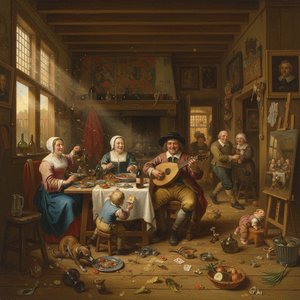
Jan Steen: A Master of Dutch Genre Painting & the Golden Age
Explore the life & art of Jan Steen, a leading Dutch Golden Age painter renowned for his humorous genre scenes & insightful social commentary. Discover his techniques, legacy, and collecting tips.