
 Peržiūrėti realaus dydžio版
 Pasidalinti
 Dalintis
 Išsamiau
 Vadovas

 Atsisiųsti
 Panašūs eksponatai
 Rentgeno spindulių nuotrauka
 Automatinė diorama
 Q&A
Q&A Statistika
The Ford in the River

- 100.0 x 132.0 cm


 Skaityti daugiau
Giclée / Meno spausdinimas
Muziejų lygio „giclée“ arba drobos spausdinimas: greita gamyba ir lankstios apdailos parinktys. ( Pirkti rankų darbo tapybą Perejti prie skaitmeninių vaizdų)




P118B €10

P118H €10

P118W €10

P438Z €10

P508JH €12

P508YH €12

P805H €10

P805Z €10

P919BZ €10

P919G €10

P919XJ €10

P959ZH €10

P968JZ €12

W106C €8

W218G €10

W218JH €8

W218Y €10

W307PJ €10

W316G €10

W316PJ €8

W316Y €10

W398PJ €8

W4111J €10

W500HY €15

W500JH €15

W692G €12

W849H €8

W940BG €15

W953PJ €8




Pasirinkite iš mūsų nustatytų dydžių, atitinkančių originalaus meno kūrinio proporcijas.

Įveskite jums reikiamą plotį ir aukštį, kad atvaizdas derėtų prie jūsų rėmo ar sienos. Spausdiną galima tik sumažinti, bet nepadidinti virš originalaus paveikslėlio dydžio, todėl keičiant proporcijas, dalis vaizdo prarandama. Prieš spausdinimą atsiųsime jums skaitmeninį maketą patvirtinimui. Šioje puslapio nuotraukoje matomas pjūvis nėra tikslus – jį rodo tik maketas.
Pristatymas visame pasaulyje () per 2 weeks, o ne įprastas 4/5 savaičių laikotarpis. (31 spalis)

Nemokamas greitasis pristatymas visame pasaulyje

Aukštos kokybės lininis drobė

Pilnas siuntimo draudimas

Muitinės mokesčių grąžinimo garantija

Tikro spalvų atitikimo garantija

100 dienų grąžinimo politika (tik esant įtaigoms)

100% pinigų grąžinimo garantija

Nuolaida dideliems užsakymams
 Stiklo variantas prieinamas tik pasirinkus dydį iki 110 cm

The Ford in the River
Giclée / Meno spausdinimas
Reprodukcijos matmenys
-


Bendroji kaina
€ 71
A Timeless Encounter with the Dutch Golden Age
In the quiet depths of Jan Baptist Weenix’s 1647 masterpiece, "The Ford in the River," one finds much more than a mere landscape; one discovers a portal into the soul of the Dutch Golden Age. This monumental canvas, currently preserved within the hallowed halls of the Hermitage Museum, serves as a breathtaking testament to an era where art began to bridge the gap between the rugged reality of Northern Europe and the idealized grandeur of the Italian Renaissance. As your eyes wander across the textured surface, you are immediately swept into a scene of pastoral vitality, where the rhythmic pulse of rural life meets the enduring stillness of antiquity.
The composition is a masterclass in narrative depth, presenting a world teeming with anecdotal detail and human connection. At the heart of the river crossing, figures engage in the humble, everyday rituals of 17th-century existence—a horseman pauses in conversation, while nearby, the subtle movements of travelers and livestock create a sense of spontaneous motion. Weenix does not merely observe; he orchestrates a symphony of movement, where the glistening surface of the water and the heavy, brooding clouds above suggest a fleeting moment captured in the amber of time. For the discerning collector or interior designer, this painting offers an unparalleled sense of gravitas, bringing a sophisticated historical weight to any curated space.
The Alchemy of Light and Italianate Vision
What truly elevates Weenix above his contemporaries is his audacious embrace of the Italianate style. Having traveled through Rome, the artist infused the Dutch landscape with a sense of classical majesty that was revolutionary for its time. The presence of architectural ruins—majestic pillars that hint at a lost, glorious past—transforms a simple river ford into a stage for epic contemplation. This juxtaposition of the ephemeral (the flowing water and passing travelers) against the eternal (the stone ruins) invites the viewer to reflect on the cyclical nature of civilization and the persistence of beauty amidst decay.
Technically, the painting is a triumph of chiaroscuro. Weenix utilizes a dramatic interplay between light and shadow to sculpt the landscape, creating a three-dimensional relief that feels almost tactile. The way the late afternoon light catches the white coat of a prominent horse or illuminates the folds of a traveler's garment demonstrates a profound understanding of tonal richness. Through his meticulous use of oil on canvas, Weenix achieves a textural nuance—from the translucent ripples of the river to the coarse texture of animal hides—that continues to captivate the modern eye. To possess a reproduction of such a work is to invite this masterful manipulation of light into one's own environment, fostering an atmosphere of warmth, depth, and intellectual intrigue.
An Emotional Resonance for the Modern Collector
Beyond its technical brilliance, "The Ford in the River" resonates on a deeply emotional level. It evokes a profound sense of tranquility juxtaposed with endeavor. There is a nostalgic pull to the scene, a longing for a world where the pace of life was dictated by the movement of the seasons and the flow of the river. For those seeking to decorate a sanctuary or a professional study, this artwork provides a focal point that is both stimulating and calming. It does not demand attention through loud colors, but rather earns it through its intricate layers of meaning and its ability to transport the viewer to a different century.
Whether you are an art historian drawn to its stylistic evolution or an interior enthusiast looking for a piece that embodies classical elegance, Weenix’s vision remains strikingly relevant. The painting stands as a bridge between eras, blending the scientific realism of the Dutch tradition with the poetic idealism of the South. It is a piece that rewards repeated viewing, revealing new details—a hidden figure, a shift in the cloudscape, a subtle glint of light—each time it is encountered, making it an enduring investment for any collection dedicated to the heights of European art history.
Klausimai ir atsakymai
Kokie yra „The Ford in the River“ reprodukcijos teisės Hermitage muziejus kolekcijoje?
„The Ford in the River“ – Jan Baptistas Vienixas, saugomas Hermitage muziejus kolekcijoje, yra yra viešosios erdvės dalis – jo autorinė teisė pasibaigusi. Šis statusas nulemia, ar galima rengti vaizdo reprodukcijas.
Ar galėčiau pamatyti „The Ford in the River“ – Jan Baptistas Vienixas ant savo sienos prieš pirkdama/pirkdamas?
„The Ford in the River“ – Jan Baptistas Vienixas puslapio Peržiūra papildintajai realybei funkcija naudoja papildytojąjį realybės technologiją, kad suderinamame įrenginyje parodytų kūrinį jūsų erdvėje.
Iš ko ir kokiu stiliumi sukurta „The Ford in the River“?
„The Ford in the River“ sukurta naudojant Oil On Canvas, Dutch Golden Age stiliuje.
Autoriaus biografija
Olandų Aukso amžiaus vizionierius
Jan Baptist Weenix išsiskiria kaip ypatinga figūra Olandų aukso amžiuje, tapęs garsėjantis savo išskirtiniu kruopštumo ir vaizdingos vizijos deriniu. Nors jo kūrybos apimtis buvo gana nedidelė lyginant su tokiais samtarpučių bendrontais kaip Rembrandtas ar Vermeeris, Weenix priskyrimas Olandų meno istorijai yra neabejingas – ypač jo novatoriškas Italijos kraštlandžių tyrimas, įpynintas į žmogaus figūras, sukūrė stilių, kuris keliausias kartas keliava per būsimas kartas. Gimęs 1621 metais Amsterdame, šalia vešlios uosto veiklos, Weenix kilė iš architektų šeimos – ši genealogija tikriausiai suformavo jo kūrybinį mątymą tarp intelektualaus ir struktūrinio to meto laikotarpio transformacijų.
Nepaisant asmeniškų iššūkių – pasakojimuose minima, kad dėl sveikatos problemų jis turėjo sunkumų kalbėti – Weenix turėjo aistringą meilę literatūrai ir menui, kurią puoselėjo motina, aktyviai organizuodama jo mokymąs pas Janą Mickerį, Rembrandtą susijusį su šeima. Šis ankstyvasis mokymasis įsidėmėjo jam disciplinuotu piešimo ir stebėjimo požiūlius, kurie tapo jo kūrybos žyminimo ženklais. Vėliau jis tobulino savo įgūdžius Utrechtuje, dirbdamas su Abrahamu Bloemaert, ir grįžo į Amsterdamą studijuoti pas Claes Corneliszoon Moeyaert, taip užtvirtindamas savo šaknis tarp pagrindinių Olandijos meno sročių.
Kelionė per šviesą ir kraštlandį
Weenix karjeros kryptis buvo iš esmės pakeista jo kelionėmis, ypač nuvykimu į Romą 1643 metais kartu su Nicolaes Pieterszoon Berchem. Ši išvyka leido jam prisitaikyti prie gyvos intelektualinės ir meninės Bentvuegilių gilvės, patirtis, kuri pasvarė jį link platesnio stiliaus spektrumo. Romoje jis priėmė italietiškojo stiliaus dvasią, pasižymintį šiltomis, auksinėmis šviesomis ir klasikiniais kraštlandžiais, kurie nuostabiai kontrastavo su šaltesniais, rimtesniais tradicinio olandų paveikslų tonais. Šis romiečių įtario laikotarpis leido jam meistriškai išmokti „italietiškojo kraštlandžio“ meną, kuriame pietų Europos drąsus grožis buvo perinterpretuojamas per šiaurės europietį akį.
Šio laikotarpio darbai dažnai sujungė klasikinės aplinkos didybę su intymiškais, žmogiškais elementais. Ar tai būtų uosto scenos, šnabždančios apie jūros prekybą, ar platus horizontas, keliantis amžinumo jausmą, Weenix turėjo unikalią gebėjimą įamžinti vietos atmosferą. Jo meistriškumas neapsiribojo tik plačiais horizontais; jis taip pat buvo lygiai meistriškas suimt skiltą, dažnai viską apimtą gyvenimo realybę per savo stilllifus. Jo metinė mga ir gyvūnų vaizdiniai pasižymėjo stingriau realizmu, kuriame kiekvienė tekstūra – nuo kietos medžioklinio šuns kailio iki delikat}$ šviesos plunksų – buvo atvaizduota kvapaudžiu tikslumu.
Realizmo ir meistriškumo palikimas
Jan Baptist Weenix reikšmė slypi jo gebėjime padaryti tiltą tarp grubaus olandų tradicijos realizmo ir idealizuoto italietiškojo judėjimo grožio. Jo universalumas leido jam naviguoti tarp įvairių temų – nuo dramatiško įtamtos, randamos tokiuose darbuose kaip Po medžioklės, iki tylios, beveik liūdna intensyvumo gyvūnų studijų. Per jo štrėbį žiūrovas pakvietiam į pasaulį, kuriame ribos tarp stebėto natūralaus pasaulio ir įsivaizduoto klasikinio praeities gražiai išblėsta.
Reflektuodami apie jo gyvenimą ir kūrybą, galime išskirti keletą pagrindinių elementų, apibrėžiančių jo neblėstantį svarbumą:
- Stiliaus inovacija: Jis buvo pionierius integruojant italietiško kraštlandžio elementus į olandų tradiciją, sukuriant naują vizualinę kalbą savo samtarpučių žmonėms.
- Techninis meistriškumas: Disciplinuotas mokymasis leido pasiekti neįtikėtiną detalumo lygį tiek dideliuose kraštlandžiuose, tiek intymiuose stilllifeuose.
- Universalumas: Jo gebėjimas sklandžiai pereiti nuo uosto scenų ir medžioklės motyvų iki gyvūnų portretų demonstruoja retą talento platumą.
- Istorinė įtaka: Kaip Bentvuegilių narys, jis padėjo puoselėti tarptautinį meninių idėjų mainą, kuris apibrėžė XVII amžiaus meno pasaulį.
Nors jo gyvenimas buvo gana trumpas ir pasibaigė 1661 metais, Jan Baptist Weenix paliktas pėdsakas išlieka matomas kraštlandžių tapimo evoliucijoje. Jis būsimas kartas išmokė, kaip žiūrėti į horizontą ne tik kaip į ribą, bet kaip į audinį šviesai, istorijai ir žmogaus emocijoms.

Jan Baptistas Vienixas
1621 - 1661 , Nyderlandai
Trumpa informacija
- Artistic Movement Or Style: Olandų aukso amžius
- Artists Or Movements Influenced By This Artist: ['Italietiška tapybė']
- Artists Who Influenced This Artist:
- Abraham Bloemaert
- Claes Corneliszoon Moeyaert
- Date Of Birth: Amsterdamas, Nyderlandai (1621)
- Date Of Death: 1661
- Full Name: Jan Baptist Weenix
- Nationality: Olandų
- Notable Artworks:
- Po medžiadavotos
- Kalvis ir jo šuo
- Šuo ir katė šalia dalinai išvidytų]]
- {'Place of birth': 'Amsterdamas'}
Susiję straipsniai

Olandijos Aukso Amžius: 10 Šedevrų, Apibrėžiančių Meną ir Stilių
Atraskite Olandijos Aukso Amži\u017us meninius šedevrus! 10 legendin\u017iŴ paveikslžiai – Rembrandto, Vermeerio ir kt. darbai. Sužnkitę j\u016ungo namus aukso amži\u017us grožiu! Āukrai, interjero dizainas – viskas OriginalUniqueArt.com. Ižirkite kolekciją internete!
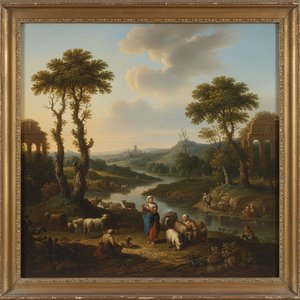
Nicolaes Berchem: Dutch Golden Age Pastoralism & the Evolution of Landscape Painting
Explore the captivating world of Nicolaes Berchem, a leading Dutch Golden Age painter. Discover his idyllic landscapes, masterful technique & lasting influence on art history. Learn more at OriginalUniqueArt.

Golden Light & Dutch Skies: The Timeless Magic of Dutch Golden Age Landscapes
Discover the breathtaking beauty of Dutch Golden Age landscapes. Explore the mastery of light, chiaroscuro, and 17th-century realism through an expert art history lens, celebrating the enduring legacy of the Dutch Masters for discerning collectors and art lovers.

Golden Light & Dutch Skies: Bringing the Magic of Dutch Golden Age Landscapes into Your Home
Transform your home with the breathtaking light of Dutch Golden Age landscapes. Discover how hand-painted oil reproductions of masterworks like Ruisdael and Vermeer bring timeless elegance, atmosphere, and soulful texture to modern interiors. Elevate your space with museum-quality art.
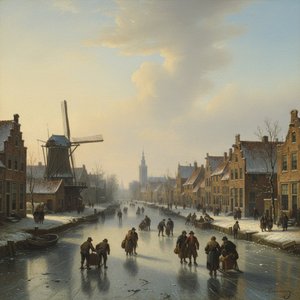
Charles Leickert: Capturing the Dutch Golden Age Light – A Comprehensive Study of Technique, Context, and Legacy
Explore the captivating winter landscapes of Charles Leickert, a master of Dutch Golden Age light & atmosphere. Discover his techniques, symbolism, and lasting legacy – a comprehensive study for art enthusiasts and collectors.