
 Peržiūrėti realybėje
 Pasidalinti
 Dalintis
 Išsamiau

 Atsisiųsti
 Panašūs eksponatai
 Rentgeno nuotrauka
 Automatinė diorama
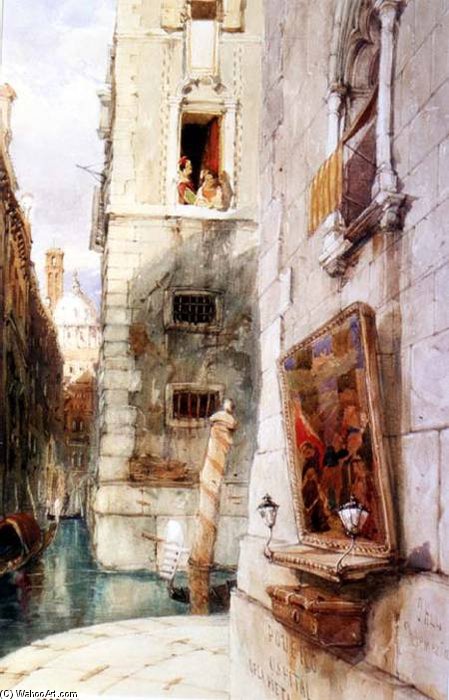
Venice

 Skaityti daugiau
Rankų darbo aliejinės reprodukcijos
Rankiniu būdu tapytas aliejus ant droblio jūsų pageidaujamame dydį ir rėmuose – mūsų menininkų darbas pagal užsakymą. ( Perejti prie spausdinimo Perjungti į vaizdą)




































Pasirinkite iš mūsų nustatytų dydžių, atitinkančių originalaus meno kūrinio proporcijas.

Galite įvesti savo matmenis, kad jie atitiktų konkretų rėmą ar erdvę. Jei pasirinktas dydis neatitinka originalaus paveikslėlio proporcijų, mes arba apkropsime meno kūrinį, arba papildysime tapybą rankomis dažytい elementais. Prieš pradėdami gamybą, jūsų patvirtinimui atsiųsime skaitmeninį maketą.
Atkreipkite dėmesį, kad ekrane rodomas vaizdas neatspindi tikrojo apkarpymo ar papildymo. Tik maketas tiksliai parodys galutinę kompoziciją.
Nors galima rinktis ir individualius dydžius, rekomenduojame pasirinkti matmenis iš nustatytos sąrašo, kad būtų išlaikytos originalios proporcijos.
Gavus užsakymą, OriginalUniqueArt.com komanda susisieks su klientu el. paštu dėl instrukcijų ir pateiks maketo pavyzdį.
Pristatymas visame pasaulyje () per 3–4 savaites, o ne įprastai – per 5 savaites. (6 rugpjūtis). Kokybė lieka nepakeičiama.

Nemokamas greitasis pristatymas visame pasaulyje

Aukštos kokybės lininis drobė

Pilnas siuntimo draudimas

Muitinės mokesčių grąžinimo garantija

Tikro spalvų atitikimo garantija

60 dienų grąžinimo politika (tik esant gamyklinėms defektams)

100% pinigų grąžinimo garantija

Nuolaida už kelias reprodukcijas
 Stiklo variantas prieinamas tik pasirinkus dydį iki 110 cm

Venice
Reprodukcijos technika
Reprodukcijos matmenys
-


Galutinė kaina
$ 300
Autoriaus biografija
Edward Calvert: A Quiet Master of the Early 19th Century
The name Edward Calvert might not immediately resonate with art history enthusiasts, yet his contribution to British printmaking and painting during the early 1800s deserves recognition. Born in Greenlaw, Scotland, on September 20, 1799, into a family steeped in artistic tradition – his father, Charles Willson Peale, was a renowned naturalist and museum curator – Calvert’s life unfolded as a fascinating blend of scientific observation and artistic skill. Unlike the flamboyant figures often associated with the era, Calvert's legacy lies in his meticulous depictions of rural life, particularly scenes of cattle on the Scottish countryside, rendered with an understated elegance and remarkable detail.
Calvert’s early education likely involved exposure to his father’s museum, a hub for collecting and displaying specimens. This immersion in natural history undoubtedly shaped his artistic sensibilities, fostering a keen eye for observation and a deep appreciation for the beauty of the natural world. He formally studied at the Royal Academy in Edinburgh, a common path for aspiring artists of the time, honing his technical skills before embarking on his independent career.
A Life Dedicated to Printmaking
Calvert’s primary medium was watercolor and engraving, techniques he mastered with considerable skill. His most celebrated works depict scenes of rural Scotland, specifically cattle grazing in expansive landscapes. These aren't dramatic, heroic portrayals; rather, they are intimate studies of animals in their natural habitat, capturing the subtle shifts of light, texture, and mood. The compositions are often simple, focusing on the relationship between animal and environment, conveying a sense of tranquility and timelessness.
Unlike many artists of his era who sought fame through grand historical or mythological subjects, Calvert’s focus remained firmly rooted in the everyday. This dedication to depicting ordinary scenes—a farmer tending his flock, cattle browsing in a field—is what distinguishes his work and contributes to its enduring appeal. His prints were not intended for large-scale display; they were created for private collections and circulated amongst a discerning clientele who appreciated his quiet mastery.
Influences and Artistic Style
Calvert’s artistic style is often described as ‘rustic’ or ‘deliberately understated.’ He drew inspiration from the works of earlier landscape painters, particularly those associated with the Scottish School of Landscape painting. However, unlike some of his predecessors, Calvert avoided overtly romanticizing nature. Instead, he presented a more realistic and objective view, emphasizing the inherent beauty of the countryside without resorting to sentimental embellishments.
The influence of his father’s scientific pursuits is also evident in Calvert's work. His meticulous attention to detail—the texture of fur, the movement of hooves, the play of light on water—reflects a naturalist’s eye for observation and accuracy. This combination of artistic skill and scientific rigor is what elevates Calvert’s prints beyond mere depictions of scenery; they are carefully constructed studies of animal behavior and the natural world.
Later Years and Legacy
Edward Calvert continued to work as an artist throughout his life, producing a substantial body of prints and paintings. He remained largely unknown during his lifetime, but his work gradually gained recognition in the 20th century, particularly through the efforts of art historians who appreciated its quiet beauty and understated elegance.
Today, Edward Calvert is recognized as one of the most important printmakers of the early 19th century. His depictions of rural Scotland offer a valuable glimpse into a bygone era, capturing the essence of a landscape that has largely disappeared. His legacy lies not in grand gestures or dramatic scenes, but in his quiet mastery of watercolor and engraving—a testament to the enduring power of observation and artistic skill.
Notable Works
- Cattle on the Ridge of a Hill: Perhaps his most famous work, exemplifying his meticulous attention to detail and ability to capture the essence of rural life.
- Shoreham: A quintessential example of Calvert’s style, showcasing his skill in depicting animals within their natural environment.
- Various other pastoral scenes featuring cattle, sheep, and horses, demonstrating a consistent approach to subject matter and technique.
Calvert's work is held in collections at the Tate Gallery in London and other institutions, ensuring that his quiet contributions to British art continue to be appreciated by generations of viewers.

james holland
1799 - 1870
Trumpa informacija
- Artistic Movement Or Style: Printmaker, Painter
- Date Of Birth: 20 September 1799
- Date Of Death: 14 July 1883
- Full Name: Edward Calvert
- Nationality: English
- Notable Artworks:
- Cattle on the Ridge of a Hill
- Shoreham / The Ancients
- Place Of Birth: England
Susiję straipsniai
James Netherlands: Bridging Romanticism & Realism in 19th-Century Art
Explore the captivating art of James Netherlands (1799-1870). Discover his stunning Venetian scenes & landscapes, bridging Romanticism and Impressionism. Learn about his technique, legacy, and key works like 'Rotterdam' at OriginalUniqueArt.

Slate Blue Masterpieces: 10 Iconic Paintings & Timeless Home Decor Ideas
Immerse yourself in the captivating world of slate blue! Explore 10 iconic paintings by Monet, Van Gogh & Renoir. Discover their stories, techniques & find museum-quality art reproductions for your home at .

Sir Alfred Munnings' Masterpieces: 25 Paintings That Define Equine Art | OriginalUniqueArt
Explore 25 iconic Sir Alfred Munnings paintings! Discover the beauty of British Impressionism, equine art & rural England. Find museum-quality reproductions and elevate your home decor with OriginalUniqueArt. Explore the full collection online.

Giovanni Antonio Canal (Canaletto): A Venetian Master of Light, Space & Societal Observation
Explore the life & art of Giovanni Antonio Canal (Canaletto), a Venetian master renowned for his breathtaking cityscapes. Discover his techniques, legacy, and captivating depictions of 18th-century Venice & London.

Impressionistic Landscapes: 10 Masterpieces That Changed Art & Decor
Journey into the heart of Impressionism! Explore 10 masterpieces by Monet, Renoir & Degas that revolutionized landscape art. Discover their stories, techniques & find museum-quality reproductions to elevate your home decor on OriginalUniqueArt.com.

