Peržiūrėti realaus dydžio版
 Siųsti
 Dalintis
 Išsamiau
 Vadovas

 Atsisiųsti
 Panašūs eksponatai
 Rentgeno spindulių nuotrauka
 Diaporama
 Statistika
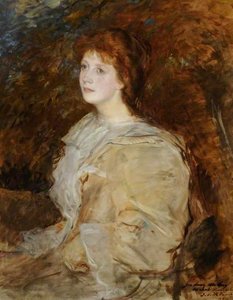
Miss Winny MacEwan


 Rodyti daugiau
Giclée / Meno spausdinimas
Muziejų lygio „giclée“ arba drobos spausdinimas: greita gamyba ir lankstios apdailos parinktys. ( Pirkti rankomis tapytą reprodukciją Perejti prie skaitmeninių vaizdų)




P118B €10

P118H €10

P118W €10

P438Z €10

P508JH €12

P508YH €12

P805H €10

P805Z €10

P919BZ €10

P919G €10

P919XJ €10

P959ZH €10

P968JZ €12

W106C €8

W218G €10

W218JH €8

W218Y €10

W307PJ €10

W316G €10

W316PJ €8

W316Y €10

W398PJ €8

W4111J €10

W500HY €15

W500JH €15

W692G €12

W849H €8

W940BG €15

W953PJ €8




Pasirinkite iš mūsų nustatytų dydžių, atitinkančių originalaus meno kūrinio proporcijas.

Įveskite jums reikiamą plotį ir aukštį, kad atvaizdas derėtų prie jūsų rėmo ar sienos. Spausdiną galima tik sumažinti, bet nepadidinti virš originalaus paveikslėlio dydžio, todėl keičiant proporcijas, dalis vaizdo prarandama. Prieš spausdinimą atsiųsime jums skaitmeninį maketą patvirtinimui. Šioje puslapio nuotraukoje matomas pjūvis nėra tikslus – jį rodo tik maketas.
Pristatymas visame pasaulyje () per 2 weeks, o ne įprastas 4/5 savaičių laikotarpis. (26 spalis)

Nemokamas greitasis pristatymas visame pasaulyje

Aukštos kokybės lininis drobė

Pilnas siuntimo draudimas

Muitinės mokesčių grąžinimo garantija

Tikro spalvų atitikimo garantija

100 dienų grąžinimo politika (tik esant įtaigoms)

100% pinigų grąžinimo garantija

Nuolaida dideliems užsakymams
 Stiklo variantas prieinamas tik pasirinkus dydį iki 110 cm

Miss Winny MacEwan
Giclée / Meno spausdinimas
Reprodukcijos dydis
-


Visų pasirinktų variantų kaina
€ 70
A Glimpse into Belle Époque Elegance
In the quiet, luminous depths of Jacques-Émile Blanche’s 1887 masterpiece, Miss Winny MacEwan, we find more than a mere portrait; we encounter a window into the soul of late 19th-century Parisian high society. The painting captures a moment of profound stillness, presenting a woman seated with an air of contemplative grace that transcends the canvas. As one gazes upon her, there is an immediate sense of intimacy, as if the viewer has stumbled upon a private moment of reflection in a sun-drenched salon. Blanche, a master of capturing the spirit of the Belle Époque, does not simply record a likeness; he orchestrates an atmosphere of refined dignity and subtle melancholy that lingers long after the first encounter.
The subject herself serves as the emotional anchor of the work. Positioned prominently within the frame, her face becomes the focal point where light and shadow perform a delicate dance. Her gaze, directed outward toward the spectator, is hauntingly introspective, hinting at unspoken emotions and a rich inner life. This psychological depth is what elevates the piece from a standard social portrait to a profound study of character, making it an irresistible centerpiece for those who appreciate art that speaks to the human condition.
The Mastery of Impressionistic Light and Texture
Technically, Miss Winny MacEwan is a triumph of Impressionistic sensibility blended with a refined realism. Blanche employs a restrained and sophisticated palette, dominated by muted tones of cream, deep brown, and velvety black. This deliberate choice of color creates a luminous surface that mimics the soft, diffused light filtering through Parisian windows, casting gentle shadows that lend a sculptural three-dimensionality to the subject's features. The artist’s brushwork is characteristically loose yet purposeful, allowing for a textured surface that breathes with life.
For the discerning collector or interior designer, the tactile quality of this painting offers immense visual richness. Blanche demonstrates an acute sensitivity to materiality, meticulously rendering the intricate textures of the era's fashion. One can almost feel the delicate weight of the lace collars and the smooth, luxurious sheen of silk gowns. These fine details are not merely decorative; they contribute to the overall sense of luxury and historical authenticity. The interplay between the organic lines of the subject’s silhouette and the soft, blended backgrounds creates a sense of depth that makes the artwork feel as though it occupies its own physical space within a room.
A Timeless Legacy for the Modern Collector
To possess a reproduction of this caliber is to invite a piece of art history into one's personal sanctuary. Influenced by the legendary techniques of Manet and Whistler, Blanche’s work bridges the gap between the rigid academic traditions of the past and the emotive freedom of modernism. The painting embodies a sense of "quiet luxury"—a concept that remains as relevant in contemporary interior design as it was in 1887.
Whether placed in a formal study, a sophisticated living area, or a curated gallery wall, Miss Winny MacEwan provides a focal point of unparalleled elegance. It offers an aesthetic anchor that complements both classical and modern decor, bringing with it a sense of historical weight and emotional resonance. For those seeking to surround themselves with art that inspires contemplation and celebrates the enduring beauty of the human spirit, this portrait stands as an exquisite choice.
问答 (or more naturally for a website heading): Klausimai ir atsakymai
Kokiam progui „Miss Winny MacEwan“, autorius – Žakas Emil Blanšas siūloma kaip dovana?
„Miss Winny MacEwan“, autorius – Žakas Emil Blanšas rekomenduojamas kaip dovana Anniversary. Šio kūrinio reprodukcija gali būti priskirta kaip patogia siya ra regalo.
Kokio Žakas Emil Blanšas kūrybos etapo dalis yra „Miss Winny MacEwan“?
„Miss Winny MacEwan“ priklauso Žakas Emil Blanšas kūrybos karjeros Mature Period etapui. Ši klasifikacija susietas su kūrinio ryšiu su menininko evoliucija.
Kokias spalvas naudoja „Miss Winny MacEwan“?
„Miss Winny MacEwan“, autorius – Žakas Emil Blanšas spalvų paletė apibūdinama kaip Earthy. Tai glausta kūrinio spalvų aprašoma.
Autoriaus biografija
Ankstyvas gyvenimas ir mokymasis
Žakas Emilė Blanche’as (Jacques-Émile Blanche) gimė 1861 metų sausio 1 dieną Paryžiuje, Prancūzijoje. Kilęs iš garsios gydytojų šeimos, jis užaugo Pasės rajone, kur jį supo turtingos šeimos ir žymūs menininkai. Blanche’o tėvas, Emilė Blanche’as, buvo žinomas patologas, kuris skatino sūnaus artistinius pomėgius. Jaunystėje Žakas-Emilė susipažino su daugybe garsių rašytojų ir tapytojų, įskaitant Eduardą Manet, kuris vėliau turėjo didelės įtakos jo darbams. Nors formalų meno išsilavinimą Blanche’as gavo nedaug – jis mokėsi daugiausia savarankiškai, tačiau lankė Henri Gervex ir Ferdinand Humbert pamokas. 1881 metais vienas jo paveikslų buvo priimtas į Salon des Artistes Français parodą, žymėdama sėkmingos artistinės karjeros pradžią. Per visą gyvenimą Blanche’as nuolat dalyvavo Salono parodose ir eksponavo savo darbus įvairiose prestižinėse draugijose.Kūrybinis kelias ir stilius
Blanche’o kūrybą apibūdino laisvas potepis ir ribota spalvų gama, suteikusi jo portretams ir peizažams unikalų įspūdingumo pojūtį. Jo darbuose galima aptikti ryškius bruožus, primenančius impresionizmą, tačiau jis niekada nepriskirė savęs prie šios mokyklos atstovų. Blanche’as siekė užfiksuoti modelių tiesą, dažnai naudodamas drąsius, ekspresyvius potepius, kad perteiktų jų asmenybes. Jo portretai, ypač elegantiškų moterų ir vyrų atvaizdai, tokie kaip „Marcelio Prousto portretas“, garsėja jais pasižymėjusiu subtilumu ir įžvalgumu. Blanche’o stiliui didelę įtaką padarė Eduardas Manet ir Džeimsas Makneilas Whistleris – du menininkai, kuriais jis labai žavėjosi. Kaip ir jie, Blanche’as bandė perteikti savo modelių esmę, dažnai naudodamas ryškius, išraiškingus potepius, kad atskleistų jų individualumą. Roueno meno muziejuje (Musée des Beaux-Arts) yra įspūdinga Blanche’o darbų kolekcija, demonstruojanti jo gebėjimą subalansuoti tradicijas ir modernizmą.Pagrindiniai darbai ir parodos
Blanche’o reikšmingiems darbams galima priskirti: „Kreutzerio sonata“ – paveikslą, kuriame puikiai atskleidžiama muzikos esmė ir emocijos; „Henri Jameso portretas“ – portretą, pabrėžiantį Blanche’o įgūdžius perteikiant subtilius žmogaus charakterio bruožus; ir „Londono vaizdai“ – paveikslų seriją, demonstruojančią jo meilę miestui ir jo gyventojams. Šie darbai, kartu su daugybe kitų, galima rasti OriginalUniqueArt.com platformoje, kur meno mėgėjai gali detaliai tyrinėti Blanche’o kūrybą. Jo parodos sulaukdavo didelio susidomėjimo ir kritikos dėmesio, o paveikslai buvo įsigyjami svarbių kolekcininkų ir muziejų.Palikimas ir istorinis reikšmės
Žakas-Emilė Blanche’as mirė 1942 metų rugsėjo 30 dieną, palikęs didelį palikimą – elegantiškų impresionistinių paveikslų rinkinį. Jo darbai tebėra švenčiami dėl savo jautrumo, išraiškingumo ir dėmesio detalėms. Kaip tapytojas, rašytojas ir kritikas, Blanche’as padarė reikšmingą įtaką meno pasauliui, įkvėpdamas ateities kartas savo unikaliu stiliumi ir požiūriu. Jo portretai ne tik atspindi jo modelių išorę, bet ir gilina mus į jų vidinį pasaulį, todėl jo darbai yra vertinami iki šiol. Blanche’o kūryba tapo Belle Époque epochos simboliu, o jo paveikslai – svarbiais istoriniais dokumentais, atspindinčiais to meto visuomenės gyvenimą ir kultūrą. Daugiau informacijos apie Žaką-Emilę Blanche’ą galima rasti Vikipedijoje arba tyrinėjant jo kūrybą OriginalUniqueArt.com platformoje.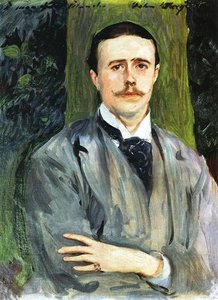
Žakas Emil Blanšas
1861 - 1942 , Prancūzija
Trumpa informacija apie kūrėją
- Gimimo Data: sausio 1 d., 1861
- Gimimo Vieta: Paryžius, Prancūzija
- Meninis Stilius: Impresionizmas
- Mirties Data: rugsėjo 30 d., 1942
- Pilnas Vardas: Jacques Émile Blanche
- Tautybė: Prancūzas
- Įtakoję Menininkai:
- Edouard Manet
- James McNeill Whistler
- Įtakoti Menininkai: ['Thomas Gainsborough']
- Žymiausi Darbai:
- Kreutzerio sonata
- Marcel Prousto portretas
Susiję straipsniai
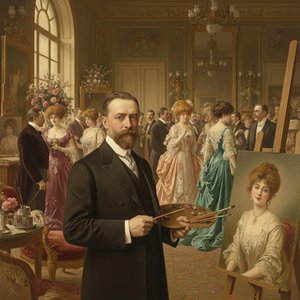
Jacques-Émile Blanche: Capturing Belle Époque Society & the Cult of Personality
Explore the captivating portraits of Jacques-Émile Blanche, a master Impressionist who captured the essence of Belle Époque society in Paris and London. Discover his unique style & lasting legacy.

19th Century Masterpieces: 10 Paintings That Defined an Era | OriginalUniqueArt
Journey through 19th century art with OriginalUniqueArt! Explore 10 iconic paintings – from Monet & Renoir to Courbet – and discover the stories behind Romanticism, Realism & Impressionism. Find museum-quality reproductions for your home decor. Explore the full collection online!

Émile Jean Horace Vernet: Romantic Realism & Depicting 19th-Century Life
Explore the life & art of Émile Jean Horace Vernet, a master of Romantic Realism. Discover his captivating battle scenes, portraits, and Orientalist works – a window into 19th-century France. Learn about his techniques & enduring legacy.
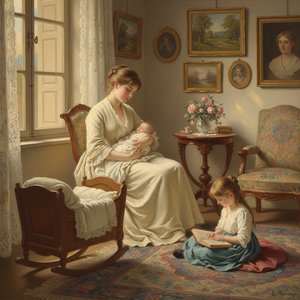
Émile Munier: Capturing 19th-Century French Life with Tender Realism
Discover Émile Munier's tender depictions of 19th-century French life. Explore his Realist style, charming paintings of children & pets, and lasting artistic legacy. Expert insights at OriginalUniqueArt.
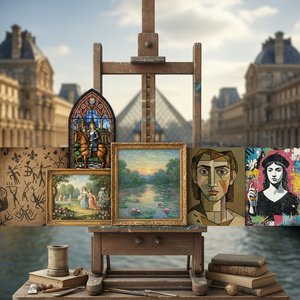
The Enduring Legacy of French Art: Movements, Masters & Cultural Impact
Explore the rich history of French art, from the Salon to Impressionism & beyond. Discover iconic masters, key movements, and expert guidance for collecting timeless masterpieces. OriginalUniqueArt.