

 Peržiūrėti realaus dydžio版
 Siųsti
 Dalintis
 Išsamiau
 Vadovas

 Atsisiųsti
 Panašūs eksponatai
 Rentgeno spindulių nuotrauka
 Diaporama
 Statistika
Ten thousand martyrs
 Oil On Canvas
- WallArt
- Mannerist Expression
 1529
1529 65.0 x 73.0 cm
 Uffizi galerija
 Rodyti daugiau
Giclée / Meno spausdinimas
Muziejų lygio „giclée“ arba drobos spausdinimas: greita gamyba ir lankstios apdailos parinktys. ( Pirkti rankomis tapytą reprodukciją Perejti prie skaitmeninių vaizdų)




P118B €10

P118H €10

P118W €10

P438Z €10

P508JH €12

P508YH €12

P805H €10

P805Z €10

P919BZ €10

P919G €10

P919XJ €10

P959ZH €10

P968JZ €12

W106C €8

W218G €10

W218JH €8

W218Y €10

W307PJ €10

W316G €10

W316PJ €8

W316Y €10

W398PJ €8

W4111J €10

W500HY €15

W500JH €15

W692G €12

W849H €8

W940BG €15

W953PJ €8




Pasirinkite iš mūsų nustatytų dydžių, atitinkančių originalaus meno kūrinio proporcijas.

Įveskite jums reikiamą plotį ir aukštį, kad atvaizdas derėtų prie jūsų rėmo ar sienos. Spausdiną galima tik sumažinti, bet nepadidinti virš originalaus paveikslėlio dydžio, todėl keičiant proporcijas, dalis vaizdo prarandama. Prieš spausdinimą atsiųsime jums skaitmeninį maketą patvirtinimui. Šioje puslapio nuotraukoje matomas pjūvis nėra tikslus – jį rodo tik maketas.
Pristatymas visame pasaulyje () per 2 weeks, o ne įprastas 4/5 savaičių laikotarpis. (26 spalis)

Nemokamas greitasis pristatymas visame pasaulyje

Aukštos kokybės lininis drobė

Pilnas siuntimo draudimas

Muitinės mokesčių grąžinimo garantija

Tikro spalvų atitikimo garantija

100 dienų grąžinimo politika (tik esant įtaigoms)

100% pinigų grąžinimo garantija

Nuolaida dideliems užsakymams
 Stiklo variantas prieinamas tik pasirinkus dydį iki 110 cm

Ten thousand martyrs
Giclée / Meno spausdinimas
Reprodukcijos dydis
-


Visų pasirinktų variantų kaina
€ 70
The Harrowing Vision: Jacopo Pontormo’s “Ten Thousand Martyrs”
Jacopo Pontormo's "Ten Thousand Martyrs," painted in 1529, is not merely a depiction of historical suffering; it’s a visceral plunge into the heart of religious trauma and defiant resistance. This monumental fresco, now rendered in exquisite detail as a hand-painted reproduction by OriginalUniqueArt.com, captures a pivotal moment from early Christian history – the brutal execution of ten thousand soldiers who had converted to Christianity during the reign of Emperor Decius. Far removed from the idealized serenity often associated with Renaissance art, Pontormo’s masterpiece confronts us with an unsettling realism and a profound sense of human drama.
The scene unfolds outdoors, against a backdrop of a brooding sky and a distant, almost mournful hill. At the center stands a single figure – a martyr, identifiable by his flag held aloft in a gesture of unwavering defiance. This isn’t a heroic portrait; he is stripped bare, exposed to the elements and the impending violence. Around him, a vast crowd watches with varying expressions: some filled with horrified pity, others with detached curiosity, and a few with a chilling anticipation of the bloodshed to come. The inclusion of horses amongst the onlookers adds an element of primal chaos, reflecting the brutal nature of the event.
A Bridge Between Styles: Pontormo’s Mannerist Innovation
Born in Pontorme, Tuscany, around 1494, Jacopo Pontormo was a pivotal figure bridging the High Renaissance and the burgeoning Baroque era. Trained under the tutelage of masters like Domenico del Pollaiuolo and Michelangelo Buonarroti – artists known for their anatomical precision and sculptural forms – Pontormo deliberately pushed beyond these established conventions. He embraced emotional intensity and psychological complexity, prioritizing expressive distortion and unsettling perspectives over classical harmony and balance. This is most evident in “Ten Thousand Martyrs,” where figures are elongated, faces contorted with anguish, and spatial relationships deliberately skewed to heighten the dramatic effect.
Pontormo’s use of color is equally striking. He employs a palette dominated by somber browns, deep reds, and muted blues – colors that evoke both the darkness of death and the resilience of faith. The vibrant flag held by the martyr provides a crucial focal point, a symbol of hope and resistance against the overwhelming force of imperial power. The painting’s dynamism is further enhanced through his masterful manipulation of light and shadow, creating an atmosphere of palpable tension and impending doom.
Symbolism and Historical Context
The story depicted in “Ten Thousand Martyrs” draws upon a medieval legend – the tale of Roman soldiers who, after embracing Christianity, were crucified on Mount Ararat. While the historical accuracy of this event is debated, it served as a potent symbol of unwavering faith in the face of persecution. Pontormo’s painting powerfully conveys the emotional weight of this narrative, transforming a potentially dry historical account into a deeply moving meditation on sacrifice and endurance.
The flag itself holds significant symbolic weight. It represents not just individual defiance but also the collective spirit of resistance against tyranny. It's a visual declaration that even in the face of certain death, faith and conviction remain unyielding. The scene resonates with broader themes of religious persecution throughout history, offering a timeless reminder of the human cost of intolerance.
A Reproduction for the Soul
OriginalUniqueArt.com’s hand-painted reproduction captures the essence of Pontormo's original masterpiece with breathtaking fidelity. Every detail – from the tormented expressions on the faces to the dramatic lighting and unsettling spatial arrangements – is meticulously recreated, allowing you to experience the painting’s emotional power firsthand. This isn’t simply a print; it’s an immersive encounter with one of the most compelling works of the Italian Renaissance. Whether displayed in a grand salon or a smaller study, this reproduction will undoubtedly serve as a poignant reminder of human resilience and the enduring power of faith.
Explore the full detail and artistry of “Ten Thousand Martyrs” at https://en.OriginalUniqueArt.com/en/art/jacopo-carucci-ten-thousand-martyrs-dewjfc-en/ and bring this extraordinary work of art into your home.
问答 (or more naturally for a website heading): Klausimai ir atsakymai
Kada buvo sukurta „Ten thousand martyrs“?
„Ten thousand martyrs“, autorius – Jakopo Pontormo sukurtas 1529 m.
Ar „Ten thousand martyrs“ galima peržiūrėti papildydami realybę?
„Ten thousand martyrs“, autorius – Jakopo Pontormo galite išbandyti ant savo sienos naudodami papildytoji realybės funkciją suderinamame įrenginyje per šio kūrinio AR peržiūra puslapį.
Ar „Ten thousand martyrs“ yra vienas populiariausių Jakopo Pontormo kūrinių?
Įrašytas „Ten thousand martyrs“, autorius – Jakopo Pontormo populiarumumo lygis yra Iconic.
Autoriaus biografija
Melancholiškasis vizionierius: Jacopo Pontormo gyvenimas ir palikimas
Jacopo Carucci, istorijoje žinomas evokuojamu pavadinimu Pontormo, buvo menininkas, kurio šluostė į捕捉ėjo patį perėjimo esmę. Gimęs apie 1494 metus nedideliame Toskanos kaimelyje Pontorme, jis ankstyvojo gyvenimo metu patyrė gilią vienatvės ir melancholijos jausmą – savybes, kurios vėliau suteikė jo plėtnoms nepanašų psichologinį gylį. Jaunas mokiniui Florencijoje jis klaidžiojo po kintančių meninių paradigmų pasaulį, galiausiai išryškėdamas kaip viena pagrindinių Florencijos manierizmo judėjimo figūras. Skirtingai nuo Aukštojo Renesanso meistrų, siekusių tobulumo per pusiausvyrą ir matematinę harmoniją, Pontormo žvelgė į vidų, siekdamas išreikšti turbulentį, dažnai nerimą keliantį žmogaus sielos sudėtingumą. Jo formavimo metus lėmė gigantų šešėliai. Po Domenico del Pollaiuolo globos ir monumentalaus Michelangelo Buonarroti įtakos, jis išmokėjo anatominio tikslumo, reikalingo Renesanso meistrui, tačiau jį kėlimas neišvengiamas noras iškraipyti tą pačią realybę dėl emocinio poveikio. Įkvėpimo jis ieškojo ne tik iš skulptūrinės Michelangelo svorio, bet ir iš sudėtingų, emocingų Albrecht Dürer graviūrų. Šis unikali Italijos formos ir Šiaurės Europos ekspresyvaus detalumo sintezis leido jam pradininkauti stiliui, kuriame figūros tarsi prarastų ryšį su gravitacija, plaukėdamos per dviprasmiškas, sapniškas erdvės.Manierizmo architektūra: Stilius ir inovacija
Matyti Pontormo paveikslą yra kaip įlieti į karštą realmą, kuriame įprasti fizikos ir perspektyvos dėsniai yra pakelti. Jo kūrinys reprezekčiuoja tyčinį atsisvajimą nuo ramybės bei perspektivityvios reguliarumo jo pirmtakų. Tokiuose šedevruose kaip „Vizitacija“ arba šiurpioji „Depozicija“, galima pastebėti jo revoliūcinės manieristinės estetikos bruzdus: ilginusias narsas, sulinkusias ir natyralias pozas bei ryškių, beveik rūgščių spalvų paletę, kuri susiduria ir švyti neįprastu, kituviečių šviesos švyti. Jis pakeitė stabilias, trigoninės kompozicijos Renesanso stilius su važingu, susipindulžiu tomis suvedinėmis aranžuotėmis, kurios sukelia nerimingos energijos ir dvasinio nerimo pojūtį. Techninis Pontormo genialumas slyslėjo jo gebėjime naudoti spalvą ir formą kaip psichologinius įrankius. Jo figūros dažnai atrodo plaukdančios neapibrėžtose aplinkose, nesužemotos svorio, taip sukuriant gilaus nesaurumo pojūtį. Tai nebuvo tiesiog meninis triukas; tai buvo tyčinė pastanga perteikti dvasines anxietes toje erai, kuri buvo įtraukta tarp Renesanso užtikrintumo ir artėjančios Baroko dramos. Nesvarbu, ar per dramatišką šviesą jo „Vakarė Emmaus kaimelyje“, ar grytą, emocinį intensyvumą, rastą jo Kristaus studijose, Pontormo kiekvieną traukės panaudojo tyrinėjimui gedimo, atsidavimo ir dieviškumo temoms.Nuolatinė įtampa menų istorijoje
Istorinį Jacopo Pontormo svarbumą neįkeitra apsakyti. Jis tarnavo kaip gyvybiškai svarus tiltas, išversdamas XV amžiaus klasikinę idealų į ekspresyvią, teatrališką kalbą, kuri apibrėžė daugeliui XVI amžiaus meno. Jo įtaka nusvilvo per Florencijos mokyklą, formuojant tokių paskyrėjų kaip Bronzino kūrybą ir užtikrinant, kad įtampa tarp grožio ir dirbtinumo išliktų esminiu dialogu Europos tapyboje. Jo kūrybos eiga išlieka įrodymu apie individualios vizijos galį prieš tradiciją. Per savo portretus, tokius kaip karališka „Cosimo I de' Medici“, ir savo giliai simbolinius religinius kūrinius, jis parodė, kad menas gali būti daugiau nei realybės veidrodžiu; jis gali būti langas į nežinioniąją. Nors jo gyvenimą dažnai šešėliavo asmeninė sielos smerkė, jo spalvų spindesys ir kompozicijų sudėtingumas toliau užburia, kvėdami kiekvieną žiūrėtoją pasiklostyti gražioje, iškraipytoje ir giliai žmogiškoje Florencijos meistro pasaulyje.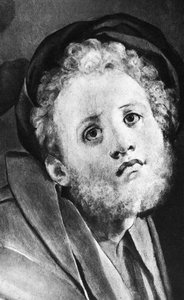
Jakopo Pontormo
1494 - 1557 , Italija
Trumpa informacija apie kūrėją
- Gimimo Data: apie 1494 m.
- Gimimo Vieta: Pontorma, Italija
- Meninis Stilius: Manjerizmas
- Mirties Data: 1557/7 m.
- Pilietybė: Italas
- Pilnas Vardas: Jacopo Pontormo
- Turėjo Įtakos:
- Leonardo da Vinci
- Andrea del Sarto
- Įtakojo:
- Michelangelo
- Rosso Fiorentino
- Žymiausi Darbai:
- Apsilankymas
- Nuėmimas nuo kryžiaus
Susiję straipsniai

Drama & Distortion: The High-Voltage Energy of Baroque Mannerism
Dive into the high-voltage world of Baroque Mannerism. Explore how artists traded Renaissance harmony for dramatic distortion, intense light, and pure visual energy. Discover the masters of tension and learn to bring this bold, cinematic aesthetic into your modern space.

Mannerism: Bridging Renaissance Harmony & Baroque Drama – A Study of Style & Affectation
Explore the fascinating world of Mannerism! Discover its key characteristics, pioneering artists like Pontormo & Bronzino, and its pivotal role in bridging Renaissance harmony to Baroque drama. A comprehensive guide for art enthusiasts.
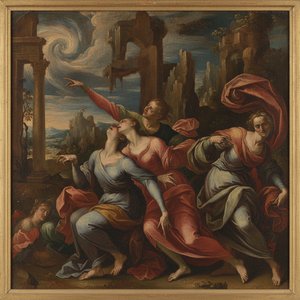
Drama & Distortion: A Journey Through the Captivating World of Baroque Mannerism
Explore the dramatic tension of Mannerism and the opulent grandeur of Baroque art. Discover how masters used light, shadow, and distortion to redefine European history through a captivating journey of emotional intensity and spiritual fervor.

Baroko Dramatizmas: Elegancijos ir Emocijų Įnešimas į Šiuolaikinius Interjerus
Atraskite baroko dramatiškumą! Meno konsultacijos, rankų darbo reprodukcijos ir patarimai, kaip įnešti eleganciją bei emocijas į jūsų interjerą su OriginalUniqueArt.com. Kokybė garantuota!

Drama and Distortion: A Definitive Guide to the Mastery of Mannerism and Baroque Art
Explore the dramatic evolution from Mannerist distortion to Baroque grandeur. Discover how light, shadow, and emotion redefined art history through a masterclass in technical mastery and religious fervor.

