

 Peržiūrėti realaus dydžio版
 Siųsti
 Dalintis
 Išsamiau
 Vadovas

 Atsisiųsti
 Panašūs eksponatai
 Rentgeno spindulių nuotrauka
 Diaporama
 Statistika
Psyche comforted by Pan


 Rodyti daugiau
Giclée / Meno spausdinimas
Muziejų lygio „giclée“ arba drobos spausdinimas: greita gamyba ir lankstios apdailos parinktys. ( Pirkti rankomis tapytą reprodukciją Perejti prie skaitmeninių vaizdų)




P118B €10

P118H €10

P118W €10

P438Z €10

P508JH €12

P508YH €12

P805H €10

P805Z €10

P919BZ €10

P919G €10

P919XJ €10

P959ZH €10

P968JZ €12

W106C €8

W218G €10

W218JH €8

W218Y €10

W307PJ €10

W316G €10

W316PJ €8

W316Y €10

W398PJ €8

W4111J €10

W500HY €15

W500JH €15

W692G €12

W849H €8

W940BG €15

W953PJ €8




Pasirinkite iš mūsų nustatytų dydžių, atitinkančių originalaus meno kūrinio proporcijas.

Įveskite jums reikiamą plotį ir aukštį, kad atvaizdas derėtų prie jūsų rėmo ar sienos. Spausdiną galima tik sumažinti, bet nepadidinti virš originalaus paveikslėlio dydžio, todėl keičiant proporcijas, dalis vaizdo prarandama. Prieš spausdinimą atsiųsime jums skaitmeninį maketą patvirtinimui. Šioje puslapio nuotraukoje matomas pjūvis nėra tikslus – jį rodo tik maketas.
Pristatymas visame pasaulyje () per 2 weeks, o ne įprastas 4/5 savaičių laikotarpis. (23 spalis)

Nemokamas greitasis pristatymas visame pasaulyje

Aukštos kokybės lininis drobė

Pilnas siuntimo draudimas

Muitinės mokesčių grąžinimo garantija

Tikro spalvų atitikimo garantija

100 dienų grąžinimo politika (tik esant įtaigoms)

100% pinigų grąžinimo garantija

Nuolaida dideliems užsakymams
 Stiklo variantas prieinamas tik pasirinkus dydį iki 110 cm

Psyche comforted by Pan
Giclée / Meno spausdinimas
Reprodukcijos dydis
-


Visų pasirinktų variantų kaina
€ 70
A Sanctuary of Myth: The Tender Reunion of Psyche and Cupid
In the grand tapestry of the Flemish Baroque, few moments capture the delicate intersection of divine drama and earthly solace as poignantly as Jacob Jordaens’ “Psyche comforted by Pan.” Painted in 1640, this masterpiece serves as a breathtaking window into a world where the boundaries between the mortal and the mythological blur. The scene unfolds with an intimate grace, recounting the arduous journey of Psyche and her lover, Eros (Cupid). Having endured profound separation and trials imposed by the gods, the painting captures a pivotal moment of respite. As Psyche leans into the protective presence of Pan, the god of the wild, there is a palpable sense of relief—a quiet, breathless pause in the midst of an epic struggle. It is a narrative that transcends its ancient Greek origins to speak directly to the universal human experience of seeking refuge in times of vulnerability.
The composition is a masterclass in emotional architecture. Jordaens does not merely present figures; he orchestrates a symphony of touch and gaze. The positioning of Pan provides a grounding, earthy stability to the scene, acting as a pillar of strength for the ethereal Psyche. Meanwhile, the gentle placement of Cupid’s hand upon her shoulder serves as a divine seal of reassurance, promising that their love is destined to prevail. This subtle interplay of characters creates a layered emotional depth, inviting the viewer to move beyond simple observation and into a state of shared empathy with the subjects on the canvas.
Baroque Mastery: Light, Shadow, and the Flesh
To behold this work is to witness the technical zenith of the Antwerp School. Jordaens, a contemporary of Rubens, utilized the disegno technique to achieve a level of realism that feels almost tactile. Through the meticulous application of oil on canvas, he layered translucent glazes to breathe life into the skin tones, creating a luminous quality that seems to radiate from within the figures themselves. The artist’s command of chiaroscuro—the dramatic tension between deep shadow and brilliant light—is nothing short of transformative. This technique does more than just define form; it sculpts the very emotions of the characters, casting certain features into soft mystery while highlighting the tender expressions of comfort and devotion.
Beyond the central figures, Jordaens weaves an immersive environment that enhances the painting's atmospheric weight. The distant foliage and rugged landscape are not merely backdrops but essential components of the story’s soul, grounding the mythological event in a tangible, natural world. For the discerning collector or interior designer, this piece offers a profound sense of depth and texture. The way the light catches the flowing robes of Psyche and the muscularity of Pan creates a visual richness that can anchor a room, providing both a sophisticated focal point and a source of contemplative beauty.
An Eternal Legacy for the Modern Collector
For those looking to infuse their living spaces with historical significance and emotional resonance, "Psyche comforted by Pan" offers an unparalleled opportunity. This is not merely a decorative element; it is a conversation piece that brings the grandeur of the 17th century into the contemporary era. The painting’s ability to balance the boisterous energy characteristic of Jordaens' style with a profound, quiet intimacy makes it a versatile treasure for any high-end collection.
Whether displayed in a sunlit gallery or a moody, classically appointed study, a high-quality reproduction of this work serves as a testament to the enduring power of the Baroque spirit. It invites the viewer to reflect on themes of resilience, the sanctity of love, and the beauty found in moments of stillness. To possess such an image is to hold a fragment of history that continues to pulse with life, offering a timeless inspiration that resonates far beyond the edges of the frame.
问答 (or more naturally for a website heading): Klausimai ir atsakymai
Kokio Jakobas Jordansas kūrybos etapo dalis yra „Psyche comforted by Pan“?
„Psyche comforted by Pan“ atspindi Jakobas Jordansas kūrybinį laikotarpį Mature Period.
Kaip emocijos ir dovanojimo progos susilieja su kūryiniu darbu „Psyche comforted by Pan“, autorius – Jakobas Jordansas?
Savo Comforting emociniu tonu „Psyche comforted by Pan“, autorius – Jakobas Jordansas rekomenduojamas kaip dovana Valentine's Day.
Kiek intensyvios yra spalvos kūryboje „Psyche comforted by Pan“, autorius – Jakobas Jordansas?
Šiame paveikslėlyje „„Psyche comforted by Pan“, autorius – Jakobas Jordansas“ spalvų intensyvumas yra Balanced.
Autoriaus biografija
Jakobo Jordanso gyvenimas ir kūrybos kelias
Gimusio turtingoje Antverpeno šeimoje 1593 metais, Jokūbas Jordaensas (Jacques Jordaens) greitai iškilo kaip vienas ryškiausių ir spalvingiausių flamandų baroko atstovų. Skirtingai nei daugelis jo bendraamžių, kurie mokymosi patirties ieškojo Italijoje, Jordaensas liko gimtojoje Flandrijoje, sukūręs unikalų, stiprų ir žemišką stilių, šlovinusį kasdienio gyvenimo malonumus ir realijas. Jo tėvas, sėkmingas linų prekybininkas, suteikė jam patogią vaikystę, leidžiančią gauti aukštą išsilavinimą prieš pradėdamas meninę karjerą po Adamo van Noort – taip pat ir Peterio Pauliaus Rubenso mokytojo. Šis pradinės mokymo etapas įskiepijo Jordaensui kruopštaus technikos pagrindus ir aštrų kompozicijos supratimą, tačiau jis greitai nukrypo nuo kelio, kad sukurtų savo savitą braižą. 1616 metais, sutvirtindamas ryšį su įsitvirtinusiu Antverpeno meno pasauliu, jis vedė van Noort dukterį Kathariną.Gyvenimo šventės ir baroko didybė
Jordaenso kūrybinis rezultatas buvo nepaprastai įvairus: religinės istorijos, mitologinės scenos, alegorinės kompozicijos, žanriniai paveikslai, pilni gyvybės, net portretai. Tačiau jis dažniausiai prisimintas dėl savo triukšmingų valstiečių festivalių ir tavernų scenų vaizdų – darbų, spinduliuojančių apčiuopiamą energiją ir nerūpinantį džiaugsmą kasdieniais malonumais. Paveikslai, tokie kaip *Karalius geriasi* (taip pat žinomas kaip Pupelių karaliaus puota), iliustruoja šį būdingą stilių: gausios kompozicijos, užpildytos stipriomis figūromis, įsitraukusiomis į gyvybingas linksmybes, perteiktos šiltomis, ryškiomis spalvomis ir dramatišku šviesotenkiniu kontrastu. Šios scenos nebuvo tik mero gimimo šventės; jos dažnai buvo persmelktos subtilių moralizuojančių potekstų, atspindinčių sudėtingą santykį tarp indulgencijos ir susilaikymo, vyravusį XVII amžiaus visuomenėje. Tačiau Jordaensas taip pat puikiai sekėsi tvarkant didesnius, formalesnius užsakymus. Jo dalyvavimas dekoruojant Huis ten Bosch rūmus netoli Hagos – kartu su bendradarbiavimu su Rubenso tapytojais – parodė jo gebėjimą kurti monumentalius alegorinius darbus, sklandžiai integruojančius tapybą ir architektūrą.Įtakos ir savitas meninis balsas
Nors Jordaensas niekada nekeliavo į Italiją, jį giliai paveikė italų meistrai, tokie kaip Jacopo Bassano, Paolo Veronese ir Caravaggio – atlikėjai, kurių darbai pasiekė Flandriją per graviūras ir kitų menininkų parvežtus paveikslus. Karavadžio įtaka ypač akivaizdi jo dramatiškame šviesos ir šešėlio naudojime, technikoje, žinomoje kaip tenebrizmas, kuri padidina jo scenų emocinį intensyvumą. Tačiau Jordaensas tiesiogiai nekopijavo šių įtakų; jis jas sintetizavo su savo flamandų jautrumu, sukūręs stilių, kuris buvo visiškai unikalus. Jis skyrėsi nuo Rubenso ir van Dycko pirmenybę teikdamas realizmui, o ne idealizmui, priimdami tiesiogą ir rafinuotą požiūrį į žmogaus figūros vaizdavimą. Jo figūros dažnai yra apvalios, net stambios, jų veidai prašvinta sveikata ir gyvybingumu. Šis įsipareigojimas natūralizmui, kartu su jo meistrišku spalvos ir kompozicijos valdymu, atskyrė jį nuo bendraamžių ir įtvirtino kaip pirmaujantį flamandų baroko tapytoją.Palikimas ir nuolatinis poveikis
Per ilgą ir vaisingą karjerą Jordaensas apmokė daugybę mokinių – penkiolika oficialiai užregistruota Šv. Lukos gildijoje tarp 1621 ir 1667 metų, užtikrindamas jo meninio paveldo tęstinumą. Jo įtaka matoma vėlesnių atlikėjų darbuose, tokiuose kaip Jan Steen, kuris dalijosi jo polinkiu vaizduoti gyvybingas žanrines scenas. Be tiesiogios įtakos kitiems tapytojams, Jordaenso klasikomis įkvėptos valstiečių temos turėjo ilgalaikį poveikį meno pasauliui, iššūkius tradicinėms hierarchijoms ir šlovinant kasdienio gyvenimo orumą. Net šiandien jo paveikslai toliau žavi publiką savo energija, gyvybingumu ir sąžiningu žmogaus patirties atvaizdavimu. Jo gebėjimas sujungti realizmą su alegorija, jausmingumą su moraline vertybe ir didybę su intymumu daro jį vienu įtraukiančių ir nuolatinių baroko laikotarpio veikėjų. Atraskite daugiau Jordaenso šedevrų ir tyrinėkite turtingą baroko epochos meno kraštovaizdį naudodamiesi internetiniais ištekliais, įskaitant išsamius jo darbų duomenų rinkinius ir įžvalgias analizę apie jo gyvenimą ir meną.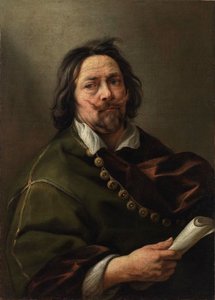
Jakobas Jordansas
1593 - 1678 , Belgija
Trumpa informacija apie kūrėją
- Artistic Movement Or Style: Barokas
- Artists Or Movements Influenced By This Artist: ['Jan Steen']
- Artists Who Influenced This Artist:
- Jacopo Bassano
- Paolo Veronese
- Caravaggio
- Date Of Birth: 1593 m. gegužės 19 d.
- Date Of Death: 1678 m.
- Full Name: Jacob Jordaens
- Nationality: Flamandų
- Notable Artworks:
- Adoracija su piemenimis
- Argusas ir Merkurijus
- Place Of Birth: Antverpenas, Belgija
Susiję straipsniai

The Visceral Stage: Exploring Dramatic Narratives & Emotional Intensity in Baroque Art
Explore the dramatic world of Baroque art! Discover iconic masters like Caravaggio & Rembrandt, their techniques, and the movement's lasting impact. Expert insights for collectors & enthusiasts at OriginalUniqueArt.

Mastering Drama and Light: A Definitive Guide to the Flemish Baroque Art Movement
Explore the dramatic brilliance of the Flemish Baroque movement. Discover how masters like Peter Paul Rubens utilized chiaroscuro and dynamic composition to redefine art history through light, shadow, and unparalleled emotion.

The Dramatic Flourish: Exploring the Baroque Movement's Enduring Legacy in Art History
Explore the dramatic world of Baroque art! Discover iconic artists like Caravaggio & Rubens, defining techniques, and its lasting impact on art history. Expert insights for collectors & enthusiasts at OriginalUniqueArt.

Baroko Dramatizmas: Elegancijos ir Emocijų Įnešimas į Šiuolaikinius Interjerus
Atraskite baroko dramatiškumą! Meno konsultacijos, rankų darbo reprodukcijos ir patarimai, kaip įnešti eleganciją bei emocijas į jūsų interjerą su OriginalUniqueArt.com. Kokybė garantuota!
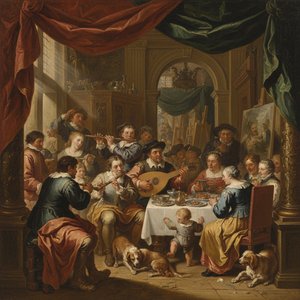
Jacob Jordaens: Baroque Dynamism & Genre Innovation of the Antwerp School
Discover Jacob Jordaens, a leading Flemish Baroque painter renowned for his dynamic compositions & realistic genre scenes. Explore his life, art, and lasting influence with OriginalUniqueArt.

