
 Peržiūrėti realaus dydžio版
 Pasidalinti
 Dalintis
 Išsamiau
 Vadovas

 Atsisiųsti
 Panašūs eksponatai
 Rentgeno spindulių nuotrauka
 Automatinė diorama
 问答
问答 Statistika
The Cloister

- 75.0 x 96.0 cm


 Skaityti daugiau
Giclée / Meno spausdinimas
Muziejų lygio „giclée“ arba drobos spausdinimas: greita gamyba ir lankstios apdailos parinktys. ( Pirkti rankų darbo tapybą Perejti prie skaitmeninių vaizdų)




P118B €10

P118H €10

P118W €10

P438Z €10

P508JH €12

P508YH €12

P805H €10

P805Z €10

P919BZ €10

P919G €10

P919XJ €10

P959ZH €10

P968JZ €12

W106C €8

W218G €10

W218JH €8

W218Y €10

W307PJ €10

W316G €10

W316PJ €8

W316Y €10

W398PJ €8

W4111J €10

W500HY €15

W500JH €15

W692G €12

W849H €8

W940BG €15

W953PJ €8




Pasirinkite iš mūsų nustatytų dydžių, atitinkančių originalaus meno kūrinio proporcijas.

Įveskite jums reikiamą plotį ir aukštį, kad atvaizdas derėtų prie jūsų rėmo ar sienos. Spausdiną galima tik sumažinti, bet nepadidinti virš originalaus paveikslėlio dydžio, todėl keičiant proporcijas, dalis vaizdo prarandama. Prieš spausdinimą atsiųsime jums skaitmeninį maketą patvirtinimui. Šioje puslapio nuotraukoje matomas pjūvis nėra tikslus – jį rodo tik maketas.
Pristatymas visame pasaulyje () per 2 weeks, o ne įprastas 4/5 savaičių laikotarpis. (4 lapkritis)

Nemokamas greitasis pristatymas visame pasaulyje

Aukštos kokybės lininis drobė

Pilnas siuntimo draudimas

Muitinės mokesčių grąžinimo garantija

Tikro spalvų atitikimo garantija

100 dienų grąžinimo politika (tik esant įtaigoms)

100% pinigų grąžinimo garantija

Nuolaida dideliems užsakymams
 Stiklo variantas prieinamas tik pasirinkus dydį iki 110 cm

The Cloister
Giclée / Meno spausdinimas
Reprodukcijos matmenys
-


Bendroji kaina
€ 72
A Window Into the Dutch Landscape Soul
In the quiet expanse of Jacob Isaackszoon van Ruisdael’s "The Cloister," painted around 1650, viewers are invited to step into a world where the boundaries between nature and spirituality dissolve. This masterpiece, a cornerstone of the Dutch Golden Age, offers far more than a mere topographical record of a rural vista; it is a profound meditation on the passage of time and the enduring presence of the divine within the earthly realm. As the eye wanders across the rolling hills and weathered stone, one feels the weight of history and the serene pulse of a landscape that breathes with its own quiet dignity.
The composition is anchored by a weathered stone tower, its crumbling façade acting as a poignant memento mori—a reminder of the inevitable decay that touches all man-made structures. Yet, this sense of fragility is balanced by the vibrant life teeming in the foreground. Figures engaged in the rhythmic, everyday labors of tending livestock and agricultural tasks ground the grandeur of the scene in human reality. This interplay between the monumental architecture and the humble, industrious figures creates a compositional harmony that has captivated collectors and art enthusiasts for centuries.
The Mastery of Light and Atmosphere
Ruisdael was a virtuoso of luminism, a technique that prioritizes the ethereal portrayal of atmospheric effects to evoke a sense of immediate presence. In "The Cloister," the artist captures the fleeting magic of late afternoon sunlight as it filters through a dramatic, cloud-swept sky. The way the warm glow kisses the textured stone of the tower and illuminates the lush greenery creates an illusion of immense depth, pulling the viewer into the very heart of the Dutch countryside. Through subtle gradations of color and meticulous tonal variations, Rulsdael achieves a remarkable precision, rendering the rough texture of rock, the softness of foliage, and the weight of the clouds with equal mastery.
For the discerning interior designer or collector, this painting offers an unparalleled emotional resonance. The dramatic sky, occupying a significant portion of the canvas, provides a sense of movement and energy that can breathe life into any sophisticated space. Whether placed in a sun-drenched gallery or a more somber, contemplative study, the work’s ability to manipulate light makes it a dynamic centerpiece. It does not merely decorate a wall; it transforms an environment, inviting a sense of peace, reflection, and awe.
A Legacy of Humanist Thought
To understand "The Cloister" is to understand the intellectual climate of the 17th-century Netherlands. Painted shortly after Ruisdael’s transformative journey to Germany, the work reflects the burgeoning humanist philosophy and scientific curiosity of the era. The inclusion of classical architectural elements speaks to a fascination with antiquity, while the meticulous realism of the landscape mirrors the period's devotion to empirical observation. The cloister itself serves as a powerful symbol of solitude and spiritual devotion, values deeply embedded in Dutch Calvinist culture.
Owning a high-quality reproduction of this work allows one to possess a fragment of this historical grandeur. It is an investment in a narrative of resilience and beauty—a piece that speaks of the eternal cycle of growth and decay, of the industrious human spirit, and the breathtaking majesty of the natural world. "The Cloister" remains an enduring testament to Ruisdael's ability to capture not just what the eye sees, but what the soul feels.
Klausimai ir atsakymai
Kokia yra „The Cloister“ paletės ryškumas?
„The Cloister“ – Jakobas Isaakszonas Van Ruisdaelis spalvų nasyginimas yra Muted. Nasyginimas apibūdina, kokių spalvos yra ryškių arba išblukusių.
Kokia „The Cloister“ kūrinio rūšis?
„The Cloister“ yra WallArt kūrinys.
Kuriam menininkui priskiriamas kūrinys „The Cloister“?
Kūrinį „The Cloister“ sukūrė Jakobas Isaakszonas Van Ruisdaelis. Darbas katalogizuojamas Jakobas Isaakszonas Van Ruisdaelis vardu.
Autoriaus biografija
Ankstyvas gyvenimas ir karjeros pradžia
Jakobas Isaakszonas van Ruisdaelis, iškiliausias XVII amžiaus Nyderlandų tapytojas, grafikas ir etseris, gimė 1628 metais Harleme. Jis plačiai pripažįstamas kaip aukso amžiaus kraštovaizdžio tapybos pradininkas – laikotarpio, žymimo dideliu turtu ir kultūriniais pasiekimais. Ruisdaelio tėvas, Isaakszonas van Ruisdaelis, taip pat buvo dailininkas, tačiau jo darbai išlikę fragmentiškai, todėl sunku tiksliai įvertinti jo įtaką sūnaus kūrybai. Jaunasis Jakobas greitai parodė talentą piešimui ir tapybai, o jo ankstyvieji darbai atspindi mokymosi etapą, kuriame jis sekė savo amžininkų pavyzdžiu.
Kūrybinis stilius ir svarbiausi darbai
Van Ruisdaelio kūrybą apibūdina universalumas ir didelis produktyvumas. Jis vaizdavo įvairius kraštovaizdžio motyvus – nuo ramių Nyderlandų kaimo peizažų iki dramatiškų kalnų vaizdų, miesto panoramų ir jūrinių scenų. Nuo 1646 metų jis sukūrė daugybę nuostabių Nyderlandų kraštovaizdžių, kurie vėliau įgijo didingesnį charakterį po kelionės į Vokietiją 1650 metais. Kelionė turėjo lemiamą reikšmę jo kūrybai, suteikdama jam naujų įkvėpimo šaltinių ir galimybę pamatyti platesnius kraštovaizdžio horizontus. Vėlesni darbai, sukurti gyvenant ir dirbant Amsterdame, pasižymėjo miesto panoramomis ir jūrų vaizdais, dažnai dangui skiriant du trečdalius drobės ploto. Tai atspindi jo susidomėjimą atmosferos efektų perteikimu ir gamtos didybe.
- “Kritęs medis” – puikus pavyzdys, demonstruojantis Ruisdaelio meistriškumą vaizduojant šviesą ir kompoziciją. Šiame darbe jis subtiliai perteikia gamtos trapumą ir laikinojo grožio temą.
- “Haarlemo vaizdas su balinimų aikštelėmis” – iliustruoja jo gebėjimą užfiksuoti Nyderlandų kraštovaizdžio esmę. Šiame paveiksle Ruisdaelis atspindi miesto gyvenimo ritmą ir kasdienius įvykius.
- “Dam aikštės ir Damrako vaizdas Amsterdame” – pabrėžia jo talentą miestų tapyboje. Šiame darbe jis kruopščiai perteikia miesto architektūrą ir atmosferą, sukuriant įspūdingą panoramą.
Įtaka ir palikimas
Van Ruisdaelio įtaka kraštovaizdžio tapybos tradicijoms yra gili. Jo darbai turėjo didelį poveikį anglų romantikams, Barbizon mokyklai Prancūzijoje ir Hadsono upės mokyklai JAV. Jis įkvėpė daugybę Nyderlandų kraštovaizdžio tapytojų kartas. Ruisdaelio kūryba pasižymi subtiliu emociniu krūviu, gamtos didybės perteikimu ir filosofine interpretacija. Jo darbai ne tik atspindi XVII amžiaus Nyderlandų kraštovaizdį, bet ir kelia universalius klausimus apie žmogaus vietą pasaulyje ir gamtos trapumą.
Vėlesnis laikotarpis ir techninės inovacijos
Ruisdaelio vėlesni darbai pasižymi didesniu dėmesiu dangui ir atmosferos efektams. Jis eksperimentavo su šviesos ir šešėlio kontrastais, siekdamas perteikti gamtos dinamiką ir nuotaikas. Jo tapybos technika buvo labai savita – jis naudojo plonus dažų sluoksnius, sukuriant subtilius perėjimus ir spalvinius niuansus. Ruisdaelis taip pat buvo puikus etseris, kurio grafikos darbai papildo jo tapybos kūrybą. Jo etsai pasižymi didele detalumu ir preciziškumu, atspindint jo meistriškumą piešimo srityje.
Muziejai ir kolekcijos
Van Ruisdaelio darbai yra išsibarstę privačiose ir institucinėse kolekcijose visame pasaulyje. Žymiausios kolekcijos, kuriose galima pamatyti jo kūrinius:
- Nacionalinė galerija Londone.
- Rijksmuseum Amsterdame.
- Ermitažo muziejus Sankt Peterburge.
Van Ruisdaelio darbai yra vertinami už jų meninę kokybę, istorinę reikšmę ir filosofinį turinį. Jis liko vienu iš svarbiausių Nyderlandų aukso amžiaus tapytojų, įkvėpiančiu naujas kartas dailininkų ir meno mėgėjų.

Jakobas Isaakszonas Van Ruisdaelis
1628 - 1682 , Nyderlandai
Trumpa informacija
- Gimimo Data: 1628 m.
- Gimimo Vieta: Haarlem, Nyderlandai
- Meninis Stilius: Olandijos aukso amžius
- Mirties Data: 1682 m.
- Pilietybė: Olandas
- Pilnas Vardas: Jacob Isaackszoon van Ruisdael
- Įtakoję Menininkai: ['Hendrick Vroom']
- Įtakoti Judėjimai: ['Anglų romantizmas']
- Žymiausi Darbai:
- View of Haarlem
- Waterfall landscape
- Amsterdam cityscape
Susiję straipsniai

Olandijos Aukso Amžius: 10 Šedevrų, Apibrėžiančių Meną ir Stilių
Atraskite Olandijos Aukso Amži\u017us meninius šedevrus! 10 legendin\u017iŴ paveikslžiai – Rembrandto, Vermeerio ir kt. darbai. Sužnkitę j\u016ungo namus aukso amži\u017us grožiu! Āukrai, interjero dizainas – viskas OriginalUniqueArt.com. Ižirkite kolekciją internete!

Golden Light & Dutch Skies: The Timeless Magic of Dutch Golden Age Landscapes
Discover the breathtaking beauty of Dutch Golden Age landscapes. Explore the mastery of light, chiaroscuro, and 17th-century realism through an expert art history lens, celebrating the enduring legacy of the Dutch Masters for discerning collectors and art lovers.
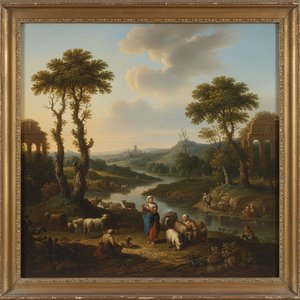
Nicolaes Berchem: Dutch Golden Age Pastoralism & the Evolution of Landscape Painting
Explore the captivating world of Nicolaes Berchem, a leading Dutch Golden Age painter. Discover his idyllic landscapes, masterful technique & lasting influence on art history. Learn more at OriginalUniqueArt.
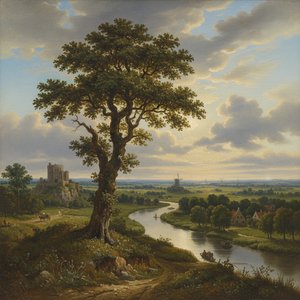
Jacob van Ruisdael: Master of Dutch Landscape & the Evocation of National Identity
Explore the life & work of Jacob van Ruisdael, the preeminent Dutch landscape painter. Discover his technical brilliance, symbolic depth, and lasting influence on art history. Learn about collecting Ruisdael's masterpieces.

Golden Light & Dutch Skies: Bringing the Magic of Dutch Golden Age Landscapes into Your Home
Transform your home with the breathtaking light of Dutch Golden Age landscapes. Discover how hand-painted oil reproductions of masterworks like Ruisdael and Vermeer bring timeless elegance, atmosphere, and soulful texture to modern interiors. Elevate your space with museum-quality art.

