Surrealism · 1938
Scylla (Ithell Colquhoun, 1938)
Ithell Colquhoun (1906–1988) sukūrė Scylla. Šis kūrinys datuojamas 1938 m. Šis kūrinys priklauso Surrealism kieruliui. Pagaminta naudojant Oil. Matmenys – 91 × 61 cm.
- 1938
- Oil
- 91 × 61 cm

 Peržiūrėti

 Rankinio darbo aliejinės imitacijos paveikslas
 Pasidalinti
 Dalintis
 Informacinė lLapelė


 Atsisiųsti
 Panašūs eksponatai
 Rentgeno spindulių nuotrauka
 Automatinė diorama
 Klausimai ir atsakymai

 Statistika
Scylla, trumpai
- Pavadinimas
- Scylla
- Autorius
- Ithell Colquhoun (1906–1988)
- Autorius gimęs
- Shillong, India
- Data
- 1938
- Technika
- Oil
- Dalių matmenys
- 91 × 61 cm
- Judėjimas
- Surrealism
- Laikotarpis
- Modern
- Tema
- rocks, bird, sea, red, brown, stone
Ką vaizduoja Scylla?
The Flesh of the Shore
Two rocky pinnacles rise from a translucent green-blue sea, but they are not stone. They are pink, knobbly, and fleshy, mimicking the anatomy of thighs. The summits are rounded, suggesting the presence of erect penises. Between these pillars, red coral sprouts like pubic hair. A sharp-prowed boat cuts through the water, heading directly toward the opening. The scene is a landscape of the body, where geology and anatomy dissolve into one another.
The Mechanics of the Unconscious
The painting emerged in 1938, a period when the boundaries between the visible world and the hidden mind were being aggressively tested. The work utilizes a specific approach to texture and form, seeking to bypass the rational intellect to reach a deeper, more primal state of being. The composition relies on several key elements:
- The use of pale yet sharp coloring to create a hallucinatory effect.
- The transformation of geological formations into biological tissue.
- The integration of maritime elements with human reproductive symbolism.
- The application of automatic techniques to dictate the flow of organic shapes.
The colors are startling. Red and brown tones define the central forms, contrasting against the cool, clear water. It is a vision of the landscape as a living, breathing organism.
The Liminal Threshold
The work exists in the space between the sea and the skin. It captures a moment of profound biological and spiritual intersection. The bird flying above the rocks adds a sudden pulse of life to the heavy, fleshy pillars. There is a tension in the stillness of the water and the movement of the vessel. The image remains fixed in a state of becoming, caught between the salt of the ocean and the warmth of the blood. The tide is coming in.
Scylla dididraudžios kokybės vaizdai
Autoriška teisė apsaugo: šie failai skirti asmeniniam peržiūrėjimui, o ne perraštiniam naudojimui.
Ithell Colquhoun, Scylla (1938).
Atsakimai į klausimus apie Scylla
Kada buvo sukurta „Scylla“?
„Scylla“ sukurta 1938 m. Ši data leidžia įvardyti kūrinį Ithell Colquhoun kūrybinėje karjeroje bei jo epochoje.
Kokia technika sukurta „Scylla“ – Ithell Colquhoun?
Ithell Colquhoun kūriniui „Scylla“ panaudojo Oil techniką. Ši technika apibrėžė originalaus kūrinio medžiaginę prigimtį.
Kokie yra „Scylla“ – Ithell Colquhoun realūs matmenys?
Originalaus kūrinio „Scylla“ – Ithell Colquhoun matmenys yra 91 x 61 cm.
Kokios temos atsispindi kūrynioje „Scylla“ – Ithell Colquhoun?
„Scylla“ – Ithell Colquhoun vaizdeletas: rocks, bird, sea, red, brown, stone, sky.
Ar „Scylla“ – Ithell Colquhoun vaizdą galima laisvai reprodukcijaoti?
Kalbant apie autorišką teisę, „Scylla“ yra vis dar saugoma autorineje teisėje.
Kas yra „Scylla“ kūrybos autorius?
Kūrinį „Scylla“ sukūrė Ithell Colquhoun. Darbas katalogizuojamas Ithell Colquhoun vardu.
Kokiam meno stiliui priklauso „Scylla“ – Ithell Colquhoun?
„Scylla“ – Ithell Colquhoun priklauso Surrealism stiliui. Ši dailės kryptis suteikia kūriniui stilistinį kontekstą.
Kokio Ithell Colquhoun kūrybos etapo dalis yra „Scylla“?
„Scylla“ atspindi Ithell Colquhoun kūrybinį laikotarpį Surrealist Period.
Kokia buvo Ithell Colquhoun amžius sukuriant „Scylla“?
Kai 1938 m. buvo sukurta „Scylla“, Ithell Colquhoun – gimęs 1906 m. – buvo 32 metų amžiaus.
Apie menininką Ithell Colquhoun

1906–1988, India
Ithell Colquhoun
A Life Between Worlds: The Enigmatic Ithell Colquhoun Born in the distant landscapes of Shillong, Assam, British India, in 1906, Margaret Ithell Colquhoun embarked on a life that would defy easy categorization. Her early years were marked by a profound sense of displacement—a common experience for children of the Raj sent back to England for education. This initial severance from her birthplace instilled within her a lifelong fascination with liminal spaces, both geographical and psychological, which would deeply inform her artistic vision. Educated at Cheltenham Ladies’ College, she demonstrated an early inclination towards esoteric studies, particularly the Kabbalah and occultism—interests that blossomed alongside her burgeoning talent for art.
Taip pat Ithell Colquhoun darbai
 Scene from Marlowe's 'Dr Faustus'1933
 Judith with the Head of Holofernes1929
 Self Portrait1929
 Feroze Mehta1932
Esdai apie Scylla
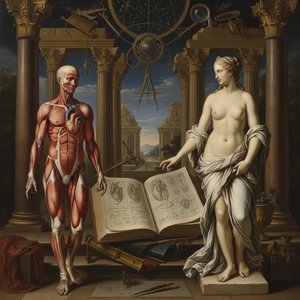 The Architecture of Flesh: A Journey Through Anatomical Mastery in Art HistoryExplore the profound intersection of science and beauty in art history. Discover how masters like Michelangelo used anatomical precision to…
 Spanish artworks of the 1930sIconic Spanish works by Picasso and Dalí define the 1930s. Explore the full collection online at OriginalUniqueArt.com.
 Metaphysical Painting vs. Surrealism: Understanding the DifferenceLearn the key differences between Metaphysical and Surrealist art through expert analysis. Discover the truth behind these iconic movements…