

 Peržiūrėti realybėje
 Pasidalinti
 Dalintis
 Išsamiau

 Atsisiųsti
 Panašūs eksponatai
 Rentgeno nuotrauka
 Automatinė diorama
 Statistika
Samuel Gale (1682–1754)
 Portraiture
 1730
1730 75.0 x 61.0 cm
 Skaityti daugiau
Rankų darbo aliejinės reprodukcijos
Rankiniu būdu tapytas aliejus ant droblio jūsų pageidaujamame dydį ir rėmuose – mūsų menininkų darbas pagal užsakymą. ( Perejti prie spausdinimo Perejti prie skaitmeninio vaizdo)




































Pasirinkite iš mūsų nustatytų dydžių, atitinkančių originalaus meno kūrinio proporcijas.

Galite įvesti savo matmenis, kad jie atitiktų konkretų rėmą ar erdvę. Jei pasirinktas dydis neatitinka originalaus paveikslėlio proporcijų, mes arba apkropsime meno kūrinį, arba papildysime tapybą rankomis dažytい elementais. Prieš pradėdami gamybą, jūsų patvirtinimui atsiųsime skaitmeninį maketą.
Atkreipkite dėmesį, kad ekrane rodomas vaizdas neatspindi tikrojo apkarpymo ar papildymo. Tik maketas tiksliai parodys galutinę kompoziciją.
Nors galima rinktis ir individualius dydžius, rekomenduojame pasirinkti matmenis iš nustatytos sąrašo, kad būtų išlaikytos originalios proporcijos.
Gavus užsakymą, OriginalUniqueArt.com komanda susisieks su klientu el. paštu dėl instrukcijų ir pateiks maketo pavyzdį.
Pristatymas visame pasaulyje () per 3–4 savaites, o ne įprastai – per 5 savaites. (13 rugsėjis). Kokybė lieka nepakeičiama.

Nemokamas greitasis pristatymas visame pasaulyje

Aukštos kokybės lininis drobė

Pilnas siuntimo draudimas

Muitinės mokesčių grąžinimo garantija

Tikro spalvų atitikimo garantija

100 dienų grąžinimo politika (tik esant įtaigoms)

100% pinigų grąžinimo garantija

Nuolaida už kelias reprodukcijas
 Stiklo variantas prieinamas tik pasirinkus dydį iki 110 cm

Samuel Gale (1682–1754)
Reprodukcijos technika
Reprodukcijos matmenys
-


Galutinė kaina
$ 300
Autoriaus biografija
The Knellerian Echo: The Life and Legacy of Isaac Whood
In the vibrant, shifting landscape of eighteenth-century London, few artists captured the dignified essence of the British aristocracy as faithfully as Isaac Whood. Born in 1689 in Lacey, Surrey, Whood emerged not merely as a painter, but as a master craftsman capable of channeling the profound aesthetic power of his era. While history often remembers him through the lens of his influences, Whood carved out a distinct space for himself within the prestigious circles of Lincoln's Inn Fields, establishing a reputation for portraits that resonated with both elegance and psychological depth.
Whood’s artistic journey was shaped by a lineage of greatness. His early training under the legendary William Hogarth provided him with a foundational understanding of the stylistic innovations of the Rococo period, yet it was his subsequent apprenticeship under Sir Godfrey Kneller that would define his creative soul. As a pupil of Kneller, Whood became an expert in the "Knellerian" style—a method characterized by luminous flesh tones, the delicate rendering of drapery, and a masterful command of chiaroscuro. This ability to manipulate light and shadow allowed him to breathe life into his subjects, creating portraits that felt less like static images and more like living presences.
A Mastery of Portraiture and Patronage
The breadth of Whood’s oeuvre, spanning approximately 150 paintings, reveals an artist deeply embedded in the social fabric of his time. He possessed a rare talent for capturing the specific nuances of character, particularly in his portraits of women, which were widely regarded as some of the finest of the period. His career was bolstered by significant aristocratic patronage, most notably from John Russell, the 4th Duke of Bedford. Through this connection, Whood contributed to the grand visual history of Woburn Abbey, painting numerous members of the illustrious Spencer and Russell families.
Whood’s technical repertoire extended beyond mere imitation; he was a painter of profound texture and composition. His works often displayed a restrained palette that eschewed the flamboyant ornamentation common among his contemporaries in favor of a more classical, enduring beauty. Notable examples of his skill include:
- Samuel Gale (1730): A striking depiction of the esteemed physician, where Whood utilizes dramatic lighting to convey a sense of dignified composure.
- Two Boys with Greyhounds: An evocative piece that captures the spirited energy of youth set against the noble, textured presence of the hounds.
- Portrait of a Lady in White Satin: A testament to his ability to render the tactile luxury of fabric and the soft glow of skin through Baroque techniques.
- Elizabeth, Marchioness of Lindsey (1736): A stunning display of exquisite detail and aristocratic grace.
Historical Significance and Artistic Endurance
Though often described as an imitator due to his devotion to Kneller’s aesthetic, such a label fails to capture the true essence of Whood’s contribution to British art. He was a vital custodian of a specific classical tradition, ensuring that the grandeur of the late seventeenth and early eighteenth centuries was preserved through meticulous realism. His work at prestigious institutions, such as Winchester College and Trinity College, Cambridge, serves as a permanent record of the era's intellectual and social elite.
Whood’s death on 24 February 1752 marked the end of a prolific career, yet his influence lingers in the halls of history. By blending the foundational principles learned from Hogarth with the sophisticated portraiture techniques of Kneller, Isaac Whood created a bridge between eras. His paintings remain more than mere historical artifacts; they are windows into the soul of an age defined by grace, status, and an unwavering pursuit of aesthetic perfection.

isaac whood
1689 - 1752
Trumpa informacija
- Artistic Movement Or Style: Godfrey Kneller Style
- Artists Who Influenced This Artist: ['Godfrey Kneller']
- Date Of Birth: 1689
- Date Of Death: 1752
- Full Name: Isaac Whood
- Nationality: English
- Notable Artworks:
- Two Boys with Greyhounds
- Samuel Gale
- Place Of Birth: England
Susiję straipsniai
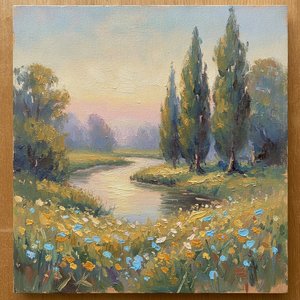
The Timeless Charm of Oil on Board: Reimagining Texture and Light through the Impressionist Lens
Discover the profound intimacy of oil on panel. Explore how Impressionist masters used rigid supports to capture light, texture, and impasto depth through exquisite, handmade oil reproductions for discerning collectors.

Aliejinės tapybos paveldas drobėje: technika, istorija ir šiuolaikinės praktikos subtilybės
Atraskite aliejinės tapybos paslaptis! Istorija, technika, drobės pasirinkimas ir šiuolaikinė praktika. Patarimai meno kolekcionieriams ir kūrėjams iš ekspertų.

Oil on Canvas: A Historical & Technical Exploration of a Timeless Artistic Medium
Explore the rich history & enduring techniques of oil painting on canvas. Discover the science behind its longevity, conservation practices, and contemporary relevance. Expert insights for art enthusiasts.

The Enduring Legacy of Oil on Canvas: Technique, History & Aesthetic Impact
Explore the rich history & techniques of oil painting – from Renaissance masters to Impressionism. Discover pigments, layering methods, and why this timeless medium endures. Expert insights for artists & art enthusiasts.

The Enduring Power of Painting: A Historical & Contemporary Exploration of Form and Emotion
Explore the rich history & enduring techniques of oil painting with OriginalUniqueArt. Discover masterpieces, learn about art collecting, and find authentic handmade reproductions crafted by skilled artists.