

 Siųsti
 Dalintis
 Išsamiau
 Vadovas

 Atsisiųsti
 Panašūs eksponatai
 Diaporama
 Statistika
Magnolia Blossom
 Black and White Photography
- Photo
- Other
 1925
1925- 19th Century
 27.0 x 35.0 cm
 Dulwich Picture Gallery
 Rodyti daugiau
Įsigykite aukštos skiriamosios raiškos, patobulintą skaitmeninį vaizdą, gerokai pranašesnį už internetinę peržiūrą.
Kiekvieną failą mūsų specialistai kruopščiai paruošia naudojant pažangias technologijas ir profesionalų rankinį retušavimą. Užtikriname, kad kiekvienas vaizdas pasižymėtų išskirtiniu aiškumu, tikslia spalvų atspalviu ir smulkiomis detalėmis.
Baigiamas failas el. paštu pristatomas per 72 valandas; jis optimizuotas nedelsiant naudojimui profesionalioje, redakcinėje ir spausdinimo aplinkoje. Tai ta pati kokybė, kuria pasitiki aukščiausios klasės dizaino studijos, leidyklos ir galerijos.
Skaitmeninis vaizdas
Atsisiųskite didelės raiškos failą asmeniniam naudojimui, spausdinimui ir kūrybiniams projektams. ( Perjungti į spausdinimą Pirkti rankomis tapytą reprodukciją)
Kiekvieną skaitinio vaizdo užsakymą papildė
Profesionalus skaitmeninis vaizdų pristatymas, garantuotas
Pasirinkę OriginalUniqueArt.com, jūs ne tik gaunate paveikslėlį – jūs gaunate profesionaliai patobudintą skaitmeninį kūrinį, sukurtą itin tikniai ir užtikrinantį pasitenkinimą. Štai viską, kas automatiškai pritékia jūsų užsakymui:

Greitas nuotraukų gavimas el. paštu
Jūsų aukštos raiškos skaitmeninis vaizdo failas bus išsiųstas el. paštu per 72 valandas nuo užsakymo – jis bus paruoštas naudoti be jokių papildomų veiksmų.

Skaitmeninis failas su dirbtiniu intelektu
Jūsų meno kūrinys profesionaliai optimizuojamas naudojant pažangius dirbtinio intelekto įrankius ir rankinį redagavimą, užtikrinant maksimalią detalę, aiškumą ir spalvų tikslumą.

Nemokamas visam laikui pakartotinis siuntimas
Atsitiktinai ištrytikote ar praradote savo failą? Nebijokite – bet kuriuo metu atsiųsime jį jums vėl nemokamai.

Jokio importo mokesčio – niekada
Mėgaukitės savo meno kūriniu akimirka – skaitiniai failai visada yra neapmokestinami, todėl nereikės mokėti muitinės, mokesčių ar pristatymo mokesčių.

Spalvų tikslumo garantija
Naudodami profesionalią įrangą ir spalvų valdymo sistemas, užtikriname, kad jūsų skaitmeninis vaizdas kuo tiksliau atspindėtų originalias spalvas.

100 dienų patikimumo garantija
Jei nebuvosite patenkinti įsigyto skaitmeninio vaizdo, mes jį tališkai koreguosime arba grąžinsime 100% sumą per 100 dienų – be jokių klausimų.

100% pinigų grąžinimo garantija
Nesitenkinate? Gaukite visą sumokėtą sumą per 100 dienų nuo skaitmeninio failo gavimo – be jokių papildomų klausimų.

Nuolaidos dideliems užsakymams
Pirkti 3 nuotraukas – 10% nuolaida – Pirkti 5 – 15% nuolaida – Pirkti 10 ir daugiau – 20% nuolaida. Puikiai tinka kūrybiniams projektams, galerijoms bei agentūroms.
A Study in Monochrome Grace: The Magnolia Blossom
To gaze upon this photograph of a magnolia blossom is to enter a hushed, intimate world, suspended between shadow and light. It is not merely a picture of a flower; it is an exquisite meditation on form, texture, and the quiet resilience of natural beauty. Imogen Cunningham, whose pioneering lens captured the essence of the Pacific Northwest, presents us here with a composition that demands close contemplation. The entire frame is surrendered to the creamy curves and velvety depths of the petals, creating a visual symphony played out in shades of gray. This black and white rendering strips away the distraction of color, forcing the viewer’s attention onto what truly endures: the perfect architecture of nature.
The Artistry of Light and Shadow
Technically, this piece is a masterclass in tonal gradation. Cunningham employs a soft, diffused light source, seemingly arriving from above and slightly to the left, which sculpts every curve with breathtaking subtlety. Notice how the petals overlap—each edge defined by a delicate line where shadow meets highlight. The contrast between the smooth, almost luminous surfaces of the outer petals and the more complex, tightly packed texture of the central buds is palpable. This meticulous attention to light suggests an almost scientific reverence for the subject matter, elevating the simple act of photographing a flower into high art. It speaks to a photographer’s deep understanding not just of optics, but of *seeing*—of discerning the subtle shift in tone that separates mere depiction from true capture.
Symbolism and Serenity
The magnolia itself has long been associated with purity, nobility, and enduring beauty. In this monochromatic interpretation, those symbolic qualities are amplified. The absence of color lends an air of timelessness; the blossom seems removed from any specific season or moment, existing in a perpetual state of elegant bloom. For the collector or designer, this piece offers more than mere decoration; it is an anchor for tranquility. It whispers of quiet contemplation, inviting one to pause amidst the clamor of daily life and reconnect with a sense of profound, natural serenity.
A Touch of Photographic History
Dating from 1925, this work places us within a pivotal era for American photography, an age when artists like Cunningham were defining what the medium could achieve beyond mere documentation. Her background, rooted in both chemistry and keen observation, is evident here; it is a photograph executed with the precision of a scientific study yet imbued with the soul of fine art. Owning this reproduction allows one to connect directly with that pioneering spirit—the dedication required to transform fleeting natural moments into permanent, tangible works of beauty.
问答 (or more naturally for a website heading): Klausimai ir atsakymai
Ar „Magnolia Blossom“ spalvos atrodo ryškios ar švelnios?
Šiame paveikslėlyje „„Magnolia Blossom“, autorius – Imogen Cunningham“ spalvų intensyvumas yra Monochromatic.
Ar galėčiau „Magnolia Blossom“ peržiūrėti kaip pilno ekrano nuotraukų rodyklę?
„Magnolia Blossom“ diaporamą galite peržiūrėti puslapio Diaporama kūrinio apžvalgoje.
Iš ko sukurta „Magnolia Blossom"]?
„Magnolia Blossom“ sukurta naudojant Black and White Photography.
Autoriaus biografija
Pradiniai metai ir meninio pažadinimas
Imogen Cunningham, viena amerikinės fotografijos pionierių, gimė 1883 m. balandžio 12 d. Oregoje, Porlande, didelėje devyniolikos vaikų šeimoje. Jos ankstyvoji gyvenimo kelionė, pažymėta persikraustymu į Sietą 1 1889 m., suformavo nepriklausomą dvasią ir itin jautrią stebėjimo regą. Nors oficialus meno išsilavinimas jos auklinėjime nebuvo prioritetas, Cunningham savarankiškai mokėsi, demonstruodama prigimtą meninę linkęme nuo mažylės amžiaus. Lemiamas momentas įvyko 1901 m., kai ketvirtajame amžiuje, būdama aštuoniolika metų, ji įsigijo savo pirmąjį aparatą – paštu užsisakytą 4x5 colių formatą su matavimo kamerą. Šis įsigijimas įžvaigždė visą gyvenimą truksiantį aistrą ir paskatino įrengti tamsiąją kambarį šeimos medienos sandėlyje – erdvėje, kurioje ji pradėjo tyrinėti pradinę meno formą, kuri vėliau taps jos karjeros pagrindu. Jos studijos Vašingtono universitete, baigiamos chemijos laipsnio įgijimu 1907 m. su darbo skyriumi fotografijos procesams, atskleidžia ankstyvą supratimą apie pasirinkto medialo mokslinius pagrindus. Šis meninės jautrumo ir techninių žinių derinys tapo jos kūrybos žyminėms požymio. Gilus susitikimas su Gertrude Käsebier fotografijomis tapo ypač įraginantis, sutvirtindamas Cunningham ryžtą fotografiją priimti ne tik kaip hobį, bet ir kaip gyvenimo kelią.Nuo piktorializmo iki modernistinės vizijos
Pradiniai Imogen Cunningham žingsniai į profesionalią fotografiją apėmė stažuojimą su Edward S. Curtis Seattle, kur ji tobulino savo portretų meną ir įsisavino sudėtingą platinos spausdinimo techniką prisidėdama prie jo monumentalaus projekto dokumentuoti Amerikos indėnų kultūją. Vėliau ji įkūrė savo studiją, pradinio etape priimdamą tuo metu vyravusią piktorialistų estetiką – stilių, pasižymintį minkštu fokusą, inscenizuotomis kompozicijomis ir meniniu bandymu emuliuoti tapybą. Šio laikotarpio darbai sulaukė kritikos pagodų, tačiau Cunningham meninė trajektorija toli nedurėjo. Studijų laikotarpis Voklijos Dresde, dirbant su profesoriumi Robertu Lutheriu 1909 m., dar labiau tobulino jos techninį meistriškumą, ypač fotografijos chemijos srityje. Tačiau būtent paskesni dešimtmečiai atrado dramatišką jos požiūrinio pokytį. Susituokimas su Roi Partridge 1915 m. ir triams vaikams auginti skiriamas laikas sutapė su persikraustymu į San Franciską 1920 m., tapant tvirtu lūžio tašku tiek jos asmeniniame, tiek meniniame gyvenime. Kartu su portretų kūrimu, Cunningham pradėjo tyrinėti botanikinę fotografiją, užburta sudėtingų gėlių ir augalų detalių. Šis susižavėjimas evoliucionavo į pramoninių kraštlandžių tyrimą, dokumentuojant fabrikus ir miesto scenas su vis didėjančiu dėmesi į aštrų fokusą ir nemonipuliuotas vaizdus. Lemiamas momentas įvyko 1į930-aisiais, susiejus su „Group f/64“ – kartu su tokiais šviesos šalių luminarais kaip Ansel Adams ir Edward Weston – kolektyvu, skirtais „tiesiai fotografuoti“, prioritetu teikiančiu aiškumui, tikslumui ir atsisakymui nuo piktorialistinių manipuliacijų.Įvairių temų ir techninio meistriškumo palikimas
Per visą savo ilgą ir produktyvę karjerą Imogen Cunningham demonstravo neįtikėtiną universalumą, sklandžiai pereidama nuo vienos temos prie kitos, tačiau išlaikydama nuoseklų įsipareigojimą techniniam tobuliškumui. Ji sugrįžo prie portretų, garsėjusiai fotografuodama menininkų ir muzikantų rankas – užfiksuodama ne tik išorinių bruožų, bet ir charakterį per gestus bei formas. Darbas žurnale Vanity Fair leido jai portretuoti šiuolaikines žvaigždes be jokių dirbtinumo, pateikdama jas jų natūralia būsenoje. Tačiau būtent jos botanikinės studijos galutai įtvirtino jos reputaciją kaip meistriškos fotografės. Tokie vaizdai kaip „Rubber Plant 3“ (1929) ir „Money Plant“ (1956) yra ikoniški pavyzdžiai jos gebėjimo transformuoti paprastus objektus į išskirtinius meno kūrinius, atskleidžiant prigimtinius gamtos pasaulio grožį ir sudėtingumą per kruopščius detalius bei dramatišką apšvietimą. Cunningham stilius pasižymėjo meistrišku šviesos ir šešėlio valdymu, aštriu kompozicijos regu ir nekliudomais atsidavimu aiškumui. Ji ne tiesiog užfiksuodavo tai, ką matė; ji tai interpretavo, į savo fotografijas įkvėpdama emocinį rezonansą ir intelektinę gylį.Istorinė reikšmė ir neblėstantis įtampas
Imogen Cunningham indėlis į amerikietiškąją fotografiją yra milžiniškas ir plačiai išsiękęs. Kaip tikra inovatore, ji meistriškai naviguojo evoliucionuojančio šio meno pasaulyje, priimdama tiek piktorializmo menines ambicijas, tiek modernistines tiesios fotografijos principus. Jos darbai iššūkė konvencionalius grožio suvokimus ir išplėtė fotografinės išraiškos ribas. 1975 m. įsteigtas Imogen Cunningham Trust pabrėžė jos siekį išsaugoti ir skatinti savo palikimą būsimoms kartoms. Nors ji mirė 1976 m., jos įtampas šiandien vis dar rezonuoja su fotografais. Ji stovi kaip įrodymas meninės vizijos, techninio įgūdžio ir nekliudomos atsidavimo galios – pionierė, kuri padėjo suformuoti fotografijos meno vystymą ir paliko neištrinamas žymą vizualios kultūros istorijoje. Jos gebėjimas rasti grožį kasdienybėje, atskleisti neįtikėtiną viduje paprastumo – išlieka šaltiniu įkvėpimo tiek menininkams, tiek žiūrėtojams. Cunningham kūryba nėra tiesiog apie tai, ką ji fotografavo; ji yra apie tai, kaip ji matė pasaulį.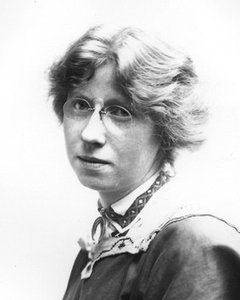
Imogen Cunningham
1883 - 1976
Pagrindinė informacija
- Artistic Movement Or Style: Piktorializmas, Modernizmas
- Artists Or Movements Influenced By This Artist: ['Group f/64']
- Artists Who Influenced This Artist: ['Gertrude Käsebier']
- Date Of Birth: 1883 m. balandžio 12 d.
- Date Of Death: 1976 m.
- Full Name: Imogen Cunningham
- Nationality: Amerikos United )$
- Notable Artworks:
- Self Portrait
- Money Plant
- Rubber Plant 3
- Place Of Birth: Portlandas, JAV