
 Peržiūrėti realybėje
 Pasidalinti
 Dalintis
 Išsamiau

 Atsisiųsti
 Panašūs eksponatai
 Rentgeno nuotrauka
 Automatinė diorama
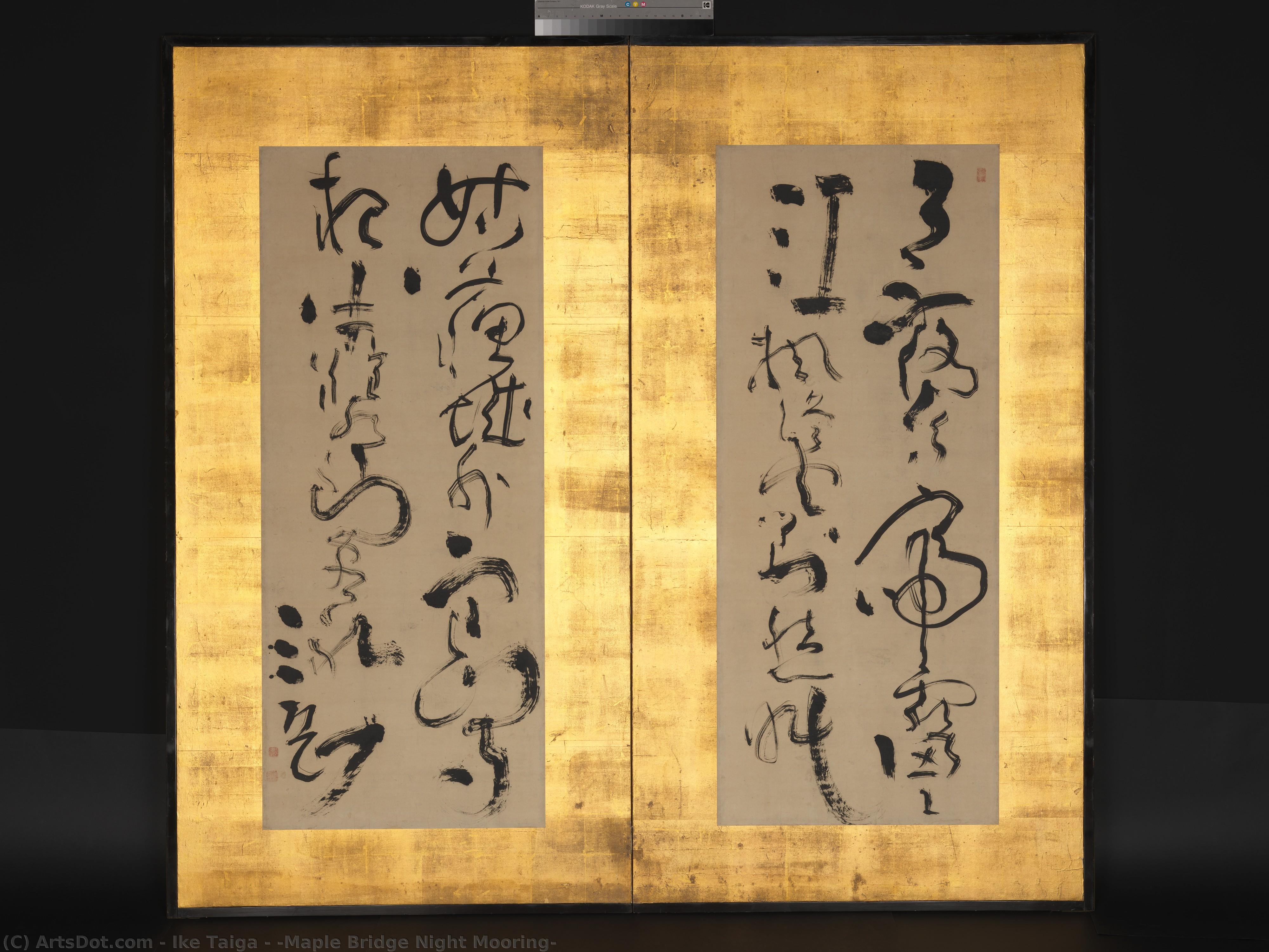
"Maple Bridge Night Mooring"
 1770
1770 135.0 x 56.0 cm
 Skaityti daugiau
Įsigykite aukštos skiriamosios raiškos, patobulintą skaitmeninį vaizdą, gerokai pranašesnį už internetinę peržiūrą.
Kiekvieną failą mūsų specialistai kruopščiai paruošia naudojant pažangias technologijas ir profesionalų rankinį retušavimą. Užtikriname, kad kiekvienas vaizdas pasižymėtų išskirtiniu aiškumu, tikslia spalvų atspalviu ir smulkiomis detalėmis.
Baigiamas failas el. paštu pristatomas per 72 valandas; jis optimizuotas nedelsiant naudojimui profesionalioje, redakcinėje ir spausdinimo aplinkoje. Tai ta pati kokybė, kuria pasitiki aukščiausios klasės dizaino studijos, leidyklos ir galerijos.
Skaitmeninis vaizdas
Atsisiųskite didelės raiškos failą asmeniniam naudojimui, spausdinimui ir kūrybiniams projektams. ( Perejti prie spausdinimo Perejti prie rankinio darbo paveikslėlio)
Kiekvieną skaitinio vaizdo užsakymą papildė
Profesionalus skaitmeninis pristatymas, garantuotas
Pasirinkę OriginalUniqueArt.com, jūs ne tik gaunate paveikslėlį – jūs gaunate profesionaliai patobudintą skaitmeninį kūrinį, sukurtą itin tikniai ir užtikrinantį pasitenkinimą. Štai viską, kas automatiškai pritékia jūsų užsakymui:

Greitas siuntimas el. paštu
Jūsų aukštos raiškos skaitmeninis vaizdo failas bus išsiųstas jums el. paštu per 72 valaudas nuo užsakymo – paruoštas naudojimui be jokių papildomų veiksmų.

Skaitmeninis failas su dirbtiniu intelektu
Jūsų meno kūrinys profesionaliai optimizuojamas naudojant pažangius dirbtinio intelekto įrankius ir rankinį redagavimą, užtikrinant maksimalią detalę, aiškumą ir spalvų tikslumą.

Nemokamas visam laikui pakartotinis siuntimas
Atsitiktinai ištrytikote ar praradote savo failą? Nebijokite – bet kuriuo metu atsiųsime jį jums vėl nemokamai.

Jokio importo mokesčio – niekada
Mėgaukitės savo meno kūriniu akimirka – skaitiniai failai visada yra neapmokestinami, todėl nereikės mokėti muitinės, mokesčių ar pristatymo mokesčių.

Spalvų tikslumo garantija
Naudodami profesionalią įrangą ir spalvų valdymo sistemas, užtikriname, kad jūsų skaitmeninis vaizdas kuo tiksliau atspindėtų originalias spalvas.

60 dienų pasitenkinimo garantija
Jei nebuvate patenkinti savo skaitinio vaizdo, per 60 dienų jį pertaisysime arba grąkinsime 100% sumą – be jokių klausimų.

100% pinigų grąžinimo garantija
Nepat 만족inti? Gaukite visą sumokėtą sumą per 60 dienų nuo skaitmeninio failo gavimo – be jokių papildomų klausimų.

Nuolaidos dideliems užsakymams
Pirkti 3 nuotraukas – pasiūla 10% - Pirkti 5 – pasiūla 15% - Pirkti 10 ir daugiau – pasiūla 20%. Puikiai tinka kūrybiniams projektams, galerijoms bei agentūroms.
Kolekcinio objekto aprašymas
Autoriaus biografija
Ike no Taiga: Bridging Tradition and Innovation in Edo Period Landscape Painting
Ike no Taiga (1723-1776) stands as a monumental figure within the *bunjinga* tradition—a uniquely Japanese form of literati painting that flourished during the Edo period. More than just an artist, he embodied the spirit of his time, skillfully blending classical Chinese aesthetics with groundbreaking experimental techniques to produce works that continue to resonate with collectors and scholars alike. His life story itself is a testament to perseverance and intellectual curiosity, shaping him into one of the most influential painters of his era. Born into humble circumstances—his father a farmer on the outskirts of Kyoto—Taiga’s early life was marked by hardship. The family moved to Kyoto shortly before his birth, seeking refuge from famine conditions, and his father's employment at the silver mint afforded them modest financial stability. Tragically, he passed away when Taiga was just three years old, leaving his widowed mother to raise him with unwavering devotion. Remarkably, she prioritized his education, securing tutors who instilled in him a profound understanding of both Japanese and Chinese disciplines—a foundation that would prove crucial to his artistic development. By the age of six, he began formal training at Manpuku-ji Zen Temple, fostering connections that would endure throughout his life, grounding him in Buddhist philosophy and shaping his contemplative approach to artmaking. Taiga’s artistic journey commenced professionally at fourteen, establishing a fan painting workshop where he honed his craft alongside fellow artists and collectors. A pivotal encounter with Yanagisawa Kien—a prominent social and artistic patron—introduced him to the vibrant *bunjinga* circle of Kyoto, propelling him toward collaborations that would solidify his reputation as a leading figure in Japanese art. Notably, Taiga’s formative influence stemmed from Yi Fujiu (j: i fukyū), a Chinese painter specializing in landscape depictions who taught Taiga innovative painting methods—documented extensively in *Yi Fujiu Ike no Taiga Sansui Gafu* (1803). This manual became the cornerstone of Taiga's artistic style, reflecting the pervasive impact of Chinese art on Edo period aesthetics.- Key Characteristics: Taiga’s paintings are characterized by a masterful fusion of meticulous observation and expressive brushwork. He meticulously rendered landscapes—often featuring mountains, rivers, and trees—capturing subtle nuances of light and atmosphere with remarkable precision.
- Technique: Unlike many of his contemporaries who adhered strictly to established conventions, Taiga experimented with techniques that pushed the boundaries of *bunjinga*. He employed “finger painting”—a method where pigment is applied directly onto paper using fingertips—creating textured surfaces and conveying a sense of immediacy and spontaneity.
- Notable Works: Among his celebrated compositions are "Landscape with Tower," "Fishing Boat on Reed Covered Bank and Calligraphy," and “Finger Painting of a Landscape,” each exemplifying Taiga’s distinctive style and demonstrating his ability to capture the essence of nature in evocative imagery.

Ike Taiga
1723 - 1776
Trumpai apie šį kūrėją
- Artistic Movement Or Style: *Bunjinga* (Literati Painting)
- Artists Or Movements Influenced By This Artist: Yanagisawa Kien
- Artists Who Influenced This Artist: Yi Fujiu
- Date Of Birth: 1723
- Date Of Death: 1776
- Full Name: Ike no Taiga
- Nationality: Japanese
- Notable Artworks:
- Landscape with Tower
- Finger Painting of a Landscape
- Fishing Boat on Reed Covered Bank and Calligraphy
- Place Of Birth: Kyoto, Japan

