Peržiūrėti realaus dydžio版
 Siųsti
 Dalintis
 Išsamiau
 Vadovas

 Atsisiųsti
 Panašūs eksponatai
 Rentgeno spindulių nuotrauka
 Diaporama
 Statistika
GERARD EDELINCK


 Rodyti daugiau
Giclée / Meno spausdinimas
Muziejų lygio „giclée“ arba drobos spausdinimas: greita gamyba ir lankstios apdailos parinktys. ( Pirkti rankomis tapytą reprodukciją Perejti prie skaitmeninių vaizdų)




P118B €10

P118H €10

P118W €10

P438Z €10

P508JH €12

P508YH €12

P805H €10

P805Z €10

P919BZ €10

P919G €10

P919XJ €10

P959ZH €10

P968JZ €12

W106C €8

W218G €10

W218JH €8

W218Y €10

W307PJ €10

W316G €10

W316PJ €8

W316Y €10

W398PJ €8

W4111J €10

W500HY €15

W500JH €15

W692G €12

W849H €8

W940BG €15

W953PJ €8




Pasirinkite iš mūsų nustatytų dydžių, atitinkančių originalaus meno kūrinio proporcijas.

Įveskite jums reikiamą plotį ir aukštį, kad atvaizdas derėtų prie jūsų rėmo ar sienos. Spausdiną galima tik sumažinti, bet nepadidinti virš originalaus paveikslėlio dydžio, todėl keičiant proporcijas, dalis vaizdo prarandama. Prieš spausdinimą atsiųsime jums skaitmeninį maketą patvirtinimui. Šioje puslapio nuotraukoje matomas pjūvis nėra tikslus – jį rodo tik maketas.
Pristatymas visame pasaulyje () per 2 weeks, o ne įprastas 4/5 savaičių laikotarpis. (25 spalis)

Nemokamas greitasis pristatymas visame pasaulyje

Aukštos kokybės lininis drobė

Pilnas siuntimo draudimas

Muitinės mokesčių grąžinimo garantija

Tikro spalvų atitikimo garantija

100 dienų grąžinimo politika (tik esant įtaigoms)

100% pinigų grąžinimo garantija

Nuolaida dideliems užsakymams
 Stiklo variantas prieinamas tik pasirinkus dydį iki 110 cm

GERARD EDELINCK
Giclée / Meno spausdinimas
Reprodukcijos dydis
-


Visų pasirinktų variantų kaina
€ 70
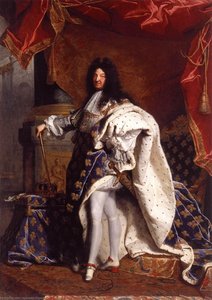
A Portrait of Prestige: Hyacinthe Rigaud’s Masterpiece of Gerard Edelinck
Hyacinthe Rigaud's "Portrait of Gérard Edelinck," painted circa 1698, is more than just a likeness; it’s a meticulously crafted window into the opulent world of 18th-century French nobility. This captivating work, now residing within the Louvre Museum in Paris, exemplifies Rigaud’s signature style – a harmonious blend of Baroque grandeur and refined realism that secured his place as one of France's most celebrated portrait painters. The painting immediately draws the eye with its rich palette dominated by warm reds, deep browns, and subtle golds, creating an atmosphere of wealth and authority. Rigaud masterfully employs light to sculpt Edelinck’s face, highlighting the contours of his features and conveying a sense of dignified composure.
The composition itself is a testament to Rigaud's skill. The subject, Gérard Edelinck, a prominent calligrapher (a ‘Caligraphus’ as indicated by inscriptions on the painting), occupies a central position within a relatively shallow space. His gaze meets the viewer directly, establishing an immediate and engaging connection. The arrangement is remarkably symmetrical, reflecting the formal conventions of portraiture at the time while simultaneously imbuing the scene with a sense of balance and stability. Notice how Rigaud subtly incorporates textual elements – Latin inscriptions framing the piece – that further elevate Edelinck’s status and underscore the painting's purpose as a commemorative artwork.
The Baroque Brushstroke: Technique and Detail
Rigaud’s technique is characterized by an extraordinary level of detail and a masterful manipulation of light and shadow. He achieves this through layers of carefully applied oil paint, creating smooth transitions between tones and subtly modeling the forms of Edelinck's face, clothing, and wig. The wig itself—a towering confection of curls and powdered hair—is rendered with remarkable precision, showcasing Rigaud’s ability to capture texture and volume. Observe how he uses delicate brushstrokes to define the folds of the coat, the sheen of the fabric, and the subtle wrinkles around Edelinck's eyes – details that contribute significantly to the painting’s lifelike quality.
The use of color is equally impressive. Rigaud doesn’t simply apply pigments; he orchestrates them, creating a harmonious interplay of hues that enhances the overall effect. The warm tones evoke feelings of warmth, wealth, and sophistication, while the cooler shades in Edelinck's skin provide a subtle contrast. Furthermore, Rigaud expertly employs chiaroscuro – the dramatic use of light and shadow – to create depth and volume, drawing attention to key features and adding a sense of drama to the scene.
Symbolism and Context: A Reflection of Status
Beyond its technical brilliance, “Portrait of Gérard Edelinck” is rich in symbolism. The elaborate attire—the richly embroidered coat, the ornate wig—is not merely decorative; it’s a visual declaration of status and wealth. In 18th-century France, clothing was a powerful symbol of social standing, and Rigaud meticulously rendered these symbols to convey Edelinck's position within society. The inclusion of the Latin inscription further reinforces this message, elevating Edelinck’s importance and commemorating his achievements.
The painting also reflects the broader cultural context of the time. Rigaud was a court painter, deeply embedded in the world of French aristocracy. His portraits were commissioned to celebrate individuals of prominence – nobles, diplomats, scholars, and artists—and served as powerful tools for asserting social influence and commemorating important events. The portrait’s meticulous detail and formal composition reflect the prevailing artistic standards of the Baroque period, which emphasized grandeur, drama, and a celebration of human achievement.
A Timeless Masterpiece: Emotional Impact and Legacy
“Portrait of Gérard Edelinck” transcends its historical context to offer a profound insight into the human condition. Edelinck’s direct gaze invites us to connect with him on a personal level, while his dignified posture conveys a sense of self-assurance and authority. Rigaud masterfully captures not only Edelinck's physical appearance but also his inner character—his intelligence, ambition, and social standing. The painting is a testament to the power of portraiture to immortalize individuals and preserve their legacy for posterity.
Today, this remarkable work continues to captivate viewers with its technical brilliance, historical significance, and emotional resonance. It stands as a shining example of Hyacinthe Rigaud’s genius—a masterpiece that embodies the spirit of 18th-century France and remains a source of inspiration for artists and art lovers alike.
问答 (or more naturally for a website heading): Klausimai ir atsakymai
Kokios nacionalinės kilmės šaknys slypi „GERARD EDELINCK“ Baroque Portraiture?
Baroque Portraiture stiliaus kūrinys „GERARD EDELINCK“ sukurtas menininko, gimęs Prancūzija.
Koks spausdinimo dydis ir orientacija rekomenduojami kūriniui „GERARD EDELINCK“, autorius – Hiacintas Riga?
Dėl „GERARD EDELINCK“ rekomenduojamas spausdinimo nustatymas yra Medium dydžio ir Portrait orientacijos.
Kur šiandien galima pamatyti kūrinį „GERARD EDELINCK“, autorius – Hiacintas Riga?
Originalų kūrinį „GERARD EDELINCK“ galite pamatyti Liuvro muziejus, Paris, France muziejuje.
Autoriaus biografija
Hyacinthe Rigaud: Gyvenimas ir palikimas
Hyacinthe Rigaud (1659–1743) buvo iškilmingas katalonų kilmės Prancūzijos baroko paveikslų meistras, garsėjantis savo meistriškais portretais, kurie įamžino XVIII amžiaus Prancūzijos aristokratijos ir mados esmę. Jo kūryba išlieka neįkainojama indėlis į portretavimo istoriją.
Pradiniai metai ir mokslas
Gimęs 1659 m. liepos 18 d. Prancūzijos Perpiganje, Rigaud asmens kilmė buvo glaudžiai susijusi su menu – jo senelis buvo paveikslų dažytojas ir aukasininkas. Pradėjęs mokytis siuvėjo amatą savo tėvo dirbtuvėse, jis netrukus atraso aistrą tapinti paveikslus. Nuo 1 671 m. jis tobulino savo įgūdžius Montpeliers mieste dirbdamas su Antoine'u Ranc'u. 1675 m. persikėlus į Lioną, jis susidūrė su flamandų, olandų ir Italijos meistrų kūriniais, kurie paveikė jo būsimą meninį žingsnį.
Meninė plėtra ir įtaginiai veikėjai
Rigaud meno evoliuciją kruopščiai formavo susipažinimas su senaisiais meistrais. Jis giliai žavėjosi ir kūrinį įkvėpė:
- Peter Paul Rubens: dėl jo dinamiškų kompozicijų ir prabangaus spalvų paletės;
- Anthony van Dyck: dėl jo elegantiško portretavimo ir subtilaus technikos meistriškumo;
- Rembrandt: dėl meistriško šviesos ir šešėlio naudojimo bei psichologinio gylio;
- Titian: dėl jo gyvybingų spalvų ir išraiškingu traukų.
Atvykęs į Paryžių 1681 m., jis 1682 m. laimėjo prestižinę *prix de Rome* stipendiją, tačiau nusprendė nekeliauti į Italiją, rinkdamasis tobulinti savo talentą tiesiog Prancūzijoje.
Karjera ir didieji pasiekimai
Rigaud greitai užsitikrino lyderio poziciją Paryžiaus portretistų tarpe. Jo paveikslai buvo garsėjantys itin kruopščiu detalumu – jis sugebėjo įamžinti ne tik asmenybės panašumą, bet ir audinių tekstūras bei aplinkos prabangą. 1700 m. jis buvo priimtas į Académie royale de peinture et de mūsų sculpture ir galiausiai pasiekė aukščiausią institucijos pareigą prieš pasitraukdamas nuo veiklos 1735 m.
Žinomus darbus apima:
- Laukinio XIV portretas (1701): galbūt jo garsiausias kūrinys, rodantis Saulės karalių visame jo karališkame prabrėžime;
- Madame Rigaud dviejose skirtingose pozicijose: dvigubas portretas, demonstruojantis jo gebėjimą įamžinti asmenybę ir eleganciją;
- Išplatus prancūzų aristokratijos portretų rinkinys, tapęs neįkainojamu šiuolaikinės mados ir socialinės statuso archyvu.
Stilius ir technika
Rigaud stiliui būdingi šie elementai:
- Realizmas: siekis tiksliai atvaizduoti savo paveikslavimo objektus;
- Detalumas: kruopštus dėmesys audiniams, papuošalams ir kitoms detalėms;
- Lūžis į idealumą: jis dažnai vaizdavo savo modelius idealizuotai, pabrėždamas jų statusą ir išvaizdą;
- Baroko grandioziškumas: naudojant prabangias spalvas, dramatišką apšvietimą ir puošnius fonus.
Istorinė reikšmė
Hyacinthe Rigaud portretai yra unikali „langas“ į XVIII amžiaus Prancūzijos pasaulį. Jo kūriniai nėra tik paveikslai – tai istoriniai dokumentai, atskleidžiantys daug apie to laikmetio socialinius papročius, politinę galią ir meninį skonį. Jis tapo būtinybe prancūzų elitos portretininku, užtvirtindamas savo vietą kaip pagrindinėje meno istorijoje.
Perpiganje esantis Musée Hyacinthe Rigaud saugo ir švenčia jo palikimą, suteikdami lankytojams galimybę išsamiau pažinti jo gyvenimą ir kūrybą. Jo paveikslai ir šiandien yra vertinami dėl savo techninio meistriškumo, istorinės reikšmės ir nesivyliojančio grožio.

Hiacintas Riga
1659 - 1743 , Prancūzija
Trumpa informacija apie kūrėją
- Birth Date: 1659 m. liepos 18 d.
- Birth Place: Perpignan, Prancūzija
- Death Date: 1743 m. gruodžio 29 d.
- Influenced By:
- Rubens
- Van Dyck
- Rembrandt
- Titian
- Movement: Barokas
- Name: Hyacinthe Rigaud
- Nationality: Prancūzų
- Notable Works: ['Laukinio XIV portretas']
Susiję straipsniai
Charles Le Brun: Master of French Baroque Classicism & His Enduring Legacy
Explore the life & art of Charles Le Brun, master of French Baroque Classicism. Discover his royal commissions, influence on Versailles, and enduring legacy through detailed analysis & stunning artworks.

Baroko Dramatizmas: Elegancijos ir Emocijų Įnešimas į Šiuolaikinius Interjerus
Atraskite baroko dramatiškumą! Meno konsultacijos, rankų darbo reprodukcijos ir patarimai, kaip įnešti eleganciją bei emocijas į jūsų interjerą su OriginalUniqueArt.com. Kokybė garantuota!

Simon Vouet: A Baroque Master's Journey from Italian Influence to French Classicism
Explore the life & art of Simon Vouet, a pivotal French Baroque painter who introduced Italian styles to France. Discover his masterpieces and lasting influence on 17th-century art.

Baroko Šedevrai: 10 Menų Simbolių, Apibūdinusių Epoką | OriginalUniqueArt
Atraskite 10 baroko šedevrų, kurie apibrėžė epoką! Karolis Rubenzas, Berninis ir kiti meistrai – jų kūriniai, istorijos bei spalvos. Aukščiausios kokybės dailės reprodukcijos ir interjero įkvėpimas OriginalUniqueArt.com. Išnagrinėkite visą kolekciją internete!

The Dramatic Flourish: Exploring the Baroque Movement's Enduring Legacy in Art History
Explore the dramatic world of Baroque art! Discover iconic artists like Caravaggio & Rubens, defining techniques, and its lasting impact on art history. Expert insights for collectors & enthusiasts at OriginalUniqueArt.