Romanticism · 1790
Painters (Hubertas Robertas, 1790)
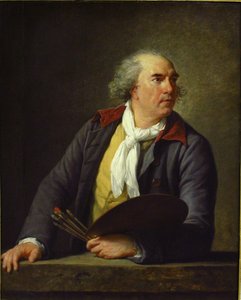
Hubertas Robertas (1733–1808) sukūrė Painters. Šis kūrinys datuojamas 1790 m. Šis kūrinys priklaulo Romanticism kieruliui. Pagaminta naudojant Acrylic On Canvas. Eksponatas saugomas Ermitažas Šv. Peterburgas, Rusija. Dimensijos – 24 × 32 cm.
- 1790
- Acrylic On Canvas
- 24 × 32 cm
- Ermitažas, Šv. Peterburgas

 Peržiūrėti realaus dydžio版

 Rankinio darbo aliejinės imitacijos paveikslas
 Pasidalinti
 Dalintis
 Informacinė l lapelė


 Atsisiųsti
 Panašūs eksponatai
 Rentgeno spindulių nuotrauka
 Automatinė diorama
 问答

 Statistika
Painters, trumpai
- Pavadinimas
- Painters
- Autorius
- Hubertas Robertas (1733–1808)
- Dizainere/is gimęs
- Paryžius, Prancūzija
- Data
- 1790
- Mediumas
- Acrylic On Canvas
- Matmenys
- 24 × 32 cm
- Kur galima pamatyti
- Ermitažas, Šv. Peterburgas, Rusija
- Judėjimas
- Romanticism
- Tema
- landscapes, ruins, figures, daytime, field, workers
Ką vaizduoja Painters?
Hubert Robert’s “Painters”: A Vision of Ruin and Remembrance
Hubert Robert's "Painters," painted in 1790, isn’t merely a depiction of laborers at work; it’s a carefully constructed meditation on labor, time, and the enduring power of memory. The scene unfolds within a rugged, almost theatrical landscape – a dramatic vista dominated by a towering rock formation, its weathered surface hinting at centuries of exposure to the elements. Two figures, rendered with a subtle realism that belies Robert's penchant for romanticized ruins, are engaged in the arduous task of carving stone. One, positioned atop the rock, directs the work with a commanding presence, while the other, lower down, meticulously shapes the material beneath him. The composition isn’t about capturing a specific moment; it’s about evoking a feeling – a sense of timelessness and the relentless passage of time, beautifully intertwined with the human effort to impose order upon nature.
Robert's style is distinctly rooted in the Neoclassical tradition, yet infused with the burgeoning Romantic sensibility that was beginning to challenge its rigid formality. He masterfully employs atmospheric perspective – the subtle blurring and darkening of distant elements – to create a profound sense of depth and space. The light, diffused and golden, washes over the scene, casting long shadows and highlighting the textures of the rock and the figures’ clothing. Notice how Robert utilizes loose brushstrokes, particularly in the depiction of the landscape, creating an impressionistic effect that anticipates later developments in art history. This deliberate softness contrasts with the sharper detail given to the men themselves, suggesting a focus on their individual struggles within the grand scheme of nature.
The Context of Labor and Ruin
To fully appreciate “Painters,” it’s crucial to understand Robert's artistic interests – particularly his fascination with ruins. Following the upheavals of the French Revolution, a renewed interest in antiquity and the past emerged, fueled by archaeological discoveries and a desire to reconnect with a perceived lost sense of order and stability. Robert, like many artists of his time, found inspiration in the decaying grandeur of Roman temples and medieval castles, transforming these remnants into evocative landscapes – ‘capriccios’ as he called them. These weren't simply artistic exercises; they were explorations of memory, loss, and the cyclical nature of history. The very act of painting ruins became a way to preserve a fading past, imbuing it with new life and meaning.
The figures depicted in “Painters” represent a specific segment of 18th-century French society – laborers engaged in essential but often overlooked work. Robert’s choice to portray them within such a dramatic landscape elevates their status, suggesting that even the most humble tasks are worthy of artistic attention. The scene subtly critiques the social hierarchies of the time, presenting these men not as mere workers, but as active participants in shaping the world around them. The rock formation itself can be interpreted as a symbol of enduring strength and resilience – a testament to the power of human labor against the forces of nature.
Symbolism and Emotional Resonance
Beyond its straightforward depiction of work, “Painters” is rich in symbolic meaning. The towering rock formation, with its weathered surface, represents the weight of history and the passage of time. The figures’ focused expressions convey a sense of dedication and perseverance, but also hint at the physical strain of their labor. Robert's use of color – predominantly earthy tones punctuated by flashes of gold – evokes feelings of warmth, nostalgia, and perhaps even melancholy. The overall effect is one of quiet contemplation, inviting the viewer to reflect on the relationship between humanity and nature, work and memory.
The inclusion of animals—a horse and a dog—adds another layer of complexity to the scene. Animals have long been associated with labor and service in art, symbolizing loyalty, strength, and connection to the natural world. Their presence reinforces the theme of human interaction with the environment, suggesting a harmonious coexistence – albeit one marked by hard work and enduring effort. “Painters” is not simply a landscape; it’s a carefully orchestrated tableau that speaks volumes about the values and anxieties of its time.
A Timeless Masterpiece: Reproduction Considerations
Reproductions of Hubert Robert's “Painters” offer a remarkable opportunity to bring this evocative artwork into your home or office. The meticulous detail captured by Robert’s brushstrokes, combined with his masterful use of light and shadow, translates beautifully to high-quality reproductions. When selecting a reproduction, pay close attention to the texture and color accuracy – features that are crucial for capturing the painting's atmospheric depth and emotional resonance. OriginalUniqueArt offers meticulously crafted hand-painted reproductions that faithfully recreate Robert’s original vision, ensuring that you experience the full impact of this timeless masterpiece.
Kuriame muziejuje eksponuojamas karya Painters?
Ermitažas
Šv. Peterburgas, Rusija
Ermitažo kilmė ir istorija Ermitažo kelionė prasidėjo 1764 metais, kai pagrindas šiam neįtikėtinam kolekcijai padėjo Berlyno kupiečiaus Johanno Ernsto Gotzkowsky parduota 225 paveikslų kolekcija. Didžioji Katalina, pradėjusi šį meno kelionį, įkūrė meno pavyzdį, kuris vėliau tapo neįklausomiena kultūros kolonuose Šv. Peterburge, Rusijoje.


Painters dididraudžios kokybės vaizdai

Viešoji domenė: suregalis mirė 1808 m.
Kiti dydžiai, iškarai ir citavimo informacija →Hubertas Robertas, Painters (1790), Ermitažas. Viešoji domenė.
Atsakimai į klausimus apie Painters
Kur galima pamatyti „Painters“ – Hubertas Robertas originalą?
Kūrinys „Painters“ – Hubertas Robertas rodomas Ermitažas, Šv. Peterburgas, Rusija. Muziejaus informacija nuoroda į originalą, o ne į reprodukciją.
Kokia yra „Painters“ – Hubertas Robertas kūrybos data?
„Painters“ sukurta 1790 m. Ši data leidžia įvardyti kūrinį Hubertas Robertas kūrybinėje karjeroje bei jo epochoje.
Kokia technika buvo panaudota kūriniam darbui „Painters“ – Hubertas Robertas?
Hubertas Robertas kūriniui „Painters“ panaudojo Acrylic On Canvas techniką. Ši technika apibrėžė originalaus kūrinio medžiaginę prigimtį.
Kokie yra originalaus „Painters“ matmenys?
Originalaus dydžio kūrinys „Painters“ yra 24 x 32 cm. Originalūs matmenys padeda lengviau išsirinkti tinkamą reprodukcijos dydį.
Kokios temos atsispindi kūrynioje „Painters“ – Hubertas Robertas?
„Painters“ – Hubertas Robertas vaizdeletas: landscapes, ruins, figures, daytime, field, workers, composition, xviii century.
Ar „Painters“ yra viešosios teisės kūrinys?
„Painters“ – Hubertas Robertas yra yra viešosios erdvės dalis – jo autorinė teisė pasibaigusi. Šis statusas nustato, kaip galima reprodukcijaus šio kūrinio vaizdą.
Kas yra „Painters“ kūrybos autorius?
„Painters“ priskiriamas Hubertas Robertas.
Kokiam meno stiliui priklauso „Painters“ – Hubertas Robertas?
„Painters“ yra Romanticism stiliaus kūrinys. Šis dailos kryptis nurodo meninę tradiciją, kurios šis darbas yra dalis.
Kokio Hubertas Robertas kūrybos laikotarpio priklauso „Painters“?
„Painters“ atspindi Hubertas Robertas kūrybinį laikotarpį Mature Period.
Apie šį menininką, Hubertas Robertas
1733–1808, Prancūzija
Hubertas Robertas
Pranciškus Robertas: Griuvėsių Tapytojas ir Vizionierius Pranciškus Robertas, vardas neatsiejamas nuo įtaurių kraštovaizdžių ir romantiško griuvėsių žavesio, užima unikalų poziciją XVIII amžiaus prancūzų meno istorijoje. Gimęs Paryžiuje 1733 metais, jo gyvenimas rutuliavo kintančių artistinių stilių ir didžiulių istorių audrose – nuo rokokoko žaismingo elegantiškumo iki neoklasicizmo aušros, o galiausiai per Prancūzijos revoliucijos neramumus. Jis ne tik fiksavo nykimą; jis kūrė vizijas, derindamas stebėjimą su vaizduote, kad sukurtų scenas, rezonuojančias tiek nostalgija praeityje, tiek ateities lūkesčiu. Jo kelionė prasidėjo struktūruotame meno mokymo pasaulyje, pirmiausia po skulptoriaus Myšelio Anžo Slodco globoja, kuris atpažino Roberto talentą, tačiau protingai nukreipė jį į tapybą, pajutęs, kad jo tikrasis pašaukimas slypi šviesos, atmosferos ir subtilios formos poezijos užfiksavime.
Taip pat Hubertas Robertas darbai
 The Pont du Gard1787
 The Finding of the Laocoön1773
 Le port de Ripetta
 PROJET D'AMENAGEMENT DE LA GRANDE GALERIE DU LOUVRE

Esdai apie Painters
 Impresionizmo Šedevrai: 10 Paveikslų, Apibrėžusių Meninę Era | OriginalUniqueArt.comAtraskite 10 įspūdingiausių impresionizmo šedevrų! Claude Monet, Degas, Renoir ir kiti – meno istorijos perlas. Aliejiniai paveikslai jūsų …
 Hubert Robert: Picturing Ruins, Preserving Memory – A Study of Romantic Antiquarianism & Artistic InnovationExplore the captivating world of Hubert Robert, master of Romantic landscape painting & 'capriccio' ruins. Discover his historical context,…
 Emotion vs. Observation: A Guide to Romanticism and RealismMaster the differences between Romanticism and Realism through expert analysis. Discover the art of emotion versus observation now.