
 Peržiūrėti realybėje
 Pasidalinti
 Dalintis
 Išsamiau

 Atsisiųsti
 Panašūs eksponatai
 Rentgeno nuotrauka
 Automatinė diorama
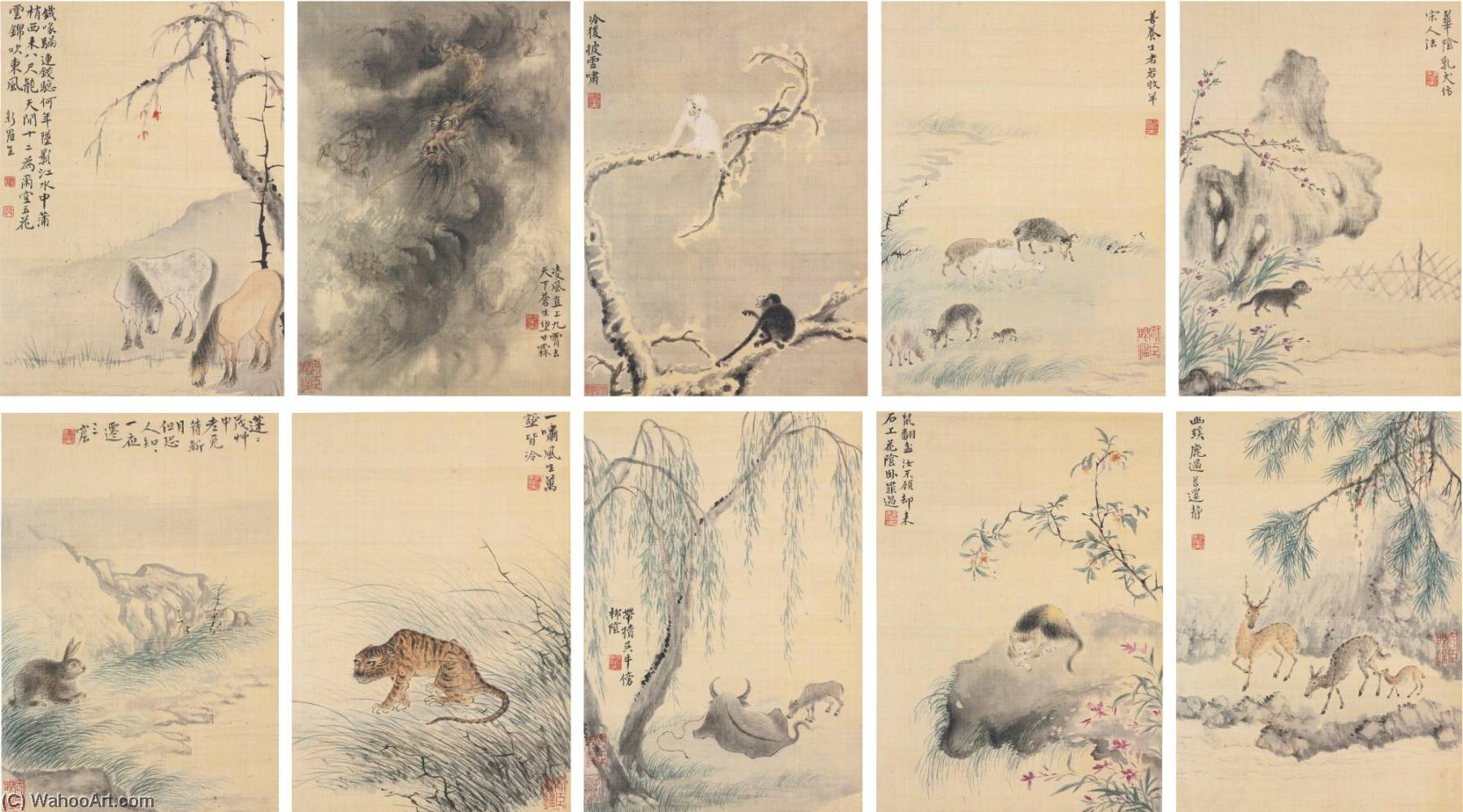
ANIMALS
 25.0 x 18.0 cm
 Skaityti daugiau
Rankų darbo aliejinės reprodukcijos
Rankiniu būdu tapytas aliejus ant droblio jūsų pageidaujamame dydį ir rėmuose – mūsų menininkų darbas pagal užsakymą. ( Pirkti spaudinį Pirkti vaizdą)




































Pasirinkite iš mūsų nustatytų dydžių, atitinkančių originalaus meno kūrinio proporcijas.

Galite įvesti savo matmenis, kad jie atitiktų konkretų rėmą ar erdvę. Jei pasirinktas dydis neatitinka originalaus paveikslėlio proporcijų, mes arba apkropsime meno kūrinį, arba papildysime tapybą rankomis dažytい elementais. Prieš pradėdami gamybą, jūsų patvirtinimui atsiųsime skaitmeninį maketą.
Atkreipkite dėmesį, kad ekrane rodomas vaizdas neatspindi tikrojo apkarpymo ar papildymo. Tik maketas tiksliai parodys galutinę kompoziciją.
Nors galima rinktis ir individualius dydžius, rekomenduojame pasirinkti matmenis iš nustatytos sąrašo, kad būtų išlaikytos originalios proporcijos.
Gavus užsakymą, OriginalUniqueArt.com komanda susisieks su klientu el. paštu dėl instrukcijų ir pateiks maketo pavyzdį.
Pristatymas visame pasaulyje () per 3–4 savaites, o ne įprastai – per 5 savaites. (30 rugpjūtis). Kokybė lieka nepakeičiama.

Nemokamas greitasis pristatymas visame pasaulyje

Aukštos kokybės lininis drobė

Pilnas siuntimo draudimas

Muitinės mokesčių grąžinimo garantija

Tikro spalvų atitikimo garantija

60 dienų grąžinimo politika (tik esant gamyklinėms defektams)

100% pinigų grąžinimo garantija

Nuolaida už kelias reprodukcijas
 Stiklo variantas prieinamas tik pasirinkus dydį iki 110 cm

ANIMALS
Reprodukcijos technika
Reprodukcijos matmenys
-


Galutinė kaina
$ 300
Autoriaus biografija
The Soul of the Brush: The Life and Legacy of Hua Yan
In the grand tapestry of the Qing Dynasty, few threads shimmer with as much serene elegance as the work of Hua Yan (1682–1756). A master whose name is synonymous with the tranquil beauty of classical Chinese landscape painting, Yan emerged during a period of profound cultural revitalization. Born in the Fujian province—specifically in Shanghang—and later finding his artistic home in the vibrant hubs of Yangzhou and Hangzhou, his life mirrored the rhythmic ebb and flow of nature itself. While the biographical details of his early years remain partially veiled by the mists of history, his presence in the art world was unmistakable. He was a painter who did not merely observe the world but sought to capture its very breath through the delicate medium of Shuimohua, or ink wash painting.
The era of the Kangxi Emperor provided a fertile ground for Yan’s development. As the imperial court championed Confucian scholarship and revitalized patronage, an environment of intellectual and artistic excellence flourished. Yan navigated this landscape with grace, honing his skills under the influence of great masters. His style was deeply rooted in the traditions of earlier legends such as Zhu Da and Shen Zhou, yet he possessed a singular voice that allowed him to transcend mere imitation. By absorbing their expressive brushwork and meticulous attention to natural forms, he developed a technique that balanced the ruggedness of the earth with an ethereal, atmospheric lightness.
Symbolism and the Language of Nature
To gaze upon a painting by Hua Yan is to enter a silent dialogue with the cosmos. His work is far more than a visual representation of scenery; it is a profound exploration of Daoist ideals, emphasizing harmony, contemplation, and the interconnectedness of all living things. Every stroke of his brush carries a weight of meaning, turning a simple landscape into a complex web of symbolism. He utilized recurring motifs to communicate timeless truths to his viewers:
- Pine Trees: Rendered with resilient, textured strokes, these represent longevity and the steadfast strength of character amidst life's storms.
- Orchids and Peonies: These delicate floral elements introduce a sense of grace and ephemeral beauty, often paired with rugged rocks to create a contrast between the fragile and the eternal.
- Mist and Water: Through subtle tonal gradations, Yan mastered the depiction of flowing streams and mountain mists, creating a sense of infinite depth and spiritual mystery.
This mastery of tonal gradation allowed him to create compositions that felt both grounded in reality and elevated by spirit. His ability to render rocky outcrops with breathtaking realism while simultaneously bathing them in a dreamlike atmosphere is what distinguishes his oeuvre from the purely topographical works of his predecessors.
A Pillar of the Yangzhou School
The historical significance of Hua Yan extends beyond his individual technical achievements; he was a vital component of one of China's most celebrated artistic movements. Often associated with the Eight Eccentrics of Yangzhou, Yan brought a sense of refined balance to a group known for their bold and often idiosyncratic styles. While some of his contemporaries pushed toward the avant-garde or the overtly eccentric, Yan maintained a connection to the classical tradition that ensured his work remained accessible yet deeply profound.
His legacy is etched into the very fabric of Chinese art history. Through his meticulous observation of the natural world and his ability to imbue ink and wash with emotional resonance, he helped define the aesthetic of an era. Today, his paintings—ranging from sweeping mountainous vistas to intimate studies of birds and flowers—continue to inspire awe. He remains a master of tranquility, reminding us that within the stillness of a painted landscape, one can find the profound echoes of the human soul.

Hua Yan
1682 - 1756
Trumpa informacija
- Artistic Movement Or Style: Landscape Painting
- Date Of Birth: 1682
- Date Of Death: 1756
- Full Name: Hua Yan
- Nationality: Chinese
- Notable Artworks:
- Spiritual Abode on a Hill Laced with Streams
- Peony, Orchid & Rock
- Place Of Birth: China

