Text size

() ·

A painting made for you, by hand

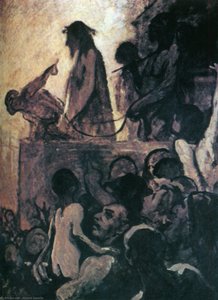
Comedy scene (scene from Molière)

Rankų darbo aliejinės reprodukcijos

Rankiniu būdu tapytas aliejus ant droblio jūsų pageidaujamame dydį ir rėmuose – tai mūsų menininkų pagal užsakymą sukurtas darbas. ( Perjungti į spausdinamus版作品 Perejti prie skaitmeninių vaizdų)

Kolekcinio objekto aprašas

Honore Daumier's 'Comedy Scene (Scene from Moliere)' captures a lively Parisian encounter with masterful draftsmanship and social commentary. Explore the dynamic scene of two men in a black & white painting, reflecting 19th-century French life.

Autoriaus biografija

Honoré Daumier (1808-1879) – prancūzų realistinės tapybos ir satyrinės grafikos meistras. Žymus karikatūristas, kritikuojantis XIX a. visuomenę, teisinę sistemą bei politinę korupciją. Jo darbai įkvėpė modernizmą.

from ·

Chapter 1

How large should it be?

Slide to change the size; the picture on the left shows the frame at its real width. The proportions of the original are kept.

Standartinis dydis
pagal užsakymą
CM
INCH

Pasirinkite iš mūsų nustatytų dydžių, atitinkančių originalaus meno kūrinio proporcijas.

plotis
aukštis

Įveskite jums reikiamą plotį ir aukštį, kad paveikslas atitiktų jūsų rėmą ar sieną. Kadangi šis darbas yra rankinio darbo, siekiant išgauti kitokios formos dydį, paveikslas gali būti šiek tiek didesnis (nuo kraštų bus palikta daugiau erdvės) arba mažesnis – pasirinkite jums patogiausią variantą. Prieš pradedant tapyti, atsiųsime jums skaitmeninį maketą patvirtinimui. Šioje puslapio nuotraukoje matomas vaizdas nėra galutinis rezultatas – jį parodys tik sukurtas maketas.

Chapter 2

How should it arrive?

Choose the edges of the stretched canvas

Choose your frame

Corner sample of the WhiteWrap canvas edge finish, stretched on solidus medžio

**Improved version:**
solidus medis bars
White €1
Corner sample of the BlurSideWrap canvas edge finish, stretched on solidus medžio

**Improved version:**
solidus medis bars
Blurside €1
Corner sample of the ExtendedWrap canvas edge finish, stretched on solidus medžio

**Improved version:**
solidus medis bars
Extended €1
Corner sample of the P118B picture frame: lieto polistirolo detalės, 5 cm wide and 3 cm thick
P118B €10
Corner sample of the P118H picture frame: lieto polistirolo detalės, 5 cm wide and 3 cm thick
P118H €10
Corner sample of the P118W picture frame: lieto polistirolo detalės, 5 cm wide and 3 cm thick
P118W €10
Corner sample of the P438Z picture frame: lieto polistirolo detalės, 5.5 cm wide and 3.5 cm thick
P438Z €10
Corner sample of the P508JH picture frame: lieto polistirolo detalės, 7 cm wide and 3.5 cm thick
P508JH €12
Corner sample of the P508YH picture frame: lieto polistirolo detalės, 7 cm wide and 3.5 cm thick
P508YH €12
Corner sample of the P805H picture frame: lieto polistirolo detalės, 5 cm wide and 3.5 cm thick
P805H €10
Corner sample of the P805Z picture frame: lieto polistirolo detalės, 5 cm wide and 3.5 cm thick
P805Z €10
Corner sample of the P919BZ picture frame: lieto polistirolo detalės, 7 cm wide and 3.5 cm thick
P919BZ €10
Corner sample of the P919G picture frame: lieto polistirolo detalės, 7 cm wide and 3.5 cm thick
P919G €10
Corner sample of the P919XJ picture frame: lieto polistirolo detalės, 7 cm wide and 3.5 cm thick
P919XJ €10
Corner sample of the P959ZH picture frame: lieto polistirolo detalės, 5 cm wide and 3 cm thick
P959ZH €10
Corner sample of the P968JZ picture frame: lieto polistirolo detalės, 6 cm wide and 4 cm thick
P968JZ €12
Corner sample of the W106C picture frame: solidus medžio

**Improved version:**
solidus medis, 5 cm wide and 3 cm thick
W106C €8
Corner sample of the W218G picture frame: solidus medžio

**Improved version:**
solidus medis, 5 cm wide and 3 cm thick
W218G €10
Corner sample of the W218JH picture frame: solidus medžio

**Improved version:**
solidus medis, 5 cm wide and 3 cm thick
W218JH €8
Corner sample of the W218Y picture frame: solidus medžio

**Improved version:**
solidus medis, 5 cm wide and 3 cm thick
W218Y €10
Corner sample of the W307PJ picture frame: solidus medžio

**Improved version:**
solidus medis, 6 cm wide and 3 cm thick
W307PJ €10
Corner sample of the W316G picture frame: solidus medžio

**Improved version:**
solidus medis, 6 cm wide and 3 cm thick
W316G €10
Corner sample of the W316PJ picture frame: solidus medžio

**Improved version:**
solidus medis, 6 cm wide and 3 cm thick
W316PJ €8
Corner sample of the W316Y picture frame: solidus medžio

**Improved version:**
solidus medis, 6 cm wide and 3 cm thick
W316Y €10
Corner sample of the W398PJ picture frame: solidus medžio

**Improved version:**
solidus medis, 5 cm wide and 3 cm thick
W398PJ €8
Corner sample of the W4111J picture frame: solidus medžio

**Improved version:**
solidus medis, 6.5 cm wide and 3.5 cm thick
W4111J €10
Corner sample of the W500HY picture frame: solidus medžio

**Improved version:**
solidus medis, 7 cm wide and 5 cm thick
W500HY €15
Corner sample of the W500JH picture frame: solidus medžio

**Improved version:**
solidus medis, 7 cm wide and 5 cm thick
W500JH €15
Corner sample of the W692G picture frame: solidus medžio

**Improved version:**
solidus medis, 8 cm wide and 4 cm thick
W692G €12
Corner sample of the W849H picture frame: solidus medžio

**Improved version:**
solidus medis, 5 cm wide and 3 cm thick
W849H €8
Corner sample of the W940BG picture frame: solidus medžio

**Improved version:**
solidus medis, 7.5 cm wide and 4.5 cm thick
W940BG €15
Corner sample of the W953PJ picture frame: solidus medžio

**Improved version:**
solidus medis, 6 cm wide and 3.5 cm thick
W953PJ €8
Corner sample of the H24-GOLD picture frame: medžio skulptūra su gipso sluosniu, 10 cm wide and 6 cm thick
H24-GOLD €30
Corner sample of the H24-SILVER picture frame: medžio skulptūra su gipso sluosniu, 10 cm wide and 6 cm thick
H24-SILVER €30
Corner sample of the H36-GOLD picture frame: medžio skulptūra su gipso sluosniu, 15 cm wide and 6.5 cm thick
H36-GOLD €45
Corner sample of the H36-SILVER picture frame: medžio skulptūra su gipso sluosniu, 15 cm wide and 6.5 cm thick
H36-SILVER €45
Rėmo peržiūra
Įrėmintas

Moulding: . Overall size with the frame: .

Chapter 3

Who paints it, and should anything change?

Examples of what can be changed: Replace face with customer photo; Add pet (e.g., replace cat with dog); Include hidden message in background; Change background landscape or elements.
After order, OriginalUniqueArt.com team will email client for instructions and provide a mockup preview

Pristatymas visame pasaulyje () per 3–4 savaites, o ne įprastai – per 5 savaites. (31 spalis). Kokybė lieka nepakeičiama.

Chapter 4

The finishing touches

A nameplate, as in a museum?

Išgraviruotos bronzinės plokštelės detalės

This elegant plaque features the artist's name and the title of the artwork, finely engraved for a timeless presentation.

It is made from bronze with a refined, elegant finish. The text is precisely laser-engraved for a sharp and permanent result. Measuring 9x2 cm, the plaque is compact yet easy to read. It's built to be durable and scratch-resistant, offering a professional, museum-quality look. Mounting is simple thanks to the included adhesive backing.

Skaidrios akrilo plokštelės informacija

The plaque includes essential engraved details such as the artist's name, the title of the artwork, the date it was created, the type of media used-like oil on canvas or watercolor-a brief description of the piece, and a QR code that links to the complete artwork information.

It is crafted from clear acrylic, offering a sleek, modern appearance. The text is UV-engraved in black to ensure strong visual contrast. With a size of 10x15 cm, it ensures optimal readability. It comes equipped with two metal hooks for secure wall mounting. The plaque is designed to be weather-resistant, making it suitable for various environments, and it includes interactive features that work seamlessly with smartphone scanning.

Juodos akrilo plokštelės informacija

This elegant plaque includes engraved information such as the artist's name, the title of the artwork, the date it was created, the type of media used (like oil on canvas or watercolor), a short description of the artwork, and a QR code for quick access to more information.

The plaque itself is made from refined black acrylic with a premium finish. The text is laser-engraved in white for high contrast and readability. Its size is 10x15 cm, designed to be easy to read. It comes with two metal hooks for professional mounting. The design is sleek and fits any interior style. It is also weather-resistant and durable, with built-in digital integration for mobile compatibility.

A protective varnish?

When do you need it?

Chapter 5

Your painting, as you ordered it

Comedy scene (scene from Molière)

Reprodukcijos technika

Reprodukcijos matmenys

-

Aukščiausios klasės meistras

Daugiau detalių, meistriškumo ir papildomo gamybos laiko

-

Reprodukcijos rėmėjimo parinktys

-

-

Dėl meno kūrinių ar reprodukcijų, kurių bet kuri pusė yra didesnė nei 105 cm (apie 41 inch), rėmas bus siunčiamas kaip išskaidytas surinkimo rinkinys. Šis metodas užtikrina saugų pristatymą ir apsaugo nuo transportavimo metu galimos žalos.

Reikalingas profesionalus surinkimas – tai nėra „pasidaryk pats“ (DIY) produktas.
Rinkinys turi būti surinktas, o drobė išplėsta naudojant patyrį profesionalų rėmininką, medžio klijus (nėra įtraukti į rinkinį), drobės plėšimo kleslę bei presas, kad rėmo rėžiai išliktų tiesūs, kol klijai išdžiūvus. Netinkamas surinkimas arba netolydus drobės įtampa gali negrįžtamai sugadinti meno kūrinį, todėl šie atvejai nėra užtraukiami mūsų garantijos.

  • Į komplektą įeina visi vientisos medienos elementai, tiksliai išpjauti pagal dydį.

  • Surmontinama naudojant pridėtus varžtus bei papildomai reikalingą medžio kliją kampų jungtims, kuris nėra pridėtas ir turi būti parinktas rėmininkui.

  • Reikalingi profesionalūs įrankiai, kurie nėra įtraukti į rinkinį: drobės kėlimo plytelės (stiprintuvai) ir klemiai, laikantys rėmo strygius tiesiu kampu, kol džiūsta lipas.

Svarbu:
Kampų jungtims reikalingi medžio klijai, barams reikia laikyti naudojant presas, kol klijai visiškai išdžiūvės, o surinktam rėmui įtempiamai privilgti būtinos drobės įtempimo plytযুক্ত. Šios priemonės į rinkinį neįtrauktos. Prieš užsakydami šio dydžio rinkinį, rekomenduojame pasimalkoti patyrusiu rėmų meistru.

Pavadinimo lentelė

-

-

Apsauginis lakas

Blizgus lakas (ryškina spalvas, saugo nuo šviesos ir drėgmės)

-

Personalizuoti kūrinį

Ką galima pakeisti (pavyzdžiui): pakeisti veidą klientui skirta nuotrauka; pridėti augintinį (pvz., katę pakeisti šuniu); įtraukti paslėptą žinutę fone; pakeisti fono kraštovaizdį ar elementus.

-

Skubiai

Pristatymas visame pasaulyje () per 3–4 savaites, o ne įprastai – per 5 savaites. (31 spalis). Kokybė lieka nepakeičiama.

-

Skubus pristatymas

Pristatymas visame pasaulyje () per 5 weeks. (7 lapkritis).

Įskaičiuota

Bendroji kaina

€ 267

Visos kainos suma € 267

Stiklo variantas prieinamas tik pasirinkus dydį iki 110 cm

Included with every order

  • Nemokamas greitasis pristatymas visame pasaulyje
  • Aukštos kokybės lininis drobė
  • Pilnas siuntimo draudimas
  • Muitinės mokesčių grąžinimo garantija
  • Tikro spalvų atitikimo garantija
  • 100 dienų grąžinimo politika (tik esant įtaigoms)
  • 100% pinigų grąžinimo garantija
  • Nuolaida dideliems užsakymams

A Moment of Contention: Honoré Daumier’s “Comedy Scene (Scene from Molière)”

Honoré Daumier's 1862 painting, "Comedy Scene (Scene from Molière)," isn’t merely a depiction of a theatrical moment; it’s a vibrant snapshot of Parisian society grappling with wit, social commentary, and the very nature of performance. The work, rendered in stark black and white – a signature technique for Daumier – immediately draws the viewer into a scene brimming with unspoken tension and subtle gestures. Two men dominate the foreground: one, animatedly gesturing upwards, seemingly addressing an unseen audience; the other, slumped downwards, his gaze fixed on his companion, perhaps lost in thought or responding to the first man’s pronouncements.

Beyond these central figures lies a carefully constructed backdrop of three additional individuals, subtly positioned in the background. Their presence isn't one of active participation but rather serves as a quiet reminder of the broader social context surrounding this private exchange. They are not integrated into the immediate drama, yet their inclusion suggests that this scene unfolds within a larger, more complex world – a world ripe for observation and critique, precisely what Daumier excelled at capturing.

The Artist’s Vision: Realism and Social Satire

Daumier was a pivotal figure in the development of French realism, but his work transcends simple representation. He wasn't interested in idealized beauty or romanticized narratives; instead, he sought to expose the uncomfortable truths of everyday life – particularly the hypocrisy and social inequalities prevalent in 19th-century France. His art became a powerful tool for social commentary, often targeting the aristocracy, the clergy, and the legal system. “Comedy Scene” is no exception, offering a glimpse into a private conversation that hints at underlying tensions and judgments.

The painting’s monochrome palette – predominantly shades of gray and white – contributes significantly to its dramatic effect. This deliberate choice eliminates distractions, forcing the viewer to focus on the figures' expressions and body language. Daumier masterfully employs chiaroscuro—the contrast between light and dark—to sculpt the forms and heighten the sense of drama. The sharp delineation of shadows emphasizes the characters’ postures and gestures, conveying a palpable atmosphere of anticipation and potential conflict.

A Stage Within a Stage: Molière and Parisian Society

The painting's title explicitly references Molière, the renowned French playwright whose comedies satirized societal norms. Daumier wasn’t simply illustrating a scene from one of Molière’s plays; he was capturing the *spirit* of theatrical performance itself – the interplay between performer and audience, the delivery of witty dialogue, and the subtle judgments exchanged during a dramatic moment. The implied setting is likely a Parisian theater, though Daumier deliberately avoids providing specific details, allowing the viewer to project their own interpretations onto the scene.

Furthermore, the painting reflects the vibrant intellectual and artistic life of 19th-century Paris. The Comédie-Française, France’s national theatre, was a central hub for social and political discourse. Daumier's work engages with this dynamic environment, offering a critical perspective on the role of theater in shaping public opinion and exposing societal flaws.

Symbolism and Emotional Resonance

The posture of the two men is particularly revealing. The man gesturing upwards embodies assertiveness and perhaps even arrogance, projecting his thoughts or opinions to an unseen audience. His elevated position suggests a desire for recognition or validation. Conversely, the slumped figure conveys a sense of resignation, doubt, or perhaps quiet disapproval. His downward gaze hints at a critical assessment of the first man’s pronouncements – a subtle challenge to his authority or perspective.

“Comedy Scene” is not a straightforward narrative; it's an invitation to observe and interpret. It evokes a sense of unease, prompting viewers to consider the complexities of human interaction and the often-hidden judgments that shape our perceptions. Daumier’s masterful use of composition, light, and gesture creates a timeless image that continues to resonate with audiences today, reminding us of the enduring power of satire and the importance of critical engagement with the world around us.

Klausimai ir atsakymai

Kokia spalva dominuoja „Comedy scene (scene from Molière)“ – Onorė Domjė kompozicijoje?

Dominuojanti „Comedy scene (scene from Molière)“ – Onorė Domjė spalva yra Espresso (#414a43).

Kokia „Comedy scene (scene from Molière)“ – Onorė Domjė emocinė nuotaika?

„Comedy scene (scene from Molière)“ – Onorė Domjė perteikia Melancholic emocinę nuotaiką.

Koks yra rekomenduojamas „Comedy scene (scene from Molière)“ spausdinimo formatas – koks dydis ir orientacija?

Rekomenduojama spausdinti „Comedy scene (scene from Molière)“ – Onorė Domjė reprodukciją Medium dydį, Portrait formatu.

More about this painting

Peržiūrėti realaus dydžio版 Peržiūrėti AR realybėje Perjungti į spausdinamus版作品 Perejti prie skaitmeninių vaizdų Pasidalinti
Išsamiau Vadovas Pridėti į mėgstamiausius Atsisiųsti Panašūs eksponatai Rentgeno spindulių nuotrauka Automatinė diorama Q&A Statistika

In numbers

  • 1862the year it was painted
  • 29frames to choose from
  • standard sizes, in its own proportions
  • 5weeks to paint and deliver it
Onorė Domjė

Onorė Domjė

1808 - 1879, Prancūzija

Quick facts about Onorė Domjė

  • Gimimo Data: 1808 metų vasario 26 d.
  • Gimimo Vieta: Marselis, Prancūzija
  • Meninis Stilius: Realizmas, Satira
  • Mirties Data: 1879 metų vasario 10 d.
  • Pilietybė: Prancūzas
  • Pilnas Vardas: Honoré-Victorin Daumier
  • Įtakoję Menininkai:
    • Alexandre Lenoir
    • Jacques-Louis David
  • Įtakoti Judėjimai/Menininkai:
    • Impresionizmas
    • Šiuolaikinis menas
  • Žymiausi Darbai:
    • Rue Transnonain
    • Les gens de justice
    • Ecce Homo

Autoriaus biografija

Ankstyvieji Metai ir Formavimasis: Kelionė Prancūzijoje

Gimus Marselyje 1808 metais, Honoré-Victorino Daumier’io gyvenimas buvo glaudžiai susietas su XIX amžiaus Prancūzijos audringais srovėmis. Ankstyvieji jo metai, pažymėti tėvo poetiškų siekių ir vėlesniu persikėlimu į Paryžių 1814 metais, panardino jį į miestą, trykštantį menine energija. Nors iš pradžių buvo numatoma teisininko karjera, jaunasis Daumier’is instinktyviai traukėsi link meno. Jis mokėsi pas Alexandre Lenoir, įsisavinęs klasikines įtakas kartu su Rubens dramatiško šviesos ir šešėlio įvertinimu, o vėliau tobulino savo įgūdžius Académie Suisse. Šis pamatinis išsilavinimas buvo lemiamas formuojant jo savitą stilių – galingą realizmo ir ekspresyvaus piešimo derinį. Tačiau Daumier’io meninę tapatybę apibrėžė ne tik techninis meistriškumas, bet ir gilūs jautrumas socialinei neteisybei bei politiniam absurdui, supantį jį aplinkui.

Aštrus Plūmas: Karikatūra Ir Socialinė Komentarija

Daumier’io karjera iš tikrųjų sužydėjo po 1830 metų revoliucijos, įvykio, kuris negrįžtamai pakeitė Prancūzijos istoriją ir vienu metu suteikė derlingą dirvą jo augančiam satyriniam talentui. Jis greitai įsitvirtino kaip meistriškas litografas, iš pradžių anonimiškai prisidėdamas prie įvairių publikacijų, o vėliau išgarsėjo bendradarbiaudamas su *Le Charivari*, energingu komišku žurnalu, įkurtu Charles Philipon. Būtent čia Daumier’io genijus tikrai pražydo. Jo karikatūros nebuvo paprasti juokingi vaizdai; tai buvo griežti buržuazijos, teismų sistemos ir politinės valdžios kaltinimai. Jis drąsiai šaržavo karalių Liudviką Pilypą, pelnęs šešių mėnesių kalėjimo bausmę 1832 metais už ypač ašrią karikatūrą. Ši patirtis, toli gražu neprislėgusi jo dvasios, tik sustiprino jo įsipareigojimą atskleisti hipokriziją ir mesti iššūkį autoritetui per meną. Jo litografijos tapo vizualiniais manifestais, užfiksuodami protesto dvasią ir pateikdami kritinę komentarą apie savo laikmečio visuomenės ydus. Šio periodo gausumas yra stebinantis – tūkstančiai litografijų, tarnavusių tiek kaip populiari pramoga, tiek kaip galingi politiniai pareiškimai.

Už Karikatūros Ribų: Tapybos Ir Skulptūrinių Vizijų Plėtra

Nors Daumier’is labiausiai garsėja savo litografija, apriboti jį tik karikatūros srities rėmais būtų rimta klaida. Jis taip pat buvo atsidavęs tapytojas ir skulptorius, nors pripažinimas už šiuos darbus pasiekė vėliau gyvenime. Jo paveikslai, dažnai vaizduojantys kasdienio Paryžiaus gyvenimo scenas – trečiojo klasės vagoną, skalbėjas, advokatus – įkviepti gilų realizmo ir empatijos jausmą. Tai neidealizuoti portretai, o atšiaurūs sunkumų ir kovos vaizdai. Jis meistriškai panaudojo laisvą teptuko darbą ir dramatišką apšvietimą perteikti emocijas bei atmosferą, pranašaudamas kai kurias technikas, vėliau perimtas impresionistų. Jo skulptūriniai darbai, didžiąja dalimi sukurti molyje (daugelis kūrinių liko nebaigti jo gyvenimo metu), atskleidžia panašį įsipareigojimą užfiksuoti žmogaus formą sąžiningai ir emociškai giliai. Šios skulptūros, atkurtos po jo mirties, parodo nuostabų modeliavimo talentą ir gebėjimą perteikti psichologinį sudėtingumą per fizinę gestikuliaciją.

Trvankus Palikimas: Įtaka Ir Istorinė Reikšmė

Honoré Daumier’io įtaka meno istorijai yra neabejotina. Jis sujungė romantizmą ir realizmą, praversdamas kelią ateities kartoms menininkų, siekusių atvaizduoti pasaulį tokį, koks jis iš tikrųjų yra – su visais trūkumais. Jo nesuvaržytas socialinis komentaras įkvėpė tokius menininkus kaip Gustave Courbet ir Édouard Manet, o jo novatoriškas litografijos naudojimas sukūrė revoliuciją spaudos meno srityje. Jo darbai tebevilioja šiandien, primindami mums meno galią mesti iššūkį autoritetui, atskleisti neteisybę ir liudyti apie žmogaus būklę. Musée d'Orsay Paryžiuje saugo reikšmingą jo paveikslų ir skulptūrų kolekciją, siūlydamas lankytojams žvilgsnį į pasaulį, kurį jis taip ryškiai atvaizdavo. Jo litografijos yra plačiai prieinamos per tokias kolekcijas kaip OriginalUniqueArt, užtikrinant, kad jo satyrinis genijus ir toliau provokuos mintis ir skatins dialogą. Daumier’is nebuvo tik menininkas; jis buvo savo laikmečio kronikininkas – vizualinis poetas, panaudojęs savo talentą suteikti balsą bebaliams ir prisiimti atsakomybę už valdžios veiksmus. Jo palikimas išlieka kaip įrodymas meno amžinam aktualumui socialinių pokyčių jėga.

Trumpa informacija

  • Subject or theme: Theater scene
  • Medium: Lithograph
  • Movement: Realism
  • Title: Comedy scene (scene from Molière)
  • Influences: Molière

Karo viktorina

Kiekviename klausime yra tik vienas teisingas atsakymas.

Klausimas 1:
What is the primary subject matter depicted in Honoré Daumier’s ‘Comedy scene (scene from Molière)’?
Klausimas 2:
In what year was Honoré Daumier’s ‘Comedy scene (scene from Molière)’ created?
Klausimas 3:
The painting utilizes a predominantly monochrome palette. What artistic technique is most prominently employed to achieve this effect?
Klausimas 4:
Considering Honoré Daumier’s artistic style and historical context, what is a key theme explored in this artwork?
Klausimas 5:
Based on the image description, what is the overall composition of the painting?
Tyrinėkite meno kūrinius, suskirstytus pagal temas, stilius ir savybes.