 Peržiūrėti realaus dydžio版
 Pasidalinti
 Dalintis
 Išsamiau
 Vadovas

 Atsisiųsti
 Panašūs eksponatai
 Rentgeno spindulių nuotrauka
 Automatinė diorama
 问答
问答 Statistika
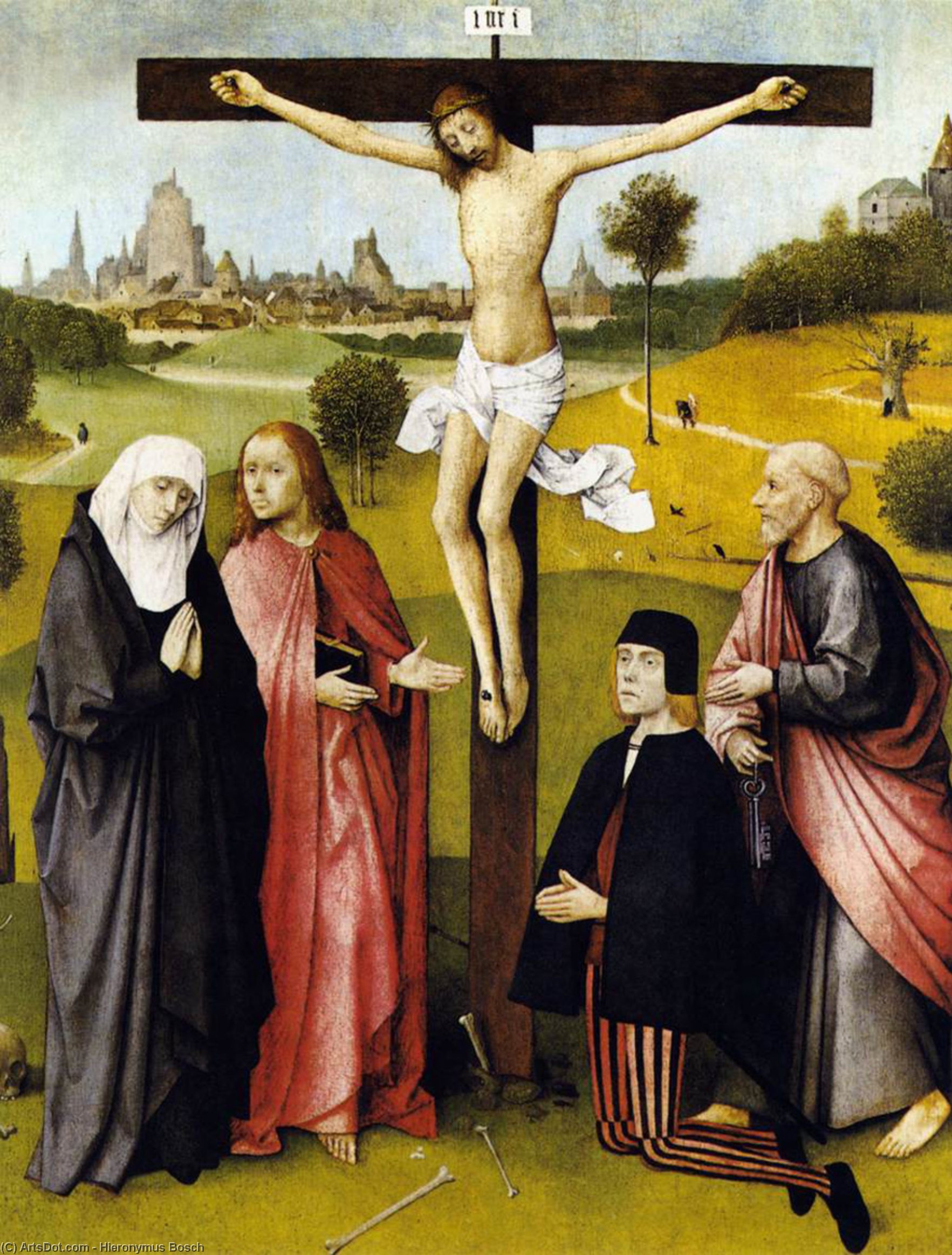
Ukrižijimas su donoriumi

- 74.0 x 61.0 cm


 Skaityti daugiau
Gaukite spausdinimui paruoštą failą, kurio kokybė gerokai viršija internetinę peržiūrą. Kiekvienas mūsų parduodamas skaitmeninis vaizdas yra ištrauktas iš aukštos raiškos pagrindinio failo mūsų duomenų bazėje — paprastai jis siekia nuo 5 000 iki 15 000 pikselių plotio — todėl galite drąsiai spausdinti didelius formatus, apkirpti vaizdą ar reprodukcija užtikrins visas smulkias detales.
Mūsų studijoje nė viena kopija nelieka neapdorota. Skaitmeninio vaizdo ekspertas, lygiu su originaliu paveikslu, patikrina spalvas ir, jei reikia, jas koreguoja, o tada profesionaliais retušavimo įrankiais padidina aiškumą bei detales — visada išlaikydamas ištikimybę autoriaus teptuko traukoms ir stiliui. Rezultatas – vaizdas, kuris atrodo kaip tikras paveikslas, o ne kaip su filtrais apdorotas skenavimas.
Patvirtinate prieš užsakymo pabaigą: mūsų ekspertas per 72 valandas el. laišku atsiųsta vaizdą jūsų peržiūrai. Nepasitenkinate rezultatu? Paprašykite patobulinimų ar pataisymų arba prašykite pinigų grąžinimo, jei kokybė neatitinka jūsų lūkesčių.
Ši kokybė yra patikima leidybos įstaigoms, dizaino studijoms, galerijoms ir spaudos įmonėms.
Skaitmeninis vaizdas
Atsisiųskite didelės raiškos failą asmeniniam naudojimui, spausdinimui ir kūrybiniams projektams. ( Perjungti į spausdinamus版作品 Pirkti rankų darbo tapybą)
Kiekvieną skaitinio vaizdo užsakymą papildė
Profesionalus skaitmeninis vaizdų pristatymas, garantuotas
Pasirinkę OriginalUniqueArt.com, jūs ne tik gaunate paveikslėlį – jūs gaunate profesionaliai patobudintą skaitmeninį kūrinį, sukurtą itin tikniai ir užtikrinantį pasitenkinimą. Štai viską, kas automatiškai pritékia jūsų užsakymui:

Greitas pristatymas el. paštu
Jūsų aukštos raiškos skaitmeninis vaizdo failas bus išsiųstas el. paštu per 72 valandas nuo užsakymo – jis bus paruoštas naudoti be jokių papildomų veiksmų.

Dirbtiniu intelektu tobulintas skaitmeninis failas
Jūsų meno kūrinys profesionaliai optimizuojamas naudojant pažangius dirbtinio intelekto įrankius ir rankinį redagavimą, užtikrinant maksimalią detalę, aiškumą ir spalvų tikslumą.

Nemokamas visam laikui pakartotinis siuntimas
Atsitiktinai ištrytikote ar praradote savo failą? Nebijokite – bet kuriuo metu atsiųsime jį jums vėl nemokamai.

Jokio importo mokesčio – niekada
Mėgaukitės savo meno kūrynu be jokių muitinės mokesčių, įkainų ar pristatymo išlaidų – skaitiniai failai visada yra neapmokestinami.

Spalvų tikslumo garantija
Naudodami profesionalią įrangą ir spalvų valdymo sistemas, užtikriname, kad jūsų skaitmeninis vaizdas kuo tiksliau atspindėtų originalias spalvas.

100 dienų patikimumo garantija
Jei nebuvosite patenkinti įsigyto skaitmeninio vaizdo, mes jį tališkai koreguosime arba grąžinsime 100% sumą per 100 dienų – be jokių klausimų.

100% pinigų grąžinimo garantija
Nesitenkinate? Gaukite visą sumokėtą sumą per 100 dienų nuo skaitmeninio failo gavimo – be jokių papildomų klausimų.

Nuolaidos dideliems užsakymams
Pirkti 3 nuotraukas – 10% nuolaida – Pirkti 5 – 15% nuolaida – Pirkti 10 ir daugiau – 20% nuolaida. Puikiai tinka kūrybiniams projektams, galerijoms bei agentūroms.
A Window into Faith and Mystery: Hieronymus Bosch’s *Crucifixion with a Donor*
This captivating oil on panel, created around 1480 by the enigmatic Hieronymus Bosch, offers a profound meditation on faith, suffering, and salvation. Currently housed at the Musées Royaux des Beaux-Arts in Brussels, Belgium, this work exemplifies the distinctive style of the Early Netherlandish movement – a pivotal moment in Northern Renaissance art. Measuring 74 x 61 cm, it’s a piece that rewards close contemplation, revealing layers of symbolism and artistic mastery.Subject and Composition
The painting centers on the harrowing scene of Christ's crucifixion. Bosch doesn’t present a graphic depiction of agony; instead, he focuses on the solemnity and spiritual weight of the event. Figures surround the cross – some kneeling in reverence, others observing with quiet contemplation. A prominent figure, richly dressed and holding symbols of authority (a crown and scepter), is believed to be a donor or a representation of earthly power witnessing this divine sacrifice. The composition is tightly framed, drawing the viewer’s eye directly to Christ and fostering an intimate connection with the scene. A landscape unfolds in the background, providing depth but remaining subordinate to the central drama.Bosch's Unique Style & Technique
Bosch was a true original, and *Crucifixion with a Donor* showcases his signature style. He masterfully blends realism with fantastical elements, creating an atmosphere that is both grounded in earthly observation and imbued with spiritual mystery. His technique involved building up layers of translucent oil glazes on oak panel, resulting in luminous colors and incredibly fine detail. The precision of the lines defining figures and architectural elements speaks to a meticulous approach, while the overall effect is one of otherworldly beauty.Symbolism & Interpretation
Bosch’s work is renowned for its complex symbolism, and this painting is no exception. The inclusion of seemingly minor details – a book, a bird in flight, a cup placed to the right – invites multiple interpretations. The donor figure may represent the patron who commissioned the work, but also symbolizes humanity's role in Christ’s sacrifice. The bird, often associated with the soul or divine messenger, could signify hope or spiritual ascension. Each element contributes to a rich tapestry of meaning, encouraging viewers to engage actively with the artwork and formulate their own understanding.Historical Context & Artistic Significance
Painted during a period of religious fervor and artistic innovation, *Crucifixion with a Donor* reflects the spiritual concerns of the late 15th century. Bosch’s work stands apart from the more conventional depictions of the crucifixion prevalent at the time. He wasn't interested in simply illustrating biblical narratives; he sought to explore the psychological and spiritual dimensions of faith. He influenced generations of artists, including Pieter Bruegel the Elder, and continues to inspire awe and fascination today. This piece is a testament to the artistic evolution within the Early Netherlandish Art Movement, demonstrating its unique blend of realism, symbolism, and religious devotion.Emotional Impact & Interior Design
This painting evokes a sense of solemnity, contemplation, and spiritual yearning. While depicting a tragic event, it doesn’t dwell on brutality but rather emphasizes the profound sacrifice at its heart. Its muted color palette – dominated by earth tones with accents of vibrant red – lends itself well to various interior design schemes.- In a traditional setting, it would complement dark wood furnishings and rich textiles.
- A more modern space could use the painting as a focal point, contrasting its historical style with contemporary elements.
- Its contemplative mood makes it ideal for libraries, studies, or meditation spaces.
Klausimai ir atsakymai
Kokio tipo kūrinys yra „Ukrižijimas su donoriumi“ – Jeronim Kasas?
„Ukrižijimas su donoriumi“ – Jeronim Kasas klasifikuojamas kaip Sieninis menas. Ši kategorija aprašo originalo kūrinio tipą.
Kokia yra „Ukrižijimas su donoriumi“ tema ir kokią atmosferą ji sukuria?
„Ukrižijimas su donoriumi“ vaizduoja ukrižijimas, donorės veikla, religinė simbolika, bošio vaizdiniai, viduramžių menas, aukos, kančios, nyderlandų paveikslai, o jo perteikiama nuotaika yra Mistika.
Koks spausdinimo dydis ir orientacija rekomenduojami kūriniui „Ukrižijimas su donoriumi“ – Jeronim Kasas?
Rekomenduojama spausdinti „Ukrižijimas su donoriumi“ – Jeronim Kasas reprodukciją Vidutinis dydis dydį, Portretinis formatas formatu.
Autoriaus biografija
A Netherlandish Enigma: The Life and Art of Hieronymus Bosch
Hieronymus Bosch (c. 1450-1516), Dutch Renaissance master of surrealism & symbolism, remains one of art history’s most perplexing figures—a man whose life is shrouded in obscurity yet whose artistic output continues to resonate powerfully across centuries. Born around 1450 in ’s-Hertogenbosch, Brabant – then a bastion of medieval piety – Bosch emerged from a family steeped in artistic tradition, inheriting the skills and sensibilities of his father and grandfather, Jan van Aken. Biographical details are frustratingly sparse; records offer tantalizing glimpses but ultimately fail to illuminate the contours of his personal existence—a deliberate choice perhaps that contributed to the enduring mystique surrounding him. He married Aleyt Goyaerts van den Meerveen before 1481, securing a degree of financial stability through her family’s holdings, though little else is documented about their marital life.Fantastical Visions and Symbolic Depths
Bosch’s artistic style defies easy categorization—a breathtaking fusion of meticulous realism and hallucinatory imagination. Primarily working with oil on oak panels, he demonstrated unparalleled mastery of the medium, achieving luminous colors and astonishing textural detail. While his early canvases mirrored prevailing Netherlandish conventions – particularly in their depiction of biblical narratives – Bosch swiftly transcended mere imitation, forging a profoundly original vision rooted in unsettling psychological explorations. His paintings aren’t simply representations of the visible world; they are elaborate allegories populated by grotesque creatures—demons, hybrids, and fantastical beasts—that embody moral failings and spiritual anxieties. These figures aren't merely decorative additions; they serve as conduits for profound theological concepts, conveying fears of sin, temptations, and the inescapable judgment of God. Consider The Garden of Earthly Delights (c. 1490-1510), a monumental triptych that depicts paradise, earthly indulgence, and hell—a complex visual tapestry designed to provoke contemplation on humanity’s relationship with divine grace. The central panel portrays a hedonistic world consumed by sensual desire, while the left panel presents Edenic bliss marred by unsettling distortions – a masterful demonstration of Bosch's ability to juxtapose beauty and terror.Religious Themes and Moral Allegory
Bosch’s artistic impulse stemmed from deep engagement with medieval religious thought—particularly apocalyptic prophecies that underscored the vulnerability of human existence before divine wrath. He eschewed straightforward depictions of biblical stories, instead utilizing symbolism to grapple with thorny ethical dilemmas and theological conundrums. His creatures – demons, hybrids, and unsettling human figures – aren't merely visual curiosities; they embody vices and temptations, reflecting anxieties prevalent during his time—fears of heresy and social upheaval. The blending of sacred and profane imagery—a hallmark of Bosch’s oeuvre—creates a disconcerting effect that continues to captivate audiences today. Artists like Pieter Bruegel the Elder acknowledged Bosch's influence, adopting similar compositional techniques and thematic concerns. Furthermore, Surrealist painters such as Salvador Dalí drew inspiration from Bosch’s dreamlike landscapes and exploration of the subconscious mind – securing his place as a precursor to modern artistic experimentation.Major Achievements and Legacy
Bosch’s enduring legacy rests upon a remarkable body of work—characterized by unparalleled psychological depth and stylistic innovation. Among his most celebrated masterpieces are The Last Judgement Triptych (c. 1480-1490), which portrays the harrowing spectacle of divine retribution; and Ascent of the Blessed (c. 1480-1490), depicting ethereal visions of paradise—a testament to Bosch’s ability to evoke profound emotional responses. Even smaller canvases like Epiphany (c. 1495) showcase his masterful command of oil on wood and intricate symbolism, revealing a mind perpetually wrestling with existential questions. Bosch's influence extends far beyond the confines of his own era—inspiring subsequent artists and shaping artistic movements into the 20th century. His unsettling visions continue to provoke debate and inspire creativity, cementing his position as one of art history’s most singular voices – a testament to the enduring power of imagination and symbolic expression.
Jeronim Kasas
1450 - 1516 , Nyderlandai
Trumpa informacija
- Artistic Movement Or Style: Surrealizmas, Simbolizmas
- Artists Or Movements Influenced By This Artist: ['Pieter Bruegel Senelis']
- Date Of Birth: c. 1450
- Date Of Death: 1516
- Full Name: Hieronymus Bosch
- Nationality: Olandas
- Notable Artworks:
- Žemės Šėldžio Sodas
- Paskutinio Balsimo Triptychas
- Šventųjų Ascensija
- Place Of Birth: Den Bosch, Netherlands