Peržiūrėti realaus dydžio版
 Siųsti
 Dalintis
 Išsamiau
 Vadovas

 Atsisiųsti
 Panašūs eksponatai
 Rentgeno spindulių nuotrauka
 Diaporama
 Statistika
Last Judgement Triptych (central panel)
 Oil On Panel
- Northern Renaissance
 1504
1504- Late Medieval
 163.0 x 128.0 cm
 Vienos dailės akademija
 Rodyti daugiau
Giclée / Meno spausdinimas
Muziejų lygio „giclée“ arba drobos spausdinimas: greita gamyba ir lankstios apdailos parinktys. ( Pirkti rankomis tapytą reprodukciją Perejti prie skaitmeninių vaizdų)




P118B €10

P118H €10

P118W €10

P438Z €10

P508JH €12

P508YH €12

P805H €10

P805Z €10

P919BZ €10

P919G €10

P919XJ €10

P959ZH €10

P968JZ €12

W106C €8

W218G €10

W218JH €8

W218Y €10

W307PJ €10

W316G €10

W316PJ €8

W316Y €10

W398PJ €8

W4111J €10

W500HY €15

W500JH €15

W692G €12

W849H €8

W940BG €15

W953PJ €8




Pasirinkite iš mūsų nustatytų dydžių, atitinkančių originalaus meno kūrinio proporcijas.

Įveskite jums reikiamą plotį ir aukštį, kad atvaizdas derėtų prie jūsų rėmo ar sienos. Spausdiną galima tik sumažinti, bet nepadidinti virš originalaus paveikslėlio dydžio, todėl keičiant proporcijas, dalis vaizdo prarandama. Prieš spausdinimą atsiųsime jums skaitmeninį maketą patvirtinimui. Šioje puslapio nuotraukoje matomas pjūvis nėra tikslus – jį rodo tik maketas.
Pristatymas visame pasaulyje () per 2 weeks, o ne įprastas 4/5 savaičių laikotarpis. (23 spalis)

Nemokamas greitasis pristatymas visame pasaulyje

Aukštos kokybės lininis drobė

Pilnas siuntimo draudimas

Muitinės mokesčių grąžinimo garantija

Tikro spalvų atitikimo garantija

100 dienų grąžinimo politika (tik esant įtaigoms)

100% pinigų grąžinimo garantija

Nuolaida dideliems užsakymams
 Stiklo variantas prieinamas tik pasirinkus dydį iki 110 cm

Last Judgement Triptych (central panel)
Giclée / Meno spausdinimas
Reprodukcijos dydis
-


Visų pasirinktų variantų kaina
€ 70
A Vision of Damnation: Exploring Bosch’s *Last Judgement Triptych* (Central Panel)
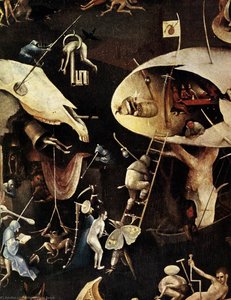
This central panel from Hieronymus Bosch's *Last Judgement Triptych*, painted in 1504, is not merely a depiction of Hell; it’s an immersive and profoundly disturbing experience. Measuring 163 x 128 cm, the artwork overwhelms the viewer with its density of detail and unsettling imagery – a testament to Bosch's unique artistic vision and mastery of oil painting on panel.Subject & Style: A Medieval Inferno
The scene presents a chaotic panorama of torment, populated by grotesque figures undergoing bizarre punishments. It’s a distinctly *Boschian* landscape—a fusion of realism, fantasy, and deeply rooted moral allegory. Unlike traditional depictions of Hell as fiery pits, Bosch constructs his inferno with unsettling machinery, hybrid creatures, and scenes reflecting the follies and vices of humankind. The style is characterized by meticulous detail, flattened perspective contributing to a claustrophobic atmosphere, and dramatic lighting that emphasizes the contrast between ethereal hope (represented by angelic figures above) and earthly despair below.Technique & Materials: Layers of Meaning
Bosch’s technique is remarkable for its precision and layering. Executed in oil paint, he likely employed glazing techniques to build up rich color and texture. The rough, uneven textures contribute to the overall sense of decay and suffering. His palette is dominated by earthy browns, ochres, and muted reds, punctuated by strategic flashes of blue and white – a visual representation of divine light struggling against overwhelming darkness. The meticulous brushwork brings each horrifying detail into sharp focus, demanding attention and provoking visceral reactions.Historical Context & Symbolism: A Reflection of Late Medieval Anxiety
Created during a period of religious upheaval and societal anxieties in the Netherlands, this artwork reflects the late medieval preoccupation with sin, judgment, and salvation. Bosch’s work wasn't simply illustrative; it was deeply symbolic. Instruments of torture represent earthly punishments for specific sins, while bizarre creatures embody demonic forces and the consequences of moral corruption. The inclusion of seemingly mundane objects transformed into instruments of torment underscores Bosch’s belief that sin permeates all aspects of life. Considered alongside works like *The Haywain Triptych*, it's clear Bosch was deeply concerned with humanity’s propensity for vice and the inevitability of divine retribution.Emotional Impact & Interpretation: A Moral Warning
This panel evokes powerful emotions – horror, disgust, fear, and a profound sense of moral decay. It is not intended to be aesthetically pleasing; rather, it serves as a stark warning against succumbing to temptation and embracing sin. The overwhelming chaos and suffering depicted are meant to shock the viewer into self-reflection and inspire repentance. The artwork’s enduring power lies in its ability to tap into universal anxieties about mortality, judgment, and the consequences of our actions.For Collectors & Designers
- A Statement Piece: A high-quality reproduction of this panel serves as a compelling focal point for any space.
- Historical Significance: Owning a print connects you to the legacy of one of art history’s most enigmatic and influential masters.
- Intriguing Conversation Starter: The artwork's complex symbolism and unsettling imagery are guaranteed to spark discussion and contemplation.
- Versatile Aesthetic: While dark in tone, its intricate detail complements both traditional and contemporary interiors.
问答 (or more naturally for a website heading): Klausimai ir atsakymai
Ar yra galima peržiūrėti „Last Judgement Triptych (central panel)“, autorius – Jeronim Kasas per diorama?
Galima peržiūrėti nuotraukų rodyklę: Diaporama puslapį kūriniam „Last Judgement Triptych (central panel)“, autorius – Jeronim Kasas.
Ar galiu pamatyti „Last Judgement Triptych (central panel)“, autorius – Jeronim Kasas rentgeno nuotrauką?
„Last Judgement Triptych (central panel)“ galima tyrinėti sluoksniu sluoksnį pusėje, naudojant kūrinio Rentgenas puslapį – interaktyvų vaizdo peržiūrą, įkvėptą restauratoriaus šviesos stalo ir siūlantį vien ambivalentišką vaizdą, sudarytą iš vienylies optinių sluoksnių.
Kokio ryškumo spalvos turi „Last Judgement Triptych (central panel)“, autorius – Jeronim Kasas?
„Last Judgement Triptych (central panel)“ spalvų intensyvumas yra Monochromatic. Intensyvumas apibūdina, koks spalvų ryškumas yra suvokiamas.
Autoriaus biografija
A Netherlandish Enigma: The Life and Art of Hieronymus Bosch
Hieronymus Bosch (c. 1450-1516), Dutch Renaissance master of surrealism & symbolism, remains one of art history’s most perplexing figures—a man whose life is shrouded in obscurity yet whose artistic output continues to resonate powerfully across centuries. Born around 1450 in ’s-Hertogenbosch, Brabant – then a bastion of medieval piety – Bosch emerged from a family steeped in artistic tradition, inheriting the skills and sensibilities of his father and grandfather, Jan van Aken. Biographical details are frustratingly sparse; records offer tantalizing glimpses but ultimately fail to illuminate the contours of his personal existence—a deliberate choice perhaps that contributed to the enduring mystique surrounding him. He married Aleyt Goyaerts van den Meerveen before 1481, securing a degree of financial stability through her family’s holdings, though little else is documented about their marital life.Fantastical Visions and Symbolic Depths
Bosch’s artistic style defies easy categorization—a breathtaking fusion of meticulous realism and hallucinatory imagination. Primarily working with oil on oak panels, he demonstrated unparalleled mastery of the medium, achieving luminous colors and astonishing textural detail. While his early canvases mirrored prevailing Netherlandish conventions – particularly in their depiction of biblical narratives – Bosch swiftly transcended mere imitation, forging a profoundly original vision rooted in unsettling psychological explorations. His paintings aren’t simply representations of the visible world; they are elaborate allegories populated by grotesque creatures—demons, hybrids, and fantastical beasts—that embody moral failings and spiritual anxieties. These figures aren't merely decorative additions; they serve as conduits for profound theological concepts, conveying fears of sin, temptations, and the inescapable judgment of God. Consider The Garden of Earthly Delights (c. 1490-1510), a monumental triptych that depicts paradise, earthly indulgence, and hell—a complex visual tapestry designed to provoke contemplation on humanity’s relationship with divine grace. The central panel portrays a hedonistic world consumed by sensual desire, while the left panel presents Edenic bliss marred by unsettling distortions – a masterful demonstration of Bosch's ability to juxtapose beauty and terror.Religious Themes and Moral Allegory
Bosch’s artistic impulse stemmed from deep engagement with medieval religious thought—particularly apocalyptic prophecies that underscored the vulnerability of human existence before divine wrath. He eschewed straightforward depictions of biblical stories, instead utilizing symbolism to grapple with thorny ethical dilemmas and theological conundrums. His creatures – demons, hybrids, and unsettling human figures – aren't merely visual curiosities; they embody vices and temptations, reflecting anxieties prevalent during his time—fears of heresy and social upheaval. The blending of sacred and profane imagery—a hallmark of Bosch’s oeuvre—creates a disconcerting effect that continues to captivate audiences today. Artists like Pieter Bruegel the Elder acknowledged Bosch's influence, adopting similar compositional techniques and thematic concerns. Furthermore, Surrealist painters such as Salvador Dalí drew inspiration from Bosch’s dreamlike landscapes and exploration of the subconscious mind – securing his place as a precursor to modern artistic experimentation.Major Achievements and Legacy
Bosch’s enduring legacy rests upon a remarkable body of work—characterized by unparalleled psychological depth and stylistic innovation. Among his most celebrated masterpieces are The Last Judgement Triptych (c. 1480-1490), which portrays the harrowing spectacle of divine retribution; and Ascent of the Blessed (c. 1480-1490), depicting ethereal visions of paradise—a testament to Bosch’s ability to evoke profound emotional responses. Even smaller canvases like Epiphany (c. 1495) showcase his masterful command of oil on wood and intricate symbolism, revealing a mind perpetually wrestling with existential questions. Bosch's influence extends far beyond the confines of his own era—inspiring subsequent artists and shaping artistic movements into the 20th century. His unsettling visions continue to provoke debate and inspire creativity, cementing his position as one of art history’s most singular voices – a testament to the enduring power of imagination and symbolic expression.
Jeronim Kasas
1450 - 1516 , Nyderlandai
Trumpa informacija apie kūrėją
- Artistic Movement Or Style: Surrealizmas, Simbolizmas
- Artists Or Movements Influenced By This Artist: ['Pieter Bruegel Senelis']
- Date Of Birth: c. 1450
- Date Of Death: 1516
- Full Name: Hieronymus Bosch
- Nationality: Olandas
- Notable Artworks:
- Žemės Šėldžio Sodas
- Paskutinio Balsimo Triptychas
- Šventųjų Ascensija
- Place Of Birth: Den Bosch, Netherlands
Susiję straipsniai
Oil on Panel: A Historical Survey of Technique, Support & Aesthetic Evolution
Explore the rich history of oil on panel painting! Discover Renaissance techniques, support structures & aesthetic evolution. Expert insights for art collectors and enthusiasts.
Mastering the Surface: A Historical and Technical Guide to the Art of Oil on Panel Painting
Explore the profound history and technical brilliance of oil on panel painting. From Renaissance masters to modern techniques, discover why this rigid support offers unparalleled precision and permanence for fine art lovers and collectors.
Hieronymus Bosch: Decoding the Visions of a Netherlandish Master
Explore the captivating world of Hieronymus Bosch! Delve into the symbolism, religious context, and artistic innovation of this Netherlandish master with OriginalUniqueArt's expert analysis. Discover his iconic paintings & lasting influence.
Hieronimo Bošiaus Šedevrai: 25 Išskirtiniai Meno Kūriniai Jūsų Interjerui
Atraskite 25 įspūdingiausius Hieronimo Bošiaus paveikslus! Gilinkitės į renesanso meną, simbolizmą ir viduramžių tapybos paslaptis. Meno reprodukcijos jūsų interjerui – OriginalUniqueArt.com
Oil on Panel Masters: 10 Paintings That Revolutionized Art |
Journey through 10 legendary 'Oil on Panel' masterpieces by Van Eyck, Bosch & Bruegel. Explore the stories behind these iconic Renaissance & Baroque paintings and find museum-quality art reproductions to elevate your home decor. Discover all masterpieces on !