Peržiūrėti realaus dydžio版
 Siųsti
 Dalintis
 Išsamiau
 Vadovas

 Atsisiųsti
 Panašūs eksponatai
 Rentgeno spindulių nuotrauka
 Diaporama
 Statistika
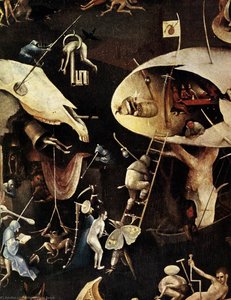
Haywain (detail)


 Rodyti daugiau
Giclée / Meno spausdinimas
Muziejų lygio „giclée“ arba drobos spausdinimas: greita gamyba ir lankstios apdailos parinktys. ( Pirkti rankomis tapytą reprodukciją Perejti prie skaitmeninių vaizdų)




P118B $10

P118H $10

P118W $10

P438Z $10

P508JH $12

P508YH $12

P805H $10

P805Z $10

P919BZ $10

P919G $10

P919XJ $10

P959ZH $10

P968JZ $12

W106C $8

W218G $10

W218JH $8

W218Y $10

W307PJ $10

W316G $10

W316PJ $8

W316Y $10

W398PJ $8

W4111J $10

W500HY $15

W500JH $15

W692G $12

W849H $8

W940BG $15

W953PJ $8




Pasirinkite iš mūsų nustatytų dydžių, atitinkančių originalaus meno kūrinio proporcijas.

Galite nurodyti savo matmenis, kad vaizdas atitiktų konkretų rėmą ar erdvę. Jei pasirinktas dydis nesutaps su originalaus paveikslėlio proporcijomis, mes arba apkirpsime kūrinį, arba išplėsime vaizdą naudojant veideliu atspindėtą arba vientisą šoną. Skaitmeninis maketas bus išsiųstas jums patvirtinti prieš pradedant gamybą.
Atkreipkite dėmesį, kad ekrane matomas vaizdinys neatspindi tikrojo apkirpimo ar išplėtimo. Tik maketas tiksliai parodytų galutinę kompoziciją.
Nors galima rinktis ir individualius dydžius, rekomenduojame pasirinkti vieną iš išanksti nustatytų matmenų, kad būtų išlaikytos originalios proporcijos.
Pristatymas visame pasaulyje () per 2 weeks, o ne įprastas 4/5 savaičių laikotarpis. (25 rugsėjis)

Nemokamas greitasis pristatymas visame pasaulyje

Aukštos kokybės lininis drobė

Pilnas siuntimo draudimas

Muitinės mokesčių grąžinimo garantija

Tikro spalvų atitikimo garantija

100 dienų grąžinimo politika (tik esant įtaigoms)

100% pinigų grąžinimo garantija

Nuolaida dideliems užsakymams
 Stiklo variantas prieinamas tik pasirinkus dydį iki 110 cm

Haywain (detail)
Giclée / Meno spausdinimas
Reprodukcijos dydis
-


Visų pasirinktų variantų kaina
$ 80
A Window into Medieval Life: Hieronymus Bosch’s “Haywain” (Detail)
The intricate detail of this "Haywain" panel by Hieronymus Bosch offers an unparalleled glimpse into the rhythms and anxieties of 16th-century village life. Painted around 1500, during a period of profound religious upheaval and burgeoning social change in the Netherlands, the artwork transcends a simple depiction of rural activity; it’s a carefully constructed allegory brimming with symbolic weight. Bosch, already a figure shrouded in mystery, masterfully captures the essence of human endeavor – the mundane tasks of farming, the preparation for communal events, and the quiet interactions that defined daily existence – all rendered with an almost unsettling realism.
- Subject Matter: The scene unfolds within a small village, populated by figures engaged in various activities. A horse stands prominently, likely representing labor and sustenance.
- Technique: Bosch’s meticulous brushwork and use of oil paint create a remarkable level of detail, particularly evident in the textures of clothing, tools, and the animal's form. The layering of glazes contributes to the painting’s luminous quality.
- Composition: The arrangement of figures is deliberately complex, drawing the viewer’s eye across the panel and subtly guiding their interpretation.
The Artist and His Time
Hieronymus Bosch (c. 1450-1516), born Jheronimus van Aken in ’s-Hertogenbosch, was a unique artistic voice operating within the context of late medieval Netherlandish painting. His family’s artistic lineage – his grandfather and father were both painters – provided him with foundational skills, yet he quickly developed a style that diverged dramatically from prevailing trends. Bosch's work reflects the anxieties of his time: the rise of Protestantism, the corruption within the Catholic Church, and a growing sense of unease about humanity’s place in the world. His paintings are often interpreted as moral critiques, filled with disturbing imagery designed to provoke contemplation and perhaps even fear.
Key Biographical Points:- Bosch's early training likely occurred within his family workshop.
- He developed a highly individualistic style characterized by fantastical creatures, symbolic objects, and unsettling narratives.
- Limited biographical information remains, adding to the enduring fascination surrounding this enigmatic artist.
Symbolism and Interpretation
Beyond its immediate depiction of village life, “Haywain” is laden with symbolism, reflecting Bosch’s deeply religious worldview and his concerns about sin and redemption. The objects held by the figures – a wheelbarrow, spade, bowl – represent earthly pursuits, while the overall scene can be interpreted as a microcosm of human existence, fraught with temptation and moral choices. The presence of unusual elements, such as the strange attire of some figures and the unsettling expressions on their faces, further enhances the painting’s symbolic complexity. It is believed that the panel was originally intended for a private chapel, suggesting a deeply personal and devotional purpose.
Possible Interpretations:- The horse could represent labor or even demonic forces.
- The various objects symbolize earthly desires and temptations.
- The overall scene may be an allegory of the human condition – our struggle between good and evil.
A Timeless Masterpiece: Reproduction Possibilities
This detailed reproduction captures the essence of Bosch’s “Haywain,” offering a stunning addition to any art collection or interior design scheme. OriginalUniqueArt.com offers hand-painted reproductions using archival quality materials, ensuring that this iconic artwork will retain its beauty and vibrancy for generations to come. Whether you are an admirer of Bosch's unique vision, a collector seeking to expand your holdings, or an interior designer aiming to create a captivating space, our reproduction provides an authentic representation of this remarkable masterpiece.
Autoriaus biografija
A Netherlandish Enigma: The Life and Art of Hieronymus Bosch
Hieronymus Bosch (c. 1450-1516), Dutch Renaissance master of surrealism & symbolism, remains one of art history’s most perplexing figures—a man whose life is shrouded in obscurity yet whose artistic output continues to resonate powerfully across centuries. Born around 1450 in ’s-Hertogenbosch, Brabant – then a bastion of medieval piety – Bosch emerged from a family steeped in artistic tradition, inheriting the skills and sensibilities of his father and grandfather, Jan van Aken. Biographical details are frustratingly sparse; records offer tantalizing glimpses but ultimately fail to illuminate the contours of his personal existence—a deliberate choice perhaps that contributed to the enduring mystique surrounding him. He married Aleyt Goyaerts van den Meerveen before 1481, securing a degree of financial stability through her family’s holdings, though little else is documented about their marital life.Fantastical Visions and Symbolic Depths
Bosch’s artistic style defies easy categorization—a breathtaking fusion of meticulous realism and hallucinatory imagination. Primarily working with oil on oak panels, he demonstrated unparalleled mastery of the medium, achieving luminous colors and astonishing textural detail. While his early canvases mirrored prevailing Netherlandish conventions – particularly in their depiction of biblical narratives – Bosch swiftly transcended mere imitation, forging a profoundly original vision rooted in unsettling psychological explorations. His paintings aren’t simply representations of the visible world; they are elaborate allegories populated by grotesque creatures—demons, hybrids, and fantastical beasts—that embody moral failings and spiritual anxieties. These figures aren't merely decorative additions; they serve as conduits for profound theological concepts, conveying fears of sin, temptations, and the inescapable judgment of God. Consider The Garden of Earthly Delights (c. 1490-1510), a monumental triptych that depicts paradise, earthly indulgence, and hell—a complex visual tapestry designed to provoke contemplation on humanity’s relationship with divine grace. The central panel portrays a hedonistic world consumed by sensual desire, while the left panel presents Edenic bliss marred by unsettling distortions – a masterful demonstration of Bosch's ability to juxtapose beauty and terror.Religious Themes and Moral Allegory
Bosch’s artistic impulse stemmed from deep engagement with medieval religious thought—particularly apocalyptic prophecies that underscored the vulnerability of human existence before divine wrath. He eschewed straightforward depictions of biblical stories, instead utilizing symbolism to grapple with thorny ethical dilemmas and theological conundrums. His creatures – demons, hybrids, and unsettling human figures – aren't merely visual curiosities; they embody vices and temptations, reflecting anxieties prevalent during his time—fears of heresy and social upheaval. The blending of sacred and profane imagery—a hallmark of Bosch’s oeuvre—creates a disconcerting effect that continues to captivate audiences today. Artists like Pieter Bruegel the Elder acknowledged Bosch's influence, adopting similar compositional techniques and thematic concerns. Furthermore, Surrealist painters such as Salvador Dalí drew inspiration from Bosch’s dreamlike landscapes and exploration of the subconscious mind – securing his place as a precursor to modern artistic experimentation.Major Achievements and Legacy
Bosch’s enduring legacy rests upon a remarkable body of work—characterized by unparalleled psychological depth and stylistic innovation. Among his most celebrated masterpieces are The Last Judgement Triptych (c. 1480-1490), which portrays the harrowing spectacle of divine retribution; and Ascent of the Blessed (c. 1480-1490), depicting ethereal visions of paradise—a testament to Bosch’s ability to evoke profound emotional responses. Even smaller canvases like Epiphany (c. 1495) showcase his masterful command of oil on wood and intricate symbolism, revealing a mind perpetually wrestling with existential questions. Bosch's influence extends far beyond the confines of his own era—inspiring subsequent artists and shaping artistic movements into the 20th century. His unsettling visions continue to provoke debate and inspire creativity, cementing his position as one of art history’s most singular voices – a testament to the enduring power of imagination and symbolic expression.
Jeronim Kasas
1450 - 1516 , Nyderlandai
Trumpa informacija apie kūrėją
- Artistic Movement Or Style: Surrealizmas, Simbolizmas
- Artists Or Movements Influenced By This Artist: ['Pieter Bruegel Senelis']
- Date Of Birth: c. 1450
- Date Of Death: 1516
- Full Name: Hieronymus Bosch
- Nationality: Olandas
- Notable Artworks:
- Žemės Šėldžio Sodas
- Paskutinio Balsimo Triptychas
- Šventųjų Ascensija
- Place Of Birth: Den Bosch, Netherlands
Susiję straipsniai

OriginalUniqueArt.com F.A.Q.: Elevate Your Decor with Premium Textured Giclée Prints
Discover the distinction of OriginalUniqueArt.com premium textured Giclée prints. Expertly crafted with archival 12-color pigments and museum-grade substrates, our prints offer unparalleled vividness for the discerning collector seeking luxury, durability, and timeless elegance.