Peržiūrėti realaus dydžio版
 Siųsti
 Dalintis
 Išsamiau
 Vadovas

 Atsisiųsti
 Panašūs eksponatai
 Rentgeno spindulių nuotrauka
 Diaporama
 Statistika
Ecce Homo
 Aliejus ant plokštės
- Early Netherlandish Painting
 1500
1500- Renesansas
 60.0 x 71.0 cm
 Städel Museum
 Rodyti daugiau
Rankų darbo aliejinės reprodukcijos
Rankiniu būdu tapytas aliejus ant droblio jūsų pageidaujamame dydį ir rėmuose – mūsų menininkų darbas pagal užsakymą. ( Perjungti į spausdinimą Perejti prie skaitmeninių vaizdų)




P118B $10

P118H $10

P118W $10

P438Z $10

P508JH $12

P508YH $12

P805H $10

P805Z $10

P919BZ $10

P919G $10

P919XJ $10

P959ZH $10

P968JZ $12

W106C $8

W218G $10

W218JH $8

W218Y $10

W307PJ $10

W316G $10

W316PJ $8

W316Y $10

W398PJ $8

W4111J $10

W500HY $15

W500JH $15

W692G $12

W849H $8

W940BG $15

W953PJ $8




Pasirinkite iš mūsų nustatytų dydžių, atitinkančių originalaus meno kūrinio proporcijas.

Galite įvesti savo matmenis, kad jie atitiktų konkretų rėmą ar erdvę. Jei pasirinktas dydis neatitinka originalaus paveikslėlio proporcijų, mes arba apkropsime meno kūrinį, arba papildysime tapybą rankomis dažytい elementais. Prieš pradėdami gamybą, jūsų patvirtinimui atsiųsime skaitmeninį maketą.
Atkreipkite dėmesį, kad ekrane rodomas vaizdas neatspindi tikrojo apkarpymo ar papildymo. Tik maketas tiksliai parodys galutinę kompoziciją.
Nors galima rinktis ir individualius dydžius, rekomenduojame pasirinkti matmenis iš nustatytos sąrašo, kad būtų išlaikytos originalios proporcijos.
Gavus užsakymą, OriginalUniqueArt.com komanda susisieks su klientu el. paštu dėl instrukcijų ir pateiks maketo pavyzdį
Pristatymas visame pasaulyje () per 3–4 savaites, o ne įprastai – per 5 savaites. (26 rugsėjis). Kokybė lieka nepakeičiama.

Nemokamas greitasis pristatymas visame pasaulyje

Aukštos kokybės lininis drobė

Pilnas siuntimo draudimas

Muitinės mokesčių grąžinimo garantija

Tikro spalvų atitikimo garantija

100 dienų grąžinimo politika (tik esant įtaigoms)

100% pinigų grąžinimo garantija

Nuolaida dideliems užsakymams
 Stiklo variantas prieinamas tik pasirinkus dydį iki 110 cm

Ecce Homo
Reprodukcijos technika
Reprodukcijos dydis
-


Visų pasirinktų variantų kaina
$ 650
A Moment of Profound Humanity: Exploring Bosch’s *Ecce Homo* (c. 1490s)
This poignant depiction of Christ presented to the crowd – “Behold the Man” (*Ecce Homo*) – offers a compelling glimpse into Hieronymus Bosch's unique artistic vision, revealing his mastery of detail and profound understanding of human emotion within a pivotal biblical scene.Subject & Narrative
This artwork portrays the dramatic moment described in the Gospel of John (19:5), where Pontius Pilate presents a scourged Jesus Christ to a hostile crowd. It’s not merely a historical depiction, but an invitation to contemplate suffering, judgment, and the weight of salvation. The composition is crowded and dynamic, focusing on the physical presentation of Christ – lowered by Nicodemus and John – amidst a throng of onlookers including Roman soldiers and grieving figures. Bosch skillfully captures the tension and emotional turmoil inherent in this crucial moment before the crucifixion.Style & Technique
Executed in oil paints on wood panel, this *Ecce Homo* exemplifies the meticulous detail characteristic of the Early Netherlandish painting tradition. Bosch’s style is instantly recognizable for its blend of realism and fantastical elements. While grounded in observable reality – evident in the architectural setting and anatomical rendering of figures – a subtle undercurrent of unease permeates the scene, hinting at the artist's broader concerns with human fallibility and spiritual struggle. The technique involves layering glazes to build up color and form, creating a luminous effect and rich textures achieved through visible brushstrokes (impasto). Lines are used extensively to define forms, particularly in the drapery and stonework.Historical Context & Symbolism
Created around the 1490s, this painting reflects the religious fervor of the late medieval period. The *Ecce Homo* motif was a common subject in Christian art, serving as a powerful reminder of Christ’s sacrifice. However, Bosch infuses the scene with his own distinctive symbolism. The grief-stricken expressions of the onlookers emphasize the human cost of sin and redemption. The presence of Roman soldiers underscores the political context of Christ's trial and execution. The architectural setting – a tower doorway leading to a city skyline – may symbolize the transition between earthly suffering and heavenly hope, or perhaps the confines of worldly existence.Emotional Impact & Interpretation
Bosch’s *Ecce Homo* evokes a complex range of emotions: sorrow, piety, contemplation, and even a sense of foreboding. The painting is not simply about witnessing Christ's suffering; it's about confronting our own mortality and the consequences of human actions. The crowded composition and dramatic lighting intensify the emotional impact, drawing the viewer into the heart of the scene. It’s a work that invites prolonged engagement and encourages reflection on themes of faith, sacrifice, and the enduring power of hope in the face of adversity.For Collectors & Designers
- A striking focal point for any collection of Renaissance art.
- Its rich color palette and detailed composition complement both traditional and contemporary interiors.
- The painting’s profound emotional depth adds a layer of intellectual and spiritual resonance to any space.
- High-quality reproductions capture the nuances of Bosch's technique, making this masterpiece accessible for discerning art enthusiasts.
Autoriaus biografija
A Netherlandish Enigma: The Life and Art of Hieronymus Bosch
Hieronymus Bosch (c. 1450-1516), Dutch Renaissance master of surrealism & symbolism, remains one of art history’s most perplexing figures—a man whose life is shrouded in obscurity yet whose artistic output continues to resonate powerfully across centuries. Born around 1450 in ’s-Hertogenbosch, Brabant – then a bastion of medieval piety – Bosch emerged from a family steeped in artistic tradition, inheriting the skills and sensibilities of his father and grandfather, Jan van Aken. Biographical details are frustratingly sparse; records offer tantalizing glimpses but ultimately fail to illuminate the contours of his personal existence—a deliberate choice perhaps that contributed to the enduring mystique surrounding him. He married Aleyt Goyaerts van den Meerveen before 1481, securing a degree of financial stability through her family’s holdings, though little else is documented about their marital life.Fantastical Visions and Symbolic Depths
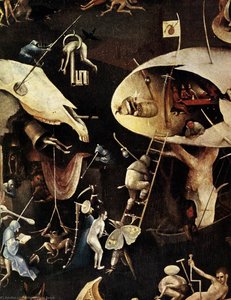
Bosch’s artistic style defies easy categorization—a breathtaking fusion of meticulous realism and hallucinatory imagination. Primarily working with oil on oak panels, he demonstrated unparalleled mastery of the medium, achieving luminous colors and astonishing textural detail. While his early canvases mirrored prevailing Netherlandish conventions – particularly in their depiction of biblical narratives – Bosch swiftly transcended mere imitation, forging a profoundly original vision rooted in unsettling psychological explorations. His paintings aren’t simply representations of the visible world; they are elaborate allegories populated by grotesque creatures—demons, hybrids, and fantastical beasts—that embody moral failings and spiritual anxieties. These figures aren't merely decorative additions; they serve as conduits for profound theological concepts, conveying fears of sin, temptations, and the inescapable judgment of God. Consider The Garden of Earthly Delights (c. 1490-1510), a monumental triptych that depicts paradise, earthly indulgence, and hell—a complex visual tapestry designed to provoke contemplation on humanity’s relationship with divine grace. The central panel portrays a hedonistic world consumed by sensual desire, while the left panel presents Edenic bliss marred by unsettling distortions – a masterful demonstration of Bosch's ability to juxtapose beauty and terror.Religious Themes and Moral Allegory
Bosch’s artistic impulse stemmed from deep engagement with medieval religious thought—particularly apocalyptic prophecies that underscored the vulnerability of human existence before divine wrath. He eschewed straightforward depictions of biblical stories, instead utilizing symbolism to grapple with thorny ethical dilemmas and theological conundrums. His creatures – demons, hybrids, and unsettling human figures – aren't merely visual curiosities; they embody vices and temptations, reflecting anxieties prevalent during his time—fears of heresy and social upheaval. The blending of sacred and profane imagery—a hallmark of Bosch’s oeuvre—creates a disconcerting effect that continues to captivate audiences today. Artists like Pieter Bruegel the Elder acknowledged Bosch's influence, adopting similar compositional techniques and thematic concerns. Furthermore, Surrealist painters such as Salvador Dalí drew inspiration from Bosch’s dreamlike landscapes and exploration of the subconscious mind – securing his place as a precursor to modern artistic experimentation.Major Achievements and Legacy
Bosch’s enduring legacy rests upon a remarkable body of work—characterized by unparalleled psychological depth and stylistic innovation. Among his most celebrated masterpieces are The Last Judgement Triptych (c. 1480-1490), which portrays the harrowing spectacle of divine retribution; and Ascent of the Blessed (c. 1480-1490), depicting ethereal visions of paradise—a testament to Bosch’s ability to evoke profound emotional responses. Even smaller canvases like Epiphany (c. 1495) showcase his masterful command of oil on wood and intricate symbolism, revealing a mind perpetually wrestling with existential questions. Bosch's influence extends far beyond the confines of his own era—inspiring subsequent artists and shaping artistic movements into the 20th century. His unsettling visions continue to provoke debate and inspire creativity, cementing his position as one of art history’s most singular voices – a testament to the enduring power of imagination and symbolic expression.
Jeronim Kasas
1450 - 1516 , Nyderlandai
Trumpa informacija apie kūrėją
- Artistic Movement Or Style: Surrealizmas, Simbolizmas
- Artists Or Movements Influenced By This Artist: ['Pieter Bruegel Senelis']
- Date Of Birth: c. 1450
- Date Of Death: 1516
- Full Name: Hieronymus Bosch
- Nationality: Olandas
- Notable Artworks:
- Žemės Šėldžio Sodas
- Paskutinio Balsimo Triptychas
- Šventųjų Ascensija
- Place Of Birth: Den Bosch, Netherlands
Susiję straipsniai
Staatliche Museen perlai: 25 meno šedevrai jūsų interjerui | OriginalUniqueArt.com
Atraskite 25 įspūdingiausius Staatliche Museen meno šedevrus! Išsami istorija apie Nefertiti, Pergamon muziejaus eksponatus ir kitas ikonas. Įkvėpkite interjerui su aukštos kokybės reprodukcijomis iš OriginalUniqueArt.com.
Prado Šedevrai: Top 25 Tapybų Kūriniai, Įkvėpę Kartas | OriginalUniqueArt
Atraskite 25 ikoniškus Prado muziejaus šedevrus! Goya, Velázquez ir El Greco kūriniai – istorijos, stiliai, įkvėpimas jūsų interjerui. Meno reprodukcijos aukščiausia kokybe OriginalUniqueArt.com

Illuminating Realism: A Comprehensive Exploration of the Early Netherlandish Renaissance Movement
Explore the captivating world of Early Netherlandish painting! Discover Jan van Eyck & other Flemish masters, their revolutionary techniques, hidden symbolism, and lasting legacy. A comprehensive guide for art enthusiasts.
Hieronimo Bošiaus Šedevrai: 25 Išskirtiniai Meno Kūriniai Jūsų Interjerui
Atraskite 25 įspūdingiausius Hieronimo Bošiaus paveikslus! Gilinkitės į renesanso meną, simbolizmą ir viduramžių tapybos paslaptis. Meno reprodukcijos jūsų interjerui – OriginalUniqueArt.com
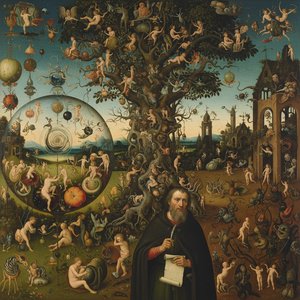
Hieronymus Bosch: Decoding the Visions of a Netherlandish Master
Explore the captivating world of Hieronymus Bosch! Delve into the symbolism, religious context, and artistic innovation of this Netherlandish master with OriginalUniqueArt's expert analysis. Discover his iconic paintings & lasting influence.