
 Peržiūrėti realybėje
 Pasidalinti
 Dalintis
 Išsamiau

 Atsisiųsti
 Panašūs eksponatai
 Rentgeno nuotrauka
 Automatinė diorama
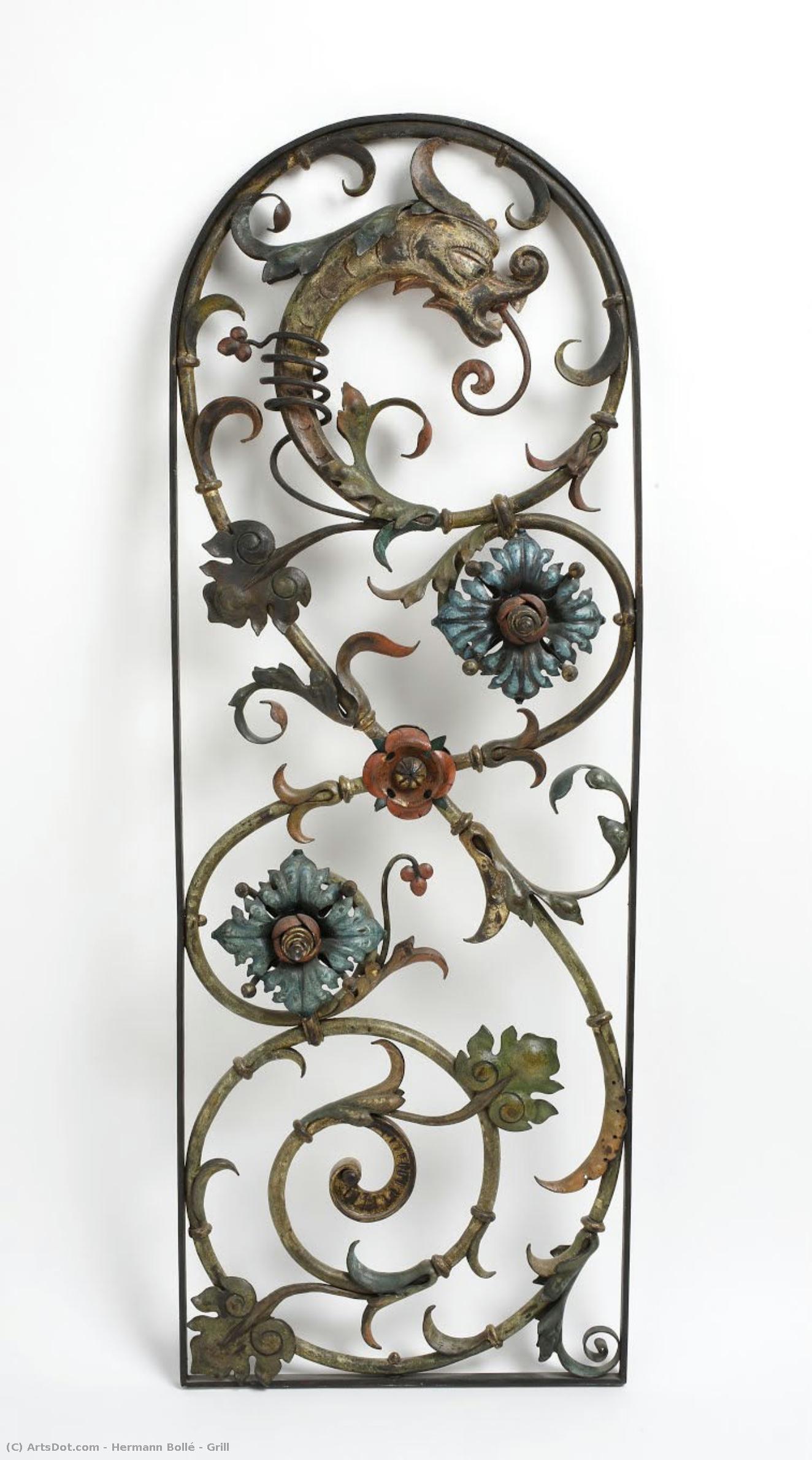
Grill
 1800
1800 100.0 x 36.0 cm
 The Museum of Arts and Crafts
 Skaityti daugiau
Įsigykite aukštos skiriamosios raiškos, patobulintą skaitmeninį vaizdą, gerokai pranašesnį už internetinę peržiūrą.
Kiekvieną failą mūsų specialistai kruopščiai paruošia naudojant pažangias technologijas ir profesionalų rankinį retušavimą. Užtikriname, kad kiekvienas vaizdas pasižymėtų išskirtiniu aiškumu, tikslia spalvų atspalviu ir smulkiomis detalėmis.
Baigiamas failas el. paštu pristatomas per 72 valandas; jis optimizuotas nedelsiant naudojimui profesionalioje, redakcinėje ir spausdinimo aplinkoje. Tai ta pati kokybė, kuria pasitiki aukščiausios klasės dizaino studijos, leidyklos ir galerijos.
Skaitmeninis vaizdas
Atsisiųskite didelės raiškos failą asmeniniam naudojimui, spausdinimui ir kūrybiniams projektams. ( Pirkti spaudinį Pirkti rankomis tapytą paveikslą)
Kiekvieną skaitinio vaizdo užsakymą papildė
Profesionalus skaitmeninis pristatymas, garantuotas
Pasirinkę OriginalUniqueArt.com, jūs ne tik gaunate paveikslėlį – jūs gaunate profesionaliai patobudintą skaitmeninį kūrinį, sukurtą itin tikniai ir užtikrinantį pasitenkinimą. Štai viską, kas automatiškai pritékia jūsų užsakymui:

Greitas siuntimas el. paštu
Jūsų aukštos raiškos skaitmeninis vaizdo failas bus išsiųstas jums el. paštu per 72 valaudas nuo užsakymo – paruoštas naudojimui be jokių papildomų veiksmų.

Skaitmeninis failas su dirbtiniu intelektu
Jūsų meno kūrinys profesionaliai optimizuojamas naudojant pažangius dirbtinio intelekto įrankius ir rankinį redagavimą, užtikrinant maksimalią detalę, aiškumą ir spalvų tikslumą.

Nemokamas visam laikui pakartotinis siuntimas
Atsitiktinai ištrytikote ar praradote savo failą? Nebijokite – bet kuriuo metu atsiųsime jį jums vėl nemokamai.

Jokio importo mokesčio – niekada
Mėgaukitės savo meno kūriniu akimirka – skaitiniai failai visada yra neapmokestinami, todėl nereikės mokėti muitinės, mokesčių ar pristatymo mokesčių.

Spalvų tikslumo garantija
Naudodami profesionalią įrangą ir spalvų valdymo sistemas, užtikriname, kad jūsų skaitmeninis vaizdas kuo tiksliau atspindėtų originalias spalvas.

60 dienų pasitenkinimo garantija
Jei nebuvate patenkinti savo skaitinio vaizdo, per 60 dienų jį pertaisysime arba grąkinsime 100% sumą – be jokių klausimų.

100% pinigų grąžinimo garantija
Nepat 만족inti? Gaukite visą sumokėtą sumą per 60 dienų nuo skaitmeninio failo gavimo – be jokių papildomų klausimų.

Nuolaidos dideliems užsakymams
Pirkti 3 nuotraukas – pasiūla 10% - Pirkti 5 – pasiūla 15% - Pirkti 10 ir daugiau – pasiūla 20%. Puikiai tinka kūrybiniams projektams, galerijoms bei agentūroms.
Autoriaus biografija
The Architect of a Nation's Soul
In the grand tapestry of Austro-Hungarian history, few figures have woven as indelible a thread into the urban fabric of Croatia as Hermann Bollé. Born in the storied city of Cologne in 1845, Bollé’s journey was one of profound transformation, moving from the precise calculations of civil engineering to the sublime heights of architectural artistry. His early training in the studio of Heinrich Wiethase provided a foundational intimacy with ecclesiastical design, an experience that instilled in him a lifelong reverence for the spiritual weight of stone and spire. This technical rigor, paired with a burgeoning aesthetic sensibility, set the stage for a career that would transcend mere construction, evolving into a mission to define the very identity of a region.
The trajectory of Bollé’s life took a decisive turn through his academic pursuits at the Academy of Fine Arts in Vienna. It was here, amidst the intellectual ferment of one of Europe's great cultural capitals, that he worked under the mentorship of the legendary Friedrich von Schmidt. This collaboration was much more than a professional apprenticeship; it was an immersion into the Gothic Revival movement, a style that sought to recapture the grandeur and moral clarity of the Middle Ages. Through Schmidt, Bollé mastered the language of monumentalism, learning how light, shadow, and verticality could be harnessed to evoke the divine. This period of intense study prepared him for his fateful encounter with Bishop Josip Juraj Strossmayer in Italy, a meeting that would redirect his talents toward the burgeoning cultural landscape of Croatia.
A Legacy Carved in Stone
Upon settling in Zagreb in 1878, Bollé embarked on an ambitious crusade to revitalize the architectural heritage of the Croatian lands. He did not merely build; he restored, breathed life into ruins, and reimagined the skyline. His work was characterized by a meticulous attention to historical authenticity, blended with a visionary approach to urban planning. The restoration of St. Mark’s Church served as an early testament to his ability to honor the past while preparing it for the future. As his influence grew, so did the scale of his contributions, moving from individual monuments to the comprehensive shaping of the city itself.
The breadth of his achievements is nothing short of breathtaking, encompassing a variety of styles that reflect both his technical versatility and his deep respect for tradition:
- The Zagreb Cathedral: Perhaps his most iconic achievement, where his work on the completion of this monumental structure solidified his status as a master of the Neo-Gothic style.
- Mirogoj Cemetery: A masterpiece of funerary architecture, where Bollé’s design creates a serene, dignified space that serves as a profound reflection on life and mortality.
- The Museum of Arts and Crafts: A testament to his ability to integrate functional urban needs with aesthetic elegance, contributing to the cultural sophistication of Zagreb.
- Ecclesiastical Grandeur: His involvement in projects like the Cathedral of St. Peter and St. Paul in Đakovo and the Holy Trinity Greek Catholic Cathedral in Križevci showcased his mastery of religious architecture across different denominations.
The Enduring Silhouette of Zagreb
Beyond the physical structures that bear his name, Hermann Bollé’s true significance lies in his role as a cultural architect. He was a man who understood that a city is not merely a collection of buildings, but a living organism shaped by its history and its aspirations. Through his comprehensive city planning initiatives, he prioritized a harmony between functionality and beauty, ensuring that the expansion of Zagreb was both orderly and aesthetically cohesive. His work provided a sense of continuity for a people navigating the complexities of the late 19th and early 20th centuries.
When Bollé passed away in Zagreb in 1926, he left behind a landscape that had been fundamentally transformed. To walk through the streets of Zagreb or to stand beneath the soaring arches of his cathedrals is to encounter his enduring spirit. He remains a pivotal figure whose work bridged the gap between German technical precision and Croatian cultural identity, leaving an indelible mark on the architectural soul of Central Europe.

hermann bollé
1845 - 1926 , Germany
Trumpai apie šį kūrėją
- Artistic Movement Or Style: Neo-Gothic
- Artists Or Movements Influenced By This Artist: ['Zagreb']
- Artists Who Influenced This Artist: ['Friedrich von Schmidt']
- Date Of Birth: 18 September 1845
- Date Of Death: 17 April 1926
- Full Name: Hermann Bollé
- Nationality: Austro-Hungarian
- Notable Artworks: ['Grill']
- Place Of Birth: Cologne, Germany

