

 Peržiūrėti realybėje
 Pasidalinti
 Dalintis
 Išsamiau

 Atsisiųsti
 Panašūs eksponatai
 Rentgeno nuotrauka
 Automatinė diorama
Landscape


 Skaityti daugiau
Rankų darbo aliejinės reprodukcijos
Rankiniu būdu tapytas aliejus ant droblio jūsų pageidaujamame dydį ir rėmuose – mūsų menininkų darbas pagal užsakymą. ( Pirkti spaudinį Pirkti vaizdą)




P118B $10

P118H $10

P118W $10

P438Z $10

P508JH $12

P508YH $12

P805H $10

P805Z $10

P919BZ $10

P919G $10

P919XJ $10

P959ZH $10

P968JZ $12

W106C $8

W218G $10

W218JH $8

W218Y $10

W307PJ $10

W316G $10

W316PJ $8

W316Y $10

W398PJ $8

W4111J $10

W500HY $15

W500JH $15

W692G $12

W849H $8

W940BG $15

W953PJ $8




Pasirinkite iš mūsų nustatytų dydžių, atitinkančių originalaus meno kūrinio proporcijas.

Galite įvesti savo matmenis, kad jie atitiktų konkretų rėmą ar erdvę. Jei pasirinktas dydis neatitinka originalaus paveikslėlio proporcijų, mes arba apkropsime meno kūrinį, arba papildysime tapybą rankomis dažytい elementais. Prieš pradėdami gamybą, jūsų patvirtinimui atsiųsime skaitmeninį maketą.
Atkreipkite dėmesį, kad ekrane rodomas vaizdas neatspindi tikrojo apkarpymo ar papildymo. Tik maketas tiksliai parodys galutinę kompoziciją.
Nors galima rinktis ir individualius dydžius, rekomenduojame pasirinkti matmenis iš nustatytos sąrašo, kad būtų išlaikytos originalios proporcijos.
Gavus užsakymą, OriginalUniqueArt.com komanda susisieks su klientu el. paštu dėl instrukcijų ir pateiks maketo pavyzdį.
Pristatymas visame pasaulyje () per 3–4 savaites, o ne įprastai – per 5 savaites. (23 rugpjūtis). Kokybė lieka nepakeičiama.

Nemokamas greitasis pristatymas visame pasaulyje

Aukštos kokybės lininis drobė

Pilnas siuntimo draudimas

Muitinės mokesčių grąžinimo garantija

Tikro spalvų atitikimo garantija

60 dienų grąžinimo politika (tik esant gamyklinėms defektams)

100% pinigų grąžinimo garantija

Nuolaida už kelias reprodukcijas
 Stiklo variantas prieinamas tik pasirinkus dydį iki 110 cm

Landscape
Reprodukcijos technika
Reprodukcijos matmenys
-


Galutinė kaina
$ 300
Autoriaus biografija
The Grandeur of a Visionary: The Life and Legacy of Henryk Siemiradzki
In the golden age of Academicism, few names commanded as much reverence or evoked as much awe as Henryk Siemiradzki. A titan of the late nineteenth century, his canvases served as magnificent portals, transporting viewers from the industrializing reality of their era into the sun-drenched splendor of antiquity and the profound spiritual depths of biblical narratives. Born in 1843 in Belgorod, within the Russian Empire, Siemiradzki was a man of dual heritage—a Polish artist whose creative soul flourished amidst the vibrant cultural landscapes of Saint Petersburg, Munich, and ultimately, Rome. His early life, steeped in the traditions of a noble family, provided him with an intellectual foundation that would later allow him to weave complex historical and mythological tapestries with unparalleled sophistication.
The trajectory of his genius was mapped through rigorous discipline and an insatiable thirst for mastery. After initial training under the local schoolteacher D.I. Besperchy, Siemiradzki entered the prestigious Imperial Academy of Arts in Saint Petersburg. It was here that his technical prowess began to crystallize, culminating in a coveted gold medal upon his graduation. However, it was his subsequent journey to Munich to study under the legendary Karl von Piloty that truly ignited his stylistic evolution. Under Piloty’s influence, Siemiradzki embraced the dramatic potential of historical painting, learning to manipulate light and shadow to create theatrical compositions that felt both monumental and intimately human. This period of intense academic refinement prepared him for his most defining chapter: his relocation to Rome in 1872.
A Master of Light, Drama, and Antiquity
Rome was not merely a residence for Siemiradzki; it was his muse. Settling amidst the eternal city's ruins and classical beauty, he developed a signature style characterized by an extraordinary ability to capture the ephemeral quality of light. His works often feature sunlit pastoral scenes that seem to breathe with the warmth of a Mediterranean afternoon, contrasted sharply by the heavy, dramatic tension of his historical tragedies. He possessed a rare gift for "theatrical realism," where every brushstroke contributed to a sense of unfolding drama, as if the viewer had stumbled upon a frozen moment of a grand opera.
His repertoire was as vast as it was profound, spanning several key thematic pillars:
- The Greco-Roman World: He breathed life into the legends of antiquity, depicting the splendor and the cruelty of ancient civilizations with meticulous archaeological detail.
- Biblical Narratives: With a sensitive hand, he approached the New Testament, creating works like Christ in the House of Martha and Mary that offered spiritual depth through human emotion.
- Historical Spectacle: His ability to render large-scale events allowed him to create monumental pieces that captured the essence of historical turning points.
- Theatrical Artistry: Beyond the canvas, his talent extended to the grandest stages, including the design of magnificent curtains for the Lwów Theatre of Opera and the Juliusz Słowacki Theatre in Kraków.
Technically, Siemiradzki was a virtuoso of the academic method. His use of color was both vibrant and controlled, capable of conveying the shimmering heat of a Roman noon or the somber, flickering glow of torches in a dark corridor. In works such as Nero's Torches, one can witness his mastery over light as it dances across surfaces, creating a sensory experience that transcends mere representation.
Historical Significance and Eternal Resonance
The significance of Henryk Siemiradzki extends far beyond the borders of Poland or the halls of the academies. He was a bridge between the classical traditions of the past and the burgeoning emotional intensity of the late nineteenth century. While some later movements would rebel against the perceived rigidity of Academicism, Siemiradzki’s work remained beloved for its ability to evoke wonder and empathy. His paintings became part of the permanent heritage of Europe, finding homes in the most prestigious national galleries across the continent.
Even today, his legacy endures through the sheer emotional impact of his compositions. He did not merely paint history; he resurrected it. Through his eyes, the ancient world was never truly lost—it remained vibrant, breathing, and eternally beautiful. As a master of Academic realism, Siemiradzki left behind a body of work that continues to invite modern viewers to contemplate the grandeur of human history and the timeless beauty of the classical spirit.
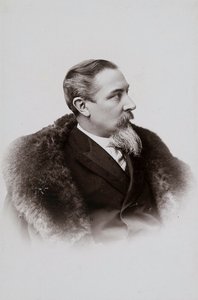
Henryk Siemiradzki
1843 - 1902 , Russia
Trumpa informacija
- Artistic Movement Or Style: Academic Art
- Artists Or Movements Influenced By This Artist: ['Romanticism']
- Artists Who Influenced This Artist: ['Karl von Piloty']
- Date Of Birth: October 24, 1843
- Date Of Death: August 23, 1902
- Full Name: Henryk Hector Siemiradzki
- Nationality: Polish
- Notable Artworks:
- Phryne At The Festival Of Poseidon
- Landscape
- Orpheus
- Place Of Birth: Belgorod, Russia
Susiję straipsniai

Evocations of Place: A Historical Journey Through Landscape Art
Explore the rich history of landscape art with OriginalUniqueArt. Discover renowned artists, movements like Impressionism & Romanticism, and expert guidance for collecting timeless pieces. Find your perfect serene escape today!

10 Romantinių Peizažų Simbolių: Tapybos Majestatės Viršūnės
Atraskite 10 legendinių romantinio peizažo kūrinių! Pasinerkite į Claude Lorrain, Caspar David Friedrich ir J.M.W. Turner genijaus pasaulį. Išmokite apie tapybos meistriškumą bei gamtos grožį. Aukščiausios kokybės meno reprodukcijos – OriginalUniqueArt.com. Tyrinėkite kolekciją!

Džono Konsteblio Šedevrai: 25 Išskirtiniai Darbai Jūsų Interjerui | OriginalUniqueArt
Atraskite 25 įspūdingiausius Džono Konsteblio paveikslus! Romantizmo meistro gamtos vaizdai, Dedham Vale peizažai ir meno istorijos šedevrai. Meno reprodukcijos jūsų interjerui – OriginalUniqueArt.com

Evocations of Place: A Historical Journey Through Landscape Art
Explore the rich history of landscape art with OriginalUniqueArt. Discover renowned artists, movements like Impressionism & tonalism, and expert guidance for collecting timeless pieces. Find your perfect serene escape today!

Evoking Nature's Sublime: A Comprehensive Exploration of 19th-Century Landscape Painting
Explore the captivating world of 19th-century landscape painting! Discover renowned artists like Friedrich & Monet, key movements, and find the perfect artwork to bring nature's serenity into your home. Expert insights at OriginalUniqueArt.

