

 Peržiūrėti realybėje
 Pasidalinti
 Dalintis
 Išsamiau

 Atsisiųsti
 Panašūs eksponatai
 Rentgeno nuotrauka
 Automatinė diorama
Dirce


 Skaityti daugiau
Giclée / Meno spausdinimas
Muziejų lygio „giclée“ arba drobos spausdinimas: greita gamyba ir lankstios apdailos parinktys. ( Pirkti rankomis tapytą paveikslą Pirkti vaizdą)




P118B $10

P118H $10

P118W $10

P438Z $10

P508JH $12

P508YH $12

P805H $10

P805Z $10

P919BZ $10

P919G $10

P919XJ $10

P959ZH $10

P968JZ $12

W106C $8

W218G $10

W218JH $8

W218Y $10

W307PJ $10

W316G $10

W316PJ $8

W316Y $10

W398PJ $8

W4111J $10

W500HY $15

W500JH $15

W692G $12

W849H $8

W940BG $15

W953PJ $8




Pasirinkite iš mūsų nustatytų dydžių, atitinkančių originalaus meno kūrinio proporcijas.

Galite nurodyti savo matmenis, kad vaizdas atitiktų konkretų rėmą ar erdvę. Jei pasirinktas dydis nesutaps su originalaus paveikslėlio proporcijomis, mes arba apkirpsime kūrinį, arba išplėsime vaizdą naudojant veideliu atspindėtą arba vientisą šoną. Skaitmeninis maketas bus išsiųstas jums patvirtinti prieš pradedant gamybą.
Atkreipkite dėmesį, kad ekrane matomas vaizdinys neatspindi tikrojo apkirpimo ar išplėtimo. Tik maketas tiksliai parodytų galutinę kompoziciją.
Nors galima rinktis ir individualius dydžius, rekomenduojame pasirinkti vieną iš išanksti nustatytų matmenų, kad būtų išlaikytos originalios proporcijos.
Pristatymas visame pasaulyje () per 2 weeks, o ne įprastas 4/5 savaičių laikotarpis. (23 rugpjūtis)

Nemokamas greitasis pristatymas visame pasaulyje

Aukštos kokybės lininis drobė

Pilnas siuntimo draudimas

Muitinės mokesčių grąžinimo garantija

Tikro spalvų atitikimo garantija

60 dienų grąžinimo politika (tik esant gamyklinėms defektams)

100% pinigų grąžinimo garantija

Nuolaida už kelias reprodukcijas
 Stiklo variantas prieinamas tik pasirinkus dydį iki 110 cm

Dirce
Giclée / Meno spausdinimas
Reprodukcijos matmenys
-


Galutinė kaina
$ 80
Autoriaus biografija
A Life Immersed in Light: The Dramatic Visions of Henryk Hector Siemiradzki
Henryk Hector Siemiradzki, born near Kharkov in Russia in 1843 and passing away in 1902, was a painter whose life became inextricably linked with the vibrant artistic atmosphere of Rome. Though Polish by birth and deeply connected to his national identity, Siemiradzki’s most significant creative period unfolded within the Italian capital, where he cultivated a style that blended academic precision with a theatrical flair for dramatic religious and historical narratives. His journey began in a family steeped in military tradition—his father rose to become an Imperial Russian Army general—but young Henryk found his calling not on the battlefield but in the realm of art. He initially studied at the Academy of Saint Petersburg, laying a solid foundation in traditional techniques before venturing further afield to Germany and France, ultimately settling in Rome in 1872. This relocation proved pivotal, marking the beginning of a prolific career that would establish him as one of the most celebrated academic painters of his era.From Classical Roots to Biblical Grandeur
Siemiradzki’s artistic development was characterized by a fascination with antiquity and a masterful command of light and color. He wasn't merely recreating historical scenes; he sought to imbue them with emotional resonance, often focusing on moments of intense psychological drama. Early works like “Christ and the Adulteress” (1873) showcased his burgeoning talent for depicting religious subjects with a sensitivity that resonated deeply with audiences. However, it was his monumental compositions inspired by Greco-Roman life that truly captured public attention. “The Living Torches of Nero” (1876), exhibited across Europe, became an instant sensation, earning him the French Legion of Honor and solidifying his reputation as a painter capable of large-scale, emotionally charged works. This painting, depicting the gruesome spectacle of Christians used as human torches by Emperor Nero, exemplifies Siemiradzki’s penchant for dramatic subject matter and meticulous detail. He didn't shy away from portraying brutality, but he did so with an artistic sensibility that elevated it beyond mere sensationalism. His canvases weren’t simply historical records; they were carefully constructed theatrical experiences designed to evoke a powerful response in the viewer.A Master of Composition and Symbolism
Siemiradzki's technique was rooted in academic principles, emphasizing precise draftsmanship, anatomical accuracy, and a sophisticated understanding of perspective. Yet, he infused this classical foundation with a distinctly Romantic sensibility, utilizing rich color palettes and dynamic compositions to create works that were both visually stunning and emotionally compelling. He excelled at capturing the interplay of light and shadow, using it to highlight key figures and amplify the drama of each scene. His paintings often feature elaborate architectural settings and meticulously rendered costumes, reflecting his deep research into historical detail. Beyond technical skill, Siemiradzki was a skilled storyteller, imbuing his works with layers of symbolism that added depth and complexity to their narratives. Works like “Orgy in the Time of Tiberius” and “Vase or Woman?” (1878) explored themes of decadence, morality, and the fleeting nature of beauty, inviting viewers to contemplate the complexities of human existence.Legacy and Influence
Siemiradzki’s influence extended far beyond his immediate circle of contemporaries. His monumental paintings were widely exhibited throughout Europe, inspiring a generation of artists with their dramatic compositions and technical virtuosity. He received commissions for large-scale projects, including frescoes for the Cathedral of Christ the Saviour in Moscow, further cementing his status as a leading figure in the European art world.- His works are now held in prominent museums across Poland, Russia, and Ukraine.
- He became known for his ability to blend historical accuracy with emotional intensity.
- Siemiradzki’s paintings continue to captivate audiences today with their powerful narratives and stunning visual beauty.

henryk hector siemiradzki
1843 - 1902 , Russia
Trumpa informacija
- Artistic Movement Or Style: Academic art
- Date Of Birth: October 24, 1843
- Date Of Death: August 23, 1902
- Full Name: Henryk Hector Siemiradzki
- Nationality: Polish
- Notable Artworks:
- Orpheus
- Nero's Torches
- Place Of Birth: Novosibirsk, Russia
Susiję straipsniai

The Enduring Legacy of Oil on Canvas: Technique, History & Aesthetic Impact
Explore the rich history & techniques of oil painting – from Renaissance masters to Impressionism. Discover pigments, layering methods, and why this timeless medium endures. Expert insights for artists & art enthusiasts.

Oil on Canvas: A Historical & Technical Exploration of a Timeless Artistic Medium
Explore the rich history & enduring techniques of oil painting on canvas. Discover the science behind its longevity, conservation practices, and contemporary relevance. Expert insights for art enthusiasts.
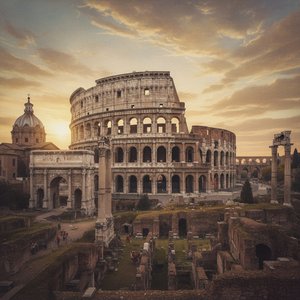
Timeless Grandeur: Capturing the Majesty of Roman Architecture through the Lens of Art History
Explore the profound beauty of Roman architecture through art history. From Piranesi's evocative engravings to classical masterpieces, discover how the grandeur of ancient Rome continues to inspire collectors and art enthusiasts worldwide.

The Enduring Power of Painting: A Historical & Contemporary Exploration of Form and Emotion
Explore the rich history & enduring techniques of oil painting with OriginalUniqueArt. Discover masterpieces, learn about art collecting, and find authentic handmade reproductions crafted by skilled artists.
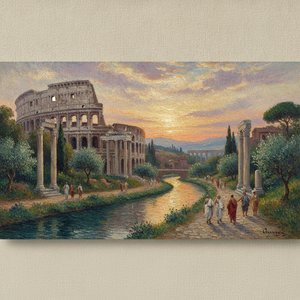
Capturing Eternal Glory: Impressionist Visions of the Roman Empire's Timeless Grandeur
Explore the breathtaking intersection of Roman grandeur and Impressionist light. Discover how masters like Monet reimagined classical ruins through vibrant, emotive brushstrokes. A cultural journey for true art lovers seeking to bring eternal glory into their homes.

