- Pradžia

- Skaitmeninis vaizdas
- Henry Pelham
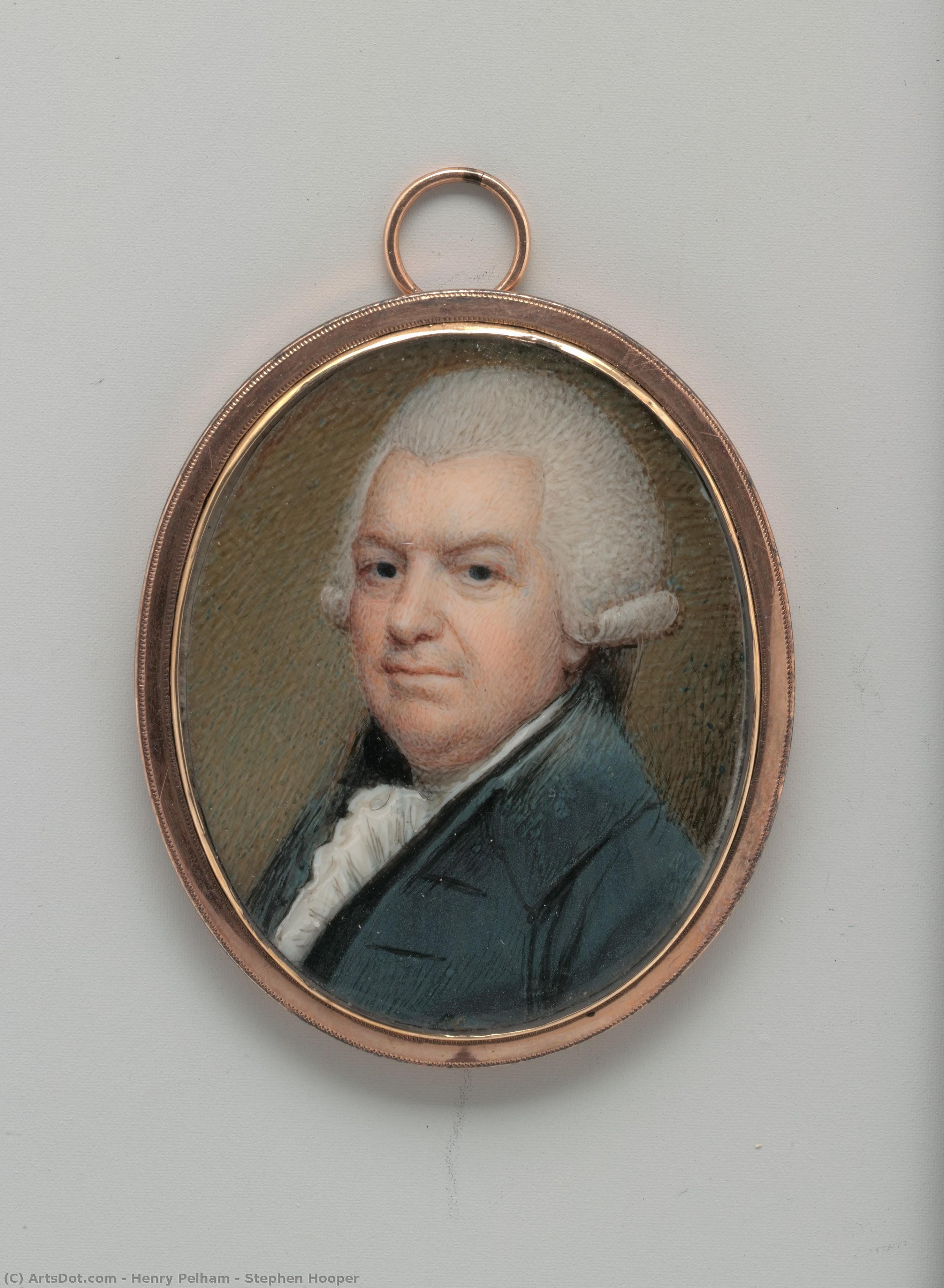
- Stephen Hooper
 Preview
 Pirkti atspaudą Užsisakyti kopiją
 Pasidalinti
 Dalintis
 Išsamiau
 Pridėti į mėgstamiausius

 Atsisiųsti
 Panašūs eksponatai
 Rentgeno nuotrauka
 Automatinė diorama
Stephen Hooper
 1773
1773 5.0 x 4.0 cm
 Skaityti daugiau
Įsigykite aukštos skiriamosios raiškos, patobulintą skaitmeninį vaizdą, gerokai pranašesnį už internetinę peržiūrą.
Kiekvieną failą mūsų specialistai kruopščiai paruošia naudojant pažangias technologijas ir profesionalų rankinį retušavimą. Užtikriname, kad kiekvienas vaizdas pasižymėtų išskirtiniu aiškumu, tikslia spalvų atspalviu ir smulkiomis detalėmis.
Baigiamas failas el. paštu pristatomas per 72 valandas; jis optimizuotas nedelsiant naudojimui profesionalioje, redakcinėje ir spausdinimo aplinkoje. Tai ta pati kokybė, kuria pasitiki aukščiausios klasės dizaino studijos, leidyklos ir galerijos.
Skaitmeninis vaizdas
Atsisiųskite didelės raiškos failą asmeniniam naudojimui, spausdinimui ir kūrybiniams projektams.
Kiekvieną skaitinio vaizdo užsakymą papildė
Profesionalus skaitmeninis pristatymas, garantuotas
Pasirinkę OriginalUniqueArt.com, jūs ne tik gaunate paveikslėlį – jūs gaunate profesionaliai patobudintą skaitmeninį kūrinį, sukurtą itin tikniai ir užtikrinantį pasitenkinimą. Štai viską, kas automatiškai pritékia jūsų užsakymui:

Greitas siuntimas el. paštu
Jūsų aukštos raiškos skaitmeninis vaizdo failas bus išsiųstas jums el. paštu per 72 valaudas nuo užsakymo – paruoštas naudojimui be jokių papildomų veiksmų.

Skaitmeninis failas su dirbtiniu intelektu
Jūsų meno kūrinys profesionaliai optimizuojamas naudojant pažangius dirbtinio intelekto įrankius ir rankinį redagavimą, užtikrinant maksimalią detalę, aiškumą ir spalvų tikslumą.

Nemokamas visam laikui pakartotinis siuntimas
Atsitiktinai ištrytikote ar praradote savo failą? Nebijokite – bet kuriuo metu atsiųsime jį jums vėl nemokamai.

Jokio importo mokesčio – niekada
Mėgaukitės savo meno kūriniu akimirka – skaitiniai failai visada yra neapmokestinami, todėl nereikės mokėti muitinės, mokesčių ar pristatymo mokesčių.

Spalvų tikslumo garantija
Naudodami profesionalią įrangą ir spalvų valdymo sistemas, užtikriname, kad jūsų skaitmeninis vaizdas kuo tiksliau atspindėtų originalias spalvas.

60 dienų pasitenkinimo garantija
Jei nebuvate patenkinti savo skaitinio vaizdo, per 60 dienų jį pertaisysime arba grąkinsime 100% sumą – be jokių klausimų.

100% pinigų grąžinimo garantija
Nepat 만족inti? Gaukite visą sumokėtą sumą per 60 dienų nuo skaitmeninio failo gavimo – be jokių papildomų klausimų.

Nuolaidos dideliems užsakymams
Pirkti 3 nuotraukas – pasiūla 10% - Pirkti 5 – pasiūla 15% - Pirkti 10 ir daugiau – pasiūla 20%. Puikiai tinka kūrybiniams projektams, galerijoms bei agentūroms.
Kolekcinio objekto aprašymas
Autoriaus biografija
Henry Pelham: A Bostonian Painter Caught in the Crucible of Revolution
Henry Pelham (February 14, 1748/49 – 1806) remains a fascinating and somewhat enigmatic figure in American art history. Born in Boston, Massachusetts, during a period of intense political ferment, Pelham’s life was inextricably linked to the burgeoning spirit of revolution. More than just a painter, he was an engraver, cartographer, and a keen observer of his time, offering invaluable contemporary insights into the events unfolding within the thirteen colonies through his art and meticulously documented correspondence, particularly with his half-brother, the renowned artist John Singleton Copley.
Pelham’s early life provided him with an exceptional artistic foundation. His father, Peter Pelham, was a limner – a painter of portraits and decorative works – and instilled in Henry a deep appreciation for technique and observation. Growing up within a family deeply involved in the art world, particularly through his mother's connection to Copley, afforded him access to influential networks and artistic training. This familial link proved crucial; Copley’s encouragement and support were instrumental in shaping Pelham’s career trajectory, especially as he navigated the increasingly turbulent political landscape.
A Painter of Patriots and Loyalists
Pelham's artistic output reflects the deeply divided sentiments gripping Boston during the 1770s. He produced a remarkable range of works, encompassing portraits, landscapes, and, most famously, engravings that captured pivotal moments in the revolutionary period. His most enduring legacy lies in his depiction of the Boston Massacre (1770), an engraving that quickly became one of the most circulated images of the event. Unlike Copley’s more nuanced and sympathetic portrayal, Pelham's version presented a starkly dramatic scene, emphasizing the violence inflicted upon the colonists by British soldiers. This choice, driven by his Loyalist leanings, fueled considerable controversy and accusations of bias.
However, it is crucial to recognize that Pelham was not simply a propagandist for one side or the other. His art reveals a complex and often contradictory perspective. While he sympathized with the British cause and vehemently opposed rebellion, he also possessed a keen eye for detail and an undeniable talent for capturing human emotion. His portraits of prominent Bostonians, including members of the merchant elite, demonstrate his skill in rendering individual character and social standing. Furthermore, his cartographic work – meticulously detailed maps of Boston and its surrounding areas – showcases his technical proficiency and commitment to accurate representation.
The Correspondence with Copley: A Window into a Divided City
Pelham’s extensive correspondence with John Singleton Copley provides an unparalleled glimpse into the intellectual and artistic life of Boston during this tumultuous era. These letters, filled with observations on political events, social gatherings, and artistic developments, offer a remarkably intimate account of the city's divisions. Copley, as a staunch supporter of independence, frequently challenged Pelham’s Loyalist views, leading to spirited debates about art, politics, and the future of America. These exchanges reveal not only their differing perspectives but also a deep affection and mutual respect between two talented artists.
The letters are particularly illuminating in their detailed descriptions of the Boston Massacre. Copley’s eyewitness account of the event, combined with Pelham's engraving, created a powerful and enduring image of colonial resistance. Analyzing these sources together allows us to appreciate the complexities of the situation and understand how different artists interpreted the same events through their own lenses.
Beyond the Boston Massacre: A Cartographer and Engraver
While the Boston Massacre remains Pelham’s most famous work, his contributions extended far beyond this single engraving. He was a skilled cartographer, producing detailed maps of Boston that were highly valued by merchants and civic leaders. His engravings, in addition to the Massacre scene, included depictions of buildings, landscapes, and portraits – demonstrating versatility and technical mastery.
Pelham’s career was tragically cut short by his death in 1806 while overseeing the construction of a coastal defense tower in Ireland. Despite this untimely demise, his legacy endures as a significant figure in American art history—a painter who captured the drama and complexity of the American Revolution through his unique artistic vision and insightful correspondence.
Pelham’s Historical Significance
Henry Pelham's work is historically significant for several reasons. Firstly, he provides a rare firsthand account of the Boston Massacre, offering a perspective often overlooked in traditional historical narratives. Secondly, his letters to Copley illuminate the intellectual and artistic debates that shaped colonial identity during this critical period. Finally, his art serves as a testament to the diverse range of perspectives within the American Revolution—a revolution not defined by simple allegiance but by complex loyalties and conflicting ideals.
Henry Pelham
1748 - 1806 , United States of America
Trumpai apie šį kūrėją
- Artistic Movement Or Style: Portraiture
- Artists Or Movements Influenced By This Artist: ['American Revolution']
- Artists Who Influenced This Artist: ['John Singleton Copley']
- Date Of Birth: Feb 14, 1748/49
- Date Of Death: 1806
- Full Name: Henry Pelham
- Nationality: American
- Notable Artworks:
- Boy with Squirrel
- Boston Massacre
- Place Of Birth: Boston, USA

