
 Peržiūrėti realaus dydžio版
 Pasidalinti
 Dalintis
 Išsamiau
 Vadovas

 Atsisiųsti
 Panašūs eksponatai
 Rentgeno spindulių nuotrauka
 Automatinė diorama
 问答
问答 Statistika
The Viva

- 77.0 x 141.0 cm


 Skaityti daugiau
Giclée / Meno spausdinimas
Muziejų lygio „giclée“ arba drobos spausdinimas: greita gamyba ir lankstios apdailos parinktys. ( Pirkti rankų darbo tapybą Perejti prie skaitmeninių vaizdų)




































Pasirinkite iš mūsų nustatytų dydžių, atitinkančių originalaus meno kūrinio proporcijas.

Įveskite jums reikiamą plotį ir aukštį, kad atvaizdas derėtų prie jūsų rėmo ar sienos. Spausdiną galima tik sumažinti, bet nepadidinti virš originalaus paveikslėlio dydžio, todėl keičiant proporcijas, dalis vaizdo prarandama. Prieš spausdinimą atsiųsime jums skaitmeninį maketą patvirtinimui. Šioje puslapio nuotraukoje matomas pjūvis nėra tikslus – jį rodo tik maketas.
Pristatymas visame pasaulyje () per 2 weeks, o ne įprastas 4/5 savaičių laikotarpis. (16 lapkritis)

Nemokamas greitasis pristatymas visame pasaulyje

Aukštos kokybės lininis drobė

Pilnas siuntimo draudimas

Muitinės mokesčių grąžinimo garantija

Tikro spalvų atitikimo garantija

100 dienų grąžinimo politika (tik esant įtaigoms)

100% pinigų grąžinimo garantija

Nuolaida dideliems užsakymams
 Stiklo variantas prieinamas tik pasirinkus dydį iki 110 cm

The Viva
Giclée / Meno spausdinimas
Reprodukcijos matmenys
-


Bendroji kaina
€ 72
Autoriaus biografija
Early Life and Artistic Beginnings
Henry Jamyn Brooks, born in England in 1839, emerged as a significant chronicler of Victorian society through his meticulously detailed group portraits. While biographical details surrounding his early life remain somewhat scarce, it’s clear that he possessed an exceptional talent for capturing not just likenesses, but the very atmosphere and social dynamics of the gatherings he depicted. He wasn't merely painting faces; he was preserving moments in time, documenting the prominent figures and pivotal events of a rapidly changing era. Brooks initially honed his skills as a painter, developing a keen eye for realism and an impressive ability to render complex compositions with remarkable accuracy.
A Specialist in Societal Portraits
Brooks carved out a unique niche for himself by specializing in paintings of meetings, receptions, and formal events. This was a period fascinated by documentation and the preservation of history, and Brooks’ work directly catered to this desire. He became renowned for his ability to assemble large groups of identifiable individuals within a single canvas – often royalty, civic leaders, military personnel, and other members of high society. His paintings weren't simply portraits; they were social records, offering invaluable insights into the power structures, personalities, and customs of Victorian England. He was commissioned by numerous organizations to commemorate important occasions, including gatherings of the Corporation of Abingdon, Reading Borough Council, and even the inaugural meeting of the London County Council in 1889.
Technique and Style: Capturing Detail and Atmosphere
Brooks’ artistic style is characterized by a remarkable level of detail and precision. He employed a traditional oil painting technique, building up layers of color to create rich textures and realistic depictions of his subjects. His compositions are often formal and carefully arranged, reflecting the hierarchical nature of Victorian society. However, he also possessed a subtle ability to capture the nuances of human interaction – the expressions on faces, the gestures of hands, the overall atmosphere of the event. His paintings are not just visually accurate; they convey a sense of presence, as if the viewer is actually witnessing the scene unfold. He wasn’t afraid to include himself in his works, often subtly inserting a self-portrait amongst the crowd, becoming a silent observer and participant in the historical moments he immortalized.
Major Achievements and Notable Works
Among Brooks' most celebrated achievements is Private View of the Old Masters Exhibition, Royal Academy, 1888. This ambitious work features over sixty identifiable figures from the art world and beyond, including prominent artists like Sir John Everett Millais, William Holman Hunt, and George Richmond. The painting offers a fascinating glimpse into the social circles surrounding the Royal Academy and provides a valuable record of Victorian artistic life. Another notable piece is Sir James Dewar (1842–1923), Lecturing on Liquid Hydrogen at the Royal Institution, 1904, which captures a scene from the world of science, showcasing the renowned chemist in action. His painting of Queen Victoria receiving Lord Roberts and his staff upon their return from Africa also stands as a testament to his ability to portray significant historical events with dignity and accuracy.
Legacy and Historical Significance
Henry Jamyn Brooks’ legacy lies in his unique contribution to Victorian portraiture and social history. His paintings offer an unparalleled glimpse into the lives of prominent figures and the key moments that shaped the era. He wasn't concerned with grand narratives or idealized representations; he focused on capturing the reality of Victorian society, warts and all.
- His works serve as invaluable historical documents, providing insights into the power structures, social customs, and personalities of the time.
- Brooks’ meticulous attention to detail and his ability to assemble large groups of identifiable individuals make his paintings particularly fascinating for researchers and art enthusiasts alike.
- He demonstrated a remarkable skill in capturing not just likenesses but also the atmosphere and social dynamics of the gatherings he depicted, creating works that are both visually accurate and emotionally engaging.
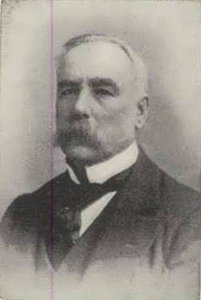
Henry Jamyn Brooks
1839 - 1925 , United Kingdom
Trumpa informacija
- Artistic Movement Or Style: Victorian Portraiture
- Artists Who Influenced This Artist:
- William Holman Hunt
- John Everett Millais
- Date Of Birth: 1839
- Date Of Death: 1925
- Full Name: Henry Jamyn Brooks
- Nationality: British
- Notable Artworks:
- Sir James Dewar (1842–1923), Lecturing on Liquid Hydrogen at the Royal Institution, 1904
- Private View of the Old Masters Exhibition, Royal Academy, 1888
- The Viva
- Place Of Birth: England
Susiję straipsniai

The Art of Giving: How Bespoke Oil Paintings Create Timeless Memories
Discover the profound elegance of bespoke oil paintings. Transform cherished memories into museum-quality Impressionist masterpieces through our professional hand-painted commissions, designed to create timeless, heirloom-worthy legacies for the discerning collector.

19th Century Masterpieces: 10 Paintings That Defined an Era | OriginalUniqueArt
Journey through 19th century art with OriginalUniqueArt! Explore 10 iconic paintings – from Monet & Renoir to Courbet – and discover the stories behind Romanticism, Realism & Impressionism. Find museum-quality reproductions for your home decor. Explore the full collection online!
Iconic Art of the 18th & 19th Centuries: Masterpieces for Your Home | OriginalUniqueArt
Journey through 18th & 19th century art! Explore iconic masterpieces by Monet, Van Gogh & more. Discover the stories behind these timeless paintings and find museum-quality reproductions for your home at OriginalUniqueArt.com.

Wine, Walls & Warmth: The Connoisseur's Guide to Curating Masterpiece Art for Luxury Cellars and Tasting Rooms
Elevate your luxury wine cellar or tasting room with expert art curation. Discover how museum-quality oil reproductions and bespoke landscapes create a sensory symphony of prestige, heritage, and warmth for the discerning restaurateur.

Precision and Presence: Capturing Human Character in 19th-Century Victorian Portraiture
Explore the psychological depth and technical mastery of 19th-century Victorian portraiture. Discover the secrets of the Old Masters today.