Perjungti į spausdinamus版作品
 Skaityti daugiau







































 Dėl meno kūrinių ar reprodukcijų, kurių bet kuri pusė yra didesnė nei 105 cm (apie 41 inch), rėmas bus siunčiamas kaip išskaidytas surinkimo rinkinys. Šis metodas užtikrina saugų pristatymą ir apsaugo nuo transportavimo metu galimos žalos.


A Symphony of Color and Form: Exploring Matisse’s ‘The Snail’
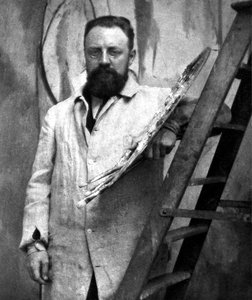
Henris Emilis Benua Matisas, gimęs 1869 m. gruodžio 31 d., nedideliame Šiaurės Prancūzijos miestelyje Le Kato Kambrezi, nebuvo skirtas gyventi spalvų ir formų pasaulyje. Iš pradžių Paryžiui studijavęs teisę po vidurinės mokyklos baigimo, jo kelias dramatiškai pasikeitė 1889 m., kai jį ištiko apenficito priepuolis. Atsigavimo metu jis atrado savyje glūdintį talentą, kurį pažino paprastas tapybos užsiėmimas menininkų dovanotais reikmenimis. Tai nebuvo tik laisvalaikio praleidimo būdas; tai buvo apreiškimasis – lūžis, kuris atitraukė jį nuo teisinių dokumentų ir nukreipė į pasaulį, kuriame spalva taptų jo kalba, o drobė – domeniu.
Deconstructing Tradition: Style and Technique
Rejecting traditional painting methods in favor of this new technique, Matisse meticulously cut forms from vividly colored papers and arranged them onto a ground. This wasn’t simply collage; it was a deliberate process of reduction and distillation, stripping imagery down to its most essential elements. The resulting composition is dynamic and seemingly spontaneous, yet carefully balanced. Bold, saturated hues – blues, greens, yellows, and reds – interlock and overlap, creating a sense of movement and energy. The swirling arrangement evokes the spiral form of a snail shell, but remains abstract enough to allow for multiple interpretations. This work exemplifies Matisse’s Fauvist roots, though evolved into something entirely new and personal.
A Late-Life Flourishing: Historical Context
Created towards the end of his life when illness limited his ability to paint conventionally, *The Snail* represents a remarkable artistic rebirth for Matisse. Confined to a wheelchair, he found liberation in this method, describing it as “drawing with scissors.” This period saw him create large-scale ‘cut-outs’ that were often conceived as designs for architectural spaces – stained glass windows or murals. *The Snail*, originally intended as a design for the dining room of the James Thrall Soby residence in New York, demonstrates this ambition to integrate art into everyday life. It reflects a shift away from representational painting towards pure visual expression and decorative arts.
Unveiling Meaning: Symbolism and Interpretation
While Matisse resisted imposing specific meanings onto his work, *The Snail* invites contemplation. The spiral form can be seen as representing growth, evolution, or the cyclical nature of life. The vibrant colors evoke joy, vitality, and a celebration of sensory experience. Some scholars suggest the composition reflects Matisse’s own internal world – a swirling vortex of emotions and memories. Ultimately, the beauty of ‘The Snail’ lies in its ambiguity; it is open to individual interpretation and emotional resonance.
Emotional Resonance & Lasting Influence
*The Snail* possesses an undeniable visual power. Its scale is immersive, drawing the viewer into a world of pure color and form. The work evokes feelings of optimism, energy, and playful exuberance. It’s a testament to Matisse’s belief in the ability of art to uplift and inspire. Its influence can be seen in countless contemporary artists who continue to explore abstraction, color theory, and the possibilities of collage.
Bringing the Masterpiece Home
- A bold statement piece for modern interiors.
- Perfect for creating a vibrant focal point in living spaces, offices, or galleries.
- An exceptional addition to any art collection, representing a pivotal moment in 20th-century art history.
- A conversation starter that invites contemplation and appreciation of Matisse’s genius.
Owning a high-quality reproduction of *The Snail* allows you to experience the joy and energy of this iconic work firsthand, bringing a touch of modern artistry into your world.
Klausimai ir atsakymai
Kas parduoda rankų darbo kopijas kūrinio „Šuo (L'escargot)“ – Anri Matisas?
Rankumų reprodukciją kūrinio „Šuo (L'escargot)“ – Anri Matisas galite užsakyti tiesiogiai jo Rankų darbo aliejinis reprodukcija puslapyje: rankomis dažyta aliejaus reprodukcija ant lininio drobos, gaminama pagal užsakymą.
Ar „Šuo (L'escargot)“ – Anri Matisas yra žinomas kūrinys?
„Šuo (L'escargot)“ – Anri Matisas populiarumumo lygis yra Ikoniniai.
Ar galiu pamatyti „Šuo (L'escargot)“ – Anri Matisas rentgeno nuotrauką?
„Šuo (L'escargot)“ galima tyrinėti sluoksniu sluoksnį naudojant kūrinio Rentgeninis vaizdas puslapį – interaktyvą vaizdo peržiūrą, įkvėptą restauratoriaus šviesos stalo, kuriame pateikiamos vien ambivalentiškos vaizdo interpretacijos iš vienylies optinių sluoksnių.
Daugiau informacijos apie šį paveikslą
 Peržiūrėti realaus dydžio版
 Pasidalinti
 Dalintis
 Išsamiau
 Vadovas

 Atsisiųsti
 Panašūs eksponatai
 Rentgeno spindulių nuotrauka
 Automatinė diorama
 问答
问答 Statistika