Perjungti į spausdinamus版作品
 Skaityti daugiau







































 Dėl meno kūrinių ar reprodukcijų, kurių bet kuri pusė yra didesnė nei 105 cm (apie 41 inch), rėmas bus siunčiamas kaip išskaidytas surinkimo rinkinys. Šis metodas užtikrina saugų pristatymą ir apsaugo nuo transportavimo metu galimos žalos.


Still Life (16): A Symphony of Color and Quiet Observation
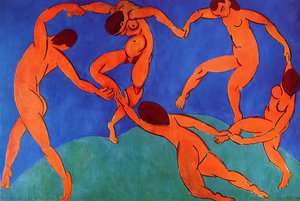
Henri Matisse’s “Still Life” – a deceptively simple composition rendered in 1905 – transcends mere representation; it embodies the core tenets of Fauvist painting, marking a pivotal moment in artistic history. Initially conceived as an exploration of color theory during his formative years at the Académie Julian, this artwork swiftly evolved into a profound statement about perception and emotion.
- Subject Matter: The scene depicts a commonplace tableau – fruits and vegetables arranged on a tabletop alongside bottles, cups, vases, and apples. Yet, Matisse elevates these familiar objects into symbols of beauty and tranquility through his masterful manipulation of hue.
- Style & Technique: Characteristic of Fauvist aesthetics, “Still Life” abandons traditional shading and perspective in favor of flattened planes of color that prioritize visual impact over realistic depiction. Matisse employs bold, unmixed pigments—primarily reds, yellows, and blues—creating a vibrant tapestry that pulsates with energy despite its stillness. The brushstrokes are loose and expressive, conveying movement and spontaneity rather than meticulous detail.
The historical context surrounding “Still Life” is crucial to understanding its significance. Emerging from the burgeoning avant-garde movement of the early 20th century, Fauvism challenged the conventions of Impressionism by rejecting naturalistic color palettes in favor of subjective interpretation. Matisse’s intention wasn't merely to capture what he saw; he sought to communicate how he *felt* about what he observed—a desire to infuse art with emotion and immediacy.
Symbolism & Emotional Impact: Beyond its formal qualities, “Still Life” resonates with deeper symbolic meanings. The repetition of apples – a motif frequently revisited by Matisse – speaks to themes of ripeness, abundance, and perhaps even mortality. The carefully positioned bottles and vases contribute to the overall sense of harmony and balance, mirroring Matisse’s belief in the power of art to inspire contemplation and elevate the everyday.
Ultimately, “Still Life” remains a testament to Matisse's unwavering commitment to color as expressive language. Its luminous hues invite viewers into a realm of sensory experience, prompting reflection on beauty, perception, and the transformative potential of artistic vision. Reproductions offer an opportunity to appreciate this masterpiece’s enduring legacy within the comfort of one’s own home.
Klausimai ir atsakymai
Kokiam meno stiliui priklauso „Still Life (16)“ – Anri Matisas?
„Still Life (16)“ yra Fauvist Expressionism stiliaus kūrinys. Šis dailos kryptis nurodo meninę tradiciją, kurios šis darbas yra dalis.
Ar „Still Life (16)“ galima įsigyti kaip aukščiausios kokybės spausdinį?
Norėdami užsisakyti „Still Life (16)“ – Anri Matisas spausdinį, tiesiog jį užsisakykite puslapio Kūrinio spausdinimas aukščiausia kokybe skiltyje: aukščiausios kokybės spausdinys ant medžio siuvinėjamų audinių arba archyvinio kanvas tipo popieriaus.
Kokio spalvų ryškumo turi „Still Life (16)“ – Anri Matisas?
Šiame paveikslėlyje „„Still Life (16)“ – Anri Matisas“ spalvų intensyvumas yra Balanced.
Daugiau informacijos apie šį paveikslą
 Peržiūrėti realaus dydžio版
 Pasidalinti
 Dalintis
 Išsamiau
 Vadovas

 Atsisiųsti
 Panašūs eksponatai
 Rentgeno spindulių nuotrauka
 Automatinė diorama
 问答
问答 Statistika