
 Peržiūrėti realybėje
 Pasidalinti
 Dalintis
 Išsamiau

 Atsisiųsti
 Panašūs eksponatai
 Rentgeno nuotrauka
 Automatinė diorama
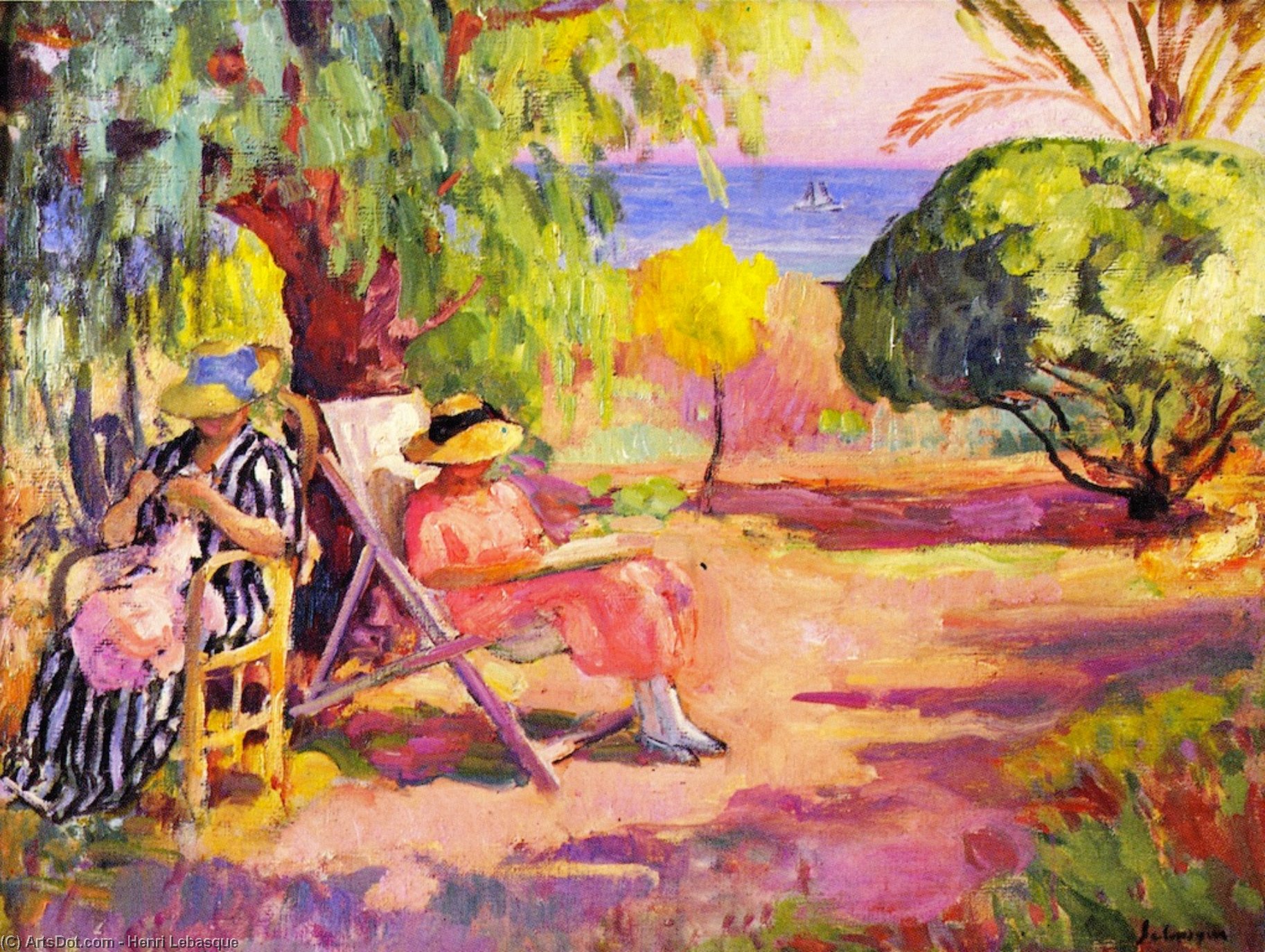
Women Sewing
 Oil On Canvas
- WallArt
- Post-Impressionism
 1922
1922- 19th Century
 46.0 x 61.0 cm
 Skaityti daugiau
Įsigykite aukštos skiriamosios raiškos, patobulintą skaitmeninį vaizdą, gerokai pranašesnį už internetinę peržiūrą.
Kiekvieną failą mūsų specialistai kruopščiai paruošia naudojant pažangias technologijas ir profesionalų rankinį retušavimą. Užtikriname, kad kiekvienas vaizdas pasižymėtų išskirtiniu aiškumu, tikslia spalvų atspalviu ir smulkiomis detalėmis.
Baigiamas failas el. paštu pristatomas per 72 valandas; jis optimizuotas nedelsiant naudojimui profesionalioje, redakcinėje ir spausdinimo aplinkoje. Tai ta pati kokybė, kuria pasitiki aukščiausios klasės dizaino studijos, leidyklos ir galerijos.
Skaitmeninis vaizdas
Atsisiųskite didelės raiškos failą asmeniniam naudojimui, spausdinimui ir kūrybiniams projektams. ( Pirkti spaudinį Pirkti rankomis tapytą paveikslą)
Kiekvieną skaitinio vaizdo užsakymą papildė
Profesionalus skaitmeninis pristatymas, garantuotas
Pasirinkę OriginalUniqueArt.com, jūs ne tik gaunate paveikslėlį – jūs gaunate profesionaliai patobudintą skaitmeninį kūrinį, sukurtą itin tikniai ir užtikrinantį pasitenkinimą. Štai viską, kas automatiškai pritékia jūsų užsakymui:

Greitas siuntimas el. paštu
Jūsų aukštos raiškos skaitmeninis vaizdo failas bus išsiųstas jums el. paštu per 72 valaudas nuo užsakymo – paruoštas naudojimui be jokių papildomų veiksmų.

Skaitmeninis failas su dirbtiniu intelektu
Jūsų meno kūrinys profesionaliai optimizuojamas naudojant pažangius dirbtinio intelekto įrankius ir rankinį redagavimą, užtikrinant maksimalią detalę, aiškumą ir spalvų tikslumą.

Nemokamas visam laikui pakartotinis siuntimas
Atsitiktinai ištrytikote ar praradote savo failą? Nebijokite – bet kuriuo metu atsiųsime jį jums vėl nemokamai.

Jokio importo mokesčio – niekada
Mėgaukitės savo meno kūriniu akimirka – skaitiniai failai visada yra neapmokestinami, todėl nereikės mokėti muitinės, mokesčių ar pristatymo mokesčių.

Spalvų tikslumo garantija
Naudodami profesionalią įrangą ir spalvų valdymo sistemas, užtikriname, kad jūsų skaitmeninis vaizdas kuo tiksliau atspindėtų originalias spalvas.

60 dienų pasitenkinimo garantija
Jei nebuvate patenkinti savo skaitinio vaizdo, per 60 dienų jį pertaisysime arba grąkinsime 100% sumą – be jokių klausimų.

100% pinigų grąžinimo garantija
Nepat 만족inti? Gaukite visą sumokėtą sumą per 60 dienų nuo skaitmeninio failo gavimo – be jokių papildomų klausimų.

Nuolaidos dideliems užsakymams
Pirkti 3 nuotraukas – pasiūla 10% - Pirkti 5 – pasiūla 15% - Pirkti 10 ir daugiau – pasiūla 20%. Puikiai tinka kūrybiniams projektams, galerijoms bei agentūroms.
Kolekcinio objekto aprašymas
A Serene Interlude on the Shore
To gaze upon Henri Lebasque's "Women Sewing" is to be instantly transported to a sun-drenched afternoon by the gentle rhythm of the sea. This painting captures more than just two figures engaged in needlework; it encapsulates a moment suspended in time—a perfect tableau of leisure and quiet companionship. The scene unfolds on a tranquil beach, sheltered beneath the graceful canopy of a tree whose dappled shade provides both setting and mood. Two women are seated comfortably, their presence imbued with an effortless grace that speaks to the simple pleasures of life well-lived. In the background, the subtle suggestion of a boat anchors the composition in the vastness of the ocean, reminding us that while they are momentarily at rest, the world continues its gentle passage.
The Luminous Touch of Lebasque's Brush
Lebasque’s mastery is most evident in his handling of light and color. His signature style, characterized by soft hues and delicate brushstrokes, bathes the entire canvas in an atmosphere of profound serenity. The artist employs warm tones that seem to emanate from the very sand beneath their feet, creating a visual warmth that invites the viewer to settle into the scene. It is this luminous quality—the way light filters through leaves and catches on fabric—that elevates the piece beyond mere genre painting. His technique allows for an almost palpable sense of air and gentle breeze, making the oil paint feel less like pigment on canvas and more like captured sunlight.
Echoes of Parisian Leisure in 1922
Created in 1922, "Women Sewing" situates itself within a rich tapestry of early 20th-century French art. While the painting possesses an intimate, almost pastoral quality, it carries the echoes of the vibrant artistic currents that shaped Paris. Lebasque’s ability to capture everyday life with such elevated artistry connects him to masters who found profound beauty in the quotidian. The subject matter—women enjoying a moment together—speaks to enduring themes of friendship and domestic tranquility, resonating deeply with collectors who value narratives of connection.
Symbolism of Stillness and Craft
The act of sewing itself carries a quiet symbolism. It suggests patience, continuity, and the careful mending or creation of something beautiful—a metaphor perhaps for the enduring nature of human bonds. The women are not merely occupied; they are sharing an experience. The contrast between their focused activity and the expansive, open beach setting creates a wonderful tension: the intimacy of the moment set against the immensity of nature. This balance imbues the artwork with a contemplative depth, inviting reflection on what we choose to focus our attention upon.
Bringing Coastal Calm Home
For the discerning collector or designer seeking to infuse a space with artistry and calm, this reproduction offers an unparalleled opportunity. Owning "Women Sewing" is acquiring not just a painting, but a mood—a perpetual afternoon retreat. The soft palette and gentle composition make it a breathtaking focal point for any room, whether styled in a bright coastal aesthetic or within a more classically appointed interior. It serves as a visual balm, promising the quietude of a seaside escape with every glance.
Autoriaus biografija
A Painter of Joy and Light: The Life and Art of Henri Lebasque
Henri Lebasque, a name perhaps less immediately recognized than some of his Post-Impressionist contemporaries, nevertheless occupies a significant place in the artistic landscape of early 20th-century France. Born in Champigné, Maine-et-Loire, in 1865, Lebasque’s journey toward becoming a celebrated painter was one marked by diligent study, evolving influences, and an unwavering commitment to capturing beauty in everyday life. His early education at the École régionale des beaux-arts d'Angers provided a foundational grounding, but it was his move to Paris in 1886 that truly ignited his artistic development. There, under the tutelage of Léon Bonnat and through assisting Ferdinand Humbert with decorative murals at the Panthéon, he honed his technical skills while immersing himself in the vibrant Parisian art scene. This period proved crucial, bringing him into contact with pivotal figures like Camille Pissarro and Auguste Renoir, whose emphasis on light and color would profoundly shape his aesthetic sensibilities.Early Influences and Artistic Formation
Lebasque’s formative years were steeped in Impressionist ideals. He absorbed the lessons of Claude Monet and Pierre-Auguste Renoir, recognizing their pioneering exploration of fleeting moments and atmospheric effects. However, Lebasque wasn't merely replicating Impressionism; he sought to transcend its limitations, striving for a deeper emotional resonance. His initial artistic experiments focused on landscapes—particularly those bathed in sunlight—capturing the shimmering beauty of nature with meticulous detail. Yet, it was his encounter with Les Nabis – Édouard Vuillard and Pierre Bonnard – that irrevocably altered his trajectory. These artists championed intimacy and domesticity, encouraging Lebasque to turn his gaze inward, exploring the complexities of human relationships and capturing the subtle nuances of everyday life. The influence of Georges Seurat’s Chromoluminarism became increasingly apparent as he progressed, prompting him to experiment with complementary color pairings—blues and oranges, reds and greens—to create luminous compositions that pulsed with vitality.The Parisian Atelier: Mastering Technique
Lebasque established his studio in Paris during the late 1880s, immersing himself in a milieu brimming with artistic innovation. He diligently practiced his craft, refining his brushstrokes and mastering the techniques of layering paint—a method he termed “glazing”—to achieve remarkable depth and luminosity. This painstaking process allowed him to build up translucent layers of color, revealing underlying hues and creating an ethereal quality that distinguishes his paintings from more conventional styles. Lebasque’s palette favored muted tones—pale yellows, soft greens, dusky blues—harmoniously blended to evoke a sense of tranquility and serenity. He meticulously observed the interplay of light and shadow, capturing the subtle gradations of color that define natural landscapes and interior scenes alike. His compositions were carefully balanced, prioritizing visual harmony and conveying an understated elegance.Notable Works and Artistic Vision
Lebasque’s oeuvre encompasses a diverse range of subjects—portraits, landscapes, still lifes—each imbued with his distinctive artistic vision. Among his most celebrated paintings are La Cigarette – a masterful depiction of a woman smoking—and Una joven en el bosque – a luminous portrayal of a young girl amidst foliage—works that exemplify his ability to convey emotion through subtle color harmonies and delicately rendered forms. He skillfully employed expressive brushstrokes to imbue his canvases with movement and vitality, capturing the fleeting gestures of human figures and the rustling sounds of wind-swept trees. Lebasque’s artistic sensibility resonated deeply with the spirit of the Belle Époque—the era of opulent salons and carefree indulgence—reflecting a fascination for beauty and pleasure that permeated his entire oeuvre.Legacy and Recognition: An Enduring Impression
Henri Lebasque enjoyed considerable acclaim during his lifetime, participating in prominent exhibitions such as the Salon d’Automne – which he helped found alongside Henri Matisse – and securing commissions for decorative projects—including murals at theaters and opulent interiors. His paintings are now housed in prestigious museums across Europe—the Musée d'Orsay in Paris, the Petit Palais in Geneva, and institutions throughout France—testament to his enduring artistic significance. Lebasque’s legacy extends beyond his individual artworks; he championed a distinctive aesthetic—one rooted in Impressionist principles yet infused with Nabis sensibilities—inspiring generations of artists who followed him. His paintings continue to captivate viewers today, offering a poignant reminder of the transformative power of art and its capacity to illuminate the beauty inherent in ordinary moments.
Henri Lebasque
1865 - 1937 , Prancūzija
Trumpai apie šį kūrėją
- Artistic Movement Or Style: Post-Impressionizmas
- Artists Or Movements Influenced By This Artist: ['Les Nabis']
- Artists Who Influenced This Artist:
- Kamilas Pissaro
- Augustas Renoir
- Date Of Birth: Rugpjūčio 25 d.
- Date Of Death: Augustą 7 d.
- Full Name: Henri Lebasque
- Nationality: Prancūzas
- Notable Artworks:
- La cigareta
- Una joven en el bosque
- Place Of Birth: Čampinė, Prancūzija

