
 Peržiūrėti realybėje
 Pasidalinti
 Dalintis
 Išsamiau

 Atsisiųsti
 Panašūs eksponatai
 Rentgeno nuotrauka
 Automatinė diorama
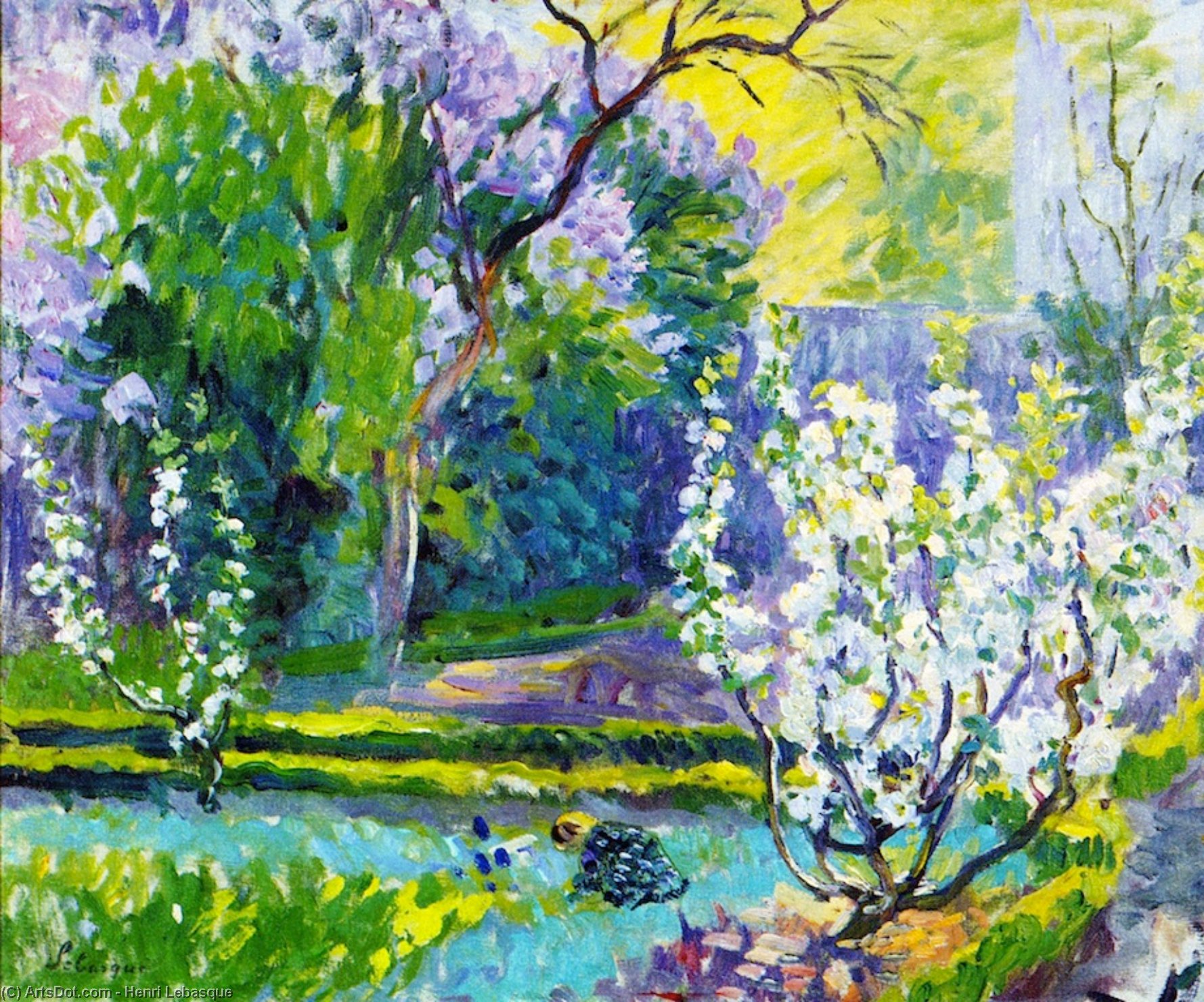
Garden in Spring
 Oil On Canvas
- WallArt
- Post-Impressionism
 1904
1904- 19th Century
 50.0 x 61.0 cm
 Skaityti daugiau
Rankų darbo aliejinės reprodukcijos
Rankiniu būdu tapytas aliejus ant droblio jūsų pageidaujamame dydį ir rėmuose – mūsų menininkų darbas pagal užsakymą. ( Perejti prie spausdinimo Perjungti į vaizdą)




P118B $10

P118H $10

P118W $10

P438Z $10

P508JH $12

P508YH $12

P805H $10

P805Z $10

P919BZ $10

P919G $10

P919XJ $10

P959ZH $10

P968JZ $12

W106C $8

W218G $10

W218JH $8

W218Y $10

W307PJ $10

W316G $10

W316PJ $8

W316Y $10

W398PJ $8

W4111J $10

W500HY $15

W500JH $15

W692G $12

W849H $8

W940BG $15

W953PJ $8




Pasirinkite iš mūsų nustatytų dydžių, atitinkančių originalaus meno kūrinio proporcijas.

Galite įvesti savo matmenis, kad jie atitiktų konkretų rėmą ar erdvę. Jei pasirinktas dydis neatitinka originalaus paveikslėlio proporcijų, mes arba apkropsime meno kūrinį, arba papildysime tapybą rankomis dažytい elementais. Prieš pradėdami gamybą, jūsų patvirtinimui atsiųsime skaitmeninį maketą.
Atkreipkite dėmesį, kad ekrane rodomas vaizdas neatspindi tikrojo apkarpymo ar papildymo. Tik maketas tiksliai parodys galutinę kompoziciją.
Nors galima rinktis ir individualius dydžius, rekomenduojame pasirinkti matmenis iš nustatytos sąrašo, kad būtų išlaikytos originalios proporcijos.
Gavus užsakymą, OriginalUniqueArt.com komanda susisieks su klientu el. paštu dėl instrukcijų ir pateiks maketo pavyzdį.
Pristatymas visame pasaulyje () per 3–4 savaites, o ne įprastai – per 5 savaites. (6 rugpjūtis). Kokybė lieka nepakeičiama.

Nemokamas greitasis pristatymas visame pasaulyje

Aukštos kokybės lininis drobė

Pilnas siuntimo draudimas

Muitinės mokesčių grąžinimo garantija

Tikro spalvų atitikimo garantija

60 dienų grąžinimo politika (tik esant gamyklinėms defektams)

100% pinigų grąžinimo garantija

Nuolaida už kelias reprodukcijas
 Stiklo variantas prieinamas tik pasirinkus dydį iki 110 cm

Garden in Spring
Reprodukcijos technika
Reprodukcijos matmenys
-


Galutinė kaina
$ 300
Kūrinio aprašymas
A Symphony of Springtime Hues
To gaze upon Henri Lebasque's "Garden in Spring" is to step directly into a moment suspended between seasons—a breath of vibrant, burgeoning life captured on canvas. This painting is not merely a depiction of flora; it is an immersion into the very essence of renewal. The composition unfolds as a picturesque dreamscape, dominated by the lush promise of spring. One's eye is immediately drawn to the focal point: a magnificent tree adorned with delicate clusters of purple blossoms, lending an immediate, joyful burst of color against the verdant backdrop. This careful arrangement of natural elements speaks to Lebasque’s masterful ability to observe and translate the ephemeral beauty of nature into something permanent and enduring.
The Brushwork of Post-Impressionist Joy
Lebasque, a painter deeply rooted in the vibrant currents of French Post-Impressionism, employed his brushstrokes with an almost palpable energy. His technique is characterized by bold color choices juxtaposed with delicate handling, allowing light to seem as if it were physically vibrating off the petals and leaves. While the overall scene conveys serenity, the application of paint suggests movement—a lively dance captured in oil on canvas. The inclusion of two small birds adds a vital punctuation mark to this natural symphony; they are not just decorative accents but living embodiments of the moment's gentle activity, lending depth and narrative breath to the otherwise static beauty of the garden.
Historical Echoes and Enduring Appeal
Created in 1904, "Garden in Spring" situates itself within a period where art was continually seeking ways to capture subjective experience alongside objective reality. Lebasque’s work reflects that turn toward emotional resonance, moving beyond mere topographical record-keeping. For the modern collector or designer, this piece offers a connection to early 20th-century French artistic sensibilities—a taste of Parisian life filtered through an optimistic lens. The medium itself, oil on canvas, ensures that any reproduction retains the richness and depth necessary for it to serve as a breathtaking centerpiece in any sophisticated interior setting.
Symbolism of Renewal and Tranquility
The garden, throughout art history, has served as a potent symbol of paradise, rebirth, and the cyclical nature of life. In this specific rendering, the purple flowers might evoke royalty or deep contemplation, while the overall lushness speaks to abundance. The combination of vibrant color and peaceful subject matter creates an immediate emotional balm. Owning "Garden in Spring" is acquiring more than just art; it is curating a feeling—a permanent reminder of nature's capacity for breathtaking resurgence, perfect for bringing warmth and cultured elegance into your home.
Autoriaus biografija
A Painter of Joy and Light: The Life and Art of Henri Lebasque
Henri Lebasque, a name perhaps less immediately recognized than some of his Post-Impressionist contemporaries, nevertheless occupies a significant place in the artistic landscape of early 20th-century France. Born in Champigné, Maine-et-Loire, in 1865, Lebasque’s journey toward becoming a celebrated painter was one marked by diligent study, evolving influences, and an unwavering commitment to capturing beauty in everyday life. His early education at the École régionale des beaux-arts d'Angers provided a foundational grounding, but it was his move to Paris in 1886 that truly ignited his artistic development. There, under the tutelage of Léon Bonnat and through assisting Ferdinand Humbert with decorative murals at the Panthéon, he honed his technical skills while immersing himself in the vibrant Parisian art scene. This period proved crucial, bringing him into contact with pivotal figures like Camille Pissarro and Auguste Renoir, whose emphasis on light and color would profoundly shape his aesthetic sensibilities.Early Influences and Artistic Formation
Lebasque’s formative years were steeped in Impressionist ideals. He absorbed the lessons of Claude Monet and Pierre-Auguste Renoir, recognizing their pioneering exploration of fleeting moments and atmospheric effects. However, Lebasque wasn't merely replicating Impressionism; he sought to transcend its limitations, striving for a deeper emotional resonance. His initial artistic experiments focused on landscapes—particularly those bathed in sunlight—capturing the shimmering beauty of nature with meticulous detail. Yet, it was his encounter with Les Nabis – Édouard Vuillard and Pierre Bonnard – that irrevocably altered his trajectory. These artists championed intimacy and domesticity, encouraging Lebasque to turn his gaze inward, exploring the complexities of human relationships and capturing the subtle nuances of everyday life. The influence of Georges Seurat’s Chromoluminarism became increasingly apparent as he progressed, prompting him to experiment with complementary color pairings—blues and oranges, reds and greens—to create luminous compositions that pulsed with vitality.The Parisian Atelier: Mastering Technique
Lebasque established his studio in Paris during the late 1880s, immersing himself in a milieu brimming with artistic innovation. He diligently practiced his craft, refining his brushstrokes and mastering the techniques of layering paint—a method he termed “glazing”—to achieve remarkable depth and luminosity. This painstaking process allowed him to build up translucent layers of color, revealing underlying hues and creating an ethereal quality that distinguishes his paintings from more conventional styles. Lebasque’s palette favored muted tones—pale yellows, soft greens, dusky blues—harmoniously blended to evoke a sense of tranquility and serenity. He meticulously observed the interplay of light and shadow, capturing the subtle gradations of color that define natural landscapes and interior scenes alike. His compositions were carefully balanced, prioritizing visual harmony and conveying an understated elegance.Notable Works and Artistic Vision
Lebasque’s oeuvre encompasses a diverse range of subjects—portraits, landscapes, still lifes—each imbued with his distinctive artistic vision. Among his most celebrated paintings are La Cigarette – a masterful depiction of a woman smoking—and Una joven en el bosque – a luminous portrayal of a young girl amidst foliage—works that exemplify his ability to convey emotion through subtle color harmonies and delicately rendered forms. He skillfully employed expressive brushstrokes to imbue his canvases with movement and vitality, capturing the fleeting gestures of human figures and the rustling sounds of wind-swept trees. Lebasque’s artistic sensibility resonated deeply with the spirit of the Belle Époque—the era of opulent salons and carefree indulgence—reflecting a fascination for beauty and pleasure that permeated his entire oeuvre.Legacy and Recognition: An Enduring Impression
Henri Lebasque enjoyed considerable acclaim during his lifetime, participating in prominent exhibitions such as the Salon d’Automne – which he helped found alongside Henri Matisse – and securing commissions for decorative projects—including murals at theaters and opulent interiors. His paintings are now housed in prestigious museums across Europe—the Musée d'Orsay in Paris, the Petit Palais in Geneva, and institutions throughout France—testament to his enduring artistic significance. Lebasque’s legacy extends beyond his individual artworks; he championed a distinctive aesthetic—one rooted in Impressionist principles yet infused with Nabis sensibilities—inspiring generations of artists who followed him. His paintings continue to captivate viewers today, offering a poignant reminder of the transformative power of art and its capacity to illuminate the beauty inherent in ordinary moments.
Henri Lebasque
1865 - 1937 , Prancūzija
Trumpa informacija
- Artistic Movement Or Style: Post-Impressionizmas
- Artists Or Movements Influenced By This Artist: ['Les Nabis']
- Artists Who Influenced This Artist:
- Kamilas Pissaro
- Augustas Renoir
- Date Of Birth: Rugpjūčio 25 d.
- Date Of Death: Augustą 7 d.
- Full Name: Henri Lebasque
- Nationality: Prancūzas
- Notable Artworks:
- La cigareta
- Una joven en el bosque
- Place Of Birth: Čampinė, Prancūzija
Susiję straipsniai

Paul Cézanne: 25 Šedevrai, Keičiantys Meno Pasaulį | OriginalUniqueArt.lt
Atraskite 25 Paul Cézanno šedevrus! Išsami analizė, istorijos ir įkvėpimas interjero dekorui. Modernus menas, impresionizmas, natiurmortai – viskas OriginalUniqueArt.com. Explore the full collection online!
Metropoliteno meno muziejaus perlai: 25 įspūdingiausi kūriniai jūsų interjerui
Atraskite 25 įspūdingiausius Metropoliteno meno muziejaus kūrinius! Claude Monet, van Gogh ir kiti meistrai – paveikslų istorijos, spalvų paletės bei interjero dekoravimo idėjos. Meno reprodukcijos aukščiausia kokybe OriginalUniqueArt.com
Claude Monet šedevrai: 25 paveikslai, įkvepiantys grožiu ir harmonija
Atraskite 25 įspūdingiausius Claude Monet šedevrus! Sužinokite apie impresionizmą, vandens lelijų paveikslus ir spalvų magiją. Meno reprodukcijos aukščiausia kokybe – OriginalUniqueArt.com. Išsamesnės informacijos rasite internetu.
Nacionalinės galerijos meno perlas: 25 paveikslai, įkvėpę kartas | OriginalUniqueArt.com
Atraskite 25 Nacionalinės galerijos meno perlus! Išsami istorija apie Monet, Picasso ir kitų žymiausių dailininkų kūrinius. Įkvėpimo interjerui ir aukštos kokybės meno reprodukcijos – OriginalUniqueArt.com
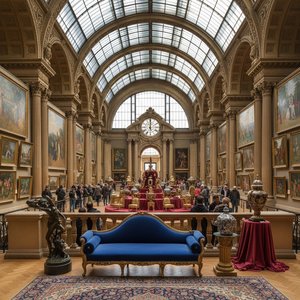
„Musée d'Orsay“ perlai: 25 įspūdingiausi meno kūriniai jūsų interjerui
Atraskite 25 įspūdingiausius Musée d'Orsay meno kūrinius! Claude Monet, Van Gogh, Degas ir kiti impresionizmo bei postimpresionizmo meistrai. Tapybos istorijos perlai jūsų interjerui – OriginalUniqueArt.com


