

 Peržiūrėti realaus dydžio版
 Siųsti
 Dalintis
 Išsamiau
 Vadovas

 Atsisiųsti
 Panašūs eksponatai
 Rentgeno spindulių nuotrauka
 Diaporama
 Statistika
Le Pavillon
 Oil On Canvas
- WallArt
- Impressionism
 1909
1909- 19th Century
 81.0 x 100.0 cm
 Rodyti daugiau
Giclée / Meno spausdinimas
Muziejų lygio „giclée“ arba drobos spausdinimas: greita gamyba ir lankstios apdailos parinktys. ( Pirkti rankomis tapytą reprodukciją Perejti prie skaitmeninių vaizdų)




P118B €10

P118H €10

P118W €10

P438Z €10

P508JH €12

P508YH €12

P805H €10

P805Z €10

P919BZ €10

P919G €10

P919XJ €10

P959ZH €10

P968JZ €12

W106C €8

W218G €10

W218JH €8

W218Y €10

W307PJ €10

W316G €10

W316PJ €8

W316Y €10

W398PJ €8

W4111J €10

W500HY €15

W500JH €15

W692G €12

W849H €8

W940BG €15

W953PJ €8




Pasirinkite iš mūsų nustatytų dydžių, atitinkančių originalaus meno kūrinio proporcijas.

Įveskite jums reikiamą plotį ir aukštį, kad atvaizdas derėtų prie jūsų rėmo ar sienos. Spausdiną galima tik sumažinti, bet nepadidinti virš originalaus paveikslėlio dydžio, todėl keičiant proporcijas, dalis vaizdo prarandama. Prieš spausdinimą atsiųsime jums skaitmeninį maketą patvirtinimui. Šioje puslapio nuotraukoje matomas pjūvis nėra tikslus – jį rodo tik maketas.
Pristatymas visame pasaulyje () per 2 weeks, o ne įprastas 4/5 savaičių laikotarpis. (27 spalis)

Nemokamas greitasis pristatymas visame pasaulyje

Aukštos kokybės lininis drobė

Pilnas siuntimo draudimas

Muitinės mokesčių grąžinimo garantija

Tikro spalvų atitikimo garantija

100 dienų grąžinimo politika (tik esant įtaigoms)

100% pinigų grąžinimo garantija

Nuolaida dideliems užsakymams
 Stiklo variantas prieinamas tik pasirinkus dydį iki 110 cm

Le Pavillon
Giclée / Meno spausdinimas
Reprodukcijos dydis
-


Visų pasirinktų variantų kaina
€ 70
Le Pavillon: A Glimpse of Tranquility by Henri Le Sidaner
Henri Le Sidaner's "Le Pavillon," painted in 1909, is an exquisite example of Intimist painting, capturing a serene garden scene with remarkable atmospheric depth. Measuring 81 x 100 cm, this oil on canvas artwork transports viewers to a world of quiet beauty and gentle contemplation. The piece exemplifies Le Sidaner's signature style – characterized by soft light, muted colors, and an almost dreamlike quality—and offers a window into the artist’s personal haven in Gerberoy.
Subject & Composition: A Garden Sanctuary
"Le Pavillon" depicts a picturesque garden setting centered around a circular fountain adorned with roses. The fountain's presence serves as a focal point, drawing the eye and establishing a sense of harmony within the composition. Lush greenery surrounds the fountain, creating a vibrant backdrop that contrasts beautifully with the soft pink hues of the flowers. A charming cottage nestled in the background adds depth and context to the scene, suggesting a secluded retreat from the bustle of everyday life. The perspective is subtly flattened, enhancing the painting's atmospheric quality and contributing to its overall sense of tranquility. The foreground features a circular bed covered with white flowers and green moss, leading the eye towards the central fountain. Behind the fountain, a small cottage with a thatched roof provides a focal point. The background consists of dense foliage and rolling hills, further blurring the lines between objects and creating a sense of atmospheric perspective.
Style & Technique: Impressionistic Nuances
Le Sidaner’s style is deeply rooted in Impressionism but transcends it with his unique Intimist approach. He masterfully employs loose brushstrokes and subtle color variations to capture the fleeting effects of light and atmosphere. Unlike some Impressionists who focused on capturing a moment's vibrancy, Le Sidaner sought to evoke a sense of quiet introspection and peaceful solitude. The painting’s palette leans towards muted greens, pinks, and browns, creating a harmonious and calming visual experience. The technique involves layering paint in short, broken strokes to build up color and form. This creates a hazy effect that enhances the dreamlike quality of the scene. Le Sidaner's use of light is particularly noteworthy; he skillfully depicts diffused sunlight filtering through the foliage, casting soft shadows and highlighting the delicate details of the flowers and fountain.
Historical Context & Symbolism: Gerberoy’s Embrace
“Le Pavillon” was created during a period when Impressionism had evolved into various artistic movements. Le Sidaner, however, remained true to his Intimist sensibilities, focusing on intimate scenes of domesticity and nature. The painting is intrinsically linked to the artist's life in Gerberoy, a village he adopted as his home in the early 20th century. He restored a medieval fortress there and cultivated enchanting gardens, which became recurring subjects in his mature works. The garden itself symbolizes tranquility, refuge, and the beauty of simple pleasures. The fountain can be interpreted as a source of life and renewal, while the cottage represents comfort and security. Symbolically, the scene evokes themes of nostalgia, peaceful solitude, and the enduring power of nature to soothe the soul.
Emotional Impact & Legacy: A Timeless Retreat
"Le Pavillon" resonates with viewers through its ability to evoke a sense of calm and serenity. The painting’s gentle colors, soft light, and harmonious composition create an atmosphere of peaceful contemplation. It offers a visual escape from the stresses of modern life, inviting viewers to immerse themselves in a world of quiet beauty. Le Sidaner's work continues to be admired for its dreamlike allure and its striking blend of impressionistic technique with contemplative themes. For those interested in purchasing handmade oil painting reproductions of this stunning garden scene, OriginalUniqueArt.com offers a wide range of options.
问答 (or more naturally for a website heading): Klausimai ir atsakymai
Ar galima įsigyti „Le Pavillon“ aukštos raiškos skaitmeninį vaizdą?
Skaitmeninį „Le Pavillon“, autorius – Anri Le Sidane vaizdą galima įsigyti šio kūrinio puslapio Skaitmeninis vaizdas skiltyje: aukštos raiškos skaitmeninio vaizdo atsisiuntimas.
Kiek plačiai žinomas kūrinys „Le Pavillon“, kurį sukūrė Anri Le Sidane?
„Le Pavillon“ klasifikuojamas kaip Recognized.
Kokią emociją sukelia „Le Pavillon“, autorius – Anri Le Sidane?
„Le Pavillon“ kūryboje Serene nuotaika lydi Tranquil emociją.
Autoriaus biografija
Ankstyvieji gyvenimo metai ir aplinka
Henri Eugène Augustin Le Sidaner, gimęs 1862 metų rugpjūčio 7 dieną Port Luise, Mauricijuje, buvo prancūzų dailininko kelias, kuris prasidėjo toli nuo Paryžiaus meno pasaulio. Jo tėvas, Žanas Mari Le Sidaner, dirbo laivų inspektoriumi Lloyd’s kompanijoje, o šeima 1872 metais grįžo į Prancūziją ir apsigyveno Dunkerke. Netrukus paaiškėjo jaunojo Henri talento polinkis tapybai, kurį tėvai nuoširdžiai palaikė. Jis lankė Collège et Lycée Notre Dame des Dunes Dunkerke, o vėliau, gavęs miesto stipendiją, persikėlė į prestižinę École nationale supérieure des beaux-arts Paryžiuje – tai buvo svarbus žingsnis jo meno karjeroje. Šeimos grįžimas į Prancūziją ir galimybė studijuoti Paryžiuje padėjo pamatus būsimam menininkui, atvėrusi duris į turtingą meno tradicijų pasaulį.Meno mokymasis ir įtakos
École des Beaux-Arts Henri studijavo pas Alexandre Cabanel, žinomą Belle Époque Prancūzijos tapytoją. Tačiau vėliau jis paliko jo studiją dėl meninių nesutarimų, ieškodamas savito kelio meno srityje. Ankstyviosioms jo įtakoms priklausė Édouard Manet ir Claude Monet, taip pat Pointilistai. Jį traukė jų novatoriškas spalvų ir šviesos naudojimas, o ypač – siekis užfiksuoti trumpalaikius įspūdžius ir atmosferą. Prisijungęs prie Étaples meno kolonijos, kurioje bendradarbiavo daugelis menininkų, Le Sidaner toliau lavino savo įgūdžius ir kūrybinę viziją. Ši aplinka skatino eksperimentus ir ieškojimus, padėjusius jam susiformuoti savitą stilių.Meno stilius ir raida
Le Sidaner’o stilių apibūdina prislopintos spalvos, subtilūs pilki atspalviai ir opaliniai tonai, uždedami netolygiomis, taškeliais padengtomis spalvomis. Ši technika sukuria unikalios atmosferos pojūtį ir mistikos jausmą jo paveiksluose. Jis ypač puikiai sekėsi tapant naktinius vaizdus – *nocturnes* – užfiksuodamas subtilius šviesos ir šešelio niuansus sutemų metu. Jo darbai kito bėgant laikui, pereinant nuo ankstyviųjų įtakų prie asmeniškesnio stiliaus, derindami Impresionistines technikas su Simbolizmo elementais. Po apsigyvenimo Gerberoy kaime Pikardijoje daugiau nei trisdešimt metų jis išgarsėjo savo žavingais sodo vaizdais, sukūręs viduramžių tvirtovės griuvėsiuose. Šie paveikslai dažnai atvaizdavo šviesos dėmeles ir rožes, įtvirtindami jo reputaciją kaip unikalų menininką.Pagrindiniai darbai ir pripažinimas
Žymiausi jo darbai apima "Still Life and a Window, Gisors", kurį galima rasti OriginalUniqueArt.com platformoje. Jo paveikslai eksponuojami Musée des Beaux-Arts Tournai Belgijoje, demonstruojant įspūdingą kolekciją prancūzų Postimpresionizmo darbų. Le Sidaner’o darbai visą jo karjerą buvo plačiai renkamos, rodydami jų populiarumą ir meninę vertę. 1891 metais jis gavo bronzos medalį Universal Exposition Paryžiuje. 1905 metais jis surengė Venecijos paveikslų seriją, kuri sulaukė didelio susižavėjimo Londone ir Paryžiuje. 1913 metais jis buvo paskirtas Garbės Legiono riteriu.Istorinė reikšmė
Le Sidaner dažnai laikomas "paskutiniu Impresionistu", jungiančiu tiltą tarp Impresionizmo ir Postimpresionizmo. Jo unikalus stilius, derinantis įvairių judesių elementus kartu išlaikant savitą asmeninį braižą, atskiria jį nuo jo bendraamžių. Jis užfiksavo buities interjerų esmę ir ramias gatvių scenas nepaprastu jautrumu ir įgūžiu, siūlydamas žiūrėjtojams žvilgsnį į intymius momentus ir ramius kraštovaizdžius. Jo palikimas tebeįkvepia menininkus ir meno entuziastus visame pasaulyje, kaip rodo nuolatinės parodos ir jo darbų prieinamumas tokiose platformose kaip OriginalUniqueArt.com.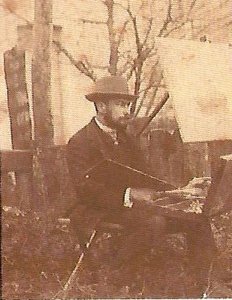
Anri Le Sidane
1862 - 1939 , Mauricijus
Trumpa informacija apie kūrėją
- Gimimo Data: 1862 rugpjūčio 7 d.
- Gimimo Vieta: Port Louis, Mauricijus
- Meninis Stilius: Intimizmas, Impresionizmas
- Mirties Data: 1939 liepos 14 d.
- Pilietybė: Prancūzija
- Pilnas Vardas: Henri Eugène Augustin Le Sidaner
- Įtakoję Menininkai:
- Édouard Manet
- Claude Monet
- Žymiausi Darbai:
- Still life and a window...
- A Beauvais Square...
Susiję straipsniai

Paul Cézanne: 25 Šedevrai, Keičiantys Meno Pasaulį | OriginalUniqueArt.lt
Atraskite 25 Paul Cézanno šedevrus! Išsami analizė, istorijos ir įkvėpimas interjero dekorui. Modernus menas, impresionizmas, natiurmortai – viskas OriginalUniqueArt.com. Explore the full collection online!

Evocations of Place: A Historical Journey Through Landscape Art
Explore the rich history of landscape art with OriginalUniqueArt. Discover renowned artists, movements like Impressionism & Romanticism, and expert guidance for collecting timeless pieces. Find your perfect serene escape today!

Džono Konsteblio Šedevrai: 25 Išskirtiniai Darbai Jūsų Interjerui | OriginalUniqueArt
Atraskite 25 įspūdingiausius Džono Konsteblio paveikslus! Romantizmo meistro gamtos vaizdai, Dedham Vale peizažai ir meno istorijos šedevrai. Meno reprodukcijos jūsų interjerui – OriginalUniqueArt.com
Cultivating Paradise: A Historical & Artistic Exploration of Gardens in Painting
Explore the rich history of gardens in painting! Discover masterpieces from Renaissance to Impressionism & beyond. Learn about symbolism, artists like Monet & Klimt, and find your perfect artwork at OriginalUniqueArt.
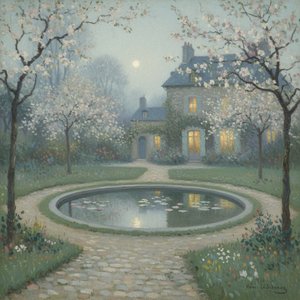
Henri Le Sidaner: Evoking Atmosphere & Intimacy in Post-Impressionist Landscapes
Discover the evocative world of Henri Le Sidaner, a master of Intimist painting. Explore his tranquil landscapes & atmospheric interiors – a celebration of light and intimacy. Learn about his life, style, and lasting legacy.