

 Peržiūrėti realybėje
 Pasidalinti
 Dalintis
 Išsamiau

 Atsisiųsti
 Panašūs eksponatai
 Rentgeno nuotrauka
 Automatinė diorama
Le Reflet
 Post-Impressionism
 1904
1904 92.0 x 73.0 cm
 Skaityti daugiau
Giclée / Meno spausdinimas
Muziejų lygio „giclée“ arba drobos spausdinimas: greita gamyba ir lankstios apdailos parinktys. ( Pirkti rankomis tapytą paveikslą Pirkti vaizdą)




































Pasirinkite iš mūsų nustatytų dydžių, atitinkančių originalaus meno kūrinio proporcijas.

Galite nurodyti savo matmenis, kad vaizdas atitiktų konkretų rėmą ar erdvę. Jei pasirinktas dydis nesutaps su originalaus paveikslėlio proporcijomis, mes arba apkirpsime kūrinį, arba išplėsime vaizdą naudojant veideliu atspindėtą arba vientisą šoną. Skaitmeninis maketas bus išsiųstas jums patvirtinti prieš pradedant gamybą.
Atkreipkite dėmesį, kad ekrane matomas vaizdinys neatspindi tikrojo apkirpimo ar išplėtimo. Tik maketas tiksliai parodytų galutinę kompoziciją.
Nors galima rinktis ir individualius dydžius, rekomenduojame pasirinkti vieną iš išanksti nustatytų matmenų, kad būtų išlaikytos originalios proporcijos.
Pristatymas visame pasaulyje () per 2 weeks, o ne įprastas 4/5 savaičių laikotarpis. (13 rugpjūtis)

Nemokamas greitasis pristatymas visame pasaulyje

Aukštos kokybės lininis drobė

Pilnas siuntimo draudimas

Muitinės mokesčių grąžinimo garantija

Tikro spalvų atitikimo garantija

60 dienų grąžinimo politika (tik esant gamyklinėms defektams)

100% pinigų grąžinimo garantija

Nuolaida už kelias reprodukcijas
 Stiklo variantas prieinamas tik pasirinkus dydį iki 110 cm

Le Reflet
Giclée / Meno spausdinimas
Reprodukcijos matmenys
-


Galutinė kaina
$ 80
Autoriaus biografija
The Radiant Spirit of Henri Charles Manguin
In the golden light of the early twentieth century, few artists captured the joie de vivre of the French Riviera as vibrantly as Henri Charles Manguin. Born in Paris in 1874 to a family where sculpture and visual tradition held deep roots, Manguin was destined for a life defined by color and form. His journey into the heart of the avant-garde began at the prestigious École des Beaux-Arts, where he studied under the legendary Gustave Moreau. It was within this fertile academic environment that Manguin forged lifelong bonds with fellow visionaries such as Henri Matisse and Charles Camoin. These friendships were more than mere social connections; they were the crucible in which a new, rebellious way of seeing was forged. Together, these young artists spent hours in the Louvre, meticulously reproducing Renaissance masterpieces, an exercise that instilled in Manguin a profound respect for classical composition even as he prepared to shatter traditional boundaries.
As the nineteenth century gave way to the twentieth, Manguin’s brush began to dance with the light of Impressionism. He drew deep inspiration from the luminous palettes of Monet and Renoir, yet he sought something more visceral and subjective. This evolution led him directly into the heart of Fauvism, a movement famously characterized by its "wild" use of color. When the critic Louis Vauxcelles famously dubbed this group of artists Les Fauves—the wild beasts—following the 1905 Salon d'Automne, Manguin stood at the forefront of this chromatic revolution. His work moved away from the delicate, fleeting observations of his predecessors toward a more audacious and emotive application of pigment. He utilized brilliant yellows, searing reds, and soft pastels to evoke not just the sight of a landscape, but the very heat and atmosphere of the Mediterranean sun.
A Mediterranean Muse and the Art of Intimacy
The trajectory of Manguin’s career was irrevocably altered by his discovery of Saint-Tropez. Invited to the coastal village by the Pointillist master Paul Signac in 1904, Manguin found himself spellbound by the crystalline waters and the shimmering Mediterranean light. This landscape became his sanctuary and his most enduring subject. While he did not adopt the rigid dot-work of Signac, he embraced the luminous clarity of the coast, painting scenes of sun-drenched bathers and tranquil seaside vistas that seemed to pulse with life. It was this mastery of light and atmosphere that earned him the evocative title of "the voluptuous painter" from the critic Guillaume Apollinaire, a testament to the sensual and tactile quality of his canvases.
Beyond the sweeping landscapes, Manguin’s work possessed a deeply personal, intimate dimension. His marriage in 1899 to Jeanne Carette brought a profound sense of continuity and tenderness to his oeuvre. Jeanne became his most frequent and beloved model, appearing in numerous portraits that captured the quiet, domestic beauty of their shared life. Through these paintings, Manguin bridged the gap between the grand, experimental gestures of Fauvism and the intimate, emotional depths of portraiture. His ability to weave together the monumental scale of the French landscape with the delicate nuances of human connection remains one of his most significant artistic achievements.
Legacy of a Colorist
The historical significance of Henri Charles Manguin lies in his role as a bridge between eras. He successfully navigated the transition from the structured traditions of the Beaux-Arts to the expressive freedom of modernism. His career was marked by remarkable recognition; the legendary impresario Ambroise Vollard famously purchased over a hundred of his canvases, signaling Manguin's importance to the contemporary art market of his time. Even as he moved through the decades, settling eventually in Saint-Tropez, he remained faithful to the vibrant, emotive vision he had cultivated in his youth.
Today, Manguin is remembered not merely as a participant in a movement, but as a master of light and emotion. His legacy is found in:
- The Fauvist Revolution: His contribution to the development of non-naturalistic, expressive color usage.
- Mediterranean Impressionism: His unique ability to translate the specific atmosphere of the French Riviera into a universal language of beauty.
- Humanist Portraiture: The seamless integration of personal intimacy and grand stylistic experimentation.
Manguin’s work continues to resonate with viewers, offering a window into a period of unparalleled artistic courage, where color was no longer just a tool for description, but a powerful vehicle for the human soul.

henri charles manguin
1874 - 1949 , France
Trumpa informacija
- Artistic Movement Or Style: Fauvism
- Artists Or Movements Influenced By This Artist: ['Impressionism']
- Artists Who Influenced This Artist:
- Gustave Moreau
- Henri Matisse
- Date Of Birth: March 23, 1874
- Date Of Death: September 25, 1949
- Full Name: Henri Charles Manguin
- Nationality: French
- Notable Artworks:
- Le Reflet
- Jeanne dans un transat à l'oustalet
- Landscape at Coulombs
- Place Of Birth: Paris, France
Susiję straipsniai

Šviesos ir Spalvų Užuominos: Impresionizmo bei Postimpresionizmo Tapybos Kolekcioneiriui
Atraskite impresionizmo ir postimpresionizmo pasaulį su OriginalUniqueArt.com! Meno konsultacijos, originalių paveikslų įvertinimas, kokybiškos reprodukcijos bei patarimai kolekcionieriams. Investuokite į meno kūrinius išmaningai.
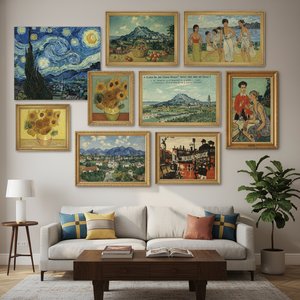
Post-Impressionizmo Deimantai: 10 Šedevrų Jūsų Namams
Atraskite 10 Post-Impresionizmo šedevrų! Van Gogas, Cézanne ir kiti genijai – jų kūriniai, istorijos bei spalvos. Įkvėpkite savo interjerui su OriginalUniqueArt.com aukščiausios kokybės reprodukcijomis. Išnagrinėkite visą kolekciją internete!
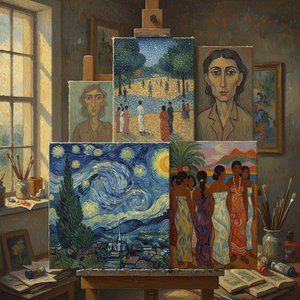
Beyond Impressionism: Exploring the Emotional Depth of Post-Impressionist Painting
Explore the profound emotional depth & innovative techniques of Post-Impressionism with OriginalUniqueArt. Discover Cézanne, Van Gogh, Gauguin & more – and their lasting impact on modern art.

Impressionism vs. Post-Impressionism: A Masterclass in the Revolution of Light, Color, and Emotion
Master the nuances of Impressionism vs. Post-Impressionism with our expert guide. Explore the revolutionary shift from Monet’s fleeting light to Van Gogh’s emotional depth. Discover how these iconic movements continue to inspire fine art collectors and modern interiors today.
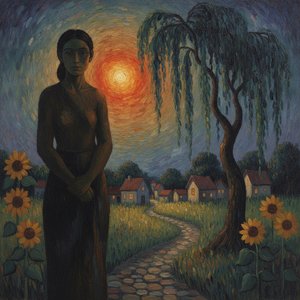
Beyond the Light: Discovering the Soul and Emotional Depth of Post-Impressionism
Embark on a cultural journey through Post-Impressionism. Discover the profound emotional depth of masters like Van Gogh and Cézanne, exploring how they moved beyond light to capture the very soul of human experience through vibrant color and symbolic form.

