

 Peržiūrėti realaus dydžio版
 Siųsti
 Dalintis
 Išsamiau
 Vadovas

 Atsisiųsti
 Panašūs eksponatai
 Rentgeno spindulių nuotrauka
 Diaporama
 Statistika
Skaters
 Oil On Canvas
- WallArt
- Dutch Golden Age
 24.0 x 38.0 cm
 Pushkinio Muziejaus Maskvoje
 Rodyti daugiau
Rankų darbo aliejinės reprodukcijos
Rankiniu būdu tapytas aliejus ant droblio jūsų pageidaujamame dydį ir rėmuose – mūsų menininkų darbas pagal užsakymą. ( Perjungti į spausdinimą Perejti prie skaitmeninių vaizdų)




P118B €10

P118H €10

P118W €10

P438Z €10

P508JH €12

P508YH €12

P805H €10

P805Z €10

P919BZ €10

P919G €10

P919XJ €10

P959ZH €10

P968JZ €12

W106C €8

W218G €10

W218JH €8

W218Y €10

W307PJ €10

W316G €10

W316PJ €8

W316Y €10

W398PJ €8

W4111J €10

W500HY €15

W500JH €15

W692G €12

W849H €8

W940BG €15

W953PJ €8




Pasirinkite iš mūsų nustatytų dydžių, atitinkančių originalaus meno kūrinio proporcijas.

Įveskite jums reikiamą plotį ir aukštį, kad paveikslas atitiktų jūsų rėmą ar sieną. Kadangi šis darbas yra rankinio darbo, siekiant išgauti kitokio formos dydį, paveikslas gali būti šiek tiek didesnis (nuo kraštų bus palikta daugiau erdvės) arba mažesnis – pasirinkite jums patogiausią variantą. Prieš pradedant tapyti, atsiųsime jums skaitmeninį maketą patvirtinimui. Šioje puslapio nuotraukoje matomas vaizdas nėra galutinis rezultatas – jį parodys tik sukurtas maketas.
Gavus užsakymą, OriginalUniqueArt.com komanda susisieks su klientu el. paštu dėl instrukcijų ir pateiks maketo pavyzdį
Pristatymas visame pasaulyje () per 3–4 savaites, o ne įprastai – per 5 savaites. (22 spalis). Kokybė lieka nepakeičiama.

Nemokamas greitasis pristatymas visame pasaulyje

Aukštos kokybės lininis drobė

Pilnas siuntimo draudimas

Muitinės mokesčių grąžinimo garantija

Tikro spalvų atitikimo garantija

100 dienų grąžinimo politika (tik esant įtaigoms)

100% pinigų grąžinimo garantija

Nuolaida dideliems užsakymams
 Stiklo variantas prieinamas tik pasirinkus dydį iki 110 cm

Skaters
Reprodukcijos technika
Reprodukcijos dydis
-


Visų pasirinktų variantų kaina
€ 262
A Frozen Moment in Time: Hendrick Avercamp’s “Skaters”
Hendrick Avercamp's "Skaters," painted around 1608-9, isn’t merely a winter landscape; it’s a vibrant snapshot of Dutch life frozen in time. More than just depicting a group enjoying an ice day, the painting offers a profound glimpse into the social fabric and cultural attitudes of the early 17th century, a period defined by both artistic flourishing and the harsh realities of the Little Ice Age. Avercamp, a mute figure from Kampen, possessed an extraordinary ability to translate the nuances of his environment onto canvas – a skill honed perhaps through keen observation and a unique perspective on the world.
The scene unfolds upon a seemingly endless expanse of ice, a frozen river or lake reflecting the overcast sky above. The composition is remarkably dynamic, drawing the eye across a bustling tableau populated by an astonishing number of figures. These aren’t idealized portraits; they are everyday people – farmers, merchants, children, and women – engaged in a multitude of activities: skating with varying degrees of skill, walking alongside the ice, tending to animals, and even engaging in what appears to be a lively courtship scene tucked away amongst the activity. Avercamp masterfully captures the energy and spontaneity of this communal event, imbuing it with a palpable sense of joy and camaraderie.
The Art of Observation: Technique and Style
Avercamp’s style is deeply rooted in the traditions of Flemish painting, particularly evident in his meticulous attention to detail and use of aerial perspective. The artist employs a technique reminiscent of Pieter Bruegel the Elder, known for his detailed depictions of peasant life. However, Avercamp elevates this approach with an unparalleled sense of realism and immediacy. Notice the subtle variations in clothing, the individual expressions on faces, and the way light plays across the ice – all rendered with remarkable precision.
The painting’s color palette is dominated by earthy tones—ochres, browns, and grays—reflecting the muted hues of a winter landscape. Yet, these somber colors are punctuated by flashes of brighter shades: the crimson of a castle in the distance, the vibrant blue of clothing, and the rosy cheeks of children. This skillful use of color creates a captivating visual rhythm, guiding the viewer’s eye through the crowded scene. Avercamp's brushstrokes are visible, adding texture and depth to the painting – a testament to his direct approach and commitment to capturing the essence of the moment.
A Window into 17th-Century Dutch Life
“Skaters” offers invaluable insights into the social customs and daily routines of 17th-century Holland. The presence of a castle, likely an imaginary one, suggests a desire to elevate the scene beyond mere practicality, hinting at aspirations for grandeur and prosperity. The inclusion of animals – dogs, horses, and even a dead carcass – speaks to the importance of agriculture and livestock in the region’s economy. The painting also subtly reveals aspects of social interaction—a glimpse into courtship rituals, family gatherings, and community celebrations.
Furthermore, the painting provides a poignant reminder of the challenges posed by the Little Ice Age. The frigid temperatures and extended periods of frost undoubtedly shaped the lives of ordinary people, influencing their activities and shaping their worldview. Avercamp’s depiction of these conditions serves as a powerful visual testament to the resilience and adaptability of the Dutch population.
Symbolism and Emotional Resonance
Beyond its documentary value, “Skaters” is rich in symbolism. The act of skating itself represents freedom, recreation, and a connection with nature—a vital escape from the demands of daily life. The bustling activity suggests a sense of community and shared experience. The inclusion of the dead animal, often interpreted as a symbol of mortality, adds a layer of complexity to the scene, reminding us of the fragility of life amidst the joys of winter.
Ultimately, “Skaters” evokes a powerful emotional response—a sense of nostalgia for a bygone era, a fascination with human behavior, and an appreciation for the beauty of the natural world. It’s a painting that invites viewers to step back in time and immerse themselves in the vibrant heart of 17th-century Dutch society. Reproductions capture this essence beautifully, offering a timeless reminder of a frozen moment in history.
问答 (or more naturally for a website heading): Klausimai ir atsakymai
Kokia spalvų intensyvumas pasižymi „Skaters“, autorius – Hendrikas Averkampas?
Kūrinys „Skaters“, autorius – Hendrikas Averkampas užfiksuotas su Balanced Soft nasyginimu.
Kokia yra autorinės teisės situacijos priežastis kūriniam darbui „Skaters“, autorius – Hendrikas Averkampas?
Autorinės teisės statusas kūriniui „Skaters“ – pripa принадле belongs to the public domain – jo autorinė teisė pasibaigusi – nustatomas remiantis to, kad paveikslas buvo sukurtas po to, kai menininkas mirė 1634 m.
Ar „Skaters“, autorius – Hendrikas Averkampas yra paveikslas, piešinys ar grafika?
„Skaters“ yra WallArt kūrinys.
Autoriaus biografija
Pionierius Olandų Žiemų Tapyboje: Hendriko Averkampo Gyvenimas ir Kūryba
Hendrikas Averkampas, vardas neatsiejamas nuo spindinčių, užšalusių Olandijos Aukso amžiaus peizažų, gimė Amsterdamuose 1585 metų sausio 27 dieną. Jo gyvenimo istorija yra tokia pat įdomi kaip ir jo menas – pasakojimas pažymėtas tiek artistine naujove, tiek asmeninėmis aplinkybėmis. Dar jaunystėje paaiškėjo, kad Averkampas gyvendavo pasaulyje, kurį jis suvokdavo kitaip nei dauguma; jis buvo nebylus ir greičiausiai kurtas, todėl pelnė meilingą, tačiau apibrėžiantį pravardę “de Stomme van Kampen” – Kampeno nebyliusis. Ši suvokiama ribota galimybė nesustabdė jo artistinės išraiškos, o gal net sustiprino jo stebėjimo įgūdžius, leisdami jam nepaprastai aiškiai ir žavingai perkelti Olandijos žiemos niuansus ant drobės. Pradžioje jis studijavo Amsterdamuose pas Pieterą Isaacszą, portretų tapytoją, o galbūt gavo patarimų iš Davido Vinckboonso, kurio įtaką galima pamatyti Averkampo ankstyvuosiuose darbuose. 1608 metais jis persikėlė į Kampeną, kur praleido didžiąją savo gyvenimo dalį ir įsitvirtino kaip unikalus bei garsus menininkas.Žiemos Pasaulio Įamžinimas: Artistinis Stilius ir Naujovės
Averkampas išsiskiria kaip vienas pirmųjų dedikuotų peizažo tapytojų XVII amžiaus Olandijoje, periode, kuriame tradiciškai dominavo portretinė tapyba, istorinės scenos ir natiūrmortai. Jis išlaikė savo nišą specializuodamasis žiemos scenose – temoje, kurios anksčiau nebuvo tyrinėjama taip nuosekliai kaip jis. Jo paveikslai nėra tik šalto oro vaizdai; tai gyvybingi Olandijos gyvenimo momentų užfiksavimai ant ledo. Figūros čiuožia, rogiu važinėja, žaidžia *kolf* (ledo golfo forma) ir tiesiog mėgaujasi užšalusiais vandens telkiniais, sukurdamos gyvą žmonių veiklos gobeleną prieš griežtą žiemos peizažo grožį. Averkampo įgūdis slypi jo gebėjime perteikti tiek sezono šaltį, tiek bendruomenės džiaugsmą. Jis meistriškai panaudojo oro perspektyvą, subtiliai keisdamas spalvas ir detales, kad sukurtų įtikinantį gilumo pojūtį, pritraukdami žiūrovą į šiuos ledinius pasaulius. Jo technika dažnai apėmė akvarelinių plovimų tepimą ant rašalu nubraižytų piešinių, sukuriant subtilius ir šviesius efektus. Šie mažesni darbai dažnai buvo parduodami kaip baigti kūriniai, skirti įtraukti į kolekcininkų albumus – tai liudija jų intymų mastą ir patrauklumą.Įtakos ir Kūrybos Raida: Nuo Briugelio Iki Olandų Realizmo
Nors Averkampas sukūrė savo unikalų stilių, jis nedirbo vakuumoje. Flemų meistrų, tokių kaip Pieteris Bruegelis Vyresnysis, įtaka akivaizdi jo ankstyvuosiuose kompozicijose – judriose scenose, kupstuose daugybės figūrų, užsiimančių kasdienine veikla. Tačiau Averkampas neapsiribojo vien imitavimu, sukūręs unikalų olandietišką jautrumą, pasižymintį kruopščia detale ir aštriu šviesos bei atmosferos stebėjimu. Jis pritaikė augantį realizmo trendą olandų tapyboje, tiksliai atvaizduodamas savo laikmečio drabužius, įrankius ir papročius. Jo darbai taip pat atspindi Mažojo Ledo Amžiaus klimato sąlygas – periodą, kuriame Europoje buvo neįprastai šaltos žiemos, o tai neabejotinai paskatino jo susižavėjimą užšalusiais peizažais. Skirtingai nuo kai kurių bendraamžių, kurie galėjo idealizuoti savo objektus, Averkampas pateikė realistišką – ir dažnai juokingą – gyvenimo vaizdą, įskaitant žaismingas detales, užuominas apie žmogaus keistumą ir kasdienius įvykius.Palikimas ir Istorinė Reikšmė
Hendriko Averkampo poveikis olandų tapybai yra didelis. Jis ne tik populiarino žiemos peizažą kaip teisėtą artistinės ekspozicijos objektą, bet ir padėjo apibrėžti unikalų olandietišką požiūrį į peizažo tapybą – tokį, kuris pabrėždavo realizmą, atmosferos efektus ir kasdienio gyvenimo vaizdavimą. Jo darbai suteikė įkvėpimo vėlesnės kartos menininkams ir tebežavi publiką šiandien. Žymios kolekcijos, demonstruojančios jo kūrybą, apima Rijksmuseum Amsterdamuose, kuriame saugoma didelis skaičius jo paveikslų, ir Mauritshuis Hagoje. Averkampo palikimas apima ne tik artistinius pasiekimus; jis reprezentuoja triumfą prieš sunkumus, demonstruodamas, kad kūrybiška ekspresija gali klestėti net susiduriant su asmeniniais iššūkiais. Jis mirė Kampene 1634 metų gegužės 15 dieną, palikęs darbų rinkinį, kuris ir toliau siūlo langą į gyvybingą ir dažnai nepakankamai pastebėtą XVII amžiaus Olandijos pasaulį – pasaulį, užšalusiame laike, tačiau kupiname gyvenimo.Žymiausi Darbai
- Žiemos Peizažas Su Čiuožiančiaisiais: Galbūt jo ikoniškiausias darbas, šis paveikslas pavyzdžioja Averkampo meistriškumą užfiksuojant olandietiškos žiemos scenos energiją ir atmosferą.
- Gatvė Delfte: Retas Averkampo nukrypimas nuo peizažų pavyzdys, demonstruojantis jo įgūdį atvaizduoti miesto gyvenimą.
- Mėgaujantis Ledu Prie Miesto: Demonstruoja jo gebėjimą kurti dinamiškas kompozicijas, kupstas daugybės figūrų, užsiimančių įvairia veikla.

Hendrikas Averkampas
1585 - 1634 , Nyderlandai
Trumpa informacija apie kūrėją
- Gimimo Data: sausio 27 d., 1585
- Gimimo Vieta: Amsterdamas, Nyderlandai
- Meninis Stilius: Olandų aukso amžiaus tapyba
- Mirties Data: gegužės 15 d., 1634
- Pilietybė: Olandietis
- Pilnas Vardas: Hendrick Avercamp
- Įtakoję Menininkai:
- Pieter Isaacsz
- David Vinckboons
- Žymiausi Darbai:
- Winter Landscape with Skaters
- Street in Delfi
Susiję straipsniai

Golden Light & Dutch Skies: Bringing the Magic of Dutch Golden Age Landscapes into Your Home
Transform your home with the breathtaking light of Dutch Golden Age landscapes. Discover how hand-painted oil reproductions of masterworks like Ruisdael and Vermeer bring timeless elegance, atmosphere, and soulful texture to modern interiors. Elevate your space with museum-quality art.

Golden Light & Dutch Skies: The Timeless Magic of Dutch Golden Age Landscapes
Discover the breathtaking beauty of Dutch Golden Age landscapes. Explore the mastery of light, chiaroscuro, and 17th-century realism through an expert art history lens, celebrating the enduring legacy of the Dutch Masters for discerning collectors and art lovers.
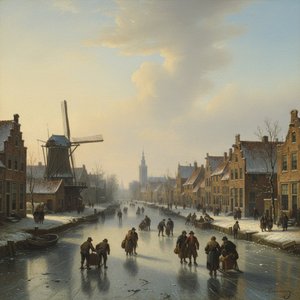
Charles Leickert: Capturing the Dutch Golden Age Light – A Comprehensive Study of Technique, Context, and Legacy
Explore the captivating winter landscapes of Charles Leickert, a master of Dutch Golden Age light & atmosphere. Discover his techniques, symbolism, and lasting legacy – a comprehensive study for art enthusiasts and collectors.
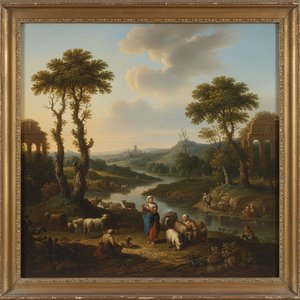
Nicolaes Berchem: Dutch Golden Age Pastoralism & the Evolution of Landscape Painting
Explore the captivating world of Nicolaes Berchem, a leading Dutch Golden Age painter. Discover his idyllic landscapes, masterful technique & lasting influence on art history. Learn more at OriginalUniqueArt.

Olandijos Aukso Amžius: 10 Šedevrų, Apibrėžiančių Meną ir Stilių
Atraskite Olandijos Aukso Amži\u017us meninius šedevrus! 10 legendin\u017iŴ paveikslžiai – Rembrandto, Vermeerio ir kt. darbai. Sužnkitę j\u016ungo namus aukso amži\u017us grožiu! Āukrai, interjero dizainas – viskas OriginalUniqueArt.com. Ižirkite kolekciją internete!
