
 Peržiūrėti realaus dydžio版
 Pasidalinti
 Dalintis
 Išsamiau
 Vadovas

 Atsisiųsti
 Panašūs eksponatai
 Rentgeno spindulių nuotrauka
 Automatinė diorama
 Q&A
Q&A Statistika
Der Triumph der Ariadne

- 476.0 x 784.0 cm


 Skaityti daugiau
Giclée / Meno spausdinimas
Muziejų lygio „giclée“ arba drobos spausdinimas: greita gamyba ir lankstios apdailos parinktys. ( Pirkti rankų darbo tapybą Perejti prie skaitmeninių vaizdų)




P118B €10

P118H €10

P118W €10

P438Z €10

P508JH €12

P508YH €12

P805H €10

P805Z €10

P919BZ €10

P919G €10

P919XJ €10

P959ZH €10

P968JZ €12

W106C €8

W218G €10

W218JH €8

W218Y €10

W307PJ €10

W316G €10

W316PJ €8

W316Y €10

W398PJ €8

W4111J €10

W500HY €15

W500JH €15

W692G €12

W849H €8

W940BG €15

W953PJ €8




Pasirinkite iš mūsų nustatytų dydžių, atitinkančių originalaus meno kūrinio proporcijas.

Įveskite jums reikiamą plotį ir aukštį, kad atvaizdas derėtų prie jūsų rėmo ar sienos. Spausdiną galima tik sumažinti, bet nepadidinti virš originalaus paveikslėlio dydžio, todėl keičiant proporcijas, dalis vaizdo prarandama. Prieš spausdinimą atsiųsime jums skaitmeninį maketą patvirtinimui. Šioje puslapio nuotraukoje matomas pjūvis nėra tikslus – jį rodo tik maketas.
Pristatymas visame pasaulyje () per 2 weeks, o ne įprastas 4/5 savaičių laikotarpis. (1 lapkritis)

Nemokamas greitasis pristatymas visame pasaulyje

Aukštos kokybės lininis drobė

Pilnas siuntimo draudimas

Muitinės mokesčių grąžinimo garantija

Tikro spalvų atitikimo garantija

100 dienų grąžinimo politika (tik esant įtaigoms)

100% pinigų grąžinimo garantija

Nuolaida dideliems užsakymams
 Stiklo variantas prieinamas tik pasirinkus dydį iki 110 cm

Der Triumph der Ariadne
Giclée / Meno spausdinimas
Reprodukcijos matmenys
-


Bendroji kaina
€ 71
A Symphony of Mythic Splendor
In the grand tradition of nineteenth-century European painting, few works command the eye with such immediate, breathtaking authority as Hans Makart’s Der Triumph der Ariadne. Completed in 1874, this monumental oil on canvas is not merely a depiction of a mythological event; it is a visceral experience of joy, abundance, and theatrical grandeur. The painting breathes life into the Homeric legend of Ariadne, capturing the precise moment of her divine rescue by Dionysus after being abandoned on the shores of Naxos. As the viewer gazes upon this vast composition, they are swept into a whirlwind of celebration, where the boundaries between the mortal and the divine blur amidst a sea of swirling drapery and exuberant human forms.
The scene is a masterclass in movement and vitality. Makart populates his canvas with an entourage of figures, many rendered in the soft, luminous glow of classical nudity, engaged in a rhythmic dance of revelry. The composition is anchored by Ariadne herself, whose presence radiates a transformative energy that shifts the narrative from abandonment to triumph. Through the strategic placement of figures and the sweeping lines of limbs and fabric, Makast creates a sense of perpetual motion, as if the viewer has just stumbled upon a secret, sacred festival in the heart of an ancient paradise.
The Mastery of Makartstil
To understand this masterpiece, one must understand the essence of Makartstil—the signature style of the artist that would come to define the aesthetic of the Vienna Secession era. Makart was a virtuoso of color and light, drawing profound inspiration from the Baroque masters such as Rubens and Rembrandt. He utilized the technique of chiaroscuro not merely for dramatic contrast, but to sculpt his figures with a palpable, three-dimensional realism. The interplay of deep, velvety shadows and brilliant, shimmering highlights creates a sense of depth that invites the eye to wander through every corner of this opulent world.
His palette is nothing short of audacious. Makart achieved an otherworldly luminosity by meticulously layering pigments, particularly focusing on rich, regal golds and passionate, blood-red hues. These colors do not simply sit upon the canvas; they seem to glow from within, imbuing the floral decorations and silken fabrics with a life of their own. This technical brilliance ensures that the painting remains a captivating focal point, offering a sensory richness that is as much about texture and light as it is about subject matter.
Symbolism and Emotional Resonance
Beyond its surface beauty, Der Triumph der Ariadne is a dense tapestry of symbolic meaning. The overwhelming abundance of floral arrangements serves as a metaphor for fertility, rebirth, and the flourishing of life following tragedy. Even the subtle inclusion of birds within the composition adds layers of classical allegory, hinting at the fleeting nature of beauty and the soaring spirit of the soul. Every element, from the heavy, luxurious drapery to the dynamic poses of the revelers, is designed to evoke a sense of overwhelming emotional abundance.
<For the discerning collector or interior designer, this work offers more than just historical significance; it provides an atmosphere of unparalleled sophistication. A high-quality reproduction of this piece brings with it a sense of historical weight and artistic prestige. It is a work that demands attention, serving as a profound statement of elegance in any grand hall or curated gallery space. To possess such a vision is to invite the spirit of the Baroque—a spirit of drama, passion, and eternal triumph—into one's own surroundings.
Klausimai ir atsakymai
Kaip galiu peržiūrėti „Der Triumph der Ariadne“ – Hanas Makartas kaip vaizdų rodyklę?
Galima peržiūrėti nuotraukų rodyklę: Slaydšou puslapį kūriniam „Der Triumph der Ariadne“ – Hanas Makartas.
Ar „Der Triumph der Ariadne“ kūrijas Hanas Makartas žinomas에도 kitais vardais?
Hanas Makartas taip pat žinomas (žinoma) kaip Hans Makart.
Ar „Der Triumph der Ariadne“ – Hanas Makartas naudoja ryškius kontrastus ar švelnias harmonijas?
„Der Triumph der Ariadne“ kūryboje Statement kontrastas susilieja su Softly Mixed Palette harmonija.
Autoriaus biografija
Hans Makart: Gyvybės prabanga ir įtantis palikimas
- Gimė: 1840 m. gegužės 28 d., Salzburgas, Austrija
- Mirė: 1884 m. spalio 3 d., Viena, Austrija
- Tautybė: Austrijietis
- Kryptis: Akademizmas, „Makartstil“ stilius
Pradiniai žingsniai ir meilė spalvom

Hanas Makartas
1840 - 1884 , Austrija
Trumpa informacija
- Artistic Movement Or Style: Akademinis istorinis tapymas
- Artists Or Movements Influenced By This Artist:
- Gustav Klimt
- Art Nouveau
- Artists Who Influenced This Artist:
- Karl Theodor von Piloty
- Johann Fischbach
- Date Of Birth: 1840 m. gegužės 28 d.
- Date Of Death: 1884 m. spalio 3 d.
- Full Name: Hans Makart
- Nationality: Austrietas
- Notable Artworks:
- Lavoisier kalėjime
- Modernios Amorettės
- Epidemija Florencijoje
- Romeo ir Juleta
- Place Of Birth: Salzburgas, Austrija
Susiję straipsniai

Baroko Šedevrai: 10 Menų Simbolių, Apibūdinusių Epoką | OriginalUniqueArt
Atraskite 10 baroko šedevrų, kurie apibrėžė epoką! Karolis Rubenzas, Berninis ir kiti meistrai – jų kūriniai, istorijos bei spalvos. Aukščiausios kokybės dailės reprodukcijos ir interjero įkvėpimas OriginalUniqueArt.com. Išnagrinėkite visą kolekciją internete!
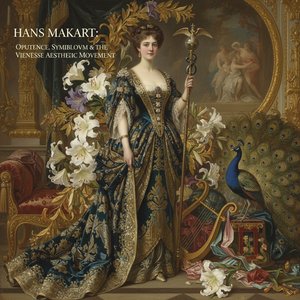
Hans Makart: Opulence, Symbolism & the Viennese Aesthetic Movement
Explore the opulent world of Hans Makart, a pivotal figure in Austrian art history. Discover his influence on Klimt & the Vienna Secession, signature style, and investment potential. Expert insights for collectors.

Baroko Dramatizmas: Elegancijos ir Emocijų Įnešimas į Šiuolaikinius Interjerus
Atraskite baroko dramatiškumą! Meno konsultacijos, rankų darbo reprodukcijos ir patarimai, kaip įnešti eleganciją bei emocijas į jūsų interjerą su OriginalUniqueArt.com. Kokybė garantuota!

The Visceral Stage: Exploring Dramatic Narratives & Emotional Intensity in Baroque Art
Explore the dramatic world of Baroque art! Discover iconic masters like Caravaggio & Rembrandt, their techniques, and the movement's lasting impact. Expert insights for collectors & enthusiasts at OriginalUniqueArt.

The Dramatic Flourish: Exploring the Baroque Movement's Enduring Legacy in Art History
Explore the dramatic world of Baroque art! Discover iconic artists like Caravaggio & Rubens, defining techniques, and its lasting impact on art history. Expert insights for collectors & enthusiasts at OriginalUniqueArt.