
 Peržiūrėti realaus dydžio版
 Pasidalinti
 Dalintis
 Išsamiau
 Vadovas

 Atsisiųsti
 Panašūs eksponatai
 Rentgeno spindulių nuotrauka
 Automatinė diorama
 问答
问答 Statistika
untitled (6565)


 Skaityti daugiau
Giclée / Meno spausdinimas
Muziejų lygio „giclée“ arba drobos spausdinimas: greita gamyba ir lankstios apdailos parinktys. ( Pirkti rankų darbo tapybą Perejti prie skaitmeninių vaizdų)




P118B €10

P118H €10

P118W €10

P438Z €10

P508JH €12

P508YH €12

P805H €10

P805Z €10

P919BZ €10

P919G €10

P919XJ €10

P959ZH €10

P968JZ €12

W106C €8

W218G €10

W218JH €8

W218Y €10

W307PJ €10

W316G €10

W316PJ €8

W316Y €10

W398PJ €8

W4111J €10

W500HY €15

W500JH €15

W692G €12

W849H €8

W940BG €15

W953PJ €8




Pasirinkite iš mūsų nustatytų dydžių, atitinkančių originalaus meno kūrinio proporcijas.

Įveskite jums reikiamą plotį ir aukštį, kad atvaizdas derėtų prie jūsų rėmo ar sienos. Spausdiną galima tik sumažinti, bet nepadidinti virš originalaus paveikslėlio dydžio, todėl keičiant proporcijas, dalis vaizdo prarandama. Prieš spausdinimą atsiųsime jums skaitmeninį maketą patvirtinimui. Šioje puslapio nuotraukoje matomas pjūvis nėra tikslus – jį rodo tik maketas.
Pristatymas visame pasaulyje () per 2 weeks, o ne įprastas 4/5 savaičių laikotarpis. (5 lapkritis)

Nemokamas greitasis pristatymas visame pasaulyje

Aukštos kokybės lininis drobė

Pilnas siuntimo draudimas

Muitinės mokesčių grąžinimo garantija

Tikro spalvų atitikimo garantija

100 dienų grąžinimo politika (tik esant įtaigoms)

100% pinigų grąžinimo garantija

Nuolaida dideliems užsakymams
 Stiklo variantas prieinamas tik pasirinkus dydį iki 110 cm

untitled (6565)
Giclée / Meno spausdinimas
Reprodukcijos matmenys
-


Bendroji kaina
€ 72
A Study in Intensity: Unraveling the Enigmatic Portrait of Hans Holbein the Younger
Hans Holbein the Younger’s “Untitled (6565)” is not merely a portrait; it's a carefully constructed psychological landscape, a window into the mind of an unknown subject rendered with the artist’s signature precision and unsettling intensity. Painted circa 1530-32 during his time in England, this oil on panel work transcends the conventional depiction of a likeness, instead offering a profound meditation on gaze, time, and perhaps even mortality. The painting immediately commands attention through its stark contrasts – the dark, almost impenetrable background punctuated by the unsettling presence of two clocks, each frozen at a specific moment, creating an immediate sense of arrested time.
The subject himself is presented with remarkable directness. He sits in profile, his features sharply defined, yet subtly ambiguous. The meticulously rendered beard and mustache, hallmarks of Holbein’s style, frame a face etched with a palpable seriousness. His eyes, wide open and intensely focused, meet the viewer's gaze head-on – an act of deliberate confrontation that forces us to confront our own reflection within the painting. This directness is further emphasized by his slightly parted lips, suggesting either speech or contemplation, leaving the viewer perpetually questioning his intentions.
Holbein’s mastery of technique is evident in every detail. The subtle gradations of light and shadow create a remarkable sense of volume and texture, particularly noticeable in the rendering of the subject's clothing – a simple black shirt that serves as a neutral backdrop to highlight his features. The artist’s use of oil paint allows for an unparalleled level of control, enabling him to achieve astonishingly realistic detail while simultaneously conveying a sense of emotional depth. Note the delicate brushstrokes defining the texture of the fabric and the subtle nuances in the subject's skin tone – evidence of Holbein’s painstaking observation and artistic skill.
Beyond its technical brilliance, “Untitled (6565)” is rich in symbolic meaning. The presence of the two clocks is particularly significant. In Renaissance thought, time was often associated with mortality, and the depiction of multiple clocks could be interpreted as a reminder of our fleeting existence. Some scholars suggest that the specific times displayed on the clocks might hold personal significance for the subject or perhaps even allude to a particular event in his life. The dark background, devoid of any identifying features, further contributes to the painting’s enigmatic quality, suggesting a deliberate attempt to strip away extraneous details and focus solely on the essential elements of the portrait – the subject's face and gaze.
Hans Holbein the Younger was a pivotal figure in the Northern Renaissance, renowned for his ability to capture the psychological complexities of his subjects. His portraits were not simply representations of appearance; they were attempts to reveal the inner lives of those depicted. “Untitled (6565)” exemplifies this approach perfectly, offering a compelling and unsettling glimpse into the soul of an unknown man – a testament to Holbein’s genius and enduring legacy. Reproductions of this captivating work, meticulously crafted using traditional techniques and high-quality materials, allow art enthusiasts to experience the profound impact of this remarkable painting firsthand.
The Artist: A Master of Portraiture in the Northern Renaissance
Born in Augsburg, Germany, in 1497, Hans Holbein the Younger emerged from a family steeped in artistic tradition. His father, Hans Holbein the Elder, was a respected painter and printmaker, providing young Hans with an invaluable foundation in technique and observation. This early exposure instilled within him a meticulous approach to detail – a characteristic that would become synonymous with his distinctive style. Holbein’s training initially occurred within his father's workshop, where he honed his skills in various mediums, including oil painting, woodcut, and engraving.
Following his apprenticeship, Holbein embarked on a period of extensive travel throughout Europe, seeking opportunities to refine his craft and establish himself as an independent artist. He spent significant time in Basel, Switzerland, producing a diverse range of works – portraits, religious paintings, and intricate woodcut designs. Notably, he created the famous *Dance of Death* series, a macabre yet captivating depiction of mortality that cemented his reputation as a skilled and imaginative artist. His work during this period demonstrates a growing confidence and experimentation with style.
Holbein’s career took a significant turn when he moved to England in 1532, where he quickly gained the favor of King Henry VIII. He became the court painter for several years, producing iconic portraits of the king and his family – works that continue to be celebrated today. His time in England was marked by both artistic success and political intrigue, as he navigated the complex dynamics of the Tudor court. Despite facing challenges, Holbein’s talent and skill ensured his place among the most influential artists of the era.
Echoes of Time: Symbolism and Technique
The composition of “Untitled (6565)” is a carefully orchestrated interplay of visual elements designed to evoke specific emotions and ideas. The stark contrast between the dark background and the subject’s pale face immediately draws the viewer's attention, creating a sense of dramatic tension. The two clocks, strategically placed within the scene, are not merely decorative; they serve as potent symbols of time, mortality, and perhaps even judgment.
Holbein’s masterful use of oil paint allows for an unparalleled level of detail and nuance. He employs subtle gradations of light and shadow to create a sense of volume and texture, rendering the subject's features with remarkable accuracy. The meticulous attention to detail is particularly evident in the depiction of the subject’s beard and mustache – each strand carefully rendered to convey a sense of realism and character. The artist’s use of atmospheric perspective further enhances the painting’s depth and spatial relationships, creating a convincing illusion of three-dimensionality.
Furthermore, Holbein's choice of profile view is deliberate. This compositional technique was popular during the Renaissance as it allowed for a more intimate and psychologically revealing portrayal of the subject. By presenting the subject in profile, Holbein forces the viewer to confront his gaze directly, creating a sense of connection and engagement.
Owning a Masterpiece: Reproductions and Legacy
OriginalUniqueArt offers meticulously crafted handmade oil painting reproductions of “Untitled (6565)” by Hans Holbein the Younger, allowing art enthusiasts to own a piece of this iconic Renaissance masterpiece. These reproductions are created using traditional techniques – layering thin glazes of oil paint to achieve the same luminous effects as the original – and employ only the finest quality materials for exceptional durability and visual fidelity.
Beyond its aesthetic beauty, “Untitled (6565)” represents a profound exploration of human psychology. It’s a painting that invites contemplation, prompting viewers to consider the nature of time, mortality, and the enigmatic depths of the human soul. Whether you are an art historian, a collector, or simply someone who appreciates exceptional artistry, this reproduction offers a unique opportunity to experience the enduring legacy of Hans Holbein the Younger.
To learn more about the Mauritshuis museum and its collection on OriginalUniqueArt.com
Klausimai ir atsakymai
Kokią emociją perteikia „untitled (6565)“ – Hansas Holbeinas Mažesnysis?
„untitled (6565)“ – Hansas Holbeinas Mažesnysis perteikia Refleksyvus emocinę nuotaiką.
Kokia spausdinimo konfigūracija rekomenduojama kūriniui „untitled (6565)“ – Hansas Holbeinas Mažesnysis?
Didelis formatas dydis, Portretinis formatas orientacija: tai rekomenduojamas spausdinimo nustatymas kūriniui „untitled (6565)“ – Hansas Holbeinas Mažesnysis.
Kam rekomenduojamas naudojimui „untitled (6565)“ spausdinys?
Rekomenduojamas „untitled (6565)“ spausdinio naudojimas yra Akcentas.
Autoriaus biografija
Išraišytas detaliuose: Hanso Holbeino Jaunesiojo pasaulis
Apie 1497 metus Vokietijos Augsburgo menų švytėjime gimęs Hansas Holbeinas Jaunesnysis tapo Šiaurės Renesanso ikoniniu veidu – portretistas, kurio kūriniai iki šiol intriguoja kvėpstančiu realizmu ir psichologiniu gyliu. Augintas meniškoje šeimoje, jis iš pradžių įgijo išskirtinį talentą; jo tėvas, Hansas Holbeinas Vyresnysis, buvo gerbiamas dailininkas ir graviūristas, kuris jaunajam Hansui įskiepijo kruopštumą stebėti detales ir meistriškumą taikyti technikai. Šis ankstyvasis mokymas nebuvo tik teptukų valdymo ar pigmentų maišymo mokymasis – tai buvo gebėjimas *matyti*, užčiuopti ne tik išorinius panašumus, bet ir pačios subjekto esmę. Holbeino pirmieji meniniai bandymai vyko jo tėvo dirbtuvėje, kur jis tobulino savo įgūdžats prieš imdamas kelionės kelią, nutolstantį per Šveicariją ir galiausiai į Anglijos dvarą.Iš Bazelio į Tudorų dvarą: Keliantis žvaigždė
Baigęs mokymąsi, Holbeinas daug keliavo po Šveicariją, įsitvirtindamas kaip nepriklausomas menininkas su augančia reputacija. Kelias metus jis praleido Bazelyje, kur kūrė ne tik intriguojančius portretus, bet ir religinius kūrinius bei sudėtingus medebras – ypač išgrytiną šiurpų „Mirties šokio“ ciklo seriją. Šie ankstyvieji darbai atskleidžia augantį kompozicijos meistriškumą ir vis stiprėjančią susirgimą žmogaus emocijų sudėtingumui įamžinti. 1526 metais likimas įtraukė Holbeiną į Angliją – tai buvo įvykis, kuris negrįžtamai pakeitė jo meninę trajektorį. Atvykęs jis su žinomio Erasmo rekomendacijos laišku, kuris atvėrė duris į įtakingus Anglijos visuomenės ratus. Jo talentas greitai užburė tokias iškilmingas asmenybės kaip Siras Thomasas More, kuris tapo tiek jo rėmėju, tiek vienu iš įtraukiantčių portretų modelių. Šis ryšys tapo lemiamas, paskirdamas Holbeiną karaliaus Henriko VIII dvaro dailininkui 1536 metais – šią pareitą jis tęsė, su nedideliais pertraukimais, iki savo ankstyvos mirties 1543 metais.Percepcijos menas: Stilius ir šedevrai
Holbeino meninis stilius pasižymi ypatingu atsidavimu realizmui, pasiektam itin kruopščiu dėmesiui į tekstūras, audinius ir subtilius veido bruožų niuansus. Jis ne tiesiog *tapė* portretus; jis juos kruopščiai konstruavo, sluoksniu po sluoksnas, įamžindamas ne tik išorinį išmatymą, bet ir asmenybę bei vidinę modelių sielą. Jo inovatyvios kompozicijos dar labiau sustiprino kūrinių poveikį, dažnai naudojant simbolinius daiktus ar fonus gilutesnei prasmės perdarbčiai. Šedevras „Elgesiai“ (1533) yra šio požiūrio įrodymas – sudėtingas ir simboliniu požiūriu turtingas dvivalis portretas, demonstruojantis tiek Holbeino techninę genialybę, tiek intelektualinį gylį. Į paveikslą subtiliai įlieptas anamorfinis kaukolės vaizdas tarnauja kaip griežtas *memento mori*, primindantis žiūrėtojams apie mirties neįv Avoidėjimą. Daugybė jo portretų su Henriku VIII sukūrė ilgalaikį Tudorų valdžios įvaizdį, o Rotterdamo Erasmo portretas įamzino iškilmingą mokslo žmogaus intelektualią prigimtį. Kiti pastebiminti darbai apima nuostabų *Nikolaus Kratzer* portretą (1528), kuris yra realizmo ir mokslinio tikslumo meistriškumas.Palikimas ir įtaka: Ilgalaikis įspūdis
Holbeino meninė kelionė buvo suformuota nuo įtakų susiliejimo, sujungiant vokiškosios meninės tradicijos tikslumą su Italijos Renesanso kompoziciniais principais. Jis žavėjosi Albrecht Dürer ir kitų vokiečių meistrų darbu, kartu studijuodamas Italijos meną savo kelionių metu, absorbuodamas jų technikas ir įtraukidamas jas į savo unikalų stilių. Jo palikimas yra gilus; Holbeino portretai nustatė naują realizmo ir psichologinio įžvalgumo standartą portretinėje paveikslų srityje, paveikdami pokalbes apie būsimas menininkų kartas. Jo įvaizdai apie pagrindines Tudorų laikotarpio figūras suteikia neįvertinjamą žinių apie tuometinę Anglijos istoriją formavusių žmonių gyvenimus ir charakterius. Jis ne tiesiog užfiksavo išmatymą – jis įamžino laiko akimirkas, išsaugojdamas jas būsimybėms. Jo kūriniai tarnauja kaip galingas įrodymas amžino meno galimybių dokumentuoti, interpretuoti ir apšviesti praeitį.Paskutinis teptuko traukimas: Istorinė reikšmė
Hansas Holbeinas Jaunesnysis mirė Londone 1543 metais, palikdamas kūrybinį turtą, kuris žavi auditorijas net ir po šimtmečių. Jo portretai yra daugiau nei tik gražūs paveikslai; tai istoriniai dokumentai, atveriantys akių įtrūkimus į politines intrigas, religinius suirutus ir kultūrinius pokyčius Tudorų erai.- Jo Henriko VIII vaizdiniai tapo ikoniškais karališkosios valdžios atstatymų simboliais.
- Jo portretinė paveikslų kūryba yra langas į tokių iškilmingų humanistų kaip Erasmas ir More gyvenimus.
- Inovatyvus simbolinės prasmės naudojimas suteikia jo darbams papildomų sluoksnių, kvėdami žiūrėtojus apsvarstyti gilesnes temas.

Hansas Holbeinas Mažesnysis
1497 - 1543 , Vokietija
Trumpa informacija
- Artėję Artistai: ['Albrecht Dürer']
- Gimimo Data: 1497/98
- Gimimo Vieta (Miestas Ir Šalis): Augsburgas, Vokietija
- Meninis Stilius Ar Kryptis: Šiaurės Renesansas
- Mirties Data: 1543
- Pilnas Vardas: Hansas Holbeinas Mažesnysis
- Tautybė: Vokiečių-Šveicarų
- Įtakoti Artistai: ['Vėlesni portretistai']
- Žymūs Kūriniai:
- „Atstovai“
- Henriko VIII portretas
- Erasmo Rotsterdamiečio portretas
Susiję straipsniai

The Enduring Legacy of Oil on Canvas: Technique, History & Aesthetic Impact
Explore the rich history & techniques of oil painting – from Renaissance masters to Impressionism. Discover pigments, layering methods, and why this timeless medium endures. Expert insights for artists & art enthusiasts.

Oil on Canvas: A Historical & Technical Exploration of a Timeless Artistic Medium
Explore the rich history & enduring techniques of oil painting on canvas. Discover the science behind its longevity, conservation practices, and contemporary relevance. Expert insights for art enthusiasts.

The Enduring Power of Painting: A Historical & Contemporary Exploration of Form and Emotion
Explore the rich history & enduring techniques of oil painting with OriginalUniqueArt. Discover masterpieces, learn about art collecting, and find authentic handmade reproductions crafted by skilled artists.

Hans Holbein the Younger: A Renaissance Portraitist's Mastery of Realism & Psychological Insight
Explore the life & art of Hans Holbein the Younger, a Renaissance master renowned for his strikingly realistic portraits and psychological insight. Discover iconic works like 'The Ambassadors' and delve into his lasting legacy.
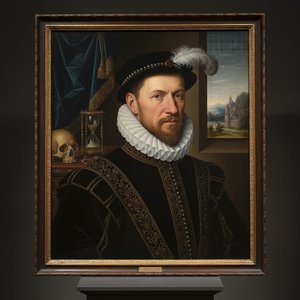
Mastering Detail: The Captivating World of Hans Holbein the Younger’s Northern Renaissance Masterpieces
Explore the breathtaking precision of Hans Holbein the Younger. From Tudor royal portraits to intricate Northern Renaissance details, discover the mastery behind his legendary works and learn how to bring this historical grandeur into your collection with museum-quality reproductions.





![Jean de Dinteville ir Georges de Selve dvipuotis (žinomas kaip „Elche ambasadoriai“) [detalė]](/media/artworks/images-thumb/bb/ab/bbab7ce77b7dd15d23d21114a63b51a4.jpg)


