

 Peržiūrėti realaus dydžio版
 Siųsti
 Dalintis
 Išsamiau
 Vadovas

 Atsisiųsti
 Panašūs eksponatai
 Rentgeno spindulių nuotrauka
 Diaporama
 Statistika
Brown Center
 Abstract Expressionism
 1963
1963 78.0 x 65.0 cm
 Rodyti daugiau
Šiame puslapyje rodomas meno kūrinys yra saugomas autorių teisių įstatymais, todėl neturime teisės legaliai kurti ar parduoti jo identiškos reprodukcijos. Ši apsauga užtikrinama remiantis tokiais tarptautiniais susitarimais kaip Bernės konvencija ir pagal nacionalines įstatymų nuostatas, įskaitant tas, kurias nurodo JAV autoriškos teisės įstatymas – 17-asis skyrius.
Kaip pagarbią ir teisėtą alternatyvą, mes siūlome pagal užsakymą rankomis dažytus paveikslus, įkvėptus originalo. Mūsų įgudę ir profesionalūs menininkai kruopščiai tiria originalo stilių, nuotaiką ir meninę esmę, kad sukurtų naują, unikalią kūrinį, kuris sukelia tą paties jausmą – išlikdamas tuo tarciau originaliu, savarankišku kūrybiniu darbu.
Šis metodas visiškai atitinka autorių teises, nes jame nėra kūrinio kopijavimo ar dubliavimo. Tai yra kūrybinė reinterpretacija – naujas paveikslas, kurį įkvėpė originalas, tačiau kuris nėra jo identiškas.
Rankų darbo aliejinės reprodukcijos
Rankiniu būdu tapytas aliejus ant droblio jūsų pageidaujamame dydį ir rėmuose – mūsų menininkų darbas pagal užsakymą. ( Perjungti į spausdinimą Perejti prie skaitmeninių vaizdų)




































Pasirinkite iš mūsų nustatytų dydžių, atitinkančių originalaus meno kūrinio proporcijas.

Įveskite jums reikiamą plotį ir aukštį, kad paveikslas atitiktų jūsų rėmą ar sieną. Kadangi šis darbas yra rankinio darbo, siekiant išgauti kitokio formos dydį, paveikslas gali būti šiek tiek didesnis (nuo kraštų bus palikta daugiau erdvės) arba mažesnis – pasirinkite jums patogiausią variantą. Prieš pradedant tapyti, atsiųsime jums skaitmeninį maketą patvirtinimui. Šioje puslapio nuotraukoje matomas vaizdas nėra galutinis rezultatas – jį parodys tik sukurtas maketas.
Gavus užsakymą, OriginalUniqueArt.com komanda susisieks su klientu el. paštu dėl instrukcijų ir pateiks maketo pavyzdį
Pristatymas visame pasaulyje () per 3–4 savaites, o ne įprastai – per 5 savaites. (22 spalis). Kokybė lieka nepakeičiama.

Nemokamas greitasis pristatymas visame pasaulyje

Aukštos kokybės lininis drobė

Pilnas siuntimo draudimas

Muitinės mokesčių grąžinimo garantija

Tikro spalvų atitikimo garantija

100 dienų grąžinimo politika (tik esant įtaigoms)

100% pinigų grąžinimo garantija

Nuolaida dideliems užsakymams
 Stiklo variantas prieinamas tik pasirinkus dydį iki 110 cm

Brown Center
Reprodukcijos technika
Reprodukcijos dydis
-


Visų pasirinktų variantų kaina
€ 263
A Dynamic Exploration of Color and Form: Hans Hofmann's "Brown Center"
Hans Hofmann’s “Brown Center,” painted in 1963, is a captivating example of Abstract Expressionism that embodies the artist’s signature style. This piece isn't about depicting recognizable objects; instead, it invites viewers to immerse themselves in a vibrant interplay of color and texture, exploring pure form and emotional resonance. The cropped composition focuses on a central area dominated by rich browns and ochres, creating a grounding presence amidst a swirling array of greens, blues, yellows, oranges, and reds. Hofmann’s work represents a pivotal moment in art history, bridging European modernism with the burgeoning American Abstract Expressionist movement.Technique & Style: Impasto and Spatial Theory
The artwork's power lies significantly in its technique. Hofmann masterfully employed impasto – applying paint thickly to create a deeply textured surface. Visible brushstrokes are not merely decorative; they become integral to the composition, contributing to a sense of dynamism and spontaneity. This tactile quality invites viewers to engage with the painting on a physical level, appreciating the materiality of the paint itself. Hofmann was also known for his "push and pull" theory of spatial relationships – colors appear to advance or recede, creating an illusion of depth despite the absence of traditional perspective. The vibrant hues don't blend smoothly; rather, they exist in distinct strokes, generating a lively visual tension that defines Hofmann’s unique approach.Symbolism and Emotional Impact
While abstract, "Brown Center" evokes powerful emotions. The dominant brown form can be interpreted as representing stability or grounding—a central anchor within the energetic chaos of surrounding colors. The vibrant bursts of color suggest a range of feelings – joy, energy, perhaps even underlying tension. Hofmann wasn't aiming to depict specific narratives; instead, he sought to express pure emotion through the language of color and form. The overall effect is one of controlled spontaneity—a deliberate arrangement that feels both carefully considered and intensely expressive.Historical Context & Legacy
Created in 1963, "Brown Center" reflects a period of significant artistic experimentation in post-war America. Abstract Expressionism was challenging traditional notions of representation, prioritizing gesture, process, and the artist's subjective experience. Hofmann’s influence on this movement is undeniable; Clement Greenberg famously recognized his early New York exhibitions as crucial breakthroughs. His work paved the way for subsequent generations of artists, influencing figures like Pollock and Frankenthaler. Owning a reproduction of "Brown Center" allows you to connect with a pivotal moment in art history and appreciate the legacy of one of its most important innovators.问答 (or more naturally for a website heading): Klausimai ir atsakymai
Kokia spalva labiausiai išsiskiria kūryniame „Brown Center“?
Dominuojanti „Brown Center“, autorius – Hanas Hofmannas spalva yra Sea Green (#448265).
Kas yra „Brown Center“ autorius ir kokiu stiliaus metu?
Šiame kūrinį „Brown Center“ sukūrė Hanas Hofmannas, atstovaujantis Abstract Expressionism stiliui.
Ar galėčiau pamatyti „Brown Center“, autorius – Hanas Hofmannas ant savo sienos prieš pirkdama/pirkdamas?
„Brown Center“ turi papildytoji realybės peržiūros funkciją: kūrinio AR peržiūra puslapyje jį galite pamatyti savo erdvėje naudodami suderinamą įrenginį.
Autoriaus biografija
Pradiniai metai ir europietiniai pamatai
Hansas Hofmannas, gimęs 1880 m. Velse, Vokietijoje, pradėjo kelionę, kuri negrįžtamai pakeிčia moderniosios dailės horizontus. Pradiniam etapas jį traukė mokslinio tikslumo ir matematikos – šią kelią jis keliavo dirbdamas valstybinėje tarnyboje Bavarijoje –, tačiau Hofmanno kūrybinė dvasia galiausiai nukreipė jį link tapimo paveikliu. Šis ankstyvas analitinio mąstymo patirtis nebuvo pamiršta; vėliau ji tapo pagrindu jo griežtai pritaikytam vaizdo struktūjos ir erdvės santykių supratimui savo kūriniuose. Oficialus meninio mokymasis prasidėjo 1898 m. Moritzio Heymanno vadovavimu, atvėrę duris į impresionizmą ir pointilizmą, tačiau būtent Parisas tikrai uždegė jo meninę evoliuciją. Atvykęs ten 1904 m., Hofmannas pasinerė į gyvybingą avangardą, užmezgdamas draugystę su tokiomis šviesos šalių asmenybėmis kaip Matisse, Picasso, Braque ir Delaunay. Šis laikotarpis nebuvo tik stebėjimas; tai buvo gilus besiformuojančių judėjimų – simbolizmo, neoimpresionizmo, fauvizmo ir kubizmo – įsisavinimas, kiekvienas palikęs savo pėdsaką jo vystančiame stiliuje. Jis ne tiesiog priimė šias stilius, o pradėjo juos sintezuoti, taip laidindamas pagrindus savo unikalei meninei kalbai. Jo ankstyvieji darbai atspindi šią eksperimentaciją, demonstruodami aiškų susijungimą tiek su kubistiniu fragmentacija, tiek su Cézanne formos struktūsinėmis paieškomis.Muncheno mokykla ir transatlantinis posūkis
Grįžęs į Vokietiją po metų Paryzuje, Hofmannas pajuto priobligavimą pasidalinti savo sukauptomis žiniomis ir vizija. 1915 m. jis įkūrė meno mokyklą Münchene, kuri greitai tapo modernios meninės minties centru. Tai nebuvo tik techninio mokymo vieta; tai buvo erdvė, kurioje aktyviai debatuota ir tyriota Cézanne, kubistų bei Kandinsky idėjos. Kai kurie vadina šią instituciją pirmąja tikrai modernia meno mokykla, skatinančia intelektualinio griežtumo ir kūrybinės eksperimentavimo aplinką. Tačiau kiltant politinei įtampai Europoje, 1932 m. Hofmannas priėmė lemiamą sprendimą: jis emigravo į Jungtines Amerikos Valstijas, nuolat įsikurdamas ir savo europietį modernistinį jautimą atnešdamas į Amerikos krantas. Jis nedelsdamas atperkėlė savo mokymo veiklą, pirmiausia Niujorke, o vėliau Provinstaune, Massachus centrifuge. Šios mokyklos tapo neįtikėtinai įtakingos, puosivėdamos pokario Amerikos meno kartas. Tarp jo mokinių buvo Helen Frankenthaler, Lee Krasner, Joan Mitchell, Louise Nevelson ir Larry Rivers – tai yra įrodymas apie jo poveikio platumą ir g的人物ją. Tapimas Amerikos piliečiu 1941 m. sutvirtino jo pasiryžimą šiam naujam skyriui.Iškilimas kaip Abstraktinio ekspresionizmo meistras
Hofmanno atvykimas į Ameriką sutapė su augančia menine energija, o jo pirmoji 1944 m. Niujorko asmeninė paroda Peggy Guggenheim galerijoje „Art of This Century“ tapo lūžio momentu. Kartu su revoliuciniu Jackson Pollock darbu, Hofmanno paveikslai signalavo ryškų posūkį į tapybos abstraktumą – pabrėžiant paties dažų ekspresیvines savybes. Clement Greenberg atpažino šią reikšmę, pripažindamas Hofmanno esminį vaidmenį formuojant Abstraktinio ekspresionizmo kryptį. Jo stilius šiuo laikotarpiu pasižymėjo griežta vaizdo struktūra, meistrišku erdvės iliuzionizmo manipuliavimu ir drąsiu, emociškai įkrautu spalvų naudojimu. Jis sukūrė savo garsiąją „push/pull“ (stūmti/traukti) teoriją – koncepciją, kurios esmė yra dinamine įtampa drobėje per kontrastingas spalvas ir formas, sukuriančias judėjimą bei gylį. Svarbiausia, Hofmannas tikėjo, kad abstrakus menas nėra atskirtas nuo realybės, o kyla iš pačios gamtos – ši idėja pagrindė jo formos ir spalvos tyrimus. Šis įsitikinimas nulemė jo dėmesį į patį audinį—dažus—kaip į pagrindinę temą, pakeliant tapybos aktą į gilios meninės išraiškos lygmenį.
Hanas Hofmannas
1880 - 1966
Trumpa informacija apie kūrėją
- Artistic Movement Or Style: Abstraktusis ekspresionizmas
- Artists Or Movements Influenced By This Artist:
- Abstraktusis ekspresionizmas
- Spalvų laukų tapyba
- Helen Frankenthaler
- Lee Krasner
- Artists Who Influenced This Artist:
- Matisse
- Picasso
- Braque
- Delaunay
- Cézanne
- Date Of Birth: 1880 m. kovo 21 d.
- Date Of Death: 1966 m. vasario 17 d.
- Full Name: Hans Hofmann
- Nationality: Vokietijos-Amerikos kilmės
- Notable Artworks:
- Vėjas
- Pavasario pratarėja
- Gilus ilgesys
- Trophy Verso be pavadinimo
- Place Of Birth: Weißenburg, Vokietija
Susiję straipsniai
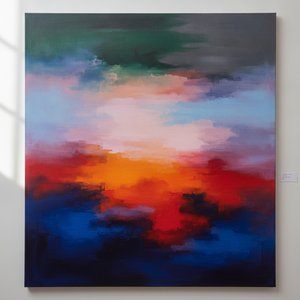
Color Field Painting: The Emotional Power of Pure Abstraction and Chromatic Depth
Explore the profound emotional depth of Color Field painting. Discover the history of mid-century abstraction, from Rothko to Newman, and learn how pure color transforms the viewer's experience through our expert art history guide.
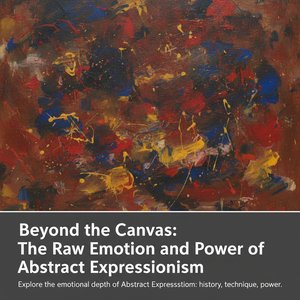
Beyond the Brush: The Raw Emotion and Power of Abstract Expressionism
Explore the profound emotional depth of Abstract Expressionism. From the visceral energy of Action Painting to the serene beauty of Color Field, discover the history and mastery behind this transformative movement for the discerning art collector.

Top 10 Abstraktus Ekspresionizmas: Simboliai ir Grožio Paslaptys
Atraskite 10 legendinių abstraktus ekspresionizmo kūrinių! Pažinkite Pollocko, Rothko ir kitų genijų istorijas bei jų spalvingas meno interpretacijas. Puikios meninės reprodukcijos jūsų namams – OriginalUniqueArt.com
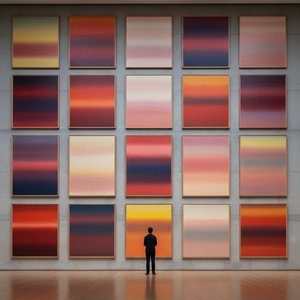
Mark Rothko: 25 Šedevrai, Apibūdinantys Spalvų Ir Jaustmo Gylį | OriginalUniqueArt
Atraskite 25 įspūdingiausius Mark Rothko kūrinius! Gilinkitės į abstraktaus meno spalvų laukus, ekspresionizmą ir jaustmingas tapybas. Meno reprodukcijos aukščiausia kokybe – OriginalUniqueArt.com
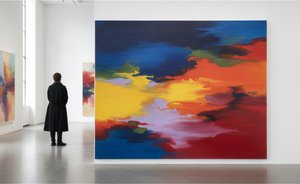
Beyond the Brushstroke: A Definitive Guide to the Emotional Power of Color Field Painting
Explore the profound history and emotional depth of Color Field painting. From Mark Rothko to Barnett Newman, discover how pure color redefined modern art through our expert-led guide for students and collectors alike.