

 Peržiūrėti realaus dydžio版
 Siųsti
 Dalintis
 Išsamiau
 Vadovas

 Atsisiųsti
 Panašūs eksponatai
 Rentgeno spindulių nuotrauka
 Diaporama
 Statistika
The oak

 Rodyti daugiau
Rankų darbo aliejinės reprodukcijos
Rankiniu būdu tapytas aliejus ant droblio jūsų pageidaujamame dydį ir rėmuose – mūsų menininkų darbas pagal užsakymą. ( Perjungti į spausdinimą Perejti prie skaitmeninių vaizdų)




P118B €10

P118H €10

P118W €10

P438Z €10

P508JH €12

P508YH €12

P805H €10

P805Z €10

P919BZ €10

P919G €10

P919XJ €10

P959ZH €10

P968JZ €12

W106C €8

W218G €10

W218JH €8

W218Y €10

W307PJ €10

W316G €10

W316PJ €8

W316Y €10

W398PJ €8

W4111J €10

W500HY €15

W500JH €15

W692G €12

W849H €8

W940BG €15

W953PJ €8




Pasirinkite iš mūsų nustatytų dydžių, atitinkančių originalaus meno kūrinio proporcijas.

Įveskite jums reikiamą plotį ir aukštį, kad paveikslas atitiktų jūsų rėmą ar sieną. Kadangi šis darbas yra rankinio darbo, siekiant išgauti kitokio formos dydį, paveikslas gali būti šiek tiek didesnis (nuo kraštų bus palikta daugiau erdvės) arba mažesnis – pasirinkite jums patogiausią variantą. Prieš pradedant tapyti, atsiųsime jums skaitmeninį maketą patvirtinimui. Šioje puslapio nuotraukoje matomas vaizdas nėra galutinis rezultatas – jį parodys tik sukurtas maketas.
Gavus užsakymą, OriginalUniqueArt.com komanda susisieks su klientu el. paštu dėl instrukcijų ir pateiks maketo pavyzdį
Pristatymas visame pasaulyje () per 3–4 savaites, o ne įprastai – per 5 savaites. (23 spalis). Kokybė lieka nepakeičiama.

Nemokamas greitasis pristatymas visame pasaulyje

Aukštos kokybės lininis drobė

Pilnas siuntimo draudimas

Muitinės mokesčių grąžinimo garantija

Tikro spalvų atitikimo garantija

100 dienų grąžinimo politika (tik esant įtaigoms)

100% pinigų grąžinimo garantija

Nuolaida dideliems užsakymams
 Stiklo variantas prieinamas tik pasirinkus dydį iki 110 cm

The oak
Reprodukcijos technika
Reprodukcijos dydis
-


Visų pasirinktų variantų kaina
€ 264
A Symphony of Light and Nature: Guy Rose’s “The Oak”
- Subject & Composition: This captivating oil painting by Guy Orlando Rose centers on a majestic oak tree, rendered with an immediacy that draws the viewer into its tranquil world. The composition is powerfully vertical, emphasizing the tree's imposing height and reaching branches. A hazy mountain range provides a serene backdrop, creating depth and atmosphere without competing for attention. It’s not merely *a* tree; it’s *the* oak – a singular presence embodying strength and longevity.
- Impressionistic Technique & Style: Rose masterfully employs an Impressionistic style characterized by loose, visible brushstrokes and a focus on capturing the fleeting effects of light. He doesn't aim for photographic realism but rather seeks to convey the *impression* of the scene – the way sunlight filters through leaves, the texture of bark, and the overall feeling of being present in nature. The paint is applied in broken color patches, allowing the viewer’s eye to blend them optically, creating a vibrant and dynamic surface. This technique aligns Rose with contemporaries like Monet and Pissarro, yet his work possesses a distinctly Californian sensibility.
Historical Context & Artistic Lineage
- A California Impressionist: Guy Orlando Rose (1867-1925) was a pivotal figure in the early 20th-century American art scene, particularly known for his contributions to California Impressionism. Born and raised in Southern California, he received formal training in San Francisco and Paris, absorbing European influences before forging his own unique style. His time spent studying under masters in France, including a close relationship with Claude Monet at Giverny, profoundly shaped his approach to landscape painting.
- Echoes of the Barbizon School: While firmly rooted in Impressionism, Rose’s work also reveals an appreciation for the earlier Barbizon school painters who championed *plein air* (outdoor) painting and a realistic depiction of nature. This dedication to working directly from life is evident in the immediacy and freshness of “The Oak.”
Symbolism & Emotional Resonance
- The Enduring Oak: The oak tree itself carries rich symbolic weight. Throughout history, oaks have represented strength, resilience, wisdom, and longevity – qualities that resonate deeply with the painting’s overall mood. It can be seen as a metaphor for enduring spirit or a connection to ancestral roots.
- A Sense of Tranquility: Beyond its symbolic meaning, “The Oak” evokes a powerful sense of tranquility and harmony with nature. The soft lighting, muted color palette, and loose brushwork create a calming atmosphere that invites contemplation. It’s a scene that speaks to the restorative power of the natural world.
For Collectors & Interior Design
- A Versatile Masterpiece: “The Oak” is a versatile piece suitable for a variety of interior design schemes. Its earthy tones and organic forms complement both traditional and contemporary settings.
- Investment Potential: As a work by a recognized California Impressionist, this painting holds significant artistic and historical value. High-quality reproductions allow art enthusiasts to enjoy Rose’s vision without the investment of an original piece, while still adding sophistication and character to any space.
问答 (or more naturally for a website heading): Klausimai ir atsakymai
Kokia pagrindinė spalva dominuoja kūrynije „The oak“, autorius – Guy Rose?
„The oak“ linksta į Green to Violet Spectrum atspalvį.
Kaip „The oak“ tema susiję su įprastomis Guy Rose tematikos temos?
Dažniausios Guy Rose temas apima monet's light, plein air", french impressionism, landscape aesthetics, nature's serenity, american west beauty; kūrinys „The oak“ susitelkia į landscape, trees, nature, sunlight, california, impressionism, tranquility, outdoors.
Ar galiu pamatyti „The oak“, autorius – Guy Rose rentgeno nuotrauką?
„The oak“ galima tyrinėti sluoksniu sluoksnį pusėje, naudojant kūrinio Rentgenas puslapį – interaktyvų vaizdo peržiūrą, įkvėptą restauratoriaus šviesos stalo ir siūlantį vien ambivalentišką vaizdą, sudarytą iš vienylies optinių sluoksnių.
Autoriaus biografija
Guy Orlando Rose: A Life in Impressionism
Early Life and Education
- Birth & Family: Guy Orlando Rose was born on March 3, 1867, in San Gabriel, California, the seventh child of Leonard John Rose, a prominent California senator, and Amanda Jones Rose. The family resided on an expansive ranch and vineyard in the San Gabriel Valley – the town of Rosemead bears their name.
- Early Trauma & Artistic Beginnings: At age nine, Guy was accidentally shot in the face during a hunting trip. During his convalescence, he began to sketch with watercolors and oils, discovering an early passion for art.
- Formal Training: He graduated from Los Angeles High School in 1884 before moving to San Francisco to study at the California School of Design (San Francisco Art Association) from 1885-1888. His instructors included Virgil Williams, Warren E. Rollins, and Emil Carlsen. He received accolades for his work during this period, including the Avery Gold Medal in oil painting.
- Parisian Studies: In September 1888, Rose enrolled at the Académie Julian in Paris, studying under Benjamin-Constant, Jules Lefebvre, Lucien Doucet, and Jean-Paul Laurens. He also attended the Académie Delacluse on scholarship, exhibiting work at the Paris Salons in 1890, 1891, 1894, 1900, and 1909.
Artistic Development & Influences
- Early Style: Rose’s early work demonstrated a strong foundation in academic painting techniques honed during his training.
- Impressionist Turn: His move to Giverny, France, in 1899 marked a turning point. Living near Claude Monet, he became deeply influenced by Impressionism, adopting its emphasis on light, color, and plein air painting.
- Monet’s Mentorship: Rose developed a close friendship with Monet, who served as a mentor, further solidifying his commitment to the Impressionist style. His works from this period clearly reflect Monet's influence in their luminous quality and focus on atmospheric effects.
- Other Influences: He also maintained lifelong friendships with fellow artists Frank Vincent DuMond and Frederick Melville, exchanging ideas and artistic approaches.
Career & Major Achievements
- Early Career (1890s): Rose worked as an illustrator for publications like Harper's, Scribner’s, and Century in New York City.
- Giverny Period (1904-1912): This was a highly productive period, with Rose creating many of his most celebrated Impressionist landscapes.
- California Return & Teaching: Due to health issues (lead poisoning), Rose and his wife returned to Los Angeles in 1914. He became Director of the Stickney Memorial School of Art in Pasadena, sharing his knowledge with aspiring artists.
- Carmel-by-the-Sea (1918-1920): Rose was an active member of the Carmel art colony, exhibiting his work and contributing to the local artistic community.
- Notable Works: Some of his most recognized paintings include “Point Lobos,” “The Saine Valley, Giverny”, "Oak Grove, Carmel", and numerous landscapes capturing the beauty of California and France.
Historical Significance & Legacy
- American Impressionism: Guy Rose is considered a significant figure in American Impressionism, bridging European techniques with Californian landscapes.
- California Art Scene: He played an important role in developing the California art scene, both as an artist and educator.
- Lasting Influence: His paintings continue to be admired for their delicate handling of light, vibrant colors, and evocative depictions of nature.
- Posthumous Recognition: A memorial exhibition was held at the Stendahl Gallery in 1926 following his death on November 17, 1925, in Pasadena, California.

Guy Rose
1867 - 1925
Trumpa informacija apie kūrėją
- Name: Guy Orlando Rose
- Movement: Impressionism
- Birth Date: March 3, 1867
- Death Date: November 17, 1925
- Birth Place: San Gabriel, California
- Nationality: American
- Date Of Birth: 1867
- Date Of Death: 1925
- Influenced By: Claude Monet
- Notable Works:
- Point Lobos
- The Saine Valley, Giverny
- Oak Grove, Carmel
Susiję straipsniai
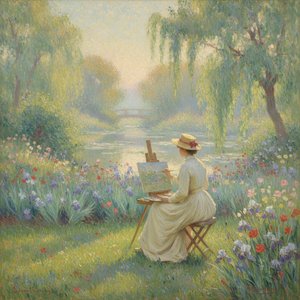
Capturing Ephemeral Light: A Definitive Guide to the Artistry of American Impressionism
Explore the luminous world of American Impressionism. Discover the history of plein air painting, the mastery of artists like Robert Julian Onderdonk, and the enduring beauty of light-drenched landscapes through this expert art history guide.

Evocations of Place: A Historical Journey Through Landscape Art
Explore the rich history of landscape art with OriginalUniqueArt. Discover renowned artists, movements like Impressionism & tonalism, and expert guidance for collecting timeless pieces. Find your perfect serene escape today!

Evocations of Place: A Historical Journey Through Landscape Art
Explore the rich history of landscape art with OriginalUniqueArt. Discover renowned artists, movements like Impressionism & Romanticism, and expert guidance for collecting timeless pieces. Find your perfect serene escape today!
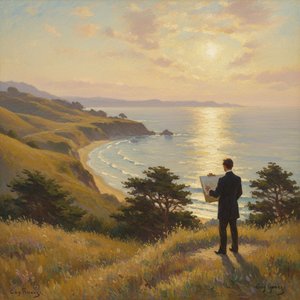
Guy Rose: Luminism, Impressionism & the Californian Aesthetic – A Comprehensive Exploration of Life and Legacy
Explore the life & art of Guy Rose, a leading American Impressionist painter. Discover his luminous California landscapes, Giverny scenes, and enduring legacy. A comprehensive guide for collectors & enthusiasts.
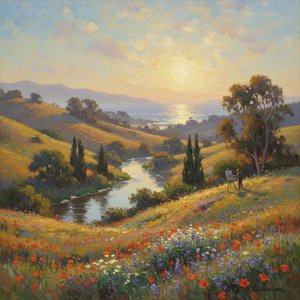
Guy Orlando Rose: Capturing California's Luminosity in American Impressionism
Explore the luminous landscapes of Guy Orlando Rose, a leading American Impressionist painter deeply influenced by Monet. Discover his mastery of light, atmospheric perspective & California scenes. Learn about his legacy and find high-quality reproductions.