

 Peržiūrėti realaus dydžio版
 Siųsti
 Dalintis
 Išsamiau
 Vadovas

 Atsisiųsti
 Panašūs eksponatai
 Rentgeno spindulių nuotrauka
 Diaporama
 Statistika
Veslez


 Rodyti daugiau
Giclée / Meno spausdinimas
Muziejų lygio „giclée“ arba drobos spausdinimas: greita gamyba ir lankstios apdailos parinktys. ( Pirkti rankomis tapytą reprodukciją Perejti prie skaitmeninių vaizdų)




































Pasirinkite iš mūsų nustatytų dydžių, atitinkančių originalaus meno kūrinio proporcijas.

Įveskite jums reikiamą plotį ir aukštį, kad atvaizdas derėtų prie jūsų rėmo ar sienos. Spausdiną galima tik sumažinti, bet nepadidinti virš originalaus paveikslėlio dydžio, todėl keičiant proporcijas, dalis vaizdo prarandama. Prieš spausdinimą atsiųsime jums skaitmeninį maketą patvirtinimui. Šioje puslapio nuotraukoje matomas pjūvis nėra tikslus – jį rodo tik maketas.
Pristatymas visame pasaulyje () per 2 weeks, o ne įprastas 4/5 savaičių laikotarpis. (26 spalis)

Nemokamas greitasis pristatymas visame pasaulyje

Aukštos kokybės lininis drobė

Pilnas siuntimo draudimas

Muitinės mokesčių grąžinimo garantija

Tikro spalvų atitikimo garantija

100 dienų grąžinimo politika (tik esant įtaigoms)

100% pinigų grąžinimo garantija

Nuolaida dideliems užsakymams
 Stiklo variantas prieinamas tik pasirinkus dydį iki 110 cm

Veslez
Giclée / Meno spausdinimas
Reprodukcijos dydis
-


Visų pasirinktų variantų kaina
€ 70
A Glimpse of Rural Tranquility: "Veslez" by Gustave Loiseau
This charming painting, titled "Veslez," offers a serene glimpse into early 20th-century French countryside life. Painted in 1906, the artwork depicts a picturesque white house with a distinctive red roof nestled amongst lush trees and verdant grass. Two figures are subtly integrated into the scene – one positioned to the left and another near the center – adding a touch of human presence without disrupting the overall sense of peaceful solitude. The composition is carefully balanced, drawing the viewer's eye towards the central focal point: the inviting home, radiating warmth and domesticity.Post-Impressionist Style & Technique
"Veslez" exemplifies Gustave Loiseau’s signature Post-Impressionist style. While initially experimenting with Pointillism, Loiseau developed a unique approach characterized by his distinctive "cross-hatching" technique. This involved layering short, intersecting strokes of color to create texture and vibrancy. Observe how the artist uses this method to render the foliage, giving it a lively, almost shimmering quality. The application of paint isn't smooth; instead, the visible brushstrokes contribute to the painting’s dynamic energy and capture the fleeting effects of light on the landscape. This technique moves beyond mere representation, imbuing the scene with an emotional resonance that is characteristic of Post-Impressionism.Historical Context & Location
The title "Veslez" likely refers to Vesuzé, a commune in Essonne, just south of Paris. Loiseau frequently painted scenes from this region and others near Paris, capturing the changing landscapes and rural life that were increasingly valued as escapes from the rapidly industrializing urban centers. The painting reflects a growing appreciation for the beauty of the French countryside during the Belle Époque (roughly 1871-1914), a period marked by optimism, artistic innovation, and a renewed interest in nature. The depiction of a comfortable home suggests an idealized vision of rural living – one that resonated with many at the time.Emotional Impact & Symbolism
Beyond its aesthetic appeal, "Veslez" evokes a sense of tranquility and nostalgia. The bright colors—the white house against the red roof, contrasted by the greens of the surrounding landscape—create a visually pleasing harmony that is inherently calming. The presence of the figures suggests a simple, contented life lived in harmony with nature. While subtle, the painting hints at themes of home, family, and the enduring beauty of the French countryside – values that continue to resonate today. It’s an invitation to pause, reflect, and appreciate the quiet joys of everyday existence.Why Choose a Reproduction?
A hand-painted reproduction of "Veslez" offers a unique opportunity to bring this captivating scene into your own space. Whether you're an art enthusiast, a collector seeking to expand their repertoire, or an interior designer looking for a touch of French charm, our reproductions capture the essence and beauty of Loiseau’s original work with remarkable fidelity. Experience the emotional impact and visual delight of "Veslez" in your home – a timeless piece that will inspire and uplift for years to come.问答 (or more naturally for a website heading): Klausimai ir atsakymai
Iš kur renkasi „Veslez“, autorius – Gustavas Loizasas lankytojai?
Eksistuoja Statistika puslapis kūriniui „Veslez“. Jame pateikiama mėnesio apžiūrų diagrama, apimanti šį kūrinį bei kitus šio kūrybinio veikėjo darbus, su skirstymu pagal šalis ir kalbas.
Kokios temos pasireiškia kūrynioje „Veslez“, autorius – Gustavas Loizasas?
„Veslez“, autorius – Gustavas Loizasas vaizdeletas: landscape, countryside, house, figures, trees, rural, parisian, daytime.
Kiek šviesos, kaip atrodo, atspindi „Veslez“ spalvos?
Kūrinys „Veslez“, autorius – Gustavas Loizasas pasižymi Gentle Luminance šviesos intensyvumu. Šviesos intensyvumas apibūdina, kiek šviesos, kaip atrodo, atspindi spalvos.
Autoriaus biografija
A Parisian Vision: The Life and Art of Gustave Loiseau
Gustave Loiseau, a name perhaps less immediately recognized than some of his Post-Impressionist contemporaries, nevertheless occupies a significant place in the story of French painting at the turn of the 20th century. Born in Paris on October 3rd, 1865, and passing away there on October 10th, 1935, Loiseau’s life was deeply intertwined with the evolving artistic landscape of his city and the broader currents of modernism. His journey began not within the hallowed halls of an art academy—though he briefly attended the École des arts décoratifs—but amidst the practical world of his parents' butcher shop. This early exposure to everyday Parisian life, coupled with a subsequent apprenticeship with a family friend who was a decorator, would profoundly shape his artistic sensibilities. It instilled in him a keen observation of the city’s rhythms and textures, a fascination that would become central to his oeuvre. A modest inheritance from his grandmother proved pivotal, allowing Loiseau to dedicate himself fully to painting in 1887, though his formal training was cut short by a disagreement with a teacher—a testament to his independent spirit.Early Life and Influences
Loiseau’s formative years were marked by a grounding in the tangible realities of Parisian life. Growing up in a family involved in the butchering trade instilled in him an appreciation for craftsmanship and attention to detail – qualities that would later translate into his distinctive artistic style. While he lacked extensive academic training, Loiseau absorbed influences from fellow artists experimenting with new approaches to painting. Notably, he encountered Paul Gauguin and Émile Bernard at Pont-Aven in Brittany during his first visit in 1890—a pivotal encounter that exposed him to the burgeoning Symbolist movement and its exploration of subjective experience. This exposure ignited Loiseau’s imagination and propelled him toward a rejection of traditional academic conventions, paving the way for his groundbreaking artistic innovations.The Birth of ‘En Treillis’: A Revolutionary Technique
Loiseau’s artistic breakthrough arrived with the development of *en treillis*, or cross-hatching—a technique that would become synonymous with his oeuvre and distinguish him from many of his Impressionist counterparts. Unlike the blended brushstrokes characteristic of Impressionism, which sought to capture fleeting impressions of light and color, Loiseau employed a network of fine, interwoven lines to construct form and convey atmospheric depth. This method wasn’t merely descriptive; it was expressive—a deliberate effort to translate his perceptual experience onto canvas with remarkable precision. Observing the way sunlight filtered through foliage in Brittany inspired him to experiment with this innovative approach, resulting in paintings that possessed a shimmering quality unlike anything produced before. It represented a radical departure from established artistic practices and solidified Loiseau’s position as a pioneer of modern painting.Parisian Landscapes and Artistic Recognition
Loiseau's artistic focus remained steadfast on capturing the essence of Parisian life and the beauty of rural landscapes—themes that recurred throughout his prolific career. His depictions of streets like Rue de Clignancourt and Avenue de Fiedland weren’t grand vistas but intimate portraits of urban existence, meticulously rendered with an eye for subtle nuances of light and shadow. Simultaneously, he created a series of paintings depicting Brittany's countryside – orchards, gardens, fields – at various seasons—a testament to his unwavering dedication to observing and interpreting the natural world. Loiseau gained considerable acclaim during his lifetime through exhibitions at prestigious venues such as the Salon des Indépendants and the Salon de la Société Nationale, securing recognition from both critics and collectors alike. His work was championed by Paul Durand-Ruel, a prominent art dealer who fostered the careers of many Impressionist and Post-Impressionist artists—a crucial factor in establishing Loiseau’s enduring legacy.Legacy and Enduring Influence
Gustave Loiseau's contribution to French painting extends beyond his distinctive technique; it resides in his unwavering commitment to artistic integrity and his profound engagement with the transformative spirit of modernism. While he may not have achieved the widespread fame enjoyed by some contemporaries, Loiseau’s paintings continue to captivate audiences today—a testament to their timeless beauty and insightful portrayal of human experience. His legacy is evident in the collections of museums across France, where his works are celebrated for their textural richness, atmospheric depth, and evocative emotional resonance. Loiseau stands as a beacon of artistic innovation—an artist who dared to forge his own path while embracing the intellectual currents shaping the art world of his era. He remains an inspiration to artists striving for authenticity and visual eloquence.
Gustavas Loizasas
1865 - 1935 , Prancūzija
Trumpa informacija apie kūrėją
- Artistic Movement Or Style: Post-Impressionizmas
- Artists Who Influenced This Artist:
- Paul Gauguin
- Émile Bernard
- Date Of Birth: 1865 metų spalio 3 d.
- Date Of Death: 1935 metų spalio 10 d.
- Full Name: Gustave Loiseau
- Nationality: Prancūzas
- Notable Artworks:
- Rue de Clignancourt
- Avenue de Fiedland
- Etretat
- La Pomme
- Place Of Birth: Paryžius, Prancūzija
Susiję straipsniai
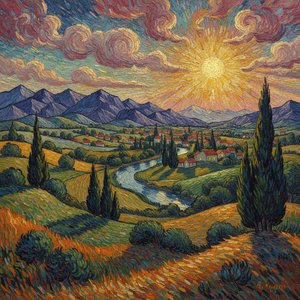
Beyond Impressionism: The Emotional Depth and Vibrant Evolution of Post-Impressionist Landscapes
Explore the profound evolution of Post-Impressionist landscapes. From Van Gogh's emotional brushwork to Cézanne's structural mastery, discover how these visionaries redefined art history through color and form in this expert guide for fine art enthusiasts.

Paul Cézanne: 25 Šedevrai, Keičiantys Meno Pasaulį | OriginalUniqueArt.lt
Atraskite 25 Paul Cézanno šedevrus! Išsami analizė, istorijos ir įkvėpimas interjero dekorui. Modernus menas, impresionizmas, natiurmortai – viskas OriginalUniqueArt.com. Explore the full collection online!
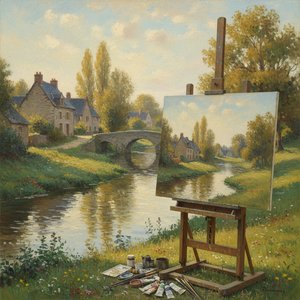
Gustave Loiseau: Capturing the Ephemeral Light of French Landscapes
Explore the captivating landscapes of Gustave Loiseau, a key Post-Impressionist painter. Discover his unique 'en treillis' technique and artistic legacy with our comprehensive guide.

Džono Konsteblio Šedevrai: 25 Išskirtiniai Darbai Jūsų Interjerui | OriginalUniqueArt
Atraskite 25 įspūdingiausius Džono Konsteblio paveikslus! Romantizmo meistro gamtos vaizdai, Dedham Vale peizažai ir meno istorijos šedevrai. Meno reprodukcijos jūsų interjerui – OriginalUniqueArt.com
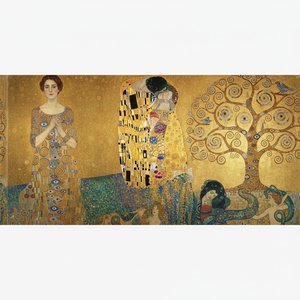
Gustavo Klimto Šedevrai: 25 Išskirtiniai Darbai Jūsų Interjerui | OriginalUniqueArt
Atraskite 25 įspūdingiausius Gustavo Klimto kūrinius! Išsami analizė, istorijos ir simbolizmas. Įkvėpkite interjerui aukso spalvos paveikslus iš Vienos secesijos laikų. Kokybiškos reprodukcijos – OriginalUniqueArt.com