Meniu
Text size

() ·

A painting made for you, by hand

Study for Landscape with Waterfall

Rankų darbo aliejinės reprodukcijos

Rankiniu būdu tapytas aliejus ant droblio jūsų pageidaujamame dydį ir rėmuose – tai mūsų menininkų pagal užsakymą sukurtas darbas. ( Perjungti į spausdinamus版作品 Perejti prie skaitmeninių vaizdų)

Kolekcinio objekto aprašas

Gustave Courbet’s "Study for Landscape with Waterfall" captures serene nature in a Romantic style. Oil on canvas showcases realistic detail & atmospheric perspective. Explore this iconic landscape painting.

Autoriaus biografija

Gustavas Kurbė (1819–1877) – realizmo pradininkas! Ištyrinę paveikslus, vaizduojančius kasdienį gyvenimą ir darbo žmonių temas, kaip „Laidotuvės Ornane“. Susipažinkite su jo revoliuciniu įtaka 19-ojo amžiaus menui.

from ·

Chapter 1

How large should it be?

Slide to change the size; the picture on the left shows the frame at its real width. The proportions of the original are kept.

Standartinis dydis
pagal užsakymą
CM
INCH

Pasirinkite iš mūsų nustatytų dydžių, atitinkančių originalaus meno kūrinio proporcijas.

plotis
aukštis

Įveskite jums reikiamą plotį ir aukštį, kad paveikslas atitiktų jūsų rėmą ar sieną. Kadangi šis darbas yra rankinio darbo, siekiant išgauti kitokios formos dydį, paveikslas gali būti šiek tiek didesnis (nuo kraštų bus palikta daugiau erdvės) arba mažesnis – pasirinkite jums patogiausią variantą. Prieš pradedant tapyti, atsiųsime jums skaitmeninį maketą patvirtinimui. Šioje puslapio nuotraukoje matomas vaizdas nėra galutinis rezultatas – jį parodys tik sukurtas maketas.

Chapter 2

How should it arrive?

Choose the edges of the stretched canvas

Choose your frame

Corner sample of the WhiteWrap canvas edge finish, stretched on solidus medžio

**Improved version:**
solidus medis bars
White €1
Corner sample of the BlurSideWrap canvas edge finish, stretched on solidus medžio

**Improved version:**
solidus medis bars
Blurside €1
Corner sample of the ExtendedWrap canvas edge finish, stretched on solidus medžio

**Improved version:**
solidus medis bars
Extended €1
Corner sample of the P118B picture frame: lieto polistirolo detalės, 5 cm wide and 3 cm thick
P118B €10
Corner sample of the P118H picture frame: lieto polistirolo detalės, 5 cm wide and 3 cm thick
P118H €10
Corner sample of the P118W picture frame: lieto polistirolo detalės, 5 cm wide and 3 cm thick
P118W €10
Corner sample of the P438Z picture frame: lieto polistirolo detalės, 5.5 cm wide and 3.5 cm thick
P438Z €10
Corner sample of the P508JH picture frame: lieto polistirolo detalės, 7 cm wide and 3.5 cm thick
P508JH €12
Corner sample of the P508YH picture frame: lieto polistirolo detalės, 7 cm wide and 3.5 cm thick
P508YH €12
Corner sample of the P805H picture frame: lieto polistirolo detalės, 5 cm wide and 3.5 cm thick
P805H €10
Corner sample of the P805Z picture frame: lieto polistirolo detalės, 5 cm wide and 3.5 cm thick
P805Z €10
Corner sample of the P919BZ picture frame: lieto polistirolo detalės, 7 cm wide and 3.5 cm thick
P919BZ €10
Corner sample of the P919G picture frame: lieto polistirolo detalės, 7 cm wide and 3.5 cm thick
P919G €10
Corner sample of the P919XJ picture frame: lieto polistirolo detalės, 7 cm wide and 3.5 cm thick
P919XJ €10
Corner sample of the P959ZH picture frame: lieto polistirolo detalės, 5 cm wide and 3 cm thick
P959ZH €10
Corner sample of the P968JZ picture frame: lieto polistirolo detalės, 6 cm wide and 4 cm thick
P968JZ €12
Corner sample of the W106C picture frame: solidus medžio

**Improved version:**
solidus medis, 5 cm wide and 3 cm thick
W106C €8
Corner sample of the W218G picture frame: solidus medžio

**Improved version:**
solidus medis, 5 cm wide and 3 cm thick
W218G €10
Corner sample of the W218JH picture frame: solidus medžio

**Improved version:**
solidus medis, 5 cm wide and 3 cm thick
W218JH €8
Corner sample of the W218Y picture frame: solidus medžio

**Improved version:**
solidus medis, 5 cm wide and 3 cm thick
W218Y €10
Corner sample of the W307PJ picture frame: solidus medžio

**Improved version:**
solidus medis, 6 cm wide and 3 cm thick
W307PJ €10
Corner sample of the W316G picture frame: solidus medžio

**Improved version:**
solidus medis, 6 cm wide and 3 cm thick
W316G €10
Corner sample of the W316PJ picture frame: solidus medžio

**Improved version:**
solidus medis, 6 cm wide and 3 cm thick
W316PJ €8
Corner sample of the W316Y picture frame: solidus medžio

**Improved version:**
solidus medis, 6 cm wide and 3 cm thick
W316Y €10
Corner sample of the W398PJ picture frame: solidus medžio

**Improved version:**
solidus medis, 5 cm wide and 3 cm thick
W398PJ €8
Corner sample of the W4111J picture frame: solidus medžio

**Improved version:**
solidus medis, 6.5 cm wide and 3.5 cm thick
W4111J €10
Corner sample of the W500HY picture frame: solidus medžio

**Improved version:**
solidus medis, 7 cm wide and 5 cm thick
W500HY €15
Corner sample of the W500JH picture frame: solidus medžio

**Improved version:**
solidus medis, 7 cm wide and 5 cm thick
W500JH €15
Corner sample of the W692G picture frame: solidus medžio

**Improved version:**
solidus medis, 8 cm wide and 4 cm thick
W692G €12
Corner sample of the W849H picture frame: solidus medžio

**Improved version:**
solidus medis, 5 cm wide and 3 cm thick
W849H €8
Corner sample of the W940BG picture frame: solidus medžio

**Improved version:**
solidus medis, 7.5 cm wide and 4.5 cm thick
W940BG €15
Corner sample of the W953PJ picture frame: solidus medžio

**Improved version:**
solidus medis, 6 cm wide and 3.5 cm thick
W953PJ €8
Corner sample of the H24-GOLD picture frame: medžio skulptūra su gipso sluosniu, 10 cm wide and 6 cm thick
H24-GOLD €30
Corner sample of the H24-SILVER picture frame: medžio skulptūra su gipso sluosniu, 10 cm wide and 6 cm thick
H24-SILVER €30
Corner sample of the H36-GOLD picture frame: medžio skulptūra su gipso sluosniu, 15 cm wide and 6.5 cm thick
H36-GOLD €45
Corner sample of the H36-SILVER picture frame: medžio skulptūra su gipso sluosniu, 15 cm wide and 6.5 cm thick
H36-SILVER €45
Rėmo peržiūra
Įrėmintas

Moulding: . Overall size with the frame: .

Chapter 3

Who paints it, and should anything change?

Examples of what can be changed: Replace face with customer photo; Add pet (e.g., replace cat with dog); Include hidden message in background; Change background landscape or elements.
After order, OriginalUniqueArt.com team will email client for instructions and provide a mockup preview

Pristatymas visame pasaulyje () per 3–4 savaites, o ne įprastai – per 5 savaites. (29 spalis). Kokybė lieka nepakeičiama.

Chapter 4

The finishing touches

A nameplate, as in a museum?

Išgraviruotos bronzinės plokštelės detalės

This elegant plaque features the artist's name and the title of the artwork, finely engraved for a timeless presentation.

It is made from bronze with a refined, elegant finish. The text is precisely laser-engraved for a sharp and permanent result. Measuring 9x2 cm, the plaque is compact yet easy to read. It's built to be durable and scratch-resistant, offering a professional, museum-quality look. Mounting is simple thanks to the included adhesive backing.

Skaidrios akrilo plokštelės informacija

The plaque includes essential engraved details such as the artist's name, the title of the artwork, the date it was created, the type of media used-like oil on canvas or watercolor-a brief description of the piece, and a QR code that links to the complete artwork information.

It is crafted from clear acrylic, offering a sleek, modern appearance. The text is UV-engraved in black to ensure strong visual contrast. With a size of 10x15 cm, it ensures optimal readability. It comes equipped with two metal hooks for secure wall mounting. The plaque is designed to be weather-resistant, making it suitable for various environments, and it includes interactive features that work seamlessly with smartphone scanning.

Juodos akrilo plokštelės informacija

This elegant plaque includes engraved information such as the artist's name, the title of the artwork, the date it was created, the type of media used (like oil on canvas or watercolor), a short description of the artwork, and a QR code for quick access to more information.

The plaque itself is made from refined black acrylic with a premium finish. The text is laser-engraved in white for high contrast and readability. Its size is 10x15 cm, designed to be easy to read. It comes with two metal hooks for professional mounting. The design is sleek and fits any interior style. It is also weather-resistant and durable, with built-in digital integration for mobile compatibility.

A protective varnish?

When do you need it?

Chapter 5

Your painting, as you ordered it

Study for Landscape with Waterfall

Reprodukcijos technika

Reprodukcijos matmenys

-

Aukščiausios klasės meistras

Daugiau detalių, meistriškumo ir papildomo gamybos laiko

-

Reprodukcijos rėmėjimo parinktys

-

-

Dėl meno kūrinių ar reprodukcijų, kurių bet kuri pusė yra didesnė nei 105 cm (apie 41 inch), rėmas bus siunčiamas kaip išskaidytas surinkimo rinkinys. Šis metodas užtikrina saugų pristatymą ir apsaugo nuo transportavimo metu galimos žalos.

Reikalingas profesionalus surinkimas – tai nėra „pasidaryk pats“ (DIY) produktas.
Rinkinys turi būti surinktas, o drobė išplėsta naudojant patyrį profesionalų rėmininką, medžio klijus (nėra įtraukti į rinkinį), drobės plėšimo kleslę bei presas, kad rėmo rėžiai išliktų tiesūs, kol klijai išdžiūvus. Netinkamas surinkimas arba netolydus drobės įtampa gali negrįžtamai sugadinti meno kūrinį, todėl šie atvejai nėra užtraukiami mūsų garantijos.

  • Į komplektą įeina visi vientisos medienos elementai, tiksliai išpjauti pagal dydį.

  • Surmontinama naudojant pridėtus varžtus bei papildomai reikalingą medžio kliją kampų jungtims, kuris nėra pridėtas ir turi būti parinktas rėmininkui.

  • Reikalingi profesionalūs įrankiai, kurie nėra įtraukti į rinkinį: drobės kėlimo plytelės (stiprintuvai) ir klemiai, laikantys rėmo strygius tiesiu kampu, kol džiūsta lipas.

Svarbu:
Kampų jungtims reikalingi medžio klijai, barams reikia laikyti naudojant presas, kol klijai visiškai išdžiūvės, o surinktam rėmui įtempiamai privilgti būtinos drobės įtempimo plytযুক্ত. Šios priemonės į rinkinį neįtrauktos. Prieš užsakydami šio dydžio rinkinį, rekomenduojame pasimalkoti patyrusiu rėmų meistru.

Pavadinimo lentelė

-

-

Apsauginis lakas

Blizgus lakas (ryškina spalvas, saugo nuo šviesos ir drėgmės)

-

Personalizuoti kūrinį

Ką galima pakeisti (pavyzdžiui): pakeisti veidą klientui skirta nuotrauka; pridėti augintinį (pvz., katę pakeisti šuniu); įtraukti paslėptą žinutę fone; pakeisti fono kraštovaizdį ar elementus.

-

Skubiai

Pristatymas visame pasaulyje () per 3–4 savaites, o ne įprastai – per 5 savaites. (29 spalis). Kokybė lieka nepakeičiama.

-

Skubus pristatymas

Pristatymas visame pasaulyje () per 5 weeks. (5 lapkritis).

Įskaičiuota

Bendroji kaina

€ 265

Visos kainos suma € 265

Stiklo variantas prieinamas tik pasirinkus dydį iki 110 cm

Included with every order

  • Nemokamas greitasis pristatymas visame pasaulyje
  • Aukštos kokybės lininis drobė
  • Pilnas siuntimo draudimas
  • Muitinės mokesčių grąžinimo garantija
  • Tikro spalvų atitikimo garantija
  • 100 dienų grąžinimo politika (tik esant įtaigoms)
  • 100% pinigų grąžinimo garantija
  • Nuolaida dideliems užsakymams

A Symphony of Stone and Stream

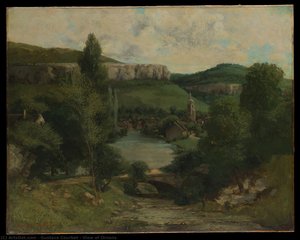
In the quiet intensity of Gustave Courbet's Study for Landscape with Waterfall, we find ourselves standing on the precipice of a world where nature speaks in whispers and roars alike. This captivating work is far more than a mere topographical record; it is a profound meditation on the raw, unyielding majesty of the natural landscape. The composition is masterfully anchored by the vertical drama of rugged cliffs and towering trees, which command the viewer's gaze before leading it downward along the cascading white veil of the waterfall. A winding stream meanders through a tranquil meadow, its horizontal flow providing a serene counterpoint to the imposing geological structures. It is a scene that invites deep contemplation, drawing the observer into the very heart of an untamed wilderness that feels both ancient and immediate.

As a pioneer of the Realism movement, Courbet utilized this study to bridge the gap between the emotional grandeur of Romanticism and his own revolutionary commitment to truth. While the painting retains the atmospheric soul of the preceding era, it rejects the polished, idealized landscapes of the Academy in favor of something far more visceral. There is no attempt to beautify the ruggedness; instead, Courbet celebrates the honest texture of the earth. This piece served as a vital preparatory step for his larger-scale works, acting as a laboratory where he could experiment with the interplay of light and shadow, ensuring that when he finally approached a grand canvas, the essence of the terrain was already etched into his mind.

The Mastery of Texture and Light

To gaze upon this oil on canvas is to witness a masterclass in tactile painting. Courbet’s technique is remarkably physical, employing visible, purposeful brushstrokes that breathe life into the inanimate. One can almost feel the abrasive grit of the rocky precipices and the dense, damp weight of the forest foliage through his skillful use of impasto and layering. He employs atmospheric perspective with great subtlety, allowing colors to soften and details to blur in the distance, which creates a breathtaking sense of depth and vastness. This technique ensures that the viewer does not merely look at a flat surface but feels transported into a three-dimensional space where the air itself seems heavy with mist.

The color palette is a sophisticated arrangement of cool tones—deep blues, mossy greens, and slate grays—all grounded by warm, earthy undertones. This selection creates a mood that is simultaneously serene and dramatic, reminiscent of the soft, diffused light found during an overcast morning or the golden hush of twilight. The lighting does not strike the scene with harshness but rather bathes it in a gentle glow, highlighting the fluidity of the water and the permanence of the stone. For the discerning collector or interior designer, this painting offers a versatile emotional anchor; its muted yet rich tones provide a sense of calm sophistication that can elevate a room, offering a window into a world of enduring natural beauty.

Symbolism and Lasting Resonance

Beyond its physical attributes, the work carries a subtle layer of symbolic resonance that speaks to the human condition. The waterfall, in its eternal descent, serves as a powerful metaphor for flow, renewal, and the unstoppable passage of time. In contrast, the massive cliffs stand as symbols of strength, resilience, and permanence against the elements. This duality—the ephemeral movement of water against the enduring weight of rock—creates a tension that is both intellectually stimulating and emotionally grounding. It is this very balance that makes Courbet's work so enduringly relevant to modern spaces.

For those seeking to incorporate fine art into their surroundings, a high-quality reproduction of this study offers more than just decoration; it offers an experience. Whether placed in a sunlit library or a contemporary living space, the painting acts as a focal point of quiet strength. It brings the restorative power of the outdoors inside, reminding us of the beauty found in the unadorned and the real. To own such a piece is to possess a fragment of art history's great rebellion, a testament to the moment when artists decided to stop dreaming of perfection and start painting the magnificent truth of the world around them.

Klausimai ir atsakymai

Kokia technika sukurta „Study for Landscape with Waterfall“ – Gustavas Kurbė?

„Study for Landscape with Waterfall“ technika – Oil On Canvas.

Kur galiu įsigyti rankinio darbo „Study for Landscape with Waterfall“ – Gustavas Kurbė reprodukciją?

„Study for Landscape with Waterfall“ galima įsigyti kaip rankomis dažyta aliejaus reprodukcija ant lininio drobos. Užsakymą galite padaryti specialioje Rankų darbo aliejinis reprodukcija puslapio, pasirinkę tinkamą dydį.

Kur ir kokiam tikslui rekomenduojamas „Study for Landscape with Waterfall“?

„Study for Landscape with Waterfall“ – Gustavas Kurbė rekomenduojamas Accent, idealiai – Living Room erdvėje. Naudojimo paskirtis ir erdvė padeda suprasti, kur ši reprodukcija tiktų geriausiai.

More about this painting

Peržiūrėti realaus dydžio版 Peržiūrėti AR realybėje Perjungti į spausdinamus版作品 Perejti prie skaitmeninių vaizdų Pasidalinti
Išsamiau Vadovas Pridėti į mėgstamiausius Atsisiųsti Panašūs eksponatai Rentgeno spindulių nuotrauka Automatinė diorama Q&A Statistika

In numbers

  • 29frames to choose from
  • standard sizes, in its own proportions
  • 5weeks to paint and deliver it
Gustavas Kurbė

Gustavas Kurbė

1819 - 1877, Prancūzija

Quick facts about Gustavas Kurbė

  • Gimimo Data: 1819 m. birželio 10 d.
  • Gimimo Vieta: Ornanas, Prancūzija
  • Meninis Stilius: Realizmas
  • Mirties Data: 1877 m. gruodžio 31 d.
  • Pilnas Vardas: Gustavas Kurbė
  • Tautybė: Prancūzas
  • Įkvėpė Menininkus:
    • Impresionizmas
    • Post-Impressionizmas
  • Įtakojo Menininkai:
    • Delakrua
    • Gerikoltas
    • Caravaggio
  • Žymūs Kūriniai:
    • Laidotuvės Ornane
    • Pasaulio kilmė
    • Dailininko studija

Autoriaus biografija

Gustavo Kurbė: Realizmo Revoliucija Ant Drobelės

Ornano kaime, Prancūzijoje, 1819 m. birželio 10 d. gimęs Žanas Desirė Gustavo Kurbė tapo neeiliniu atradėju meno pasaulyje. Jo istorija – tai ne tik dažų ir drobės pasakojimas, bet ir socialinių komentarų, politinio įsitikinimo bei nepajudinamojo noro pavaizduoti pasaulį tokį, kokį jis matomas – be idealizavimo, atvirai ir giliai realiai. Augęs gana turtingoje buržujų šeimoje, Kurbė sulaukė motinos palaikymo savo meniniais siekiais, kas paskatino meno revoliuciją. Formalus jo mokymasis prasidėjo École des Beaux-Arts Paryžiuje 1839 m., tačiau jis netrukus pajuto nepasitenkinimą dėl vyraujančių akademinių konvencijų ir romantinio idealizmo. Nors pripažindamas įtaką tokiems dailininkams kaip Žanas Ogė Delakrua ir Teodoras Gerikas, Kurbė sukūrė savo kelią – prioritetą skyręs stebėjimui, o ne vaizduotei, tiesai – tradicijoms.

Realizmo Gimimas: Iššūkis Meniniams Kanonams

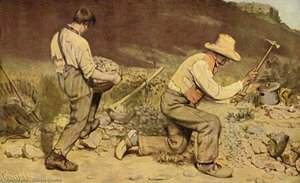
Kurbės meninis vystymasis buvo pažymėtas sąmoningo dabartinių estetikos standartų atmetimo. Jis nebuvo suinteresuotas mitologinėmis pasakomis ar herojiniais alegorijomis; jo žvilgsnis buvo nukreiptas į kasdienį paprastų žmonių gyvenimą, ypač tuos, kurie dirba ir gyvena kaimo vietovėse. Šis atsisakyimas pavaizduoti pasaulį be gražinimo – tai, kas vėliau taps žinoma kaip realizmas – iš pradžių susidūrė su kritikų nepritarimu, įpratę į labiau poliruotus ir idealizuotus vaizdus. Ankstyvieji darbai tyrė peizažus ir portretus, tačiau greitai perėjo prie scenų, kuriose pavaizduotas darbo žmonių gyvenimas, sukurtas monumentaliu masteliu, paprastai rezervuotu istorinėms ar religinėms drobėms. Šis sąmoningas pasirinkimas nebuvo tik stilistinis; tai buvo pareiškimas apie šių dažnai pamirštamų subjektų įgimtą orumą ir svarbą. Akmenskaldžiai, baigti 1849 m., bet tragiškai sunaikinti Antrojo pasaulinio karo metu, puikiai iliustravo šį požiūrį – atšiauri du darbo žmonių vaizdinys, jų veidai paslėpti nuovargio ir vargo. Šis paveikslas, kartu su tokiais kūriniais kaip Laidotuvės Ornane (1850 m.), iššūkį metė pačiai „vertos“ meno sampratos apibrėžčiai.

Svarbiausi Darbai ir Meninė Filosofija

Laidotuvės Ornane, monumentalus drobė, kuriame pavaizduotas kaimo laidotuvių scenas, sukėlė sumetimą, kai buvo eksponuotas 1850–1851 m. Jo dydis – paprastai rezervuotas didelioms istorinėms drobėms – kartu su atšiauriu realizmu ir emocijų idealizavimo nebuvimu šokavo publiką. Kurbė nepavaizdavo gedulingųjų kaip kilnių ar kančioti narių; jis juos pristatė kaip paprastus žmones, kurių veidai išgraviruoti liūdesio, nuobodulio ir atsisakymo mišiniu. Šis tiesumo principas buvo revoliucinis. Jo meninė filosofija driekiasi ne tik už tematikos, bet ir už technikos. Jis pirmenybę teikė tiesiogiai, impasto stiliui – tirštai dengiant dažais drobę – pabrėždamas pačios terpės materialumą. Dailininko studija (1855 m.), alegorinis kūrinys, atspindintis jo meninius įsitikinimus ir santykį su šiuolaikiniu socialiniu požiūriu, dar labiau sustiprino jo reputaciją kaip provokuojančio ir nepriklausomo dailininko. Jo dalyvavimas Salon des Refusés 1863 m. – parodoje, kuriame buvo eksponuoti oficialiojo Salono atsisakyta kūrinių – įtvirtino jį kaip maištlingą ir meninės laisvės šventėją. Net peizažai, tokie kaip Vaizdas Fontainebleau miške (1855 m.), buvo persunktas realizmo jausmu, užfiksuodamas miško natūralų grožį be jo romantizavimo.

Palikimas ir Istorinė Signifikacija

Gustavo Kurbės įtaka vėlesniems meniniams judėjims neatsiejama. Nors jis semiasi įkvėpimo iš ankstesnių meistrų, tokių kaip Karavadžis dėl jų dramatiško realizmo ir šviesos bei šešėlio naudojimo, jo poveikis buvo daug didesnis nei tiesioginė imitacija. Jis giliai paveikė impresionistus ir postimpresionistus, išlaisvindamas juos nuo tradicinio atvaizdo apribojimų, skatindamas ieškoti naujų būdų pamatyti ir pavaizduoti pasaulį. Jo socialinis komentaras pavedė kelią vėlesniems socialiai įsipareigojusiems dailininkams, kurie panaudojo savo kūrybą kaip platformą politiniam aktyvismui. Kurbė nebuvo tik dailininkas; jis buvo balsingas meninės laisvės ir politinių pokyčių šalininkas, aktyviai dalyvavęs savo laikų sukrėtimuose, įskaitant 1871 m. Paryžiaus Komuną – įsitraukimas, dėl kurio teko išeiti į izoliaciją Šveicarijoje. Jis mirė 1877 m., palikęs kūrinių rinkinį, kuris ir šiandien įkvepia ir sukelia diskusijas publikai.
  • Realizmo pradininkas
  • Iššūkio akademiniams kanonams
  • Paveikė Impresionizmą ir Post-Impressionizmą
  • Meninės laisvės šalininkas
Jo palikimas yra liudijimas meno galiai iššūkiui, klausimui ir galiausiai transformuoti mūsų supratimą apie pasaulį aplink mus.

Trumpa informacija

  • subject: Landscape
  • artist: Gustave Courbet
  • title: Study for Landscape with Waterfall
  • medium: Oil on canvas

Karo viktorina

Kiekviename klausime yra tik vienas teisingas atsakymas.

Klausimas 1:
Gustave Courbet is most closely associated with which artistic movement?
Klausimas 2:
What is a dominant feature of the composition in 'Study for Landscape with Waterfall'?
Klausimas 3:
How does Courbet’s approach to landscape painting differ from earlier traditions?
Klausimas 4:
The description mentions 'atmospheric perspective.' What does this technique achieve?