Symbolism · 1896
Junius (Gustav Klimt, 1896)
Gustav Klimt (1862–1918) sukūrė Junius. Šis kūrinys datuojamas 1896 m. Šis kūrinys priklaulo Symbolism kieruliui. Pagaminta naudojant Akrilas ant drobės. Dimensijos – 41 × 31 cm.
- 1896
- Akrilas ant drobės
- 41 × 31 cm

 Peržiūrėti realaus dydžio版

 Rankinio darbo aliejinės imitacijos paveikslas
 Pasidalinti
 Dalintis
 Informacinė l lapelė


 Atsisiųsti
 Panašūs eksponatai
 Rentgeno spindulių nuotrauka
 Automatinė diorama
 问答

 Statistika
Junius, trumpai
- Pavadinimas
- Junius
- Autorius
- Gustav Klimt (1862–1918)
- Dizainere/is gimęs
- Baumgartenas, Austrija
- Data
- 1896
- Mediumas
- Akrilas ant drobės
- Matmenys
- 41 × 31 cm
- Judėjimas
- Symbolism
Ką vaizduoja Junius?
Junius: A Symbolist Vision of Power and Reflection
Gustav Klimt’s “Junius,” created in 1896 during his formative years as a Symbolist painter, stands as a cornerstone of his artistic legacy—a mesmerizing blend of meticulous detail and profound symbolic resonance. Measuring 41 x 31 cm, this chalk drawing transcends mere representation; it invites contemplation on themes of authority, introspection, and the elusive quest for spiritual enlightenment. Klimt’s masterful use of texture and color contributes to an atmosphere of enigmatic beauty that continues to captivate audiences today.The Painting: A Glimpse into Symbolism
“Cite>Junius” embodies the core tenets of Symbolism—a movement rejecting realism in favor of conveying emotions and ideas through evocative imagery and veiled references. Klimt’s deliberate choice of composition—two figures adorned with crowns—immediately establishes a visual dialogue about power dynamics. The central figure, gazing downwards, symbolizes contemplation and inner turmoil, while the crowned man above represents dominion and perhaps even divine grace. This duality is skillfully rendered through Klimt's signature technique: delicate chalk strokes layered upon each other to achieve an ethereal luminescence that captures the essence of Symbolist aesthetics.Symbolic Elements
The crowns themselves are laden with symbolic significance. Traditionally, they signify royalty, nobility, or spiritual ascension—concepts central to Klimt’s worldview and deeply rooted in Austro-Hungarian cultural traditions. However, within “Junius,” their downward gaze suggests a humbling awareness of mortality and the limitations inherent in earthly power. The subtle interplay between light and shadow further enhances this sense of mystery, prompting viewers to ponder the deeper meanings embedded within the artwork. Klimt’s meticulous attention to detail—the intricate patterns adorning the crowns and the delicate rendering of drapery—underscores his commitment to conveying complex ideas through visual form.Artistic Influences and Style
Klimt's artistic journey was profoundly shaped by movements like Symbolism and Art Nouveau, reflecting a broader cultural fascination with decorative arts and spiritual exploration. The influence of Japanese art is palpable in Klimt’s stylistic choices—particularly the flattened perspective and stylized ornamentation—demonstrating his openness to innovative visual languages. “Junius” exemplifies Klimt's ability to synthesize these influences into a singular artistic vision, creating a piece that feels both timeless and strikingly modern. His masterful brushwork contributes to an unparalleled textural richness, elevating the artwork beyond mere depiction to become an immersive experience for the observer.Relevance in Modern Times
Despite its creation over a century ago, “Junius” retains remarkable relevance today due to its exploration of universal human concerns—the tension between ambition and humility, contemplation and action. Klimt’s work continues to inspire artists and art enthusiasts alike, prompting discussions about the role of symbolism in conveying emotion and intellect. Furthermore, the painting's aesthetic beauty serves as a reminder of the enduring power of artistic expression to transcend temporal boundaries.Preservation and Display
Works like “Junius” are treasured possessions of museums such as The Museum Georg Schäfer in Germany, which houses a significant collection of 19th-century German paintings. These institutions diligently safeguard these masterpieces for future generations, ensuring their accessibility to scholars and admirers worldwide. Their commitment to conservation underscores the importance of preserving cultural heritage—a legacy that extends far beyond its original context.Conclusion
Gustav Klimt’s “Junius” remains an unforgettable testament to his artistic genius and the enduring allure of Symbolism. Its captivating composition, symbolic elements, and masterful technique converge to produce a visual experience that transcends time—inviting viewers to contemplate profound questions about human existence and the pursuit of spiritual understanding. For those eager to immerse themselves in Klimt’s broader oeuvre or discover similar artworks imbued with symbolism—such as Julio Ruelas—OriginalUniqueArt.com offers exceptional reproductions that bring these iconic pieces into your home, allowing you to appreciate their beauty and intellectual depth. Experience the brilliance of Klimt’s art with OriginalUniqueArt.com's handcrafted oil painting reproductions—bringing timeless masterpieces into your living space!Junius dididraudžios kokybės vaizdai

Viešoji domenė: suregalis mirė 1918 m.
Kiti dydžiai, iškarai ir citavimo informacija →
Gustav Klimt, Junius (1896). Viešoji domenė.
Atsakimai į klausimus apie Junius
Kada buvo sukurta „Junius“?
„Junius“ sukurta 1896 m. Ši data leidžia įvardyti kūrinį Gustav Klimt kūrybinėje karjeroje bei jo epochoje.
Kokia technika panaudota kūriniui „Junius"]?
„Junius“ – Gustav Klimt technika – Akrilas ant drobės. Kopijos siekia atkartoti šios technikos vaizdą.
Kokie yra „Junius“ – Gustav Klimt realūs matmenys?
Įrašyti kūrinio „Junius“ – Gustav Klimt matmenys yra 41 x 31 cm. Kopijas galima užsisakyti kitais dydžiais, išlaikant tą pačius proporcijas.
Ar „Junius“ yra viešosios teisės kūrinys?
Autorių teisių statusas kūriniui „Junius“ – Gustav Klimt: kūrinys priklauso yra viešosios erdvės dalis – jo autorinė teisė pasibaigusi. Tai nulemia, ar galima laisvai reprodukciuoti šį vaizdą.
Kas yra „Junius“ kūrybos autorius?
Kūrinį „Junius“ sukūrė Gustav Klimt. Darbas katalogizuojamas Gustav Klimt vardu.
Kokiam meno stiliui priklauso „Junius“ – Gustav Klimt?
Kūrinio „Junius“ – Gustav Klimt stilius – Symbolism. Ši klasifikacija leidžia šį darbą įtraukti į bendrą susijusių menininkų ir kūrinių kontekstą.
Kokio Gustav Klimt kūrybos laikotarpio priklauso „Junius“?
„Junius“ atspindi Gustav Klimt kūrybinį laikotarpį Mature Period.
Kiek metų buvo Gustav Klimt, kai sukūrė „Junius“ 1896 m.?
Gustav Klimt „Junius“ sukūrė būdamas 34 metų amžiaus.ت Artistas gimė 1862, o kūrinys datuojamas 1896 metais.
Kokia yra autorinės teisės situacijos priežastis kūriniam darbui „Junius“ – Gustav Klimt?
Autorinės teisės statusas kūriniui „Junius“ – yra viešosios erdvės dalis – jo autorinė teisė pasibaigusi – nustatomas remiantis to, kad menininkas mirė 1918 m.
Apie šį menininką, Gustav Klimt

1862–1918, Austrija
Gustav Klimt
Ankstyvieji metai ir meninės pradžios Gustavas Klimtas, gimęs 1862 m. liepos 14 d. Baumgartene, netoli Vienos, kilo iš šeimos, kurią lydėjo tiek meninis polinkis, tiek finansinės sunkumai. Jo tėvas, Ernstas Klimtas, buvo aukso graviūras meistras – profesija, kuri subtiliai, tačiau giliai paveikė jaunojo Gustavo estetinę nuovoką: aukso lakštų patrauklumas, atidumo detalės, grynas prabangos jausmas.
Taip pat Gustav Klimt darbai
 Gustavas Klimtas
Baumgarten
Austrija
1862
1918
Auksinė apkabinimas: Atskleidžiant Klimto „Bučinį“
Gustavo Klimto *„Bučinys“* yra galbūt vienas iš labiausiai atpažįstamų ir mylimų meno kūrinių pasaulyje. Be romantiškos meilės vaizdavimo, jis įkūnij1908
 Adele Bloch-Bauer Portretas I1907
 Džudita1901
 Baronės Elisabeth Bachofen-Echt portretas1916
Esdai apie Junius
 Masterpieces of the Habsburgs: Top 25 Must-See Artworks at the Albertina, ViennaJourney through the Albertina’s legacy with our curated guide to 25 iconic masterpieces. From Dürer's precision to Habsburg grandeur, explo…
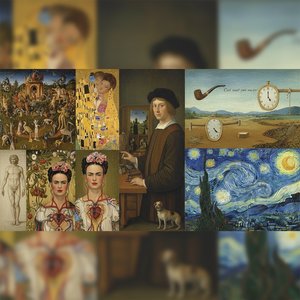 Symbolism in Art: 10 Masterpieces & Their Hidden Meanings | OriginalUniqueArtDelve into the enchanting world of Symbolism with 10 iconic paintings by Klimt, Munch & Moreau. Explore hidden meanings, dreamlike imagery …
 Golden Splendor: The 25 Most Iconic Masterpieces by Gustav KlimtImmerse yourself in the golden splendor of Gustav Klimt. Explore 25 iconic Art Nouveau masterpieces, from The Kiss to his legendary portrai…