
 Peržiūrėti realaus dydžio版
 Siųsti
 Dalintis
 Išsamiau
 Vadovas

 Atsisiųsti
 Panašūs eksponatai
 Rentgeno spindulių nuotrauka
 Diaporama
 Statistika
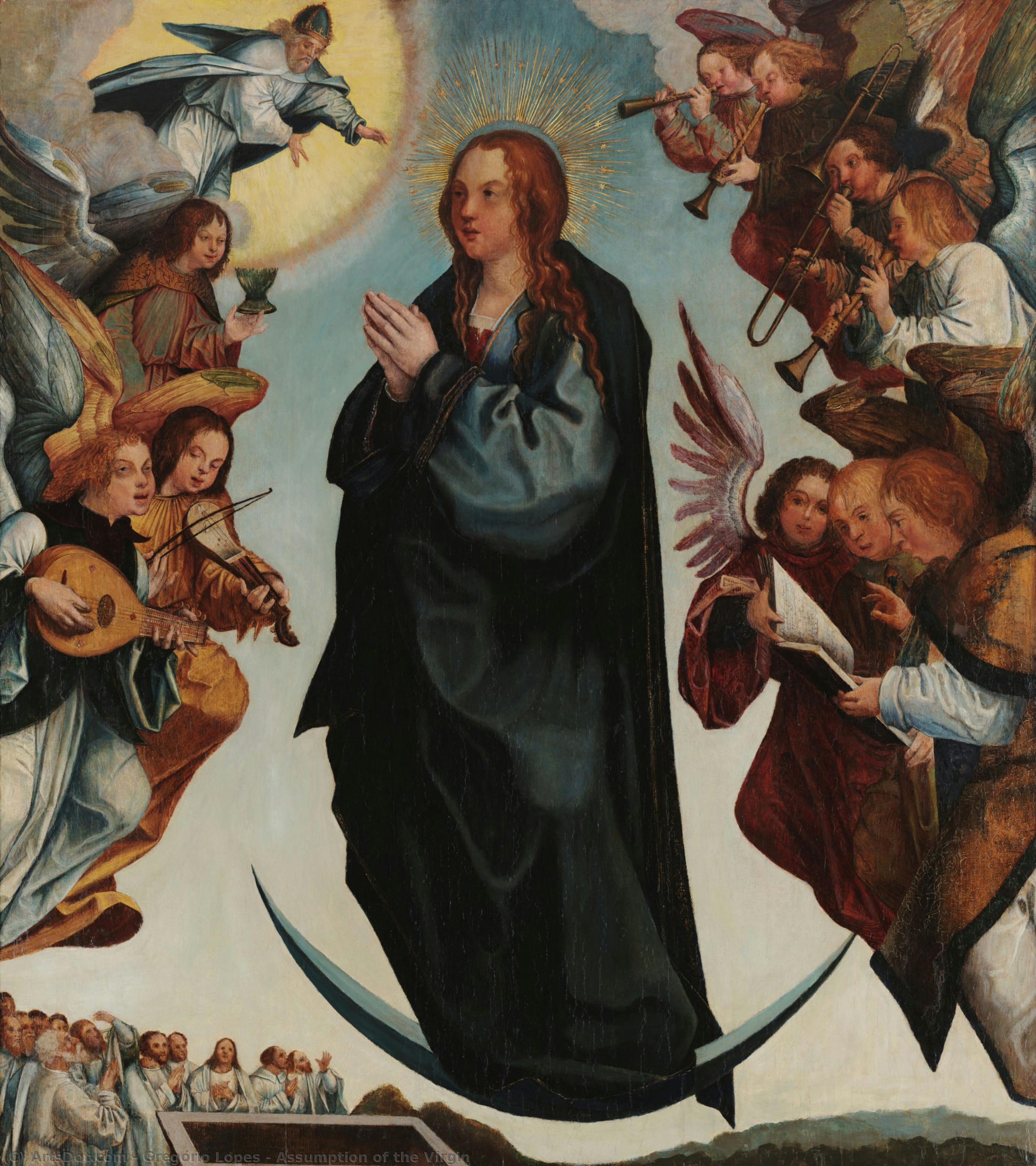
Assumption of the Virgin
 1500
1500 116.0 x 105.0 cm
 Museu Nacional da Música
 Rodyti daugiau
Giclée / Meno spausdinimas
Muziejų lygio „giclée“ arba drobos spausdinimas: greita gamyba ir lankstios apdailos parinktys. ( Pirkti rankomis tapytą reprodukciją Perejti prie skaitmeninių vaizdų)




































Pasirinkite iš mūsų nustatytų dydžių, atitinkančių originalaus meno kūrinio proporcijas.

Galite nurodyti savo matmenis, kad vaizdas atitiktų konkretų rėmą ar erdvę. Jei pasirinktas dydis nesutaps su originalaus paveikslėlio proporcijomis, mes arba apkirpsime kūrinį, arba išplėsime vaizdą naudojant veideliu atspindėtą arba vientisą šoną. Skaitmeninis maketas bus išsiųstas jums patvirtinti prieš pradedant gamybą.
Atkreipkite dėmesį, kad ekrane matomas vaizdinys neatspindi tikrojo apkirpimo ar išplėtimo. Tik maketas tiksliai parodytų galutinę kompoziciją.
Nors galima rinktis ir individualius dydžius, rekomenduojame pasirinkti vieną iš išanksti nustatytų matmenų, kad būtų išlaikytos originalios proporcijos.
Pristatymas visame pasaulyje () per 2 weeks, o ne įprastas 4/5 savaičių laikotarpis. (25 rugsėjis)

Nemokamas greitasis pristatymas visame pasaulyje

Aukštos kokybės lininis drobė

Pilnas siuntimo draudimas

Muitinės mokesčių grąžinimo garantija

Tikro spalvų atitikimo garantija

100 dienų grąžinimo politika (tik esant įtaigoms)

100% pinigų grąžinimo garantija

Nuolaida dideliems užsakymams
 Stiklo variantas prieinamas tik pasirinkus dydį iki 110 cm

Assumption of the Virgin
Giclée / Meno spausdinimas
Reprodukcijos dydis
-


Visų pasirinktų variantų kaina
$ 80
Autoriaus biografija
A Luminary of the Portuguese Renaissance: The Life and Art of Gregório Lopes
Gregório Lopes, born around 1490 in Portugal, stands as a towering figure within the nation’s artistic landscape during the High Renaissance. While overshadowed historically by some of his European contemporaries, Lopes' contribution to Portuguese painting is undeniable, marked by a deeply spiritual sensibility and a masterful command of form and color. His life unfolded against a backdrop of immense maritime exploration and burgeoning royal power, influences that subtly permeated his work, even as he remained steadfastly devoted to religious themes. He wasn’t merely a painter; he was a visual storyteller for an empire at its zenith, crafting images intended to inspire devotion and reflect the grandeur of the Portuguese court.Early Training and Courtly Patronage
Lopes' artistic journey began within the workshop of Jorge Afonso, the esteemed court painter under King Manuel I. This formative period instilled in him a solid foundation in Renaissance techniques—the careful study of anatomy, perspective, and the use of oil paint to achieve luminous realism. Afonso’s influence is readily apparent in Lopes’ early works, characterized by elegant figures and detailed compositions. However, Lopes quickly developed his own distinct style, moving beyond mere imitation towards a more emotionally resonant expression. A pivotal moment arrived with his marriage to Afonso's daughter in 1514, solidifying his connection to the artistic elite and opening doors to further patronage. His appointment as court painter—first under Manuel I and then under John III—provided him with consistent commissions and access to the most important religious institutions in Portugal. This position wasn’t simply about fulfilling requests; it was a responsibility to create art that upheld the values of the crown and reinforced its spiritual authority.The Altarpieces: A Synthesis of Faith and Artistry
Lopes is best known for his magnificent painted altarpieces, which adorn churches and monasteries throughout central Portugal. These weren’t isolated panels but rather immersive environments designed to envelop the viewer in a world of sacred narrative. His compositions often feature complex arrangements of figures—saints, angels, and biblical characters—depicted with remarkable grace and expressiveness. The use of rich, vibrant colors, particularly blues and golds, creates an atmosphere of otherworldly splendor. He skillfully employed chiaroscuro – the dramatic contrast between light and shadow – to highlight key elements and draw the eye towards focal points within the scene. Considered a master of *sfumato*, Lopes softened outlines and blended tones to create a sense of depth and realism that was revolutionary for Portuguese art at the time. The altarpieces weren’t simply decorative; they were intended as tools for contemplation, inviting viewers to engage with the stories they depicted on a deeply personal level.Beyond Imitation: A Developing Style
While initially indebted to Afonso's style and influenced by Flemish painting—evident in his meticulous detail—Lopes gradually evolved a uniquely Portuguese aesthetic. He moved away from the rigid formality of earlier Renaissance works, embracing a more dynamic composition and a greater emphasis on emotional intensity. His figures became less idealized and more human, conveying a sense of vulnerability and spiritual struggle. This shift is particularly noticeable in his later altarpieces, where he experimented with bolder color palettes and more dramatic lighting effects. He also demonstrated an increasing interest in portraying the natural world, incorporating elements of landscape into his compositions—a subtle reflection of Portugal’s expanding horizons during the Age of Discovery.Legacy and Historical Significance
Gregório Lopes died in 1550, leaving behind a substantial body of work that continues to inspire awe and admiration. His son, Cristóvão Lopes, followed in his footsteps as a portrait painter for the royal family, ensuring the continuation of the artistic tradition he established. Lopes’ influence on subsequent generations of Portuguese painters is profound, shaping the development of religious art throughout the 16th century.- His masterful use of color and light
- His emotionally resonant compositions
- His ability to blend Renaissance techniques with a uniquely Portuguese sensibility

gregório lopes
1550 , Portugal
Trumpa informacija apie kūrėją
- Artistic Movement Or Style: Renaissance
- Artists Who Influenced This Artist: Jorge Afonso
- Date Of Death: 1550
- Full Name: Gregório Lopes
- Nationality: Portuguese
- Notable Artworks:
- Assumption of the Virgin
- The Martyrdom of St. Sebastian
- Place Of Birth: Portugal