
 Peržiūrėti realybėje
 Pasidalinti
 Dalintis
 Išsamiau

 Atsisiųsti
 Panašūs eksponatai
 Rentgeno nuotrauka
 Automatinė diorama
 Statistika
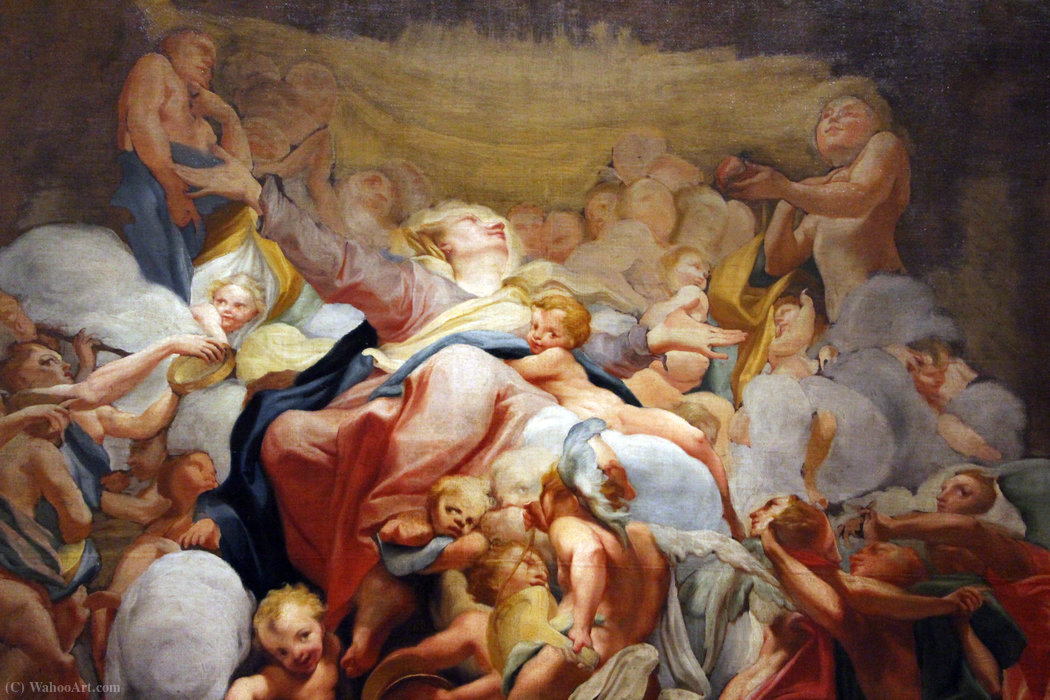
Assumption
 Skaityti daugiau
Įsigykite aukštos skiriamosios raiškos, patobulintą skaitmeninį vaizdą, gerokai pranašesnį už internetinę peržiūrą.
Kiekvieną failą mūsų specialistai kruopščiai paruošia naudojant pažangias technologijas ir profesionalų rankinį retušavimą. Užtikriname, kad kiekvienas vaizdas pasižymėtų išskirtiniu aiškumu, tikslia spalvų atspalviu ir smulkiomis detalėmis.
Baigiamas failas el. paštu pristatomas per 72 valandas; jis optimizuotas nedelsiant naudojimui profesionalioje, redakcinėje ir spausdinimo aplinkoje. Tai ta pati kokybė, kuria pasitiki aukščiausios klasės dizaino studijos, leidyklos ir galerijos.
Skaitmeninis vaizdas
Atsisiųskite didelės raiškos failą asmeniniam naudojimui, spausdinimui ir kūrybiniams projektams. ( Perejti prie spausdinimo Pirkti rankomis tapytą paveikslą)
Kiekvieną skaitinio vaizdo užsakymą papildė
Profesionalus skaitmeninis pristatymas, garantuotas
Pasirinkę OriginalUniqueArt.com, jūs ne tik gaunate paveikslėlį – jūs gaunate profesionaliai patobudintą skaitmeninį kūrinį, sukurtą itin tikniai ir užtikrinantį pasitenkinimą. Štai viską, kas automatiškai pritékia jūsų užsakymui:

Greitas siuntimas el. paštu
Jūsų aukštos raiškos skaitmeninis vaizdo failas bus išsiųstas jums el. paštu per 72 valaudas nuo užsakymo – paruoštas naudojimui be jokių papildomų veiksmų.

Skaitmeninis failas su dirbtiniu intelektu
Jūsų meno kūrinys profesionaliai optimizuojamas naudojant pažangius dirbtinio intelekto įrankius ir rankinį redagavimą, užtikrinant maksimalią detalę, aiškumą ir spalvų tikslumą.

Nemokamas visam laikui pakartotinis siuntimas
Atsitiktinai ištrytikote ar praradote savo failą? Nebijokite – bet kuriuo metu atsiųsime jį jums vėl nemokamai.

Jokio importo mokesčio – niekada
Mėgaukitės savo meno kūriniu akimirka – skaitiniai failai visada yra neapmokestinami, todėl nereikės mokėti muitinės, mokesčių ar pristatymo mokesčių.

Spalvų tikslumo garantija
Naudodami profesionalią įrangą ir spalvų valdymo sistemas, užtikriname, kad jūsų skaitmeninis vaizdas kuo tiksliau atspindėtų originalias spalvas.

100 dienų patikimumo garantija
Jei nebuvosite patenkinti savo skaitmeniniu vaizdu, mes jį peržiūrėsime arba grąžinsime 100% sumą per 100 dienų – be jokių klausimų.

100% pinigų grąžinimo garantija
Nesitenkinate? Gaukite visą sumokėtą sumą per 100 dienų nuo skaitmeninio failo gavimo – be jokių papildomų klausimų.

Nuolaidos dideliems užsakymams
Pirkti 3 nuotraukas – pasiūla 10% - Pirkti 5 – pasiūla 15% - Pirkti 10 ir daugiau – pasiūla 20%. Puikiai tinka kūrybiniams projektams, galerijoms bei agentūroms.
Autoriaus biografija
A Lyrical Voice of Genoa’s Baroque
Gregorio De Ferrari stands as a pivotal figure in the Genoese Baroque, embodying its distinctive blend of grandeur and delicate lyricism. Born in Porto Maurizio in 1647, his artistic journey began with an unlikely pursuit of legal studies. However, the call of the brush proved irresistible, leading him to abandon the courtroom for the studio. This transition was guided by the mentorship of Domenico Fiasella, a master whose monumental style left an indelible mark on De Ferrari’s early works. Through this formative period, the young artist absorbed the stylistic echoes of Giovanni Andrea De Ferrari and Giovanni Battista Casone, establishing a foundation that would eventually support one of the most imaginative visions of the seventeenth century.
The evolution of De Ferrari’s hand was profoundly shaped by his time in Parma. Immersed in the atmosphere of Parma Cathedral, he encountered the breathtaking quadratura frescoes—the art of illusionistic ceiling painting—that had been pioneered by Correggio. This encounter was transformative; rather than merely mimicking Fiasella's imposing scale, De Ferrari began to prioritize a more personal and expressive language. He embraced graceful elongations and spiraling, rhythmic movements of figures, drawing inspiration from the sculptural innovations of Filippo Parodi and Bernardo Schiaffino. His work began to breathe with a new, kinetic energy, moving away from static compositions toward a more fluid, atmospheric experience.
The Mastery of Light and Motion
Upon returning to Genoa, De Ferrari became a central pillar of the Casa Piola studio, working alongside his father-in-law, the legendary Domenico Piola. This collaborative era was marked by an extraordinary output of large-scale decorative projects that transformed the interiors of Genoese palaces and churches. In works such as the decoration of the Basilica della Santissima Annunziata del Vastato, De Ferrari masterfully blended the radiant luminescence of Correggio with the sophisticated stylistic elements of Cortona and Castiglione. His ability to weave light through complex, swirling compositions allowed him to create spaces that felt both infinite and intimately alive.
His technical prowess extended beyond the ceiling to the easel, where he produced works of profound mythological and religious depth. Notable examples include:
- Juno and Argus: A captivating display of tension and classical drama, currently housed in the Musée du Louvre.
- Ascension of Christ: An evocative piece showcasing his ability to handle divine light and celestial movement.
- Hercules and Antaeus: A testament to his skill in depicting muscularity and the raw power of mythic struggle.
The artist’s brushwork was characterized by a free-flowing, exploratory quality that many historians view as a precursor to the Rococo style. His compositions often possessed an airy, weightless elegance that led one critic to famously describe him as "a grander Fragonard," despite the fact that the French master would not be born for decades after De Ferrari's death. This anticipatory spirit gave his work a unique temporal quality, bridging the heavy drama of the High Baroque with the lighthearted grace of the coming century.
Legacy and Historical Significance
The historical significance of Gregorio De Ferrari lies in his ability to synthesize the diverse influences of the Italian landscape into a singular, unmistakable style. He did not merely participate in the Genoese Baroque; he elevated it to a level of poetic sophistication that few could match. Through his prolific collaborations and his mastery of both fresco and canvas, he left an indelible imprint on the architectural fabric of Genoa, decorating landmarks such as the Palazzo Rosso, Villa Balbi, and the churches of San Siro and San Giovanni Battista.
His influence also extended to the next generation, most notably through his son, Lorenzo De Ferrari, who continued the family tradition of excellence. As a painter, draughtsman, and architect, Gregorio De Ferrari’s legacy is one of movement, light, and an enduring sense of wonder. He remains a master of the ephemeral, capturing the fleeting beauty of a spiraling figure or a sun-drenched cloud with a precision that continues to captivate the modern eye.

Gregorio De Ferrari
1647 - 1726 , Italy
Trumpai apie šį kūrėją
- Artistic Movement Or Style: Baroque
- Artists Or Movements Influenced By This Artist: ['Casa Piola studio']
- Artists Who Influenced This Artist:
- Giovanni Andrea De Ferrari
- Giovanni Battista Casone
- Correggio
- Date Of Birth: 1647
- Date Of Death: 1726
- Full Name: Gregorio De Ferrari
- Nationality: Italian
- Notable Artworks:
- Juno and Argus
- Summer
- Hercules and Antaeus
- Place Of Birth: Porto Maurizio, Italy