

 Peržiūrėti realaus dydžio版
 Siųsti
 Dalintis
 Išsamiau
 Vadovas

 Atsisiųsti
 Panašūs eksponatai
 Rentgeno spindulių nuotrauka
 Diaporama
 Statistika
Tree Form
 Oil On Canvas
- WallArt
- Surrealism
 1941
1941 39.0 x 31.0 cm
 Leeds Art Gallery
 Rodyti daugiau
Šiame puslapyje rodomas meno kūrinys yra saugomas autorių teisių įstatymais, todėl neturime teisės legaliai kurti ar parduoti jo identiškos reprodukcijos. Ši apsauga užtikrinama remiantis tokiais tarptautiniais susitarimais kaip Bernės konvencija ir pagal nacionalines įstatymų nuostatas, įskaitant tas, kurias nurodo JAV autoriškos teisės įstatymas – 17-asis skyrius.
Šis metodas visiškai atitinka autorių teises, nes jame nėra kūrinio kopijavimo ar dubliavimo. Tai yra kūrybinė reinterpretacija – naujas paveikslas, kurį įkvėpė originalas, tačiau kuris nėra jo identiškas.
Giclée / Meno spausdinimas
Muziejų lygio „giclée“ arba drobos spausdinimas: greita gamyba ir lankstios apdailos parinktys. ( Pirkti rankomis tapytą reprodukciją Perejti prie skaitmeninių vaizdų)




P118B €10

P118H €10

P118W €10

P438Z €10

P508JH €12

P508YH €12

P805H €10

P805Z €10

P919BZ €10

P919G €10

P919XJ €10

P959ZH €10

P968JZ €12

W106C €8

W218G €10

W218JH €8

W218Y €10

W307PJ €10

W316G €10

W316PJ €8

W316Y €10

W398PJ €8

W4111J €10

W500HY €15

W500JH €15

W692G €12

W849H €8

W940BG €15

W953PJ €8




Pasirinkite iš mūsų nustatytų dydžių, atitinkančių originalaus meno kūrinio proporcijas.

Įveskite jums reikiamą plotį ir aukštį, kad atvaizdas derėtų prie jūsų rėmo ar sienos. Spausdiną galima tik sumažinti, bet nepadidinti virš originalaus paveikslėlio dydžio, todėl keičiant proporcijas, dalis vaizdo prarandama. Prieš spausdinimą atsiųsime jums skaitmeninį maketą patvirtinimui. Šioje puslapio nuotraukoje matomas pjūvis nėra tikslus – jį rodo tik maketas.
Pristatymas visame pasaulyje () per 2 weeks, o ne įprastas 4/5 savaičių laikotarpis. (23 spalis)

Nemokamas greitasis pristatymas visame pasaulyje

Aukštos kokybės lininis drobė

Pilnas siuntimo draudimas

Muitinės mokesčių grąžinimo garantija

Tikro spalvų atitikimo garantija

100 dienų grąžinimo politika (tik esant įtaigoms)

100% pinigų grąžinimo garantija

Nuolaida dideliems užsakymams
 Stiklo variantas prieinamas tik pasirinkus dydį iki 110 cm

Tree Form
Giclée / Meno spausdinimas
Reprodukcijos dydis
-


Visų pasirinktų variantų kaina
€ 70
A Descent into the Organic: Unveiling Graham Vivian Sutherland's "Tree Form"
Graham Vivian Sutherland’s 1941 painting, “Tree Form,” isn’t merely a depiction of a tree; it’s an immersion in primal emotion and a profound exploration of the natural world filtered through the lens of Surrealism. This arresting work, housed within a relatively modest 39 x 31 cm canvas, immediately commands attention with its unsettling yet captivating composition – a colossal, textured creature emerging from a void of deep indigo. It’s a piece that lingers in the mind long after viewing, prompting questions about instinct, vulnerability, and the hidden depths beneath the surface of our perception.
Sutherland, a master of translating the English landscape into intensely personal visions, was deeply influenced by the European avant-garde movements of his time. He wasn’t simply replicating what he saw; he was distilling it – stripping away the familiar and revealing something far more potent. The painting's roots lie in Sutherland’s lifelong fascination with Pembrokeshire, a rugged coastal region in Wales that provided him with an endless source of inspiration. This particular piece embodies his signature style: a masterful blend of meticulous observation and dreamlike abstraction. The work reflects the post-war mood of uncertainty and introspection, mirroring a generation grappling with the aftermath of conflict and searching for new ways to understand themselves and their world.
Decoding Texture and Form: A Study in Impasto
Technically, “Tree Form” is a testament to Sutherland’s remarkable skill. The dominant technique is oil paint applied with a generous hand, utilizing thick impasto – building up layers of pigment to create an incredibly tactile surface. The raised areas, the recessed pools, and the swirling patterns within the creature's scales aren’t merely decorative; they are integral to the painting’s emotional impact. The artist deliberately avoids precise detail, opting instead for a gestural approach that conveys movement and energy. Notice how the brushstrokes themselves seem to writhe and pulsate, mirroring the unsettling quality of the subject.
The color palette is predominantly dark – deep blues, greens, and violets dominate, punctuated by flashes of gold and teal. These colors aren’t used in a harmonious way; they clash and contrast, contributing to the painting's sense of unease. The limited use of brighter hues—particularly the gold—suggests a glimmer of hope or perhaps even a primal instinct struggling to emerge from the darkness. The flattened perspective further enhances this feeling of claustrophobia, drawing the viewer directly into the creature’s shadowed realm.
Symbolism and the Primal Within
While rooted in observation, “Tree Form” transcends simple representation. The central figure – a vaguely reptilian or amphibian form – is open to multiple interpretations. Some scholars suggest it represents the primal instincts that lie dormant within us all, a reminder of our connection to the natural world and its often-unpredictable forces. Others see it as an embodiment of vulnerability, a creature both powerful and exposed. The swirling patterns within its scales could be interpreted as symbols of chaos or perhaps even the interconnectedness of all things.
The painting’s overall mood is undeniably unsettling, yet simultaneously compelling. It evokes feelings of unease, curiosity, and a profound sense of mystery. Sutherland wasn't interested in providing easy answers; he was inviting us to confront our own anxieties and explore the darker corners of the human psyche. “Tree Form” remains a powerful testament to the artist’s ability to transform observation into a deeply personal and emotionally resonant experience.
问答 (or more naturally for a website heading): Klausimai ir atsakymai
Kaip rasti panašių kūrinių kaip „Tree Form“, autorius – Grahamas Vivianas Sutherlandis?
Darbai, panašūs į „Tree Form“, yra pateikti kūrinio Panašūs kūriniai puslapyje.
Ar galima įsigyti „Tree Form“ aukštos raiškos skaitmeninį vaizdą?
Norėdami gauti „Tree Form“, autorius – Grahamas Vivianas Sutherlandis skaitmeninį failą, užsisakykite aukštos raiškos skaitmeninio vaizdo atsisiuntimas jo Skaitmeninis vaizdas puslapio.
Iš ko ir kokiu stiliumi sukurta „Tree Form“?
„Tree Form“, autorius – Grahamas Vivianas Sutherlandis sujungia Oil On Canvas techniką su Surrealism stiliumi. Technika ir stilius apibūdina kūrinio gamybos būdą bei estetinį iš Ausdrucką.
Autoriaus biografija
Vizionieriškie Graham Vivian Sutherland paveikslai
Graham Vivian Sutherland, britų modernizmo titanui, teikė retą gebėjimą pažįstamus gamtos pasaulio kontūrus paversti kažkuo itin nerado širdies ir giliai spirituališku. Gimęs 1903 m. Londone, Streathame, Sutherlandio kelionė buvo nuolatinės metamorfozės procesas. Nors jo ankstyvoji vaikystė buvo šeimėlės klasikinio išsilavinimo Epsom kolegijoje, jo tikrasis pašaukimas iškrito toli nuo teisinės aplenkos. Pradinė techninė patirtis dirbant mokomais kaip meistras „Midland Railway Locomotive Works“ gelež랐ų pagrindą tikslumui, kuris vėliau pasireiškė jo sudėtingoje grafikoje ir tekstūruotuose aliejaus paveiksluose. Pradėjęs studijuoti Goldsmiths' School of Art, Sutherland pradėjo atsisakyti tradicinio vaizduotumo, jį pradėjo traukti evokuojanti graviravimo ir etingo galia.
Ankstyvojo kūrybos estetika buvo giliai įsišaknijusi į Samuelio Palmerio romantizmą, tačiau menininkas atsisakė likti pririštas prie praeities. Vietoj to Sutherland tapo tiltu tarp angliškos pastoralinės tradicijos ir radikalios Europos avangardinių judų energijos. Įsisvėgdamas į sapnių logiką surrealizme ir grynąjį ekspresionizmo emocionalumą, jis sukūrė vizualią kalbą, kuri galėjo įamžinti tiek fizinį krašt뷰tį, tiek psichologinę būseną. Jo ankstyvieji grafikos darbai, pasižymintys paslaptingumu ir organinėmis formomis, padėjo pagrindus karjerai, apibrėžtai tokiu natūros „keistumu“ – tema, kuri tapo jo neįk잊inamu palikimu.
Gamtos šešėlis ir karo metai
1940-metai žymėjo lūžio aikštę Sutherlandio kūrybos vystyme, kai jo dėmesys iš grafikos subtilaus meio išsiskleidė į viscerais, masyvias aliejaus tapybos tekstūras. Būtent šiuo laikotarpiu audringi, vėjų skalužti Pembrokeshiro krašt뷰tys tapo jo pagrindine mūza. Darbuose, tokiuose kaip Švyngių medis, galima stebėti menininko meistriškumę derinant botanikinį realizmą su surrealistiniu iškraipymu. Jis ne tiesiog tapė medžius; jis tapė įtampą, kovą ir pačios gyvybės skeletinę architektūrą. Šis laikotarpis jį nukreipė link abstraktesnio, tačiau gilaus simbolizmo, kur špyrogai, šaknys ir sulinkę šakos tarnavo kaip metaforos žmogaus pažeidžiamumui ir atsparumui.
Antrasis pasaulinis karas į jo kūrybą atnešė kitą, tamsesnę dimensiją. Dirbdamas kaip oficialus karo menininkas, Sutherland su}}^{\į savo žvilgsnį nukreipė į pramonines ir dažnai šiurpias Britanijos užbalso scenas. Šio laikotrado paveikslai, pavyzdžiui, Lėktuvų bombų depozitas: Karvės, yra atmosferos meistriškumo pamokos. Per sunkias tekstūras ir paletę, evokuojančią tiek nykimo, tiek baimės jausmą, jis įamžino šiurpų karo metų vidinių erdvių tuštumą. Šie darbai nebuvo tik dokumentacija; jie buvo psichologiniai portretai era, pažymėtos nerimu ir būsimo sunaikinimo karu, atspindėdami sulaužytą karo pasaulio realybę.
Simbolizmo ir didybės palikimas
Pokario metais Sutherlandio kūryba pasiekė naujas dvasinės ir viešosios reikšmės aukštumas. Jis pradėjo integruoti religinę simboliką į savo organines motyvus, sukurdamas galingą šventybės ir gamtos sintezę. Tai kulminavo viename jo monumentališkiausių pasiekimų: sukuriamas milžiniškas vidinis gobelenas naujai Coventry katedrai, pavadinimo Kristus prigimtėje Tetramorfos. Šis darbas, pasižymintis gebėjimu manipuliuoti forma ir spalva dideliu mastu, stovi kaip įrodymas jo vaidmens kultūrinėje pokario Britanijos atstatymo procese.
Per visą savo produktyvų kūrybinį kelią Sutherlandio universalumas leido jam palikti neištriniamą žymą įvairiuose laukuose:
- Portretas: Jo gebėjimas įamžinti psichologinį gębę viešųjų asmenų, pavyzdžiui, jo orų ir melankolišką Somerset Maugham.
- Grafika: Visas gyvenimas skiriamas etingo ir graviravimo tikslumui, kuris formavo jo linijos ir struktūros pojūtį.
- Dekoratyviniai menai: Jo indėlis į gobelenų dizainą ir stiklo meną, atnesęs modernią abstraktaciją į funkcinio grožio sferą.
Galiausiai Grahamas Sutherland išlieka XX amžiaus meno pamatu, nes jis drąsiai žvelgė po krašt뷰čio paviršiumi. Jis rado surrealizmą realybėje ir dieviškumą organiniuose elementuose. Jo palikimas nėra rasti tik muziejuose, bet ir mūsų būdo, kaip mes suvokiame paslėptą, dažnai aštrų pasaulio grožį – pasaulį, kuriame kiekvienas špyras pasako istoriją, o kiekvienas šešėlis slepia paslaptį.

Grahamas Vivianas Sutherlandis
1903 - 1980 , Jungtinė Karalystė
Trumpa informacija apie kūrėją
- Artistic Movement Or Style: Surrealizmas
- Artists Or Movements Influenced By This Artist: ['Paul Nash']
- Artists Who Influenced This Artist:
- Samuel Palmer
- F.L. Griggs
- Date Of Birth: 1903 m. rugpjūčio 24 d.
- Date Of Death: 1980 m. vasario 17 d.
- Full Name: Graham Vivian Sutherland
- Nationality: Britų
- Notable Artworks:
- Skraidančių bombų depozitas
- Į kelį vedantis įėjimas
- Place Of Birth: Londonas, Anglija
Susiję straipsniai

Slate Blue Masterpieces: 10 Iconic Paintings & Timeless Home Decor Ideas
Immerse yourself in the captivating world of slate blue! Explore 10 iconic paintings by Monet, Van Gogh & Renoir. Discover their stories, techniques & find museum-quality art reproductions for your home at .

Geometrinės Abstrakcijos Šedevrai: 10 Kūrinių, Pakeitusių Meną | OriginalUniqueArt.com
Atraskite 10 geometrinės abstrakcijos šedevrų – nuo Mondriano iki Malevičiaus! Sužinokite apie Piet Mondrian, Kazimir Malevič ir kitus menininkus. Meno kūriniai jūsų interjerui | OriginalUniqueArt.com

Kandinsky's Masterpieces: 25 Paintings That Define Abstract Art | OriginalUniqueArt
Journey through Wassily Kandinsky's 25 most iconic abstract paintings. Explore his revolutionary use of color, form & spiritual expressionism. Find museum-quality Kandinsky reproductions and elevate your home decor with OriginalUniqueArt.com. Discover all masterpieces on OriginalUniqueArt.com!
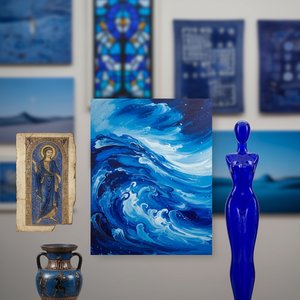
The Allure of Azure: Exploring the Symbolic & Aesthetic Depths of Blue in Art History
Explore the rich history of blue in art! Discover its symbolism, from ancient pigments to modern masterpieces by Kandinsky & Seurat. Uncover the psychological impact and cultural meanings behind this captivating hue.

Top 10 Abstraktus Ekspresionizmas: Simboliai ir Grožio Paslaptys
Atraskite 10 legendinių abstraktus ekspresionizmo kūrinių! Pažinkite Pollocko, Rothko ir kitų genijų istorijas bei jų spalvingas meno interpretacijas. Puikios meninės reprodukcijos jūsų namams – OriginalUniqueArt.com
