Peržiūrėti realaus dydžio版
 Pasidalinti
 Dalintis
 Išsamiau
 Vadovas

 Atsisiųsti
 Panašūs eksponatai
 Rentgeno spindulių nuotrauka
 Automatinė diorama
 Statistika
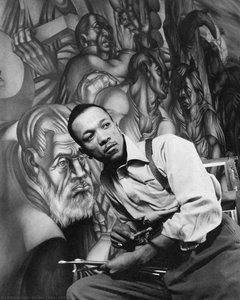
Untitled, Harlem, New York
 Acrylic On Canvas
- WallArt
- Documentary Photography
 1948
1948- 19th Century
 27.0 x 34.0 cm
 The Gordon Parks Foundation
 Skaityti daugiau
Šiame puslapyje rodomas meno kūrinys yra saugomas autorių teisių įstatymais, todėl neturime teisės legaliai kurti ar parduoti jo identiškos reprodukcijos. Ši apsauga užtikrinama remiantis tokiais tarptautiniais susitarimais kaip Bernės konvencija ir pagal nacionalines įstatymų nuostatas, įskaitant tas, kurias nurodo JAV autoriškos teisės įstatymas – 17-asis skyrius.
Šis metodas visiškai atitinka autorių teises, nes jame nėra saugomo kūrinio kopijavimo ar dubliavimo. Tai yra kūrybinė reinterpretacija – naujas paveikslas, kurį įkvėpė originalas, tačiau kuris nėra jo identiškas.
Giclée / Meno spausdinimas
Muziejų lygio „giclée“ arba drobos spausdinimas: greita gamyba ir lankstios apdailos parinktys. ( Pirkti rankų darbo tapybą Perejti prie skaitmeninių vaizdų)




P118B €10

P118H €10

P118W €10

P438Z €10

P508JH €12

P508YH €12

P805H €10

P805Z €10

P919BZ €10

P919G €10

P919XJ €10

P959ZH €10

P968JZ €12

W106C €8

W218G €10

W218JH €8

W218Y €10

W307PJ €10

W316G €10

W316PJ €8

W316Y €10

W398PJ €8

W4111J €10

W500HY €15

W500JH €15

W692G €12

W849H €8

W940BG €15

W953PJ €8




Pasirinkite iš mūsų nustatytų dydžių, atitinkančių originalaus meno kūrinio proporcijas.

Įveskite jums reikiamą plotį ir aukštį, kad atvaizdas derėtų prie jūsų rėmo ar sienos. Spausdiną galima tik sumažinti, bet nepadidinti virš originalaus paveikslėlio dydžio, todėl keičiant proporcijas, dalis vaizdo prarandama. Prieš spausdinimą atsiųsime jums skaitmeninį maketą patvirtinimui. Šioje puslapio nuotraukoje matomas pjūvis nėra tikslus – jį rodo tik maketas.
Pristatymas visame pasaulyje () per 2 weeks, o ne įprastas 4/5 savaičių laikotarpis. (28 spalis)

Nemokamas greitasis pristatymas visame pasaulyje

Aukštos kokybės lininis drobė

Pilnas siuntimo draudimas

Muitinės mokesčių grąžinimo garantija

Tikro spalvų atitikimo garantija

100 dienų grąžinimo politika (tik esant įtaigoms)

100% pinigų grąžinimo garantija

Nuolaida dideliems užsakymams
 Stiklo variantas prieinamas tik pasirinkus dydį iki 110 cm

Untitled, Harlem, New York
Giclée / Meno spausdinimas
Reprodukcijos matmenys
-


Bendroji kaina
€ 71
A Quiet Moment in Harlem: Gordon Parks’ “Untitled, Harlem, New York”
Gordon Parks' "Untitled, Harlem, New York," captured in 1948, isn’t merely a photograph; it’s a distilled essence of a specific time and place – the burgeoning heart of Harlem during the mid-20th century. This black and white image transcends its simple subject matter to become a poignant meditation on everyday life, social observation, and the quiet dignity of ordinary people. The photograph offers a rare glimpse into a domestic scene, likely a kitchen, where two Black men are engaged in what appears to be a commonplace activity: one holding a plate close to his face, seemingly lost in thought. Yet, within this unassuming tableau lies a powerful undercurrent of emotion and a subtle tension that draws the viewer in.
Parks’ approach is deeply rooted in documentary photography and photojournalism, a style he honed during his work for Life magazine. He wasn't interested in grand narratives or heroic figures; instead, he sought to capture authentic moments, revealing the complexities of African American life often overlooked by mainstream media. The photograph embodies this commitment, presenting a raw and unvarnished portrayal of two men within their environment. It’s a deliberate departure from idealized representations, offering a starkly honest depiction of daily existence.
Composition and Technique: A Masterclass in Light and Shadow
The composition is remarkably controlled despite its seemingly casual nature. The framing—a rectangular space dominated by the kitchen interior—creates a sense of intimacy while simultaneously emphasizing the subjects’ isolation. The placement of the men, slightly off-center, immediately establishes visual interest and directs the viewer's eye. Strong vertical lines, courtesy of the cabinets and window frame, provide structure to the image, anchoring the scene against the backdrop of the kitchen. Diagonal lines, subtly introduced through the arrangement of objects and the men’s postures, add a dynamic element, preventing the photograph from feeling static.
Parks' masterful use of light is crucial to the photograph’s impact. The lighting appears natural or diffused, casting soft shadows that define forms and textures with remarkable detail. This chiaroscuro effect—the dramatic contrast between light and dark—heightens the sense of drama and adds depth to the scene. Notice how the graininess typical of black-and-white film contributes to a vintage feel, grounding the image in its historical context. The photograph’s technical execution speaks volumes about Parks' skill as a photographer; he expertly manipulated the medium to convey his artistic vision.
Symbolism and Emotional Resonance
The central figure holding the plate close to his face is arguably the most compelling element of the image. It’s difficult to decipher his expression, but the gesture—a deliberate act of focusing on a single object—suggests introspection, perhaps even frustration or defiance. This simple action becomes laden with symbolic weight, inviting viewers to project their own interpretations onto the scene. The other man in the background, partially obscured, adds another layer of complexity, hinting at a shared experience or unspoken connection.
Beyond this immediate interpretation, “Untitled, Harlem, New York” speaks to broader themes of identity, community, and the realities of life within segregated America. It’s a testament to Parks' ability to capture not just visual details but also the emotional atmosphere of his subjects’ lives. The photograph evokes feelings of quiet contemplation, a sense of shared humanity, and a subtle awareness of social inequalities.
Historical Context and Legacy
Created in 1948, this photograph is part of a larger body of work by Gordon Parks that documented the experiences of African Americans during a pivotal era in American history. His early photographs for Life magazine, often depicting poverty and hardship, were groundbreaking for their unflinching honesty and their commitment to representing marginalized communities. “Untitled, Harlem, New York” exemplifies this approach, offering a glimpse into the everyday lives of residents of Harlem—a neighborhood known for its rich cultural heritage but also for facing significant challenges.
Parks’ work continues to resonate today, influencing generations of photographers and artists. His ability to capture authentic moments with sensitivity and insight remains remarkably relevant. Reproductions of “Untitled, Harlem, New York” are highly sought after by collectors and interior designers alike, valued not only for their aesthetic qualities but also for their historical significance and their powerful emotional impact. It stands as a timeless reminder of the beauty and complexity found in ordinary lives.
Klausimai ir atsakymai
Ar „Untitled, Harlem, New York“ saugoma kūrijėjo šalyje?
Taip – kūrinys saugomas autoriaus tėvynėje. kūrinys „Untitled, Harlem, New York“ saugomas JAV, o Gordonas Parksas gimė JAV.
Kaip kontrastas ir harmonija susilieja kūryboje „Untitled, Harlem, New York“?
„Untitled, Harlem, New York“ – Gordonas Parksas spalvų analizėje fiksuojamas Statement kontrastas ir Softly Mixed Palette harmonija.
Kur turėtų būti pakabinta „Untitled, Harlem, New York“ – Gordonas Parksas reprodukcija?
Formatas (Square) ir rekomenduojama erdvė (Living Room) yra du nurodyti išdėstymo faktai kūriniui „Untitled, Harlem, New York“ – Gordonas Parksas.
Autoriaus biografija
ankstyvoji gyvenimo ir karjeros istorija
Gordonas Rogeris Aleksandras Buchananas Parksas, amerikiečių fotografas, muzikantas, rašytojas ir filmų režisierius, gimė 1912 m. lapkričio 30 d. Fort Skote, Kansoje. Jis buvo jaunesnysis iš penkiolios Saros (mergaitės pavardė Ross) ir Jacksono Parkso vaikų. Parksui ankstyvoji gyvenimo dalis buvo lemta segregacijos, kurią jis asmeniškai patyrė savo gimtinėje.Kaip savaviškas menininkas, Parksas pradėjo savo karjerą kaip fotografas, galiausiai tapdamas pirmąoju afroamerikaniu, dirbančiu „Life“ ir „Vogue“ žurnaluose. Jo ikoninės 1940-metųjų skurdžių Amerikos nuotraukos, nufilmuotos vykdant federalios valdžios projektą, yra galingas jo meistriškumo ir atsidavimo įtodas.
pastebimiausi darbai ir pasiekimai
- „Shaft“ (1971) – Parksas režisuotas filmas, tapęs tikra kultūrine fenomenu.
- „The Learning Tree“ (1969) – pusiau autobiografinis filmas, pažymintis Parksas režisūrinį debiutą.
- „A Choice of Weapons“ (1985) – memuaras, pristatantis Parksas rašymo talentą.
- „Life“ žurnalo fotoesejai, kurie užtvirtino Parksas statusą kaip išskirtinio fotožurnalisto.
muziejai ir kolekcijos
- Melvino Holmeso kolekcija, kurioje saugoma platus Parksas kūrybos rinkinys. [https://www.holmesartgallery.com/gordonparks](https://www.holmesartgallery.com/gordonparks)
- MoMA (Moderniojo meno muzejus), turintis įspūdingą Parksas fotografijų kolekciją. [https://www.moma.org/artists/8083](https://www.moma.org/artists/8083)
apdovanojimai ir palikimas
- NAACP „Image“ apdovanojimas (2003)
- PGA „Oscar Micheaux“ apdovanojimas (1993)
- Nacionalinis meno medalis (1988)
- Spingarno medalas (19muzei 1972)
Gordonas Parksas paliko ne tik įspūdingą kūrybinį turtą, bet ir atvėrė kelią būsimoms afroamerikiečių menininkų kartoms. Jo indėlis į fotožurnalistiką, kino meną ir muziką šiandien vis dar įkvepia ir formuoja menininkų viziją.
išsektiniai darbai OriginalUniqueArt.com svetainėje
- „Emerging Man“ (gelatin Silver print) – galingas fotografijos pavyzdys, demonstruojantis Parksas meistriškumą. [https://OriginalUniqueArt.com/d3xgfc-gordon-parks-emerging-man](https://OriginalUniqueArt.com/d3xgfc-gordon-parks-emerging-man)
- „Portrait of Mrs. Lucy Johnson“ (gelatin Silver print) – jautrus portretas, išryškinantis Parksas gebėjimą pasakoti istorijas per vaizdą. [https://AllOriginalUniqueArt.com/d4dblu-gordon-parks-portrait-of-mrs-lucy-johnson](https://OriginalUniqueArt.com/d4dblu-gordon-parks-portrait-of-mrs-lucy-johnson)

Gordonas Parksas
1912 - 2006 , JAV
Trumpa informacija
- Artistic Movement Or Style: Fotodzienopramštė, Socialinis realizmas
- Artists Or Movements Influenced By This Artist: Būsimieji afroamerikiečių menininkai
- Date Of Birth: 1912 m. lapradžio 30 d.
- Date Of Death: 2006 m. kovo 7 d.
- Full Name: Gordon Roger Alexander Buchanan Parks
- Nationality: Amerikiečių
- Notable Artworks:
- Shaft
- The Learning Tree
- Emerging Man
- Harlem Gang Wars
- Night Rumble
- Place Of Birth: Fort Scott, JAV
Susiję straipsniai
Gordon Parks: A Poetic Lens on American Life – Photography, Social Justice & Storytelling
Explore the profound work of Gordon Parks, a groundbreaking photographer who documented American life with unparalleled empathy and artistry. Discover his iconic images & lasting impact on social justice through Life magazine & beyond.
Shadow & Soul: Why Black & White Photography Remains the Ultimate Power Move in Modern Art
Discover why black & white photography remains a powerful force in contemporary art. Explore the impact of light, shadow, and texture through a visual journey of monochrome mastery and learn how to elevate your space with timeless grayscale aesthetics.
Witnessing History Through Lens & Light: Documentary Photography's Enduring Legacy
Explore the powerful history of documentary photography – from its origins to contemporary masters like Gordon Parks & W. Eugene Smith. Discover how this art form shapes our understanding of society and witness pivotal moments in time.

Monochrome Visions: Exploring the Aesthetic & Historical Significance of Black & White Photography
Explore the rich history & artistic power of black and white photography. From early techniques to iconic masters like Ansel Adams, discover why monochrome continues to captivate art lovers today. Expert insights for collectors.

White on Canvas: 10 Masterpieces & Timeless Elegance for Your Home Decor
Explore 10 iconic white paintings by Monet, Whistler & Rothko! Discover the stories behind these serene masterpieces and their impact on art history. Find museum-quality reproductions for your home decor at .