Peržiūrėti realaus dydžio版
 Siųsti
 Dalintis
 Išsamiau
 Vadovas

 Atsisiųsti
 Panašūs eksponatai
 Rentgeno spindulių nuotrauka
 Diaporama
 Statistika
Store Front, Mobile, Alabama


 Rodyti daugiau
Šiame puslapyje rodomas meno kūrinys yra saugomas autorių teisių įstatymais, todėl neturime teisės legaliai kurti ar parduoti jo identiškos reprodukcijos. Ši apsauga užtikrinama remiantis tokiais tarptautiniais susitarimais kaip Bernės konvencija ir pagal nacionalines įstatymų nuostatas, įskaitant tas, kurias nurodo JAV autoriškos teisės įstatymas – 17-asis skyrius.
Šis metodas visiškai atitinka autorių teises, nes jame nėra kūrinio kopijavimo ar dubliavimo. Tai yra kūrybinė reinterpretacija – naujas paveikslas, kurį įkvėpė originalas, tačiau kuris nėra jo identiškas.
Giclée / Meno spausdinimas
Muziejų lygio „giclée“ arba drobos spausdinimas: greita gamyba ir lankstios apdailos parinktys. ( Pirkti rankomis tapytą reprodukciją Perejti prie skaitmeninių vaizdų)




P118B €10

P118H €10

P118W €10

P438Z €10

P508JH €12

P508YH €12

P805H €10

P805Z €10

P919BZ €10

P919G €10

P919XJ €10

P959ZH €10

P968JZ €12

W106C €8

W218G €10

W218JH €8

W218Y €10

W307PJ €10

W316G €10

W316PJ €8

W316Y €10

W398PJ €8

W4111J €10

W500HY €15

W500JH €15

W692G €12

W849H €8

W940BG €15

W953PJ €8




Pasirinkite iš mūsų nustatytų dydžių, atitinkančių originalaus meno kūrinio proporcijas.

Įveskite jums reikiamą plotį ir aukštį, kad atvaizdas derėtų prie jūsų rėmo ar sienos. Spausdiną galima tik sumažinti, bet nepadidinti virš originalaus paveikslėlio dydžio, todėl keičiant proporcijas, dalis vaizdo prarandama. Prieš spausdinimą atsiųsime jums skaitmeninį maketą patvirtinimui. Šioje puslapio nuotraukoje matomas pjūvis nėra tikslus – jį rodo tik maketas.
Pristatymas visame pasaulyje () per 2 weeks, o ne įprastas 4/5 savaičių laikotarpis. (25 spalis)

Nemokamas greitasis pristatymas visame pasaulyje

Aukštos kokybės lininis drobė

Pilnas siuntimo draudimas

Muitinės mokesčių grąžinimo garantija

Tikro spalvų atitikimo garantija

100 dienų grąžinimo politika (tik esant įtaigoms)

100% pinigų grąžinimo garantija

Nuolaida dideliems užsakymams
 Stiklo variantas prieinamas tik pasirinkus dydį iki 110 cm

Store Front, Mobile, Alabama
Giclée / Meno spausdinimas
Reprodukcijos dydis
-


Visų pasirinktų variantų kaina
€ 70
A Frozen Moment in Southern Life
Gordon Parks’s “Store Front, Mobile, Alabama, 1956” isn't merely a photograph; it’s a meticulously crafted window into a vanished world—a poignant tableau of everyday life under the oppressive weight of Jim Crow segregation. Captured during his assignment for *Life* magazine, this image transcends its documentary origins to become a powerful meditation on empathy and the quiet dignity of ordinary people facing extraordinary circumstances. Parks, already a rising star in photography, eschewed the sensationalism often associated with civil rights imagery, instead choosing to focus on the seemingly mundane: a storefront in Mobile, Alabama, bathed in the warm, diffused light of a Southern afternoon. The scene is deceptively simple – a Coca-Cola sign proudly proclaiming its presence above the entrance, a weathered bench inviting weary customers, and several individuals gathered outside, engaged in conversation or simply observing the world around them. Yet, within this apparent stillness lies a profound narrative of resilience and quiet resistance.The Language of Color and Light
What immediately distinguishes “Store Front” is Parks’s masterful use of color—a bold departure from the predominantly black-and-white photography prevalent at the time. He deliberately employed saturated hues, particularly in the red of the Coca-Cola sign and the yellow of the building's facade, creating a vibrant contrast against the muted tones of the surrounding landscape. This deliberate infusion of color wasn’t simply aesthetic; it served to draw attention to the scene, inviting viewers to linger and contemplate its details. Parks expertly manipulated light, using natural illumination to sculpt the forms of the figures and create a sense of depth within the frame. The shadows cast by the building subtly emphasize the faces of those gathered outside, hinting at untold stories and experiences. This careful orchestration of color and light elevates the photograph beyond a simple snapshot, transforming it into a richly layered visual experience.A Window into Segregation’s Reality
The context surrounding this image is crucial to understanding its enduring power. Taken in 1956, during the height of the Civil Rights Movement, “Store Front” offers a rare glimpse into the daily realities of segregation in the American South. The Coca-Cola sign, a symbol of modernity and prosperity, stands in stark contrast to the racial inequalities that permeated every aspect of Southern life. The individuals depicted—a mix of Black men and women—represent the community’s resilience and their quiet determination to maintain dignity in the face of systemic oppression. Parks's choice to focus on this seemingly ordinary storefront highlights the fact that segregation wasn't confined to grand demonstrations or legal battles; it was woven into the fabric of everyday life, shaping people’s interactions, opportunities, and experiences. The photograph serves as a potent reminder of the pervasive nature of racial injustice and the importance of recognizing the humanity of those who have been marginalized.Symbolism and Emotional Resonance
Beyond its historical significance, “Store Front” is rich in symbolic meaning. The bench represents a brief respite from the hardships of daily life—a place for connection, conversation, and shared experience. The Coca-Cola sign, despite being a symbol of corporate America, also signifies a small measure of comfort and familiarity within a segregated environment. The figures themselves embody resilience, dignity, and community spirit. Parks’s deliberate framing invites viewers to project their own emotions onto the scene—to feel empathy for those depicted and to reflect on the enduring legacy of racial inequality. The photograph's emotional impact is profound, prompting us to confront uncomfortable truths about our past and to consider how we can build a more just and equitable future. It’s a testament to Parks’s skill that he could capture such complex emotions with such understated elegance.A Legacy of Photographic Storytelling
“Store Front, Mobile, Alabama, 1956” stands as a landmark achievement in photographic storytelling—a powerful example of how photography can be used to document social realities, challenge injustice, and foster empathy. Gordon Parks’s innovative use of color, his masterful manipulation of light, and his insightful portrayal of everyday life have cemented this image's place as an iconic representation of the Civil Rights Movement and a timeless meditation on human dignity. Reproductions of this photograph continue to resonate with audiences today, serving as a poignant reminder of the struggles faced by African Americans in the Jim Crow South and inspiring us to strive for a more inclusive and equitable society.问答 (or more naturally for a website heading): Klausimai ir atsakymai
Kaip „Store Front, Mobile, Alabama“ tema susiję su įprastomis Gordonas Parksas tematikos temos?
„Store Front, Mobile, Alabama“ vaizduoja segregation, alabama, 1956, african-americans, gordon parks, photography, civil rights, family life, o įrašytos Gordonas Parksas temos yra photography, civil rights, segregation, documentary, social commentary. Šių dviejų palikimų lyginimas parodo, kaip šis kūrinys susijęs su įprastais šio kūrybinio veiksmo objektais.
Koks yra „Store Front, Mobile, Alabama“ formatas?
„Store Front, Mobile, Alabama“ formatas yra Square. Tai padeda planuojant, kur būtų patalpinta reprodukcija.
Ar „Store Front, Mobile, Alabama“ yra be autorinės teisės?
Kalbant apie autorišką teisę, „Store Front, Mobile, Alabama“ yra vis dar saugoma autorinės teisės.
Autoriaus biografija
ankstyvoji gyvenimo ir karjeros istorija
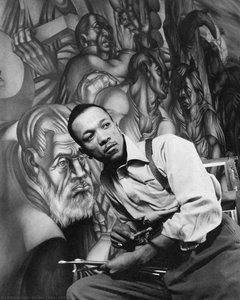
Gordonas Rogeris Aleksandras Buchananas Parksas, amerikiečių fotografas, muzikantas, rašytojas ir filmų režisierius, gimė 1912 m. lapkričio 30 d. Fort Skote, Kansoje. Jis buvo jaunesnysis iš penkiolios Saros (mergaitės pavardė Ross) ir Jacksono Parkso vaikų. Parksui ankstyvoji gyvenimo dalis buvo lemta segregacijos, kurią jis asmeniškai patyrė savo gimtinėje.Kaip savaviškas menininkas, Parksas pradėjo savo karjerą kaip fotografas, galiausiai tapdamas pirmąoju afroamerikaniu, dirbančiu „Life“ ir „Vogue“ žurnaluose. Jo ikoninės 1940-metųjų skurdžių Amerikos nuotraukos, nufilmuotos vykdant federalios valdžios projektą, yra galingas jo meistriškumo ir atsidavimo įtodas.
pastebimiausi darbai ir pasiekimai
- „Shaft“ (1971) – Parksas režisuotas filmas, tapęs tikra kultūrine fenomenu.
- „The Learning Tree“ (1969) – pusiau autobiografinis filmas, pažymintis Parksas režisūrinį debiutą.
- „A Choice of Weapons“ (1985) – memuaras, pristatantis Parksas rašymo talentą.
- „Life“ žurnalo fotoesejai, kurie užtvirtino Parksas statusą kaip išskirtinio fotožurnalisto.
muziejai ir kolekcijos
- Melvino Holmeso kolekcija, kurioje saugoma platus Parksas kūrybos rinkinys. [https://www.holmesartgallery.com/gordonparks](https://www.holmesartgallery.com/gordonparks)
- MoMA (Moderniojo meno muzejus), turintis įspūdingą Parksas fotografijų kolekciją. [https://www.moma.org/artists/8083](https://www.moma.org/artists/8083)
apdovanojimai ir palikimas
- NAACP „Image“ apdovanojimas (2003)
- PGA „Oscar Micheaux“ apdovanojimas (1993)
- Nacionalinis meno medalis (1988)
- Spingarno medalas (19muzei 1972)
Gordonas Parksas paliko ne tik įspūdingą kūrybinį turtą, bet ir atvėrė kelią būsimoms afroamerikiečių menininkų kartoms. Jo indėlis į fotožurnalistiką, kino meną ir muziką šiandien vis dar įkvepia ir formuoja menininkų viziją.
išsektiniai darbai OriginalUniqueArt.com svetainėje
- „Emerging Man“ (gelatin Silver print) – galingas fotografijos pavyzdys, demonstruojantis Parksas meistriškumą. [https://OriginalUniqueArt.com/d3xgfc-gordon-parks-emerging-man](https://OriginalUniqueArt.com/d3xgfc-gordon-parks-emerging-man)
- „Portrait of Mrs. Lucy Johnson“ (gelatin Silver print) – jautrus portretas, išryškinantis Parksas gebėjimą pasakoti istorijas per vaizdą. [https://AllOriginalUniqueArt.com/d4dblu-gordon-parks-portrait-of-mrs-lucy-johnson](https://OriginalUniqueArt.com/d4dblu-gordon-parks-portrait-of-mrs-lucy-johnson)

Gordonas Parksas
1912 - 2006 , JAV
Trumpa informacija apie kūrėją
- Artistic Movement Or Style: Fotodzienopramštė, Socialinis realizmas
- Artists Or Movements Influenced By This Artist: Būsimieji afroamerikiečių menininkai
- Date Of Birth: 1912 m. lapradžio 30 d.
- Date Of Death: 2006 m. kovo 7 d.
- Full Name: Gordon Roger Alexander Buchanan Parks
- Nationality: Amerikiečių
- Notable Artworks:
- Shaft
- The Learning Tree
- Emerging Man
- Harlem Gang Wars
- Night Rumble
- Place Of Birth: Fort Scott, JAV
Susiję straipsniai
Witnessing History Through Lens & Light: Documentary Photography's Enduring Legacy
Explore the powerful history of documentary photography – from its origins to contemporary masters like Gordon Parks & W. Eugene Smith. Discover how this art form shapes our understanding of society and witness pivotal moments in time.

Witnessing History: Documentary Photography as an Art Movement
Explore the powerful history of documentary photography – from its origins to contemporary masters like Gordon Parks. Discover how this art form shapes our understanding of society and witness pivotal moments in time.
Gordon Parks: A Poetic Lens on American Life – Photography, Social Justice & Storytelling
Explore the profound work of Gordon Parks, a groundbreaking photographer who documented American life with unparalleled empathy and artistry. Discover his iconic images & lasting impact on social justice through Life magazine & beyond.

Monochrome Visions: Exploring the Aesthetic & Historical Significance of Black & White Photography
Explore the rich history & artistic power of black and white photography. From early techniques to iconic masters like Ansel Adams, discover why monochrome continues to captivate art lovers today. Expert insights for collectors.

Beyond the Lens: Photography's Enduring Influence on Modern & Contemporary Art
Explore photography's pivotal role in shaping modern & contemporary art. Discover key movements, influential artists like Stieglitz, and expert collecting advice from OriginalUniqueArt.