
 Peržiūrėti realaus dydžio版
 Pasidalinti
 Dalintis
 Išsamiau
 Vadovas

 Atsisiųsti
 Panašūs eksponatai
 Rentgeno spindulių nuotrauka
 Automatinė diorama
 问答
问答 Statistika
Self Portrait


 Skaityti daugiau
Šiame puslapyje rodomas meno kūrinys yra saugomas autorių teisių įstatymais, todėl neturime teisės legaliai kurti ar parduoti jo identiškos reprodukcijos. Ši apsauga užtikrinama remiantis tokiais tarptautiniais susitarimais kaip Bernės konvencija ir pagal nacionalines įstatymų nuostatas, įskaitant tas, kurias nurodo JAV autoriškos teisės įstatymas – 17-asis skyrius.
Šis metodas visiškai atitinka autorių teises, nes jame nėra saugomo kūrinio kopijavimo ar dubliavimo. Tai yra kūrybinė reinterpretacija – naujas paveikslas, kurį įkvėpė originalas, tačiau kuris nėra jo identiškas.
Giclée / Meno spausdinimas
Muziejų lygio „giclée“ arba drobos spausdinimas: greita gamyba ir lankstios apdailos parinktys. ( Pirkti rankų darbo tapybą Perejti prie skaitmeninių vaizdų)




































Pasirinkite iš mūsų nustatytų dydžių, atitinkančių originalaus meno kūrinio proporcijas.

Įveskite jums reikiamą plotį ir aukštį, kad atvaizdas derėtų prie jūsų rėmo ar sienos. Spausdiną galima tik sumažinti, bet nepadidinti virš originalaus paveikslėlio dydžio, todėl keičiant proporcijas, dalis vaizdo prarandama. Prieš spausdinimą atsiųsime jums skaitmeninį maketą patvirtinimui. Šioje puslapio nuotraukoje matomas pjūvis nėra tikslus – jį rodo tik maketas.
Pristatymas visame pasaulyje () per 2 weeks, o ne įprastas 4/5 savaičių laikotarpis. (4 lapkritis)

Nemokamas greitasis pristatymas visame pasaulyje

Aukštos kokybės lininis drobė

Pilnas siuntimo draudimas

Muitinės mokesčių grąžinimo garantija

Tikro spalvų atitikimo garantija

100 dienų grąžinimo politika (tik esant įtaigoms)

100% pinigų grąžinimo garantija

Nuolaida dideliems užsakymams
 Stiklo variantas prieinamas tik pasirinkus dydį iki 110 cm

Self Portrait
Giclée / Meno spausdinimas
Reprodukcijos matmenys
-


Bendroji kaina
€ 72
Klausimai ir atsakymai
Ar „Self Portrait“ – Gordon De La Mothe vaizdą galima laisvai reprodukcijaoti?
Kalbant apie autorišką teisę, „Self Portrait“ yra vis dar saugoma autorineje teisėje.
Kokia yra „Self Portrait“ – Gordon De La Mothe dominuojanti spalva?
Espresso (#5a4d49) yra pagrindinė kūrinio „Self Portrait“ – Gordon De La Mothe spalva.
Kokia yra „Self Portrait“ – Gordon De La Mothe spalvų gama?
„Self Portrait“ – Gordon De La Mothe spalvų identitetas: Earthy paletė, kurioje dominuoja Espresso (#5a4d49).
Autoriaus biografija
A Life Rooted in Grenada, Reimagined Through Art
Gordon de la Mothe’s journey as an artist is inextricably linked to his birthplace, the idyllic island of Carriacou, Grenada. Born in 1933, he absorbed the vibrant culture and raw beauty of his surroundings during his formative years, experiences that would later become a powerful undercurrent in his artistic expression. His early education at the Grenada Boys Secondary School laid a foundation, but it was his move to Luton, England in 1958 that truly ignited a period of profound transformation. This relocation wasn’t merely a geographical shift; it was an immersion into a different world—a world marked by evolving social landscapes and burgeoning civil rights movements. Witnessing the complexities of racial dynamics and societal shifts firsthand profoundly influenced his artistic vision, pushing him to explore themes of identity, sexuality, and the often-fraught relationship between race and representation.Navigating Identity and Challenging Perceptions
De la Mothe’s work is characterized by a fearless exploration of what he terms “racialised beauty.” He doesn't shy away from confronting societal norms or challenging conventional perceptions, instead choosing to celebrate the diverse spectrum of Black identity with honesty and nuance. This commitment manifested early in his career, evolving through various mediums—from sketching and portraiture to more expansive acrylic works. His art became a vehicle for reclaiming narratives, offering counter-representations to dominant stereotypes. The publication of his seminal work, Reconstructing the Black Image in 1993, solidified his position as a critical thinker and advocate for nuanced representation within the art world. It wasn’t simply about depicting Black figures; it was about dismantling preconceived notions and presenting multifaceted portrayals that acknowledged both vulnerability and strength. His sketches of Rastafari figures from 1981, for example, are not merely observational studies but intimate glimpses into a culture often misunderstood or misrepresented.A Return to Roots and Continued Recognition
After over three decades living in England, de la Mothe made the poignant decision to return to Grenada in the 1990s. This wasn’t an abandonment of his artistic pursuits but rather a homecoming—a chance to reconnect with the source of his inspiration and contribute directly to the cultural landscape of his birthplace. His self-portrait from 2009, titled ‘A Matter of Reflection’, offers a compelling insight into this period of introspection. The painting is rich in detail, capturing not just his physical likeness but also a sense of quiet contemplation—a seasoned artist looking back on a life lived between two worlds. This return to Grenada wasn’t simply about personal fulfillment; it was about sharing his knowledge and experience as an art teacher, nurturing the next generation of Caribbean artists.Legacy and Achievements
De la Mothe's contributions extend beyond the canvas. His dedication to art education and activism earned him the prestigious Order of the British Empire (OBE) award in 2015 for his services to art on Grenada. This recognition wasn’t just a celebration of his artistic talent but also an acknowledgement of his unwavering commitment to cultural preservation and social justice. His works, including poignant portraits like “Drawing of Len Garrison” from 1991, are now held in museum collections—testaments to their enduring power and historical significance. His art continues to resonate with audiences today, sparking dialogue about race, identity, and the importance of reclaiming one’s narrative. He stands as a pivotal figure within Caribbean diaspora art, bridging cultural gaps and challenging conventional artistic boundaries.Themes and Techniques
De la Mothe's technical skill is evident in his mastery of various mediums, particularly pastel and acrylic. His portraits are often characterized by realistic detail combined with expressive brushwork, creating a sense of intimacy and emotional depth. He frequently employs grayscale palettes to emphasize form and texture, allowing the subject’s personality to shine through. Beyond technique, however, lies a deeper thematic consistency. Race relations, sexuality, and the exploration of Black British Art are recurring motifs in his work. He doesn't shy away from complex subjects, often using self-portraiture as a means of personal reflection and social commentary. His landscapes and townscapes, particularly those created during his time in Maidstone, offer a unique perspective on the everyday lives of people within a specific cultural context. Ultimately, Gordon de la Mothe’s art is a testament to the power of representation—a powerful voice challenging perceptions and celebrating the beauty of human diversity.
Gordon De La Mothe
1933 - , Grenada
Trumpa informacija
- Artistic Movement Or Style: Portraiture, Sketching
- Date Of Birth: 1933
- Full Name: Gordon de la Mothe
- Nationality: Grenadian
- Notable Artworks:
- Drawing of Len Garrison
- Self Portrait
- Rastafari Sketch No.1
- Place Of Birth: Carriacou, Grenada
Susiję straipsniai

About Us
Discover our story! We bring world-class art into your life through expert curation, personalized creations, and free previews. Trusted by individuals and businesses since 2000.
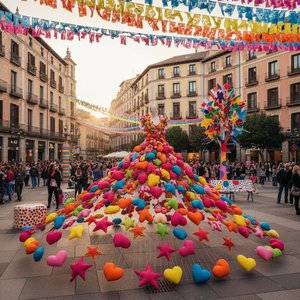
Águeda Ruiz de la Prada: A Study of Eclecticism & Emotional Resonance in Contemporary Spanish Painting
Discover the vibrant world of Ágatha Ruiz de la Prada, a leading figure in contemporary Spanish art. Explore her eclectic style, emotional depth & legacy – a must-read for discerning collectors.

Maurice Quentin de La Tour: Light, Shadow & the Rococo Portrait
Explore the captivating world of Maurice Quentin de La Tour, a master of Rococo portraiture. Discover his innovative pastel techniques, intimate depictions of French aristocracy, and lasting artistic legacy. Learn more at OriginalUniqueArt.

Francisco Goya Šedevrai: 25 Išskirtiniai Darbai Jūsų Interjerui | OriginalUniqueArt
Atraskite 25 įspūdingiausius Francisco Goya šedevrus! Ispanų romantizmo meistro paveikslai, portretai ir juodoji tapyba. Įkvėpkite interjerui su aukštos kokybės Goya reprodukcijomis | OriginalUniqueArt.com

The Soft Power of Pastel: A Connoisseur's Guide to History, Technique, and the Art of Texture
Explore the ethereal beauty of pastel art. From Renaissance origins to Impressionist mastery, discover the history, technique, and velvety textures that define this luminous medium in our expert guide for art connoisseurs.