

 Peržiūrėti realybėje
 Pasidalinti
 Dalintis
 Išsamiau

 Atsisiųsti
 Panašūs eksponatai
 Rentgeno nuotrauka
 Automatinė diorama
5-meter Tree

 Skaityti daugiau
Giclée / Meno spausdinimas
Muziejų lygio „giclée“ arba drobos spausdinimas: greita gamyba ir lankstios apdailos parinktys. ( Pirkti rankomis tapytą paveikslą Pirkti vaizdą)




































Pasirinkite iš mūsų nustatytų dydžių, atitinkančių originalaus meno kūrinio proporcijas.

Galite nurodyti savo matmenis, kad vaizdas atitiktų konkretų rėmą ar erdvę. Jei pasirinktas dydis nesutaps su originalaus paveikslėlio proporcijomis, mes arba apkirpsime kūrinį, arba išplėsime vaizdą naudojant veideliu atspindėtą arba vientisą šoną. Skaitmeninis maketas bus išsiųstas jums patvirtinti prieš pradedant gamybą.
Atkreipkite dėmesį, kad ekrane matomas vaizdinys neatspindi tikrojo apkirpimo ar išplėtimo. Tik maketas tiksliai parodytų galutinę kompoziciją.
Nors galima rinktis ir individualius dydžius, rekomenduojame pasirinkti vieną iš išanksti nustatytų matmenų, kad būtų išlaikytos originalios proporcijos.
Pristatymas visame pasaulyje () per 2 weeks, o ne įprastas 4/5 savaičių laikotarpis. (20 rugpjūtis)

Nemokamas greitasis pristatymas visame pasaulyje

Aukštos kokybės lininis drobė

Pilnas siuntimo draudimas

Muitinės mokesčių grąžinimo garantija

Tikro spalvų atitikimo garantija

60 dienų grąžinimo politika (tik esant gamyklinėms defektams)

100% pinigų grąžinimo garantija

Nuolaida už kelias reprodukcijas
 Stiklo variantas prieinamas tik pasirinkus dydį iki 110 cm

5-meter Tree
Giclée / Meno spausdinimas
Reprodukcijos matmenys
-


Galutinė kaina
$ 80
Autoriaus biografija
The Living Pulse of Giuseppe Penone
In the quiet, verdant landscapes of Garessio, Italy, where the shadows of the Maritime Alps stretch across ancient forests, the artistic soul of Giuseppe Penone found its first profound dialogue. Born on April 3, 1947, Penone did not merely observe nature; he began to perceive it as a living archive of memory and time. His early years, steeped in the sensory richness of the Italian wilderness, laid the foundation for a career that would eventually redefine the boundaries between the human hand and the organic world. As a student at the Accademia Albertina in Turin, Penone moved beyond the traditional confines of sculpture, seeking instead to capture the very essence of growth and transformation. This pursuit led him to become a central figure in the Arte Povera movement, a revolutionary period in contemporary art that rejected polished, industrial aesthetics in favor of raw, elemental materials.
Penone’s work is characterized by an extraordinary intimacy with the material world. He does not simply sculpt wood or stone; he engages in a process of de-barking and revelation, as seen in his iconic Alberi (Trees) series. In these works, he carves into the timber to uncover the hidden branches that were once present within the trunk, allowing the tree’s own history of growth to re-emerge through human intervention. This technique serves as a powerful metaphor for the interconnectedness of all living things, suggesting that our touch can peel back the layers of time to reveal a primordial truth. By utilizing unconventional substances such as volcanic ash, beeswax, weathered leather, and even lead, Penone creates a tactile language that speaks to the geological and biological forces that shape our planet.
A Symphony of Material and Memory
To encounter a Penone installation is to enter a space where the distinction between subject and object dissolves. His practice is an ongoing exploration of how life leaves its mark upon the earth and how, in turn, we leave ours. In masterpieces like gesto vegetale, he orchestrates a complex choreography of life, using vibrant greenery and the delicate presence of birds to create a breathing ecosystem within the gallery space. This approach transcends mere visual representation; it is an invitation to experience the scent of resin, the roughness of bark, and the cool weight of stone. His art functions as a sensory bridge, connecting the modern, hurried human consciousness to the slow, rhythmic expansion of the natural world.
The significance of Penone’s contribution to art history lies in his ability to transform the act of creation into an act of assimilation. He does not impose a foreign form upon his materials but rather listens to their inherent inclinations. This philosophy has earned him immense respect within the global art community, marked by prestigious accolades such as the Praemium Imperiale in 2014. His influence extends through generations of artists, including those who have studied under his mentorship to explore ecological consciousness and material transformation. Through his hands, the tree becomes a repository of memory, and the sculpture becomes a living testament to the enduring cycle of life, making Giuseppe Penone one of the most vital voices in the ongoing narrative of contemporary sculpture.
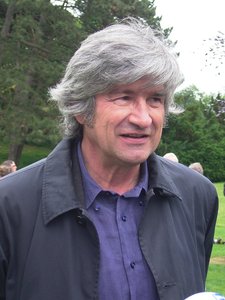
Giuseppe Penone
1947 -
Trumpa informacija
- Artistic Movement Or Style: Arte Povera
- Artists Or Movements Influenced By This Artist: ['Minimalism']
- Artists Who Influenced This Artist: ['Germano Celant']
- Date Of Birth: 1947
- Full Name: Giuseppe Penone
- Nationality: Italian
- Notable Artworks:
- Corteccia di cuoio
- Sculture di linfa
- Three-Meter Tree
- Place Of Birth: Garessio, Italy

