

 Peržiūrėti realybėje
 Pasidalinti
 Dalintis
 Išsamiau

 Atsisiųsti
 Panašūs eksponatai
 Rentgeno nuotrauka
 Automatinė diorama
Cloister
 Macchiaioli
 1861
1861 19.0 x 25.0 cm
 Šiuolaikinio meno galerija
 Skaityti daugiau
Rankų darbo aliejinės reprodukcijos
Rankiniu būdu tapytas aliejus ant droblio jūsų pageidaujamame dydį ir rėmuose – mūsų menininkų darbas pagal užsakymą. ( Perejti prie spausdinimo Perjungti į vaizdą)




































Pasirinkite iš mūsų nustatytų dydžių, atitinkančių originalaus meno kūrinio proporcijas.

Galite įvesti savo matmenis, kad jie atitiktų konkretų rėmą ar erdvę. Jei pasirinktas dydis neatitinka originalaus paveikslėlio proporcijų, mes arba apkropsime meno kūrinį, arba papildysime tapybą rankomis dažytい elementais. Prieš pradėdami gamybą, jūsų patvirtinimui atsiųsime skaitmeninį maketą.
Atkreipkite dėmesį, kad ekrane rodomas vaizdas neatspindi tikrojo apkarpymo ar papildymo. Tik maketas tiksliai parodys galutinę kompoziciją.
Nors galima rinktis ir individualius dydžius, rekomenduojame pasirinkti matmenis iš nustatytos sąrašo, kad būtų išlaikytos originalios proporcijos.
Gavus užsakymą, OriginalUniqueArt.com komanda susisieks su klientu el. paštu dėl instrukcijų ir pateiks maketo pavyzdį.
Pristatymas visame pasaulyje () per 3–4 savaites, o ne įprastai – per 5 savaites. (31 liepa). Kokybė lieka nepakeičiama.

Nemokamas greitasis pristatymas visame pasaulyje

Aukštos kokybės lininis drobė

Pilnas siuntimo draudimas

Muitinės mokesčių grąžinimo garantija

Tikro spalvų atitikimo garantija

60 dienų grąžinimo politika (tik esant gamyklinėms defektams)

100% pinigų grąžinimo garantija

Nuolaida už kelias reprodukcijas
 Stiklo variantas prieinamas tik pasirinkus dydį iki 110 cm

Cloister
Reprodukcijos technika
Reprodukcijos matmenys
-


Galutinė kaina
$ 300
Autoriaus biografija
Giuseppe Abbati: Life and Legacy
Early Life and Training
Giuseppe Abbati was born in Naples, Italy, on January 13, 1836. He received his initial artistic training from his father, Vincenzo Abbati, who specialized in paintings of architectural interiors. This early influence is evident in Giuseppe’s first works, which also focused on interior scenes.
Military Service and the Macchiaioli
Abbati's life took a dramatic turn when he participated in Garibaldi’s 1860 campaign for Italian unification. During the Battle of Capua, he tragically lost his right eye. Following this experience, he moved to Florence, a pivotal moment that shaped his artistic trajectory. In Florence, at the famed Caffè Michelangiolo, he connected with key figures who would become known as the Macchiaioli – Giovanni Fattori, Silvestro Lega, and others.
Artistic Development and Style
Initially recognized for his interior views—for which he even received a medal at the National Exposition in Florence in 1861 (which he refused as protest against the jury)—Abbati soon embraced plein air painting, influenced by his new circle of artists. His style became characterized by a bold treatment of light and shadow, focusing on capturing luminous effects in landscapes. He often depicted scenes viewed through doorways or windows, creating a sense of depth and atmosphere.
Key Characteristics of Abbati’s Work
- Bold Light Effects: A defining feature of his paintings.
- Plein Air Painting: Embracing the practice of painting outdoors to capture natural light.
- Horizontal Formats: Many of his landscapes, like “View of Castiglioncello,” are elongated horizontally, a common preference among the Macchiaioli.
- Dramatic Contrasts: Juxtaposing luminous outdoor scenes with darkened interiors.
Later Life and Untimely Death
Abbati’s artistic pursuits were again interrupted in 1866 when he enlisted in the army for the Third Independence War. He was captured by Austrian forces in Croatia before returning to civilian life at the end of the year. He spent his final year painting in the countryside near Castelnuovo della Misericordia. Tragically, Abbati died on February 21, 1868, in Florence, after being bitten by his own dog and contracting rabies.
Influences and Historical Significance
Abbati was significantly influenced by the ideals of the Macchiaioli movement, which sought to break away from academic traditions and embrace a more realistic depiction of Italian life. He contributed to the Risorgimento artistic expression through his depictions of landscapes and everyday scenes. While his career was cut short, Abbati’s work remains important for its innovative use of light, its connection to the Macchiaioli aesthetic, and its reflection of a pivotal period in Italian history.
Notable Works
- “View from the Wine Cellar of Diego Martelli” (1866)
- “Landscape at Castiglioncello” (1867)
- “Cloister” (1861)
- “Gallery with Armor Bearer” (1864)

Giuseppe Abbati
1836 - 1868 , Italy
Trumpa informacija
- Birth Date: 1836-01-13
- Birth Place: Naples, Italy
- Death Date: 1868-02-21
- Movement: Macchiaioli
- Name: Giuseppe Abbati
- Nationality: Italian
- Notable Works:
- View from the Wine Cellar of Diego Martelli
- Landscape at Castiglioncello
- Cloister
- Gallery with Armor Bearer
Susiję straipsniai
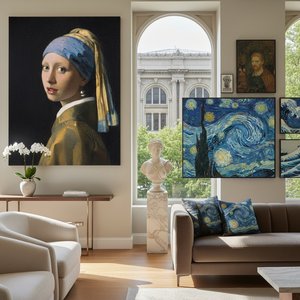
Metropoliteno meno muziejaus perlai: 25 įspūdingiausi kūriniai jūsų interjerui
Atraskite 25 įspūdingiausius Metropoliteno meno muziejaus kūrinius! Claude Monet, van Gogh ir kiti meistrai – paveikslų istorijos, spalvų paletės bei interjero dekoravimo idėjos. Meno reprodukcijos aukščiausia kokybe OriginalUniqueArt.com
Nacionalinės galerijos meno perlas: 25 paveikslai, įkvėpę kartas | OriginalUniqueArt.com
Atraskite 25 Nacionalinės galerijos meno perlus! Išsami istorija apie Monet, Picasso ir kitų žymiausių dailininkų kūrinius. Įkvėpimo interjerui ir aukštos kokybės meno reprodukcijos – OriginalUniqueArt.com

Džeimso Ebboto Maknilo Vislerio 25 Šedevrai: Tonalizmo Elegancija Jūsų Interjere
Atraskite 25 įspūdingiausius Džeimso Ebboto Maknilo Vislerio kūrinius! Tonalizmo meistras, noktiurnai ir portretai – meno istorijos šedevrai jūsų interjerui. Pirkti aukštos kokybės reprodukcijas OriginalUniqueArt.com
Henri Matisse: 25 Šedevrai, Apipinti Spalvomis | OriginalUniqueArt.lt
Atraskite 25 įspūdingiausius Henri Matisse šedevrus! Sužinokite apie Fauvizmą, spalvų magiją ir prancūzų dailininko kūrybos istorijas. Meno reprodukcijos jūsų interjerui – OriginalUniqueArt.com

Dante Gabriel Rossetti: 25 Šedevrai, Įkvėpę Kartas | OriginalUniqueArt.lt
Atraskite 25 įspūdingiausius Dante Gabriel Rossetti šedevrus! Išsami analizė, meno istorija ir įkvėpimas interjerui. Reprodukcijos aliejumi – prerafaelitų klasika jūsų namams. Explore the full collection online!

