
 Peržiūrėti realybėje
 Pasidalinti
 Dalintis
 Išsamiau

 Atsisiųsti
 Panašūs eksponatai
 Rentgeno nuotrauka
 Automatinė diorama
 Statistika
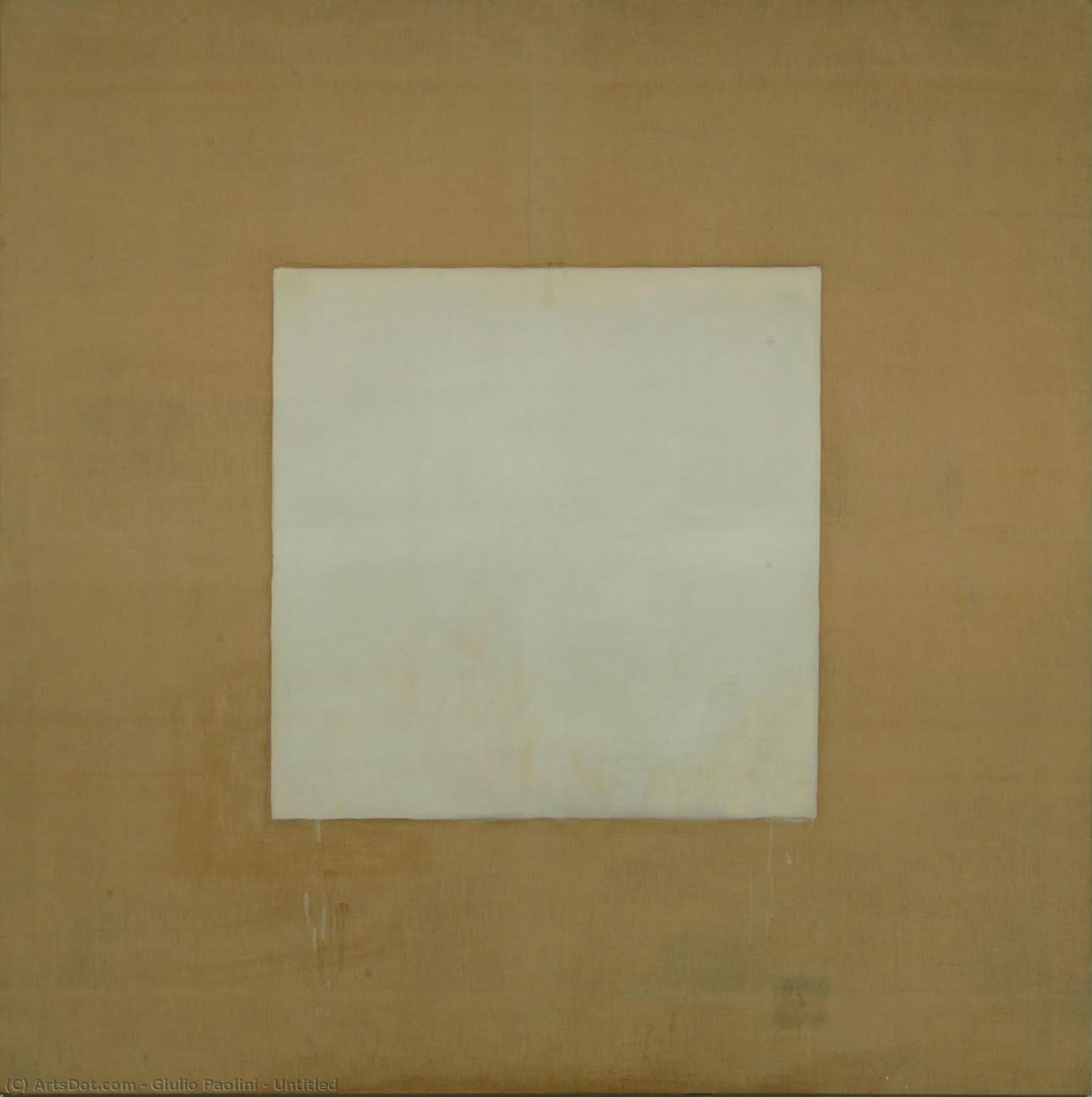
Untitled
 201.0 x 200.0 cm
 Galleria Civica di Arte Moderna e Contemporanea Torino
 Skaityti daugiau
Įsigykite aukštos skiriamosios raiškos, patobulintą skaitmeninį vaizdą, gerokai pranašesnį už internetinę peržiūrą.
Kiekvieną failą mūsų specialistai kruopščiai paruošia naudojant pažangias technologijas ir profesionalų rankinį retušavimą. Užtikriname, kad kiekvienas vaizdas pasižymėtų išskirtiniu aiškumu, tikslia spalvų atspalviu ir smulkiomis detalėmis.
Baigiamas failas el. paštu pristatomas per 72 valandas; jis optimizuotas nedelsiant naudojimui profesionalioje, redakcinėje ir spausdinimo aplinkoje. Tai ta pati kokybė, kuria pasitiki aukščiausios klasės dizaino studijos, leidyklos ir galerijos.
Skaitmeninis vaizdas
Atsisiųskite didelės raiškos failą asmeniniam naudojimui, spausdinimui ir kūrybiniams projektams. ( Perejti prie spausdinimo Pirkti rankomis tapytą paveikslą)
Kiekvieną skaitinio vaizdo užsakymą papildė
Profesionalus skaitmeninis pristatymas, garantuotas
Pasirinkę OriginalUniqueArt.com, jūs ne tik gaunate paveikslėlį – jūs gaunate profesionaliai patobudintą skaitmeninį kūrinį, sukurtą itin tikniai ir užtikrinantį pasitenkinimą. Štai viską, kas automatiškai pritékia jūsų užsakymui:

Greitas siuntimas el. paštu
Jūsų aukštos raiškos skaitmeninis vaizdo failas bus išsiųstas jums el. paštu per 72 valaudas nuo užsakymo – paruoštas naudojimui be jokių papildomų veiksmų.

Skaitmeninis failas su dirbtiniu intelektu
Jūsų meno kūrinys profesionaliai optimizuojamas naudojant pažangius dirbtinio intelekto įrankius ir rankinį redagavimą, užtikrinant maksimalią detalę, aiškumą ir spalvų tikslumą.

Nemokamas visam laikui pakartotinis siuntimas
Atsitiktinai ištrytikote ar praradote savo failą? Nebijokite – bet kuriuo metu atsiųsime jį jums vėl nemokamai.

Jokio importo mokesčio – niekada
Mėgaukitės savo meno kūriniu akimirka – skaitiniai failai visada yra neapmokestinami, todėl nereikės mokėti muitinės, mokesčių ar pristatymo mokesčių.

Spalvų tikslumo garantija
Naudodami profesionalią įrangą ir spalvų valdymo sistemas, užtikriname, kad jūsų skaitmeninis vaizdas kuo tiksliau atspindėtų originalias spalvas.

100 dienų patikimumo garantija
Jei nebuvosite patenkinti savo skaitmeniniu vaizdu, mes jį peržiūrėsime arba grąžinsime 100% sumą per 100 dienų – be jokių klausimų.

100% pinigų grąžinimo garantija
Nesitenkinate? Gaukite visą sumokėtą sumą per 100 dienų nuo skaitmeninio failo gavimo – be jokių papildomų klausimų.

Nuolaidos dideliems užsakymams
Pirkti 3 nuotraukas – pasiūla 10% - Pirkti 5 – pasiūla 15% - Pirkti 10 ir daugiau – pasiūla 20%. Puikiai tinka kūrybiniams projektams, galerijoms bei agentūroms.
Autoriaus biografija
Giulio Paolini: Bridging Arte Povera and Conceptual Thought
Giulio Paolini stands as a singular figure in Italian art, embodying the spirit of Arte povera while simultaneously delving into the intricacies of conceptual art. Born in Genoa in 1940, his artistic journey began amidst formative influences – a childhood spent in Bergamo instilled a deep appreciation for visual culture and fostered an early engagement with museums and galleries. His fascination extended beyond mere observation; he actively sought knowledge through art periodicals and meticulously studied the works of masters. This intellectual curiosity propelled him toward painting after graduating from the Giambattista Bodoni State Industrial Technical School of Graphics and Photography in 1959, specializing in graphic design.- Early Explorations: Paolini’s initial artistic endeavors centered on monochrome abstractions, reflecting a desire to distill visual experience into its purest form. The discovery of modern graphics – his brother Cesare's architectural pursuits – profoundly impacted his aesthetic sensibilities, shaping his approach to representation.
- The Pioneering Gesture: His breakthrough came with “ disegno geometrico” (geometric drawing), a seminal piece executed in 1960. This ambitious undertaking involved squaring a canvas painted entirely white tempera – an act of deliberate negation intended to liberate the image from preconceived notions and establish a foundational conceptual principle.
- Conceptual Foundations: Paolini’s artistic philosophy revolved around capturing “eternal recurrence,” recognizing that each creative moment holds inherent significance and contributes to the artist's self-discovery. This perspective underpinned his subsequent explorations into the very components of painting – tools and space—marking a decisive shift toward conceptual concerns.
The Rise of Arte Povera and Photographic Realism
Paolini’s artistic trajectory gained momentum in the early 1960s as he embraced photography, expanding his investigation into the relationship between artist and artwork. This collaboration with Carla Lonzi proved pivotal, introducing him to Marisa Volpi who would soon produce influential critical analyses of his burgeoning talent. The encounter solidified Paolini's connection to Arte povera—an artistic movement characterized by its use of humble materials and rejection of traditional techniques—and cemented his commitment to exploring the boundaries of visual perception.- Early Exhibitions: His debut solo exhibition at Gian Tommaso Liverani’s La Salita gallery in Rome in 1964 showcased “leant against or hanging on the wall” panels—a deliberate provocation designed to disrupt conventional notions of display and underscore the ongoing process of artistic creation. Critics like Carla Lonzi and Marisa Volpi recognized Paolini's innovative approach, establishing him as a voice within the burgeoning Arte povera movement.
- Material Exploration: Paolini’s subsequent works consistently prioritized raw materials—wood, plaster, photography—transforming them into evocative sculptures and images. These pieces eschewed polished surfaces and elaborate ornamentation, prioritizing textural qualities and conveying emotional resonance.
Notable Achievements and Artistic Legacy
Paolini’s artistic output demonstrates a remarkable sensitivity to both formal experimentation and conceptual depth. His exploration of photographic realism—evident in “senza titolo” (1965)—challenged viewers to confront the complexities of representation, prompting reflection on how images convey meaning beyond mere visual appearance. Furthermore, his sculptural endeavors, such as “Untitled (936),” exemplify Arte povera’s commitment to confronting existential themes through understated materials and forms.- Critical Recognition: Paolini's work garnered considerable acclaim from prominent art critics and curators who championed his distinctive aesthetic vision. Lonzi and Volpi’s initial assessments established him as a key figure in the Arte povera movement, securing his place within the history of Italian contemporary art.
- Continuing Relevance: Giulio Paolini's enduring influence stems from his unwavering dedication to artistic innovation—his refusal to adhere to conventional standards and his persistent pursuit of expressive truth. His legacy continues to inspire artists today who strive to forge new paths within the realm of visual art.

Giulio Paolini
1940 -
Trumpai apie šį kūrėją
- Artistic Movement Or Style: Arte Povera & Conceptual Art
- Artists Or Movements Influenced By This Artist: ['Minimalism']
- Artists Who Influenced This Artist: ['Luciano Fabro']
- Date Of Birth: 1940
- Date Of Death: Living
- Full Name: Giulio Paolini
- Nationality: Italian
- Notable Artworks: ['L', 'senza titolo', 'Untitled (936)']
- Place Of Birth: Genoa, Italy