Romanesque · 1130
Eve (Gislebertas, 1130)
Gislebertas (1120–1135) sukūrė Eve. Šis kūrinys datuojamas 1130 m. Šis kūrinys priklauso Romanesque kieruliui. Pagaminta naudojant Stone. Eksponatas saugomas Musée Rolin Autun, Prancūzija.
- 1130
- Stone
- Musée Rolin, Autun

 Rankinio darbo aliejinės imitacijos paveikslas
 Pasidalinti
 Dalintis
 Informacinė lLapelė


 Atsisiųsti
 Panašūs eksponatai
 Automatinė diorama
 Klausimai ir atsakymai

 Statistika
Eve, trumpai
- Pavadinimas
- Eve
- Autorius
- Gislebertas (1120–1135)
- Autorius gimęs
- Prancūzija
- Data
- 1130
- Technika
- Stone
- Kur galima pamatyti
- Musée Rolin, Autun, Prancūzija
- Judėjimas
- Romanesque
- Laikotarpis
- High Medieval
- Tema
- woman, sculpture, stone, humanoid, profile, carving
Ką vaizduoja Eve?
The Sinuous Grace of Stone
The stone breathes with a quiet, unsettling life. In the dim light of the North Portal at Autun Cathedral, a figure emerges from the rock, caught in a moment of profound, detached grace. This is Eve, a form carved with a fluidity that defies the heavy, unyielding nature of the medium. Her body is elongated, her limbs stretching with a rhythmic elegance that suggests a movement frozen in mid-breath. There is a certain seductive quality to her posture, a sinuous curve that flows from her neck down through her torso, making the hard granite appear as soft as skin. She exists in a state of quiet contemplation, her profile turned away, her gaze lost in a space beyond the viewer's reach. The intricate carvings of foliage and leaves that wrap around her limbs seem to grow directly from her very being, blurring the line between the human form and the natural world.
The craftsmanship reveals a deep understanding of how light and shadow can transform a surface. As the light strikes the high relief of her body, it creates deep, dark pockets in the recesses of the carving, emphasizing the dramatic contours of her slender frame. This interplay of light and shadow gives the sculpture a psychological weight, a sense of presence that reaches out from the cathedral walls. It is a moment of stillness that feels heavy with the weight of what is to come.
A Fragment of the Fall
This sculpture is a rare survivor of a much larger narrative, a piece of a story that once spanned the lintels of the cathedral. It represents a significant shift in how the human form is expressed in European art, marking a departure from the rigid, static figures of earlier eras. The details of her existence are etched into the stone with a precision that speaks to a high level of technical mastery:
The history of this figure is as dramatic as the scene it depicts. For centuries, she remained hidden, having been used as mere building material for a house in 1769. She lay forgotten at the foot of a hill, a discarded fragment of a sacred story, until she was rediscovered. Now, she remains as a singular, powerful presence, a piece of the 12th-century vision that survived the passage of time and the changing tastes of men. She is a window into a period where the sculptor sought to capture not just the shape of a person, but the very essence of a soul caught in a moment of cosmic significance.
Kuriame muziejuje eksponuojama karya Eve?
Musée Rolin
Autun, Prancūzija
Burgundijos pavelai: Autuno siela Burgundijos širdyje, kur romaniškos antikos praeities aidas susitinka su viduriesamennės dvasiniu ugnies šviesa, yra Musée Rolin. Įsikęs istoriniame Autuno mieste, šis muziejus yra kur kas daugiau nei tik artefaktų saugovė; tai gilus kelionės posmdis į pačią Prancūzijos regiono istorijos esmę. Įsikūręi neišskirtiniame, buvusio Nicolas Rolin, gerio Filipo kanclerio, rezidenciame, muziejaus sienos kvėpuoja XV amžiaus Burgundijos dvaro prabanga.


Eve dididraudžios kokybės vaizdai

Viešoji domenė: suregalis mirė 1135 m.
Kiti dydžiai, iškarai ir citavimo informacija →Gislebertas, Eve (1130), Musée Rolin. Viešoji domenė
Atsakimai į klausimus apie Eve
Kuriam muziejui priklauso originalus „Eve“?
Kūrinys „Eve“ – Gislebertas rodomas Musée Rolin, Autun, Prancūzija. Muziejaus informacija nuoroda į originalą, o ne į reprodukciją.
Kada buvo sukurta „Eve“?
„Eve“ – Gislebertas kūrybos metai – 1130.
Kokia technika sukurta „Eve“ – Gislebertas?
„Eve“ technika – Stone.
Kokios temos atsispindi kūrynioje „Eve“ – Gislebertas?
„Eve“ – Gislebertas temos apima woman, sculpture, stone, humanoid, profile, carving, foliage. Kartu jie apibendrina šio kūrinio tematiką.
Ar „Eve“ yra viešosios teisės kūrinys?
Kalbant apie autorišką teisę, „Eve“ yra yra viešosios erdvės dalis – jo autorinė teisė pasibaigusi.
Kas yra „Eve“ kūrybos autorius?
Kūrinį „Eve“ sukūrė Gislebertas. Darbas katalogizuojamas Gislebertas vardu.
Kokiam meno stiliui priklauso „Eve“ – Gislebertas?
Kūrinio „Eve“ – Gislebertas stilius – Romanesque. Ši klasifikacija leidžia šį darbą įtraukti į bendrą susijusių menininkų ir kūrinių kontekstą.
Kokia buvo Gislebertas amžius sukuriant „Eve“?
Gislebertas kūrė „Eve“ būdamas 10 metų amžiaus. Jis/ji gimė 1120, o darbas datuotas 1130 m.
Kokia yra autorinės teisės situacijos priežastis kūriniam darbui „Eve“ – Gislebertas?
Autorinės teisės statusas kūriniui „Eve“ – yra viešosios erdvės dalis – jo autorinė teisė pasibaigusi – nustatomas remiantis to, kad menininkas mirė 1135 m.
Apie menininką Gislebertas

1120–1135, Prancūzija
Gislebertas
Gislebertas: Autun katedros Dievinio vizijos skulptorius Gislebertas – vardas, išraišytas akmens ir šimtus metų per sklandžiai šnabždiantis, yra viena iš stebėtıniausių romanskos skulptūros figūrų. Ypač garsėjęs savo prasme prisidėmėlui Prancūzijos Auteno Šv. Lazaro katedrai, jis iškrito iš pilno kūrybiškumo Burgundijos meno kraštmežemis, laikotarpiu, kurį per didelį įtakį turėjo religinis užsidegimas ir auganti architektūrinė ambicija. Gimęs maždaug 1120 metais, Gislebertas gyveno era, kai menas tarnavo kaip pagrindinė tikintųjų kalba.
Taip pat Gislebertas darbai
 Tympanum of the main portal (detail)1130
 Pilgrims1120
 Last Judgment (detail)1130
 Dream of the Magi1120
Esdai apie Eve
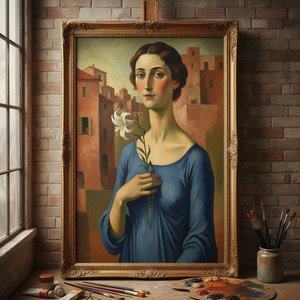 Capturing Elegance: The Soulful Essence and Timeless Grace of Modigliani-Style ArtworksDiscover the profound beauty of Modigliani-style art. Explore the elegance of elongated forms and soulful portraits through our expert cura…
 From Ancient Marble to Modern Bronze: Sculptural Forms That Shaped Art HistoryTrace the evolution of sculpture from Paleolithic totems to modern abstraction with expert insight. Explore the masters of form today.
 Romanesque vs. Gothic: How to Distinguish These Two Medieval StylesMaster the differences between Romanesque and Gothic art through expert analysis. Learn to identify these medieval styles today.