

 Peržiūrėti realybėje
 Pasidalinti
 Dalintis
 Išsamiau

 Atsisiųsti
 Panašūs eksponatai
 Rentgeno nuotrauka
 Automatinė diorama
Orion


 Skaityti daugiau
Rankų darbo aliejinės reprodukcijos
Rankiniu būdu tapytas aliejus ant droblio jūsų pageidaujamame dydį ir rėmuose – mūsų menininkų darbas pagal užsakymą. ( Pirkti spaudinį Pirkti vaizdą)




































Pasirinkite iš mūsų nustatytų dydžių, atitinkančių originalaus meno kūrinio proporcijas.

Galite įvesti savo matmenis, kad jie atitiktų konkretų rėmą ar erdvę. Jei pasirinktas dydis neatitinka originalaus paveikslėlio proporcijų, mes arba apkropsime meno kūrinį, arba papildysime tapybą rankomis dažytい elementais. Prieš pradėdami gamybą, jūsų patvirtinimui atsiųsime skaitmeninį maketą.
Atkreipkite dėmesį, kad ekrane rodomas vaizdas neatspindi tikrojo apkarpymo ar papildymo. Tik maketas tiksliai parodys galutinę kompoziciją.
Nors galima rinktis ir individualius dydžius, rekomenduojame pasirinkti matmenis iš nustatytos sąrašo, kad būtų išlaikytos originalios proporcijos.
Gavus užsakymą, OriginalUniqueArt.com komanda susisieks su klientu el. paštu dėl instrukcijų ir pateiks maketo pavyzdį.
Pristatymas visame pasaulyje () per 3–4 savaites, o ne įprastai – per 5 savaites. (18 rugpjūtis). Kokybė lieka nepakeičiama.

Nemokamas greitasis pristatymas visame pasaulyje

Aukštos kokybės lininis drobė

Pilnas siuntimo draudimas

Muitinės mokesčių grąžinimo garantija

Tikro spalvų atitikimo garantija

60 dienų grąžinimo politika (tik esant gamyklinėms defektams)

100% pinigų grąžinimo garantija

Nuolaida už kelias reprodukcijas
 Stiklo variantas prieinamas tik pasirinkus dydį iki 110 cm

Orion
Reprodukcijos technika
Reprodukcijos matmenys
-


Galutinė kaina
$ 300
Autoriaus biografija
Giovanni Battista Bernero: A Florentine Baroque Sculptor
Giovanni Battista Discepoli (1736–1796), affectionately known as “Lo Zoppo di Lugano” due to his lifelong limp, stands as a pivotal figure in Swiss-Italian baroque sculpture. Born in Lugano, Switzerland, he emerged from the shadow of Camillo Procaccini, whose influence shaped his artistic trajectory and instilled within him a profound understanding of dramatic composition and expressive realism—characteristics that would define his oeuvre. His life was marked by both hardship and considerable success, culminating in recognition as a respected artist and teacher during his time in Milan.- Early Life & Training: Discepoli’s formative years were spent honing his craft under Procaccini's tutelage, absorbing the stylistic precepts of Mannerism and embracing the burgeoning dynamism of Baroque aesthetics. This early exposure instilled a meticulous attention to detail and an unwavering commitment to capturing human emotion with unparalleled accuracy.
- Milanese Patronage & Artistic Output: Discepoli’s artistic career flourished in Milan during the reign of Carlo Borromeo, securing commissions from prominent ecclesiastical institutions like San Carlo al Corso and San Marco. His monumental sculpture for San Carlo—a depiction of the Virgin Mary—demonstrates his mastery of sculptural technique and embodies the grandeur and solemnity emblematic of Baroque religious art. Notably, he also undertook the ambitious project of adorning San Marco with a magnificent altar tableau, now housed in the Brera Gallery, showcasing his ability to synthesize classical ideals with baroque fervor.
- Lugano Legacy: Discepoli’s artistic legacy extends beyond Milanese commissions; Lugano retains several sculptures bearing his signature—primarily located within Santa Teresa Church. These works exemplify his dedication to portraying saints with palpable humanity and conveying spiritual contemplation through nuanced gestures and facial expressions.
Influences & Artistic Style
Discepoli’s artistic style was profoundly shaped by the stylistic currents of his era, particularly Procaccini's influence and the broader dissemination of Caravaggio’s revolutionary naturalism. Like Caravaggio, Discepoli prioritized dramatic lighting—often employing chiaroscuro—to heighten emotional impact and sculpturally convey psychological depth. His figures are characterized by muscular anatomy rendered with meticulous realism, conveying both physical strength and inner turmoil. Furthermore, he skillfully utilized drapery to create dynamic movement and contribute to the overall theatrical quality of his sculptures.- Procaccini’s Impact: Procaccini's emphasis on expressive realism and dramatic lighting served as a cornerstone for Discepoli’s artistic development, fostering an unwavering dedication to capturing human emotion with unflinching honesty.
- Caravaggio’s Influence: Discepoli adopted Caravaggio’s groundbreaking technique of chiaroscuro—the stark contrast between light and dark—to imbue his sculptures with palpable drama and psychological intensity.
Notable Works & Recognition
Among Discepoli's most celebrated achievements is the altar tableau for San Marco, now residing in the Brera Gallery—a testament to his artistic prowess and a cornerstone of Milanese baroque art history. This monumental sculpture exemplifies his ability to synthesize classical ideals with baroque fervor, resulting in an unforgettable portrayal of religious devotion. His sculptures in Lugano’s Santa Teresa Church continue to inspire admiration for their expressive realism and spiritual contemplation. Discepoli's pupils included Pompeo Ghiti from Brescia, cementing his role as a formative sculptor within the Swiss-Italian artistic landscape.Historical Significance & Legacy
Giovanni Battista Discepoli’s contribution to baroque sculpture transcends mere stylistic innovation; he embodies the spirit of his time—a period characterized by fervent religious piety and an unwavering commitment to artistic excellence. His sculptures stand as enduring symbols of Baroque grandeur and humanist conviction, continuing to captivate audiences with their emotive power and technical mastery. He remains a significant figure in Lugano’s art history, remembered not only for his sculptural output but also for nurturing the talents of future generations of artists.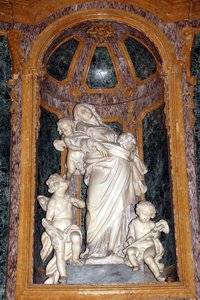
Giovanni Battista Bernero
1590 - 1654 , Italy
Trumpa informacija
- Artistic Movement Or Style: Baroque
- Artists Or Movements Influenced By This Artist: ['San Marcello']
- Artists Who Influenced This Artist: ['Camillo Procaccini']
- Date Of Birth: Cavalleri, Italy (1590)
- Date Of Death: 1654
- Full Name: Giovanni Battista Bernero
- Nationality: Swiss-Italian
- Notable Artworks:
- Orion
- Purgatory
- Place Of Birth: Lugano, Switzerland

