Text size

() ·

A painting made for you, by hand

Políptico Baroncelli 1

Rankų darbo aliejinės reprodukcijos

Rankiniu būdu tapytas aliejus ant droblio jūsų pageidaujamame dydį ir rėmuose – tai mūsų menininkų pagal užsakymą sukurtas darbas. ( Perjungti į spausdinamus版作品 Perejti prie skaitmeninių vaizdų)

Kolekcinio objekto aprašas

Witness Giotto's revolutionary masterpiece – the Baroncelli Polyptych! This iconic Gothic altarpiece showcases Mary, Jesus & Joseph with stunning realism & emotional depth. Explore its rich history & artistic significance.

Autoriaus biografija

Apreiškite Giotto di Bondone (1267–1337), revoliucinį italų dailininką! Atraskite jo ankstyvosios renesanso freskas, natūralizmą ir emocinį gilumą tokiuose kūriniuose kaip Scrovegni koplyčia. Pagrindinis veikėjas meno istorijoje.

from ·

Chapter 1

How large should it be?

Slide to change the size; the picture on the left shows the frame at its real width. The proportions of the original are kept.

Standartinis dydis
pagal užsakymą
CM
INCH

Pasirinkite iš mūsų nustatytų dydžių, atitinkančių originalaus meno kūrinio proporcijas.

plotis
aukštis

Įveskite jums reikiamą plotį ir aukštį, kad paveikslas atitiktų jūsų rėmą ar sieną. Kadangi šis darbas yra rankinio darbo, siekiant išgauti kitokios formos dydį, paveikslas gali būti šiek tiek didesnis (nuo kraštų bus palikta daugiau erdvės) arba mažesnis – pasirinkite jums patogiausią variantą. Prieš pradedant tapyti, atsiųsime jums skaitmeninį maketą patvirtinimui. Šioje puslapio nuotraukoje matomas vaizdas nėra galutinis rezultatas – jį parodys tik sukurtas maketas.

Chapter 2

How should it arrive?

Choose the edges of the stretched canvas

Choose your frame

Corner sample of the WhiteWrap canvas edge finish, stretched on solidus medžio

**Improved version:**
solidus medis bars
White €1
Corner sample of the BlurSideWrap canvas edge finish, stretched on solidus medžio

**Improved version:**
solidus medis bars
Blurside €1
Corner sample of the ExtendedWrap canvas edge finish, stretched on solidus medžio

**Improved version:**
solidus medis bars
Extended €1
Corner sample of the P118B picture frame: lieto polistirolo detalės, 5 cm wide and 3 cm thick
P118B €10
Corner sample of the P118H picture frame: lieto polistirolo detalės, 5 cm wide and 3 cm thick
P118H €10
Corner sample of the P118W picture frame: lieto polistirolo detalės, 5 cm wide and 3 cm thick
P118W €10
Corner sample of the P438Z picture frame: lieto polistirolo detalės, 5.5 cm wide and 3.5 cm thick
P438Z €10
Corner sample of the P508JH picture frame: lieto polistirolo detalės, 7 cm wide and 3.5 cm thick
P508JH €12
Corner sample of the P508YH picture frame: lieto polistirolo detalės, 7 cm wide and 3.5 cm thick
P508YH €12
Corner sample of the P805H picture frame: lieto polistirolo detalės, 5 cm wide and 3.5 cm thick
P805H €10
Corner sample of the P805Z picture frame: lieto polistirolo detalės, 5 cm wide and 3.5 cm thick
P805Z €10
Corner sample of the P919BZ picture frame: lieto polistirolo detalės, 7 cm wide and 3.5 cm thick
P919BZ €10
Corner sample of the P919G picture frame: lieto polistirolo detalės, 7 cm wide and 3.5 cm thick
P919G €10
Corner sample of the P919XJ picture frame: lieto polistirolo detalės, 7 cm wide and 3.5 cm thick
P919XJ €10
Corner sample of the P959ZH picture frame: lieto polistirolo detalės, 5 cm wide and 3 cm thick
P959ZH €10
Corner sample of the P968JZ picture frame: lieto polistirolo detalės, 6 cm wide and 4 cm thick
P968JZ €12
Corner sample of the W106C picture frame: solidus medžio

**Improved version:**
solidus medis, 5 cm wide and 3 cm thick
W106C €8
Corner sample of the W218G picture frame: solidus medžio

**Improved version:**
solidus medis, 5 cm wide and 3 cm thick
W218G €10
Corner sample of the W218JH picture frame: solidus medžio

**Improved version:**
solidus medis, 5 cm wide and 3 cm thick
W218JH €8
Corner sample of the W218Y picture frame: solidus medžio

**Improved version:**
solidus medis, 5 cm wide and 3 cm thick
W218Y €10
Corner sample of the W307PJ picture frame: solidus medžio

**Improved version:**
solidus medis, 6 cm wide and 3 cm thick
W307PJ €10
Corner sample of the W316G picture frame: solidus medžio

**Improved version:**
solidus medis, 6 cm wide and 3 cm thick
W316G €10
Corner sample of the W316PJ picture frame: solidus medžio

**Improved version:**
solidus medis, 6 cm wide and 3 cm thick
W316PJ €8
Corner sample of the W316Y picture frame: solidus medžio

**Improved version:**
solidus medis, 6 cm wide and 3 cm thick
W316Y €10
Corner sample of the W398PJ picture frame: solidus medžio

**Improved version:**
solidus medis, 5 cm wide and 3 cm thick
W398PJ €8
Corner sample of the W4111J picture frame: solidus medžio

**Improved version:**
solidus medis, 6.5 cm wide and 3.5 cm thick
W4111J €10
Corner sample of the W500HY picture frame: solidus medžio

**Improved version:**
solidus medis, 7 cm wide and 5 cm thick
W500HY €15
Corner sample of the W500JH picture frame: solidus medžio

**Improved version:**
solidus medis, 7 cm wide and 5 cm thick
W500JH €15
Corner sample of the W692G picture frame: solidus medžio

**Improved version:**
solidus medis, 8 cm wide and 4 cm thick
W692G €12
Corner sample of the W849H picture frame: solidus medžio

**Improved version:**
solidus medis, 5 cm wide and 3 cm thick
W849H €8
Corner sample of the W940BG picture frame: solidus medžio

**Improved version:**
solidus medis, 7.5 cm wide and 4.5 cm thick
W940BG €15
Corner sample of the W953PJ picture frame: solidus medžio

**Improved version:**
solidus medis, 6 cm wide and 3.5 cm thick
W953PJ €8
Corner sample of the H24-GOLD picture frame: medžio skulptūra su gipso sluosniu, 10 cm wide and 6 cm thick
H24-GOLD €30
Corner sample of the H24-SILVER picture frame: medžio skulptūra su gipso sluosniu, 10 cm wide and 6 cm thick
H24-SILVER €30
Corner sample of the H36-GOLD picture frame: medžio skulptūra su gipso sluosniu, 15 cm wide and 6.5 cm thick
H36-GOLD €45
Corner sample of the H36-SILVER picture frame: medžio skulptūra su gipso sluosniu, 15 cm wide and 6.5 cm thick
H36-SILVER €45
Rėmo peržiūra
Įrėmintas

Moulding: . Overall size with the frame: .

Chapter 3

Who paints it, and should anything change?

Examples of what can be changed: Replace face with customer photo; Add pet (e.g., replace cat with dog); Include hidden message in background; Change background landscape or elements.
After order, OriginalUniqueArt.com team will email client for instructions and provide a mockup preview

Pristatymas visame pasaulyje () per 3–4 savaites, o ne įprastai – per 5 savaites. (1 lapkritis). Kokybė lieka nepakeičiama.

Chapter 4

The finishing touches

A nameplate, as in a museum?

Išgraviruotos bronzinės plokštelės detalės

This elegant plaque features the artist's name and the title of the artwork, finely engraved for a timeless presentation.

It is made from bronze with a refined, elegant finish. The text is precisely laser-engraved for a sharp and permanent result. Measuring 9x2 cm, the plaque is compact yet easy to read. It's built to be durable and scratch-resistant, offering a professional, museum-quality look. Mounting is simple thanks to the included adhesive backing.

Skaidrios akrilo plokštelės informacija

The plaque includes essential engraved details such as the artist's name, the title of the artwork, the date it was created, the type of media used-like oil on canvas or watercolor-a brief description of the piece, and a QR code that links to the complete artwork information.

It is crafted from clear acrylic, offering a sleek, modern appearance. The text is UV-engraved in black to ensure strong visual contrast. With a size of 10x15 cm, it ensures optimal readability. It comes equipped with two metal hooks for secure wall mounting. The plaque is designed to be weather-resistant, making it suitable for various environments, and it includes interactive features that work seamlessly with smartphone scanning.

Juodos akrilo plokštelės informacija

This elegant plaque includes engraved information such as the artist's name, the title of the artwork, the date it was created, the type of media used (like oil on canvas or watercolor), a short description of the artwork, and a QR code for quick access to more information.

The plaque itself is made from refined black acrylic with a premium finish. The text is laser-engraved in white for high contrast and readability. Its size is 10x15 cm, designed to be easy to read. It comes with two metal hooks for professional mounting. The design is sleek and fits any interior style. It is also weather-resistant and durable, with built-in digital integration for mobile compatibility.

A protective varnish?

When do you need it?

Chapter 5

Your painting, as you ordered it

Políptico Baroncelli 1

Reprodukcijos technika

Reprodukcijos matmenys

-

Aukščiausios klasės meistras

Daugiau detalių, meistriškumo ir papildomo gamybos laiko

-

Reprodukcijos rėmėjimo parinktys

-

-

Dėl meno kūrinių ar reprodukcijų, kurių bet kuri pusė yra didesnė nei 105 cm (apie 41 inch), rėmas bus siunčiamas kaip išskaidytas surinkimo rinkinys. Šis metodas užtikrina saugų pristatymą ir apsaugo nuo transportavimo metu galimos žalos.

Reikalingas profesionalus surinkimas – tai nėra „pasidaryk pats“ (DIY) produktas.
Rinkinys turi būti surinktas, o drobė išplėsta naudojant patyrį profesionalų rėmininką, medžio klijus (nėra įtraukti į rinkinį), drobės plėšimo kleslę bei presas, kad rėmo rėžiai išliktų tiesūs, kol klijai išdžiūvus. Netinkamas surinkimas arba netolydus drobės įtampa gali negrįžtamai sugadinti meno kūrinį, todėl šie atvejai nėra užtraukiami mūsų garantijos.

  • Į komplektą įeina visi vientisos medienos elementai, tiksliai išpjauti pagal dydį.

  • Surmontinama naudojant pridėtus varžtus bei papildomai reikalingą medžio kliją kampų jungtims, kuris nėra pridėtas ir turi būti parinktas rėmininkui.

  • Reikalingi profesionalūs įrankiai, kurie nėra įtraukti į rinkinį: drobės kėlimo plytelės (stiprintuvai) ir klemiai, laikantys rėmo strygius tiesiu kampu, kol džiūsta lipas.

Svarbu:
Kampų jungtims reikalingi medžio klijai, barams reikia laikyti naudojant presas, kol klijai visiškai išdžiūvės, o surinktam rėmui įtempiamai privilgti būtinos drobės įtempimo plytযুক্ত. Šios priemonės į rinkinį neįtrauktos. Prieš užsakydami šio dydžio rinkinį, rekomenduojame pasimalkoti patyrusiu rėmų meistru.

Pavadinimo lentelė

-

-

Apsauginis lakas

Blizgus lakas (ryškina spalvas, saugo nuo šviesos ir drėgmės)

-

Personalizuoti kūrinį

Ką galima pakeisti (pavyzdžiui): pakeisti veidą klientui skirta nuotrauka; pridėti augintinį (pvz., katę pakeisti šuniu); įtraukti paslėptą žinutę fone; pakeisti fono kraštovaizdį ar elementus.

-

Skubiai

Pristatymas visame pasaulyje () per 3–4 savaites, o ne įprastai – per 5 savaites. (1 lapkritis). Kokybė lieka nepakeičiama.

-

Skubus pristatymas

Pristatymas visame pasaulyje () per 5 weeks. (8 lapkritis).

Įskaičiuota

Bendroji kaina

€ 267

Visos kainos suma € 267

Stiklo variantas prieinamas tik pasirinkus dydį iki 110 cm

Included with every order

  • Nemokamas greitasis pristatymas visame pasaulyje
  • Aukštos kokybės lininis drobė
  • Pilnas siuntimo draudimas
  • Muitinės mokesčių grąžinimo garantija
  • Tikro spalvų atitikimo garantija
  • 100 dienų grąžinimo politika (tik esant įtaigoms)
  • 100% pinigų grąžinimo garantija
  • Nuolaida dideliems užsakymams

The Baroncelli Polyptych: A Revolutionary Window into Giotto’s Vision

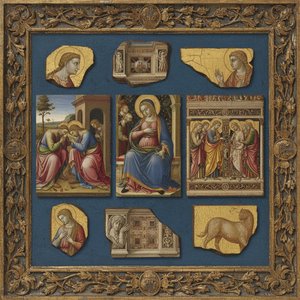
Giotto di Bondone's Políptico Baroncelli, completed around 1334, stands as a pivotal work in the transition from the stylized conventions of medieval art to the burgeoning naturalism and emotional depth that would define the Renaissance. More than just an altarpiece intended for the Baroncelli Chapel in Santa Croce, Florence, it represents a profound shift in artistic philosophy – a move towards depicting humanity with unprecedented realism and psychological insight. This monumental panel painting isn’t merely a religious scene; it's a carefully constructed narrative, brimming with symbolism and reflecting Giotto’s revolutionary approach to storytelling within the visual realm.

The polyptych itself is a complex structure, divided into five distinct panels that once formed a single, unified whole. The central panel depicts the Coronation of the Virgin Mary by Christ and God the Father, an event rich in theological significance. Mary, rendered with a grace and dignity previously unseen in Florentine art, kneels before her divine son, accepting the celestial crown offered by God. The figures are not flattened or stylized; they possess volume, weight, and a palpable sense of movement. Giotto masterfully employs light and shadow to sculpt their forms, creating an illusion of three-dimensionality that was groundbreaking for its time. The surrounding angels, depicted with varying expressions of joy and reverence, contribute to the dynamic composition. The use of gold leaf, particularly in the halos and drapery, adds a layer of opulence and spiritual radiance, characteristic of Byzantine influence but skillfully integrated into Giotto’s evolving style.

A Proto-Renaissance Masterpiece: Naturalism and Narrative

What distinguishes the Baroncelli Polyptych is Giotto's commitment to portraying human figures with a startling degree of naturalism. He abandons the rigid, hieratic poses and distant gazes typical of earlier medieval art, opting instead for gestures that are both expressive and believable. The faces of the saints and angels are rendered with meticulous detail, capturing subtle nuances of emotion – sorrow, joy, contemplation – that invite viewers to connect with their experiences. This focus on human psychology was a radical departure from the predominantly symbolic representation prevalent in the preceding era.

Furthermore, Giotto’s narrative approach is remarkably sophisticated. The scene isn't simply a depiction of a religious event; it’s a carefully orchestrated sequence of gestures and expressions that convey a profound sense of drama and emotion. The positioning of figures, their interactions with one another, and the subtle details within each panel all contribute to a cohesive and compelling story. Scholars believe Giotto drew inspiration from Dante's *Divine Comedy*, specifically Canto XXXII, which describes the coronation of the Virgin in vivid detail. This connection suggests that Giotto aimed to translate the poem’s complex theological and emotional themes into a visual language accessible to his audience.

Technique and Materials: A Symphony of Color and Texture

The Baroncelli Polyptych is executed in tempera paint on wood, a technique that allowed for vibrant colors and fine detail. Giotto’s masterful use of color – rich reds, blues, greens, and golds – creates a dazzling visual effect. The application of the paint is remarkably smooth and luminous, contributing to the painting's overall sense of realism. The wooden panels themselves were meticulously carved and then gilded with gold leaf, adding to the polyptych’s grandeur and spiritual significance. Note the intricate detailing in the frame, likely added later by Domenico Ghirlandaio, which further enhances the artwork’s visual impact.

A Legacy of Innovation: Giotto's Enduring Influence

The Baroncelli Polyptych represents a watershed moment in art history. It marked a decisive break from the conventions of medieval painting and paved the way for the innovations of the Renaissance. Giotto’s emphasis on naturalism, emotional depth, and narrative storytelling profoundly influenced generations of artists who followed him. His work demonstrated that art could not only depict religious subjects but also capture the complexities of human experience – a concept that would become central to the artistic ideals of the Renaissance. Today, this magnificent polyptych continues to inspire awe and admiration for its beauty, skill, and historical significance.

Klausimai ir atsakymai

Kokio išdėstymo formatas tinka kūriniui „Políptico Baroncelli 1“ – Džotas Di Bondonė?

Savo Tall forma „Políptico Baroncelli 1“ reprodukcija siūloma Living Room kambariui.

Kokia yra „Políptico Baroncelli 1“ tema ir kokią atmosferą ji sukuria?

„Políptico Baroncelli 1“ – Džotas Di Bondonė sujungia crowd, building, gold background, figures, gathering, medieval, renaissance ir Elegant atmosferą.

Atsižvelgiant į spalvų paletę, kur rekomenduojama eksponuoti kūrinį „Políptico Baroncelli 1"]?

Dėl savo Dark paletės, „„Políptico Baroncelli 1“ – Džotas Di Bondonė“ rekomenduojamas Living Room. Spalvų derinys yra viena iš šios rekomendacijos priežasčių.

More about this painting

Peržiūrėti realaus dydžio版 Peržiūrėti AR realybėje Perjungti į spausdinamus版作品 Perejti prie skaitmeninių vaizdų Pasidalinti
Išsamiau Vadovas Pridėti į mėgstamiausius Atsisiųsti Panašūs eksponatai Rentgeno spindulių nuotrauka Automatinė diorama Q&A Statistika

In numbers

  • 29frames to choose from
  • standard sizes, in its own proportions
  • 5weeks to paint and deliver it
Džotas Di Bondonė

Džotas Di Bondonė

1267 - 1337, Italija

Quick facts about Džotas Di Bondonė

  • Artistic Movement Or Style: Proto-Renesansas
  • Artists Or Movements Influenced By This Artist:
    • Masaccio
    • Renesanso menas
  • Artists Who Influenced This Artist: ['Čimabujė']
  • Date Of Birth: apie 1267 m.
  • Date Of Death: 1337 m.
  • Full Name: Giotto di Bondone
  • Nationality: Italijos
  • Notable Artworks:
    • Scrovegni koplyčia
    • Ognissanti Madona
    • Campanile
  • Place Of Birth: Florencija, Italija

Autoriaus biografija

Džotas di Bondone: Viduramžių Pabaigos ir Renesanso Pradžios Vizionierius

Gimė maždaug 1267 metais Toskanos kalvose, netoli Florencijos, Giotto di Bondone tapo neeiliniu figūru – tiltu tarp viduramžių dailės konvencijų ir atsirandančio Renesanso. Legenda pasakoja apie jauno piemienio, piešusio stulbinančiai tikroviškas avis ant akmenų, talentą, kuris patraukė Florencijos meistro Čimabujės dėmesį. Ar tai tiesa, ar mitas, ši istorija puikiai atspindi Giotto genialumą – įgimtą gebėjimą užfiksuoti gamtos pasaulį beprecedenčiu realizmu ir emociniu gyliu. Tapęs Čimabujės mokininku, Giotto netrukus pralenkė savo mokytoją, ne tik įvaldydamas amato subtilumus, bet ir sukūręs savą, unikalią kryptį.

Tomo valdymo laikotarčiai buvo dominuojami Bizantijos stiliaus, kurio figūros buvo stilizuotos, perspektyva plokščia, o fonai – prabangūs auksiniai. Tai simbolizavo dvasinį transcendentumą, o ne žemišką atitikmenį. Giotto siekė vaizduoti žmoniją ne kaip eteriškus idealus, bet kaip jausmais įkrautus individus, egzistuojančius apčiuopiamose erdvėse. Jo meno revoliucija nebuvo staigus perversmas, o palaipsninis vystymasis. Ankstyvieji darbai jau rodė poslinkį link didesnio dėmesio tūriui, svoriui ir patikimajai anatomijai. Jis ėmė stebėti šviesą ir šešėlį ne tik kaip dekoratyvius elementus, bet ir kaip priemones formoms skulptuoti bei sukelti gylį. Šis gimstantis natūralizmas matomas jo įnašui į Šv. Pranciškaus Asyžiečio aukštutinės bazilikos freskas – nors autentiškumas tebėra diskutuojamas, daugelio mokslininkų nuomone, Giotto ranka atpažįstama scenose, kuriose pastebimas ryškus nutolimas nuo įprastos Bizantijos estetikos.

Arena Koplyčios Freskos: Pasakojimo Simfonija

Giotto šedevras, ir vienas svarbiausių Vakarų meno darbų, yra Arena koplyčioje (dar žinoma kaip Scrovegni koplyčia) Padujoje esančių freskų ciklas. Baigtas maždaug 1305 metais, šis kvapą atima serija vaizduoja Kristaus ir Mergelės Marijos gyvenimą su revoliuciniu realizmu ir emociniu intensyvumu. Kiekvienas epizodas išsiskleidžia kaip kruopščiai pastatyta drama, kuriame figūros nėra tik religinių archetipų atvaizdai, bet visiškai atsiskleidę žmonės, patiriantys džiaugsmą, kančią, baimę ir vilties. *Paskutinis Teisimas*, užimantis visą sieną, yra galingas liudijimas Giotto įgūdžių perteikti tiek dievišką didybę, tiek žmogiškos pažeidžiamumo šiurulių realumą. Perspektyvos naudojimas, nors ir ne matematiškai tikslus pagal vėlesnius Renesanso standartus, sukuria įtikinį gylio ir erdvės iliuziją, paversdama žiūrovą pasakojimo dalimi. Figūros yra pagrįstos, jų kūnai turi svorio ir tūrio, o išraiškos perteikia emocijų spektrą, anksčiau nematytą religinėje mene.

Architektūra ir Palikimas: Renesanso Sėklų Pasėjimas

Giotto talentai neapsiribojo tapybos sfera; jis buvo gerbiamas architektas. 1334 metais jam buvo patikėti Florencijos katedros (Duomo) varpinės (Campanile) projektavimo darbai – iniciatyva, kuri parodė jo naujovišką požiūrį į architektūrines formas. Nors mirė prieš baigiant darbą, jo projektai padėjo pagrindas šiam ikoniniam Florencijos paminklui. Jo įtaka vėlesnėms kartoms menininkų yra neįvertinama. Jis užpildė tarpą tarp viduramžių ir Renesanso pasaulių, atverdamas kelią tokiems meistrams kaip Masacciu, Leonardas da Vinčis ir Mikelandželas. Vasaris savo reikšmingajame kūrinyje *Menininkų gyvenimai* paskelbė Giotto „duodant tapybai didingą mokymą vaizduoti dalykus iš gyvenimo“, tai yra liudijimas jo gilaus įtakos Vakarų meno eigai. Giotto ne tik piešė pasaulį; jis siekė jį suprasti, sugauti jo esmę ir perteikti šį supratimą vizualinės pasakojimo galia. Jo palikimas tebemina nuostabą ir gerbtumą praėjus šimtams metų po mirties, patvirtindamas jo vietą kaip vieno iš didžiausių istorijos meninių naujovių.

Pagrindiniai Pasiekimai ir Palikimas

  • Meno Revoliucija: Atsisako nuo Bizantijos stilizacijos ir pereina prie natūralizmo bei emocinio realizmo.
  • Perspektyvos Pionierius: Pristato priemonę sukurti gylį ir erdvinį suvokimą paveiksluose.
  • Meistriškas Pasakojimas: Sukuria įtikinamus pasakojimus freskų cikluose, pavyzdžiui, Arena koplyčioje.
  • Architektūriniai Indėliai: Projektavo Florencijos katedros varpinę (Campanile), demonstruodamas architektūrinius gebėjimus.
  • Pagrindas Renesanso Menui: Jo darbai padėjo pagrindus Renesanso periodo meniniams pasiekimams.

Trumpa informacija

  • Movement: Proto-Renaissance
  • Influences: Byzantine Art
  • Title: Políptico Baroncelli
  • Year: 1334
  • Location: Santa Croce, Florence
  • Medium: Tempera & Gold Leaf

Karo viktorina

Kiekviename klausime yra tik vienas teisingas atsakymas.

Klausimas 1:
What is the primary subject depicted in Giotto’s ‘Políptico Baroncelli’?
Klausimas 2:
The ‘Políptico Baroncelli’ is characterized by which artistic style?
Klausimas 3:
Against what backdrop is the scene of ‘Políptico Baroncelli’ set?
Klausimas 4:
Giotto’s work in ‘Políptico Baroncelli’ is considered significant because it:
Klausimas 5:
The ‘Políptico Baroncelli’ is located in which chapel?